

TL;DR:
- Dogs communicate through scent, body language, vocal tone, and touch, but owners often overlook these channels.
- Technology like talking buttons can be useful but are less effective than direct human speech for critical communication.
- Consistency, understanding adolescence, breed tendencies, and mutual trust are essential for effective dog-human communication.
Most dog owners assume their pet understands them far better than the science suggests. Dogs communicate through four main channels, and when even one channel gets crossed, the whole system breaks down. For service dog handlers, seniors living alone, or anyone depending on their dog for safety alerts, these breakdowns are not just frustrating. They can be genuinely dangerous. This guide cuts through the noise to explain why obstacles happen, what actually drives them, and what you can do today to build clearer, safer communication with your dog.
Table of Contents
- Understanding the four main channels of dog-human communication
- Technology and sound quality: When communication tools backfire
- Handler obstacles: Consistency, adolescence, and breed differences
- Service dog-specific challenges: Safety, stigma, and structured training
- Why true communication is more than commands: What most guides miss
- Take your dog’s communication to the next level
- Frequently asked questions
Key Takeaways
| Point | Details |
|---|---|
| Know communication channels | Dogs rely most on body language, scent, vocal tone, and touch for understanding humans. |
| Prioritize direct cues | Natural voice and physical signals outperform most tech tools such as buttons or speakers. |
| Be consistent and adaptive | Handlers must maintain steady training, adjust for adolescence, and tailor approaches to breed types. |
| Advocate for your service dog | Defending your team’s rights and etiquette in public strengthens safety and communication. |
Understanding the four main channels of dog-human communication
Before you can fix a communication problem, you need to know what you are working with. Dogs communicate with humans via scent, body language, vocal tone, and touch, and each channel carries different weight depending on the situation. Understanding dog-human communication basics is the first step toward removing the obstacles that block real connection.
Scent is the channel most humans completely ignore. When your dog sniffs the air before responding to a recall command, they are not being stubborn. They are processing environmental data that your nose cannot even detect. Stress hormones, unfamiliar animals, and even your own emotional state all travel through scent. Missing these signals means you are responding to a dog who is already overwhelmed.
Body language is the loudest channel dogs use, yet most owners only notice the obvious signs like tail wagging or growling. Subtle cues like a stiff tail, whale eye (showing the whites of the eyes), or a quick lip lick signal stress long before a dog shuts down or reacts. Reviewing a solid dog body language guide can genuinely change how you read your dog in real time.
Vocal tone matters far more than the actual words you use. Dogs respond to pitch, rhythm, and emotional energy. A sharp, anxious voice telling your dog to “stay calm” sends a completely contradictory message.
Touch is often underestimated as a communication tool. A firm, steady hand on a dog’s shoulder during a stressful moment can lower their arousal level faster than any verbal command.
| Channel | Best context | Common mismatch |
|---|---|---|
| Scent | Stress detection, search tasks | Ignored by most handlers |
| Body language | All situations | Subtle signals missed |
| Vocal tone | Commands, emotional regulation | Tone contradicts words |
| Touch | Calming, bonding | Overused or poorly timed |
Here is the core problem: most training programs focus almost entirely on verbal commands and ignore the other three channels. Nose work training is one practical way to start engaging your dog’s scent channel intentionally, building a shared language that goes beyond “sit” and “stay.”
When channels mismatch, dogs do not simply ignore you. They get confused, stressed, and eventually stop trying to interpret your signals at all.
Technology and sound quality: When communication tools backfire
Once foundational channels are established, it is tempting to rely on technology to amplify dog cues. Augmentative and alternative communication (AAC) buttons, also called AIC buttons, have become popular tools for teaching dogs to “talk” by pressing buttons associated with words. The concept is genuinely exciting. The execution, however, often creates new obstacles.
Research shows that poor sound quality in AIC buttons reduces a dog’s response accuracy to roughly 30%. Standard speakers bring that number up to about 70%. Direct human speech lands near 100%. That gap is enormous when you are relying on your dog to communicate a safety alert.
| Delivery method | Response accuracy | Best use case |
|---|---|---|
| AIC button playback | ~30% | Experimental enrichment |
| Standard speaker | ~70% | Supplemental reinforcement |
| Direct human speech | ~100% | All critical communication |
The audio device impact on training outcomes is something most product reviews gloss over entirely. Dogs are extraordinarily sensitive to acoustic nuance. A compressed, tinny recording of a word sounds nothing like your actual voice to a dog’s auditory system, even if it sounds fine to you.
Pro Tip: If you use tech tools in training, always pair button presses with your live voice immediately after. This bridges the gap between recorded sound and the real vocal cue your dog actually recognizes.
Technology works best as a supplement, not a replacement. Use it to introduce concepts, but always return to advanced communication methods grounded in direct human interaction. When tech-based tools stop working, the fix is usually simpler than you think: go back to your voice, your body, and your presence.
Handler obstacles: Consistency, adolescence, and breed differences
Tech is not the only stumbling block. Much of communication success depends on what you do as a handler, day after day. Inconsistent training, adolescence, and generalization gaps cause more communication breakdowns than most owners realize, and the frustrating part is that the dog is rarely the problem.
Here are the three most common handler-side obstacles:
- Inconsistency in cues. Using “down” one day and “lie down” the next, or rewarding a behavior sometimes and ignoring it other times, creates a dog who cannot predict what you want. Predictability is the foundation of trust.
- The adolescent phase. Between roughly 5 and 18 months, dogs go through a developmental period that looks a lot like teenage rebellion. Hormones, brain rewiring, and a surge of environmental curiosity all compete with your training. This is normal, not a failure.
- Failure to generalize. A dog who sits perfectly in your kitchen may have no idea what “sit” means at the park. Commands must be practiced in varied settings to become truly reliable.
Breed differences add another layer. Cooperative breeds respond well to human cues, while independent breeds like huskies or basenjis need more creative engagement strategies. Knowing your dog’s breed tendencies helps you set realistic expectations and choose the right training methods for communication.
Adolescent dogs are not broken. They are overwhelmed. The handler’s job is to become the clearest, calmest signal in a very noisy world.
Pro Tip: During adolescence, shorten training sessions to two or three minutes and increase frequency. Brief, positive repetitions outperform long, frustrating drills every single time.
Service dog-specific challenges: Safety, stigma, and structured training
For those relying on service dogs, communication setbacks can have greater consequences. A missed cue is not just an inconvenience. It can mean a medical alert goes unnoticed, a safety boundary gets crossed, or a handler loses independence in a critical moment.
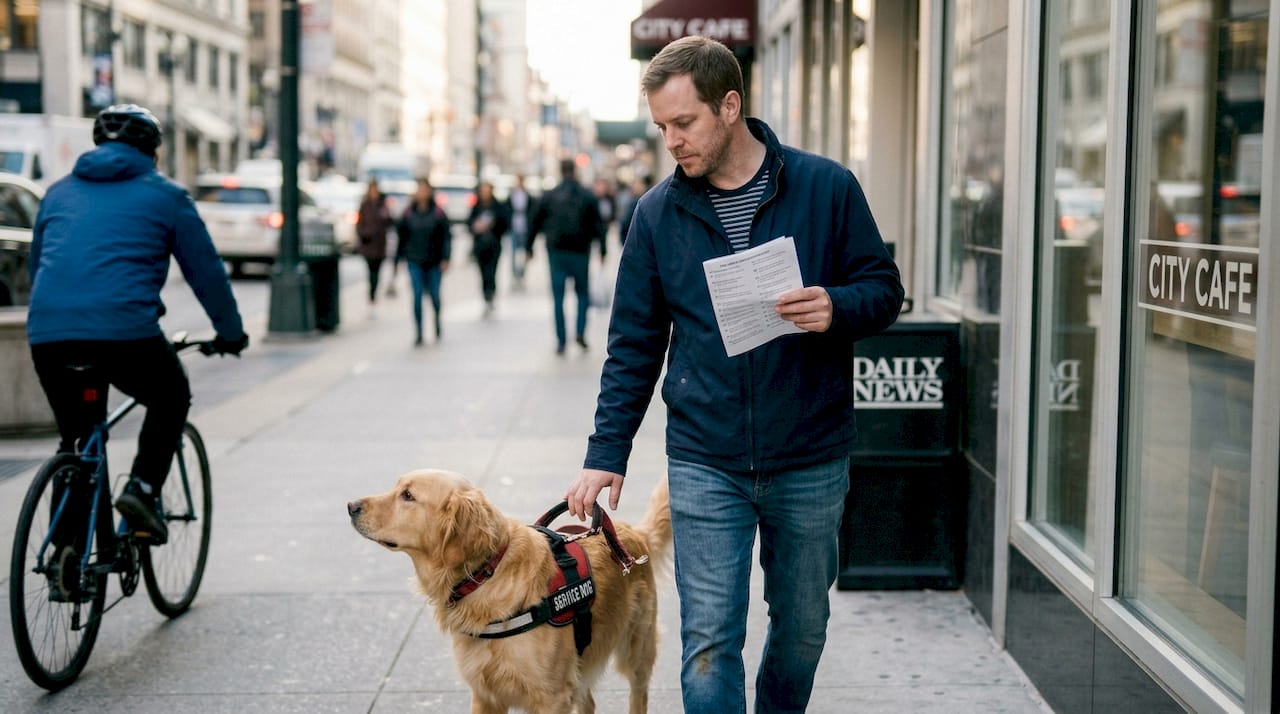
Service dog handlers face stigma, access denial, and discrimination that pet owners rarely encounter. Fraudulent emotional support animals have created public skepticism that bleeds into how legitimate service teams are treated. This creates a stressful environment that directly affects a dog’s ability to perform.
The main obstacles service handlers face include:
- Public distraction and unwanted interaction from strangers
- Access denial in businesses and public spaces
- Stigma and skepticism from bystanders and staff
- Communication overlap between task cues and general obedience
- Handler fatigue from constantly advocating for their rights
| Communication need | Service dog | Pet dog |
|---|---|---|
| Precision of cues | Critical, life-safety level | Helpful but flexible |
| Public distraction proofing | Essential | Optional |
| Task-specific commands | Required | Rarely needed |
| Handler advocacy knowledge | Necessary | Not applicable |
Structured training improves communication performance by 40 to 60% compared to informal methods. Positive reinforcement paired with clear, consistent structure is not just kinder. It is measurably more effective. Understanding service dog handler challenges and staying current on service dog protocol gives handlers the tools to maintain clear communication even in hostile or chaotic environments.
Public misunderstanding does not just inconvenience handlers. It actively undermines the dog’s ability to focus, creating a ripple effect that compromises safety.
Why true communication is more than commands: What most guides miss
Putting all the pieces together, there is a deeper lesson most dog guides overlook. The entire conversation around dog communication gets framed as a one-way street: you give commands, your dog obeys. But real communication is two-way, and the moment you start treating it that way, everything changes.
The common assumption is that adding more commands, more repetitions, or more technology will fix a communication breakdown. In our experience, the opposite is often true. The handlers who see the biggest breakthroughs are the ones who stop talking and start observing. They notice when their dog is stressed before the stress escalates. They adjust their approach based on what the dog is communicating, not just what they want the dog to do.
Mutual trust is not a soft concept. It is a functional training variable. A dog who trusts their handler responds faster, generalizes better, and recovers quicker from mistakes. Building that trust requires emotional clarity on the handler’s side, which means managing your own stress, staying consistent, and sometimes choosing a gentle touch over a verbal command.
Exploring advanced service dog training through this lens, where listening goes both ways, produces results that command-focused methods simply cannot replicate. The dogs who perform best are not the most obedient. They are the most connected.
Take your dog’s communication to the next level
Ready to apply these insights and strengthen your bond? At iPupPee, we build tools and resources specifically for dog owners and service dog handlers who need communication that works when it matters most.
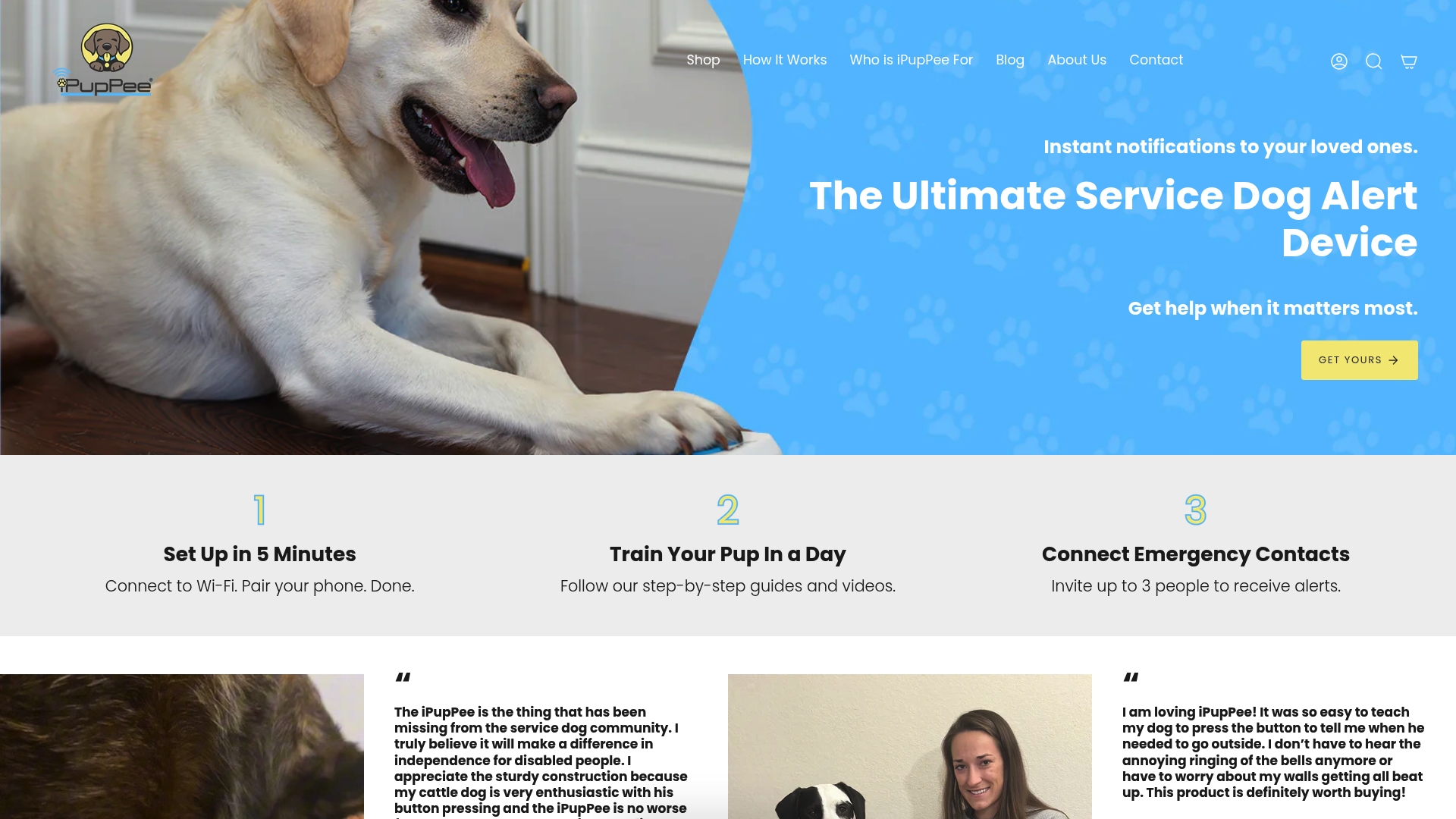
Our advanced dog training resources are grounded in the same evidence-based principles covered in this article, from reading body language accurately to choosing the right audio tools for your situation. If you want to go deeper on any of these topics, our dog communication strategies guide is a practical next step. Whether you are managing a service dog partnership or building better habits with a new puppy, we are here to help you move from confusion to clarity.
Frequently asked questions
What are the main obstacles to effective communication with my dog?
The main obstacles include mismatched signals across channels and inconsistent training during adolescence, along with poor sound quality in tech tools, breed differences, and failure to generalize commands to new environments.
How can I improve communication with my service dog in public?
Use consistent, positive training and prepare for stigma by learning your rights. Service dog handlers face access denial, and knowing your advocacy tools keeps both you and your dog focused under pressure.
Are technology tools like talking buttons effective for dogs?
They can help in the right context, but AIC buttons reduce response accuracy to 30% compared to direct human speech, so always pair button use with your live voice for critical cues.
Why does my dog “forget” training during adolescence?
The adolescent phase between 5 and 18 months involves brain rewiring and hormonal shifts that compete with learned behaviors. Expect rebellion in adolescence and respond with shorter, more frequent sessions rather than longer, more demanding ones.
How should I adjust my approach for different dog breeds?
Cooperative breeds improve with ostensive cues like eye contact and vocal praise, while independent breeds need more dynamic, engaging strategies that tap into their natural problem-solving drive.