

For many American service dog handlers, simple daily routines often turn complicated by misunderstandings, questions, and unexpected barriers. These situations can leave handlers feeling isolated and unsure, even when their service dog is by their side. Addressing these unique challenges calls for more than just dedication; it requires knowledge, training, and the right technology. In this overview, discover practical solutions and communication strategies designed to strengthen your teamwork and safeguard your independence.
Table of Contents
- What Service Dog Handler Challenges Entail
- Communication Hurdles And Misunderstandings
- Legal Rights, Access, And Denials
- Managing Public Interactions And Stigma
- Training, Safety, And Technology Solutions
Key Takeaways
| Point | Details |
|---|---|
| Social Barriers | Service dog handlers often face discrimination and misunderstandings that hinder their quality of life and professional opportunities. |
| Legal Rights | Navigating complex legal protections and access issues is crucial for service dog handlers to maintain their rights and dignity. |
| Communication Hurdles | Clear communication strategies can help handlers educate the public about their service dogs, fostering better interactions. |
| Technology Solutions | Implementing advanced training and safety technologies can enhance the effectiveness and independence of service dog partnerships. |
What Service Dog Handler Challenges Entail
Service dog handlers encounter complex challenges that extend far beyond simply training and caring for their working companions. Interdisciplinary research highlights significant gaps in understanding the multifaceted experiences of individuals relying on these remarkable animals for daily independence.
These challenges manifest in several critical domains that impact a handler’s quality of life and professional opportunities:
- Social Barriers: Persistent discrimination and misunderstandings about service dog roles
- Professional Integration: Limited employer awareness and workplace accommodation
- Public Interaction: Navigating complex social dynamics and public misconceptions
- Legal Rights: Managing complex legal protections and potential access challenges
Handlers frequently face systematic obstacles in employment and social recognition, which can significantly impede their ability to leverage the full potential of their service dogs. These challenges range from subtle social prejudices to direct exclusionary practices that can undermine a handler’s sense of autonomy and dignity.
Moreover, the emotional labor involved in constantly educating others about service dog etiquette and legal rights creates an additional layer of psychological stress. Handlers must develop remarkable resilience, communication skills, and self-advocacy to successfully navigate these complex interpersonal landscapes.
Pro tip: Develop a concise, confident elevator pitch explaining your service dog’s specific role to help manage public interactions and reduce potential misunderstandings.
Here’s a summary of common service dog handler challenges and practical strategies:
| Challenge Area | Main Obstacle | Effective Strategy |
|---|---|---|
| Social Barriers | Discrimination, stereotypes | Public education, confidence |
| Workplace Integration | Lack of awareness, denial | Legal knowledge, assertiveness |
| Public Interaction | Misunderstandings, questions | Polite scripts, boundary setting |
| Legal Rights | Access denial, enforcement gap | Carry documentation, know ADA |
Communication Hurdles and Misunderstandings
Service dog handlers frequently navigate a complex landscape of social interactions complicated by widespread misunderstandings about their animals’ essential roles. Public misinterpretation creates significant communication barriers that can dramatically impact a handler’s daily experience and sense of social belonging.
These communication challenges typically manifest through several critical dimensions:
- Invisible Disability Skepticism: Doubting the legitimacy of service dogs for non-obvious disabilities
- Intrusive Questioning: Inappropriate and invasive inquiries about a handler’s medical condition
- Social Stigma: Experiencing judgment or discrimination in public spaces
- Emotional Labor: Constant need to educate and explain service dog purposes
The psychological toll of these repeated misunderstandings can be profound. Research reveals persistent social isolation resulting from these communication breakdowns, which can significantly erode a handler’s confidence and willingness to engage in public interactions.
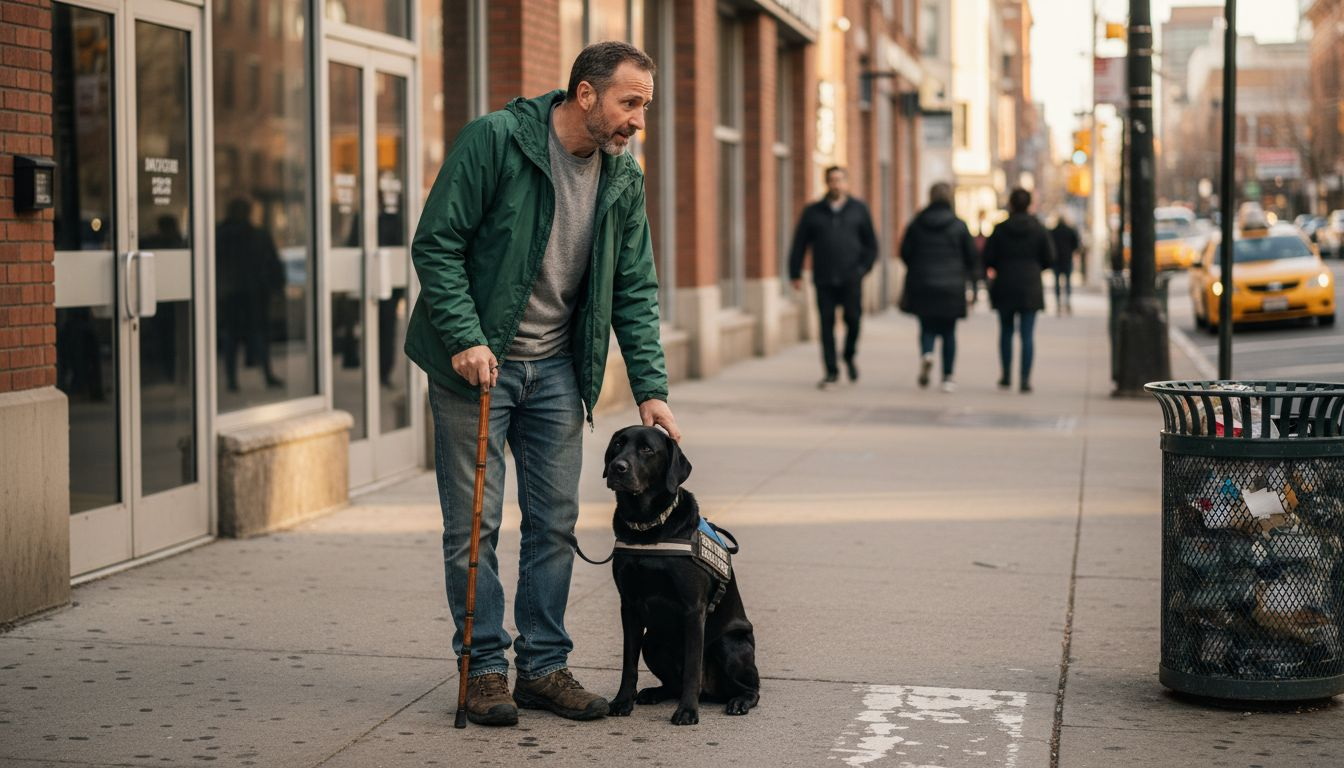
Understanding and addressing these communication hurdles requires a multifaceted approach that involves public education, empathy, and clear, concise communication strategies. Handlers must develop resilient communication techniques that balance assertiveness with patience, enabling them to navigate complex social scenarios effectively.
Pro tip: Prepare a brief, straightforward explanation about your service dog’s specific function to help manage unexpected interactions and reduce potential misunderstandings.
Legal Rights, Access, and Denials
Service dog handlers confront a complex legal landscape where protection and discrimination intersect unpredictably. Legal recognition remains inconsistent worldwide, creating significant challenges for handlers seeking equal access and accommodation.
The primary legal challenges include:
- Public Space Access: Navigating venues that illegally restrict service dog entry
- Employment Rights: Ensuring workplace accommodations and preventing discrimination
- Housing Accommodations: Protecting against unreasonable rental restrictions
- Transportation Accessibility: Guaranteeing seamless travel with service dogs
- Medical Facility Entry: Maintaining rights to accompany service dogs in healthcare settings
Widespread access denials persist despite existing legal protections, highlighting critical enforcement gaps in disability rights legislation. These systemic barriers not only inconvenience handlers but also fundamentally challenge their autonomy and dignity.
Navigating these legal complexities requires handlers to be well-informed, assertive, and prepared to advocate for themselves. Understanding specific federal and state regulations, documenting interactions, and knowing precise legal recourse become essential survival skills for maintaining independence and protecting their civil rights.
Pro tip: Carry concise documentation about your service dog’s legal status and know the specific provisions of the Americans with Disabilities Act to confidently address potential access challenges.
Managing Public Interactions and Stigma
Navigating public spaces with a service dog requires strategic communication and emotional resilience. Handlers face significant social discrimination that challenges their dignity and independence, demanding sophisticated interpersonal skills and psychological preparedness.
Common challenging public interaction scenarios include:
- Invasive Questioning: Strangers demanding personal medical details
- Unsolicited Touching: People attempting to pet or distract the service dog
- Skeptical Looks: Judgment about disability legitimacy
- Verbal Confrontations: Challenging the handler’s right to access spaces
- Microaggressions: Subtle discriminatory comments or behaviors
Handlers with invisible disabilities experience heightened social scrutiny, creating additional layers of psychological stress. These encounters require handlers to develop emotional armor, communicative precision, and unwavering self-confidence.
Successful public interaction management involves proactive education, clear boundaries, and a commitment to personal dignity. Handlers must balance assertiveness with compassion, recognizing that many misunderstandings stem from genuine ignorance rather than malice.
Pro tip: Develop a concise, polite script for addressing inappropriate interactions that firmly communicates your boundaries while maintaining personal composure.
Training, Safety, and Technology Solutions
Service dog handlers require comprehensive strategies that integrate advanced training methodologies, safety protocols, and emerging technologies. Personalized training approaches are critical for handler success, recognizing the unique needs of each handler-dog partnership.
Key technological and training solutions include:
- Adaptive Training Techniques: Customized programs addressing specific disability requirements
- Communication Devices: Advanced alert and communication technologies
- Tracking Systems: GPS and real-time monitoring technologies
- Behavioral Modification Tools: Precision training equipment
- Safety Monitoring Devices: Wearable technology for continuous support
Global collaboration is essential for developing comprehensive assistance dog protocols, ensuring consistent training standards and technological integration. These multifaceted approaches aim to enhance handler independence while maintaining the highest levels of safety and performance.
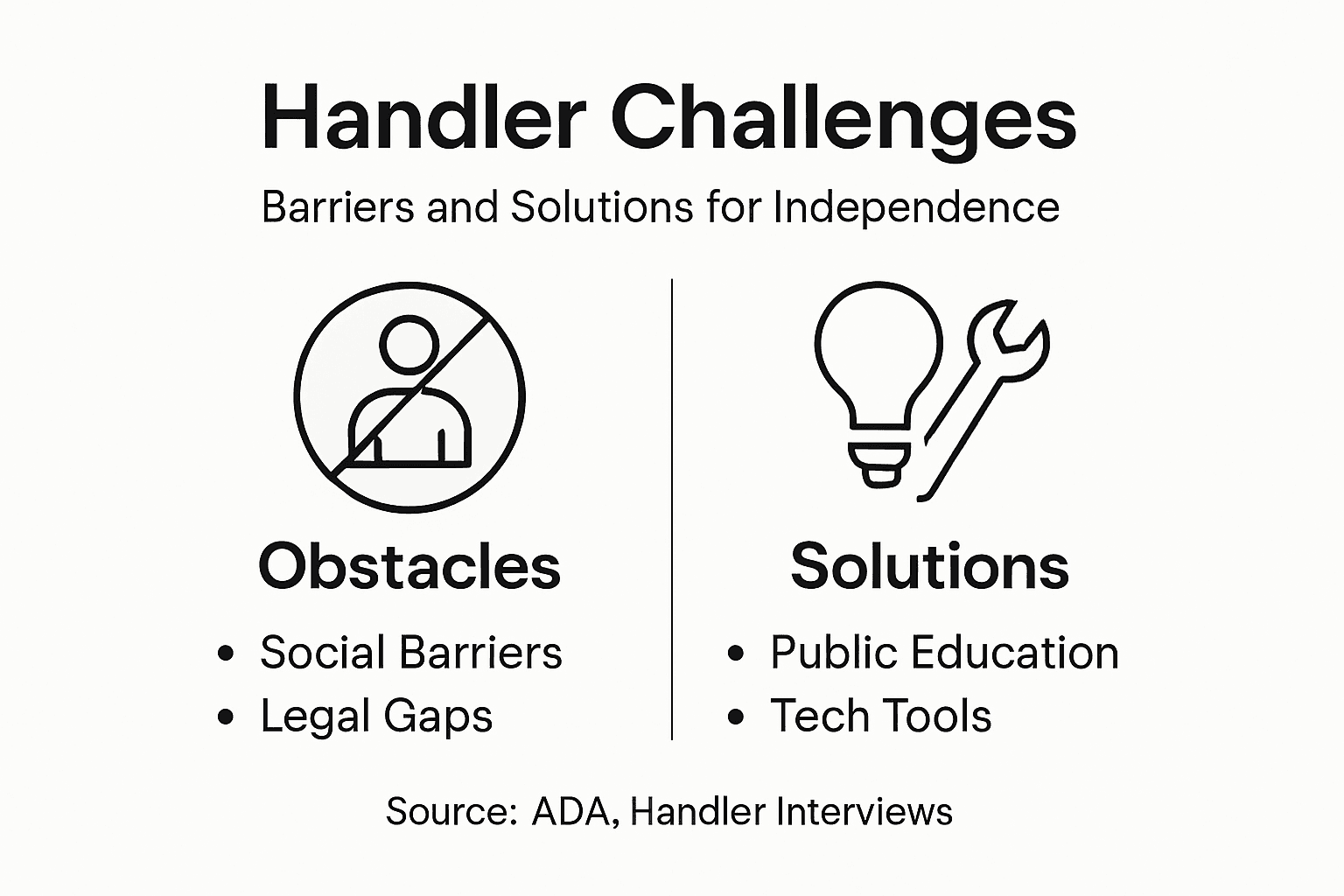
Successful implementation requires ongoing education, technological adaptation, and a holistic understanding of the complex dynamics between service dogs and their handlers. The integration of cutting-edge training methodologies with innovative technological solutions represents the future of service dog support.
Pro tip: Regularly update your service dog’s training skills and explore emerging assistive technologies to maximize your independence and partnership effectiveness.
These examples highlight how technology supports service dog handlers:
| Technology Tool | Primary Benefit | Example Application |
|---|---|---|
| GPS Tracking Device | Increases safety | Quickly locates lost service dog |
| Wearable Alert System | Enhances communication | Notifies handler of medical event |
| Custom Training Apps | Adapts to individual needs | Tailors training for handler’s task |
| Behavior Sensors | Monitors dog well-being | Tracks stress or health indicators |
Empower Your Service Dog Partnership to Overcome Daily Challenges
Service dog handlers face social barriers, communication hurdles, and legal complexities that can erode independence and confidence. The emotional labor of educating others and advocating for your rights adds extra strain. At iPupPee, we understand these unique struggles and offer innovative solutions designed to enhance communication and safety between you and your service dog. Our alert device acts as a clear, simple way for your dog to express needs, reducing intrusive questioning and increasing your autonomy.
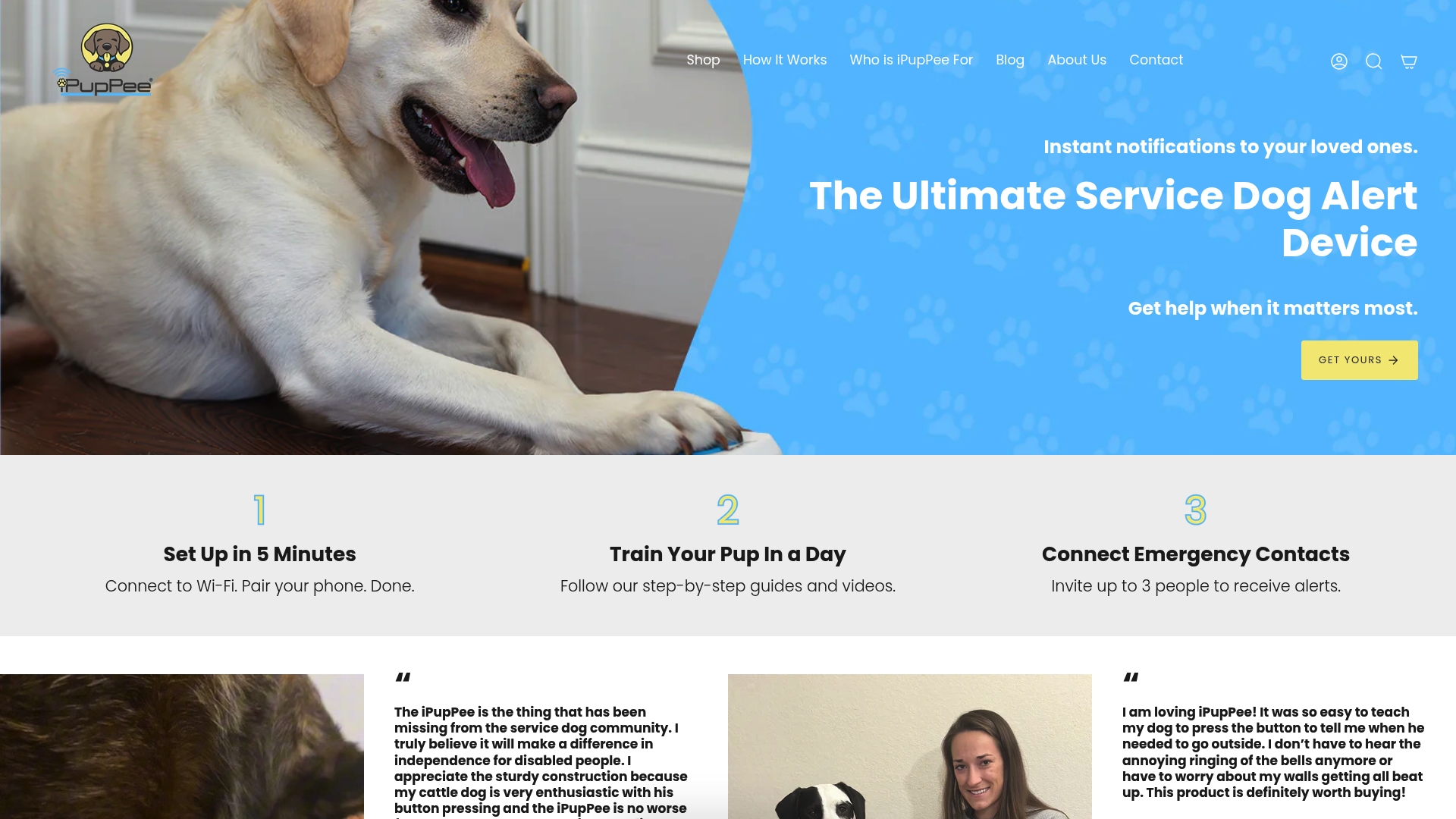
Take control of your service dog’s support role with technology tailored to your lifestyle. Visit iPupPee today to explore how our device can ease public interactions and boost your independence. Don’t wait to empower your partnership—discover practical tools and training guidance now at iPupPee.
Frequently Asked Questions
What are the main challenges faced by service dog handlers?
Service dog handlers face various challenges, including social barriers such as discrimination and misunderstandings, difficulties integrating into professional environments, public interaction hurdles, and navigating complex legal rights and access issues.
How can service dog handlers effectively manage public interactions?
Handlers can manage public interactions by preparing a concise script to calmly explain their service dog’s purpose, setting clear boundaries with the public, and practicing assertiveness while remaining patient with others’ inquiries.
What legal rights do service dog handlers have?
Service dog handlers have legal rights protected under laws such as the Americans with Disabilities Act, which ensures access to public spaces, workplaces, and housing accommodations while preventing discrimination.
What role does technology play in enhancing service dog handling?
Technology supports service dog handlers through devices like GPS tracking systems for safety, wearable alert systems for improved communication, and customized training apps that adapt training to specific needs, ultimately boosting independence and effectiveness.
Recommended
- Dogs and Disability Independence: Enhancing Daily Life – iPupPee
- Independence With Service Dogs: Complete Guide – iPupPee
- 7 Essential Dog Independence Tips for Service Dog Owners – iPupPee
- 7 Ways Dogs Impact Lives for Safety and Independence – iPupPee
- 7 Best Taxi That Takes Dogs Services in 2026 - Capital Cars