

Most people underestimate the careful steps it takes to shape a dependable service dog. Building these vital skills begins long before the first command is spoken. The process demands more than patience—it relies on preparation, clear communication, and proven training techniques. If you want your service dog to truly excel, you need a plan that covers everything from choosing the right tools to teaching professional-level tasks. Discover how to structure training for lasting results and a powerful partnership.
Table of Contents
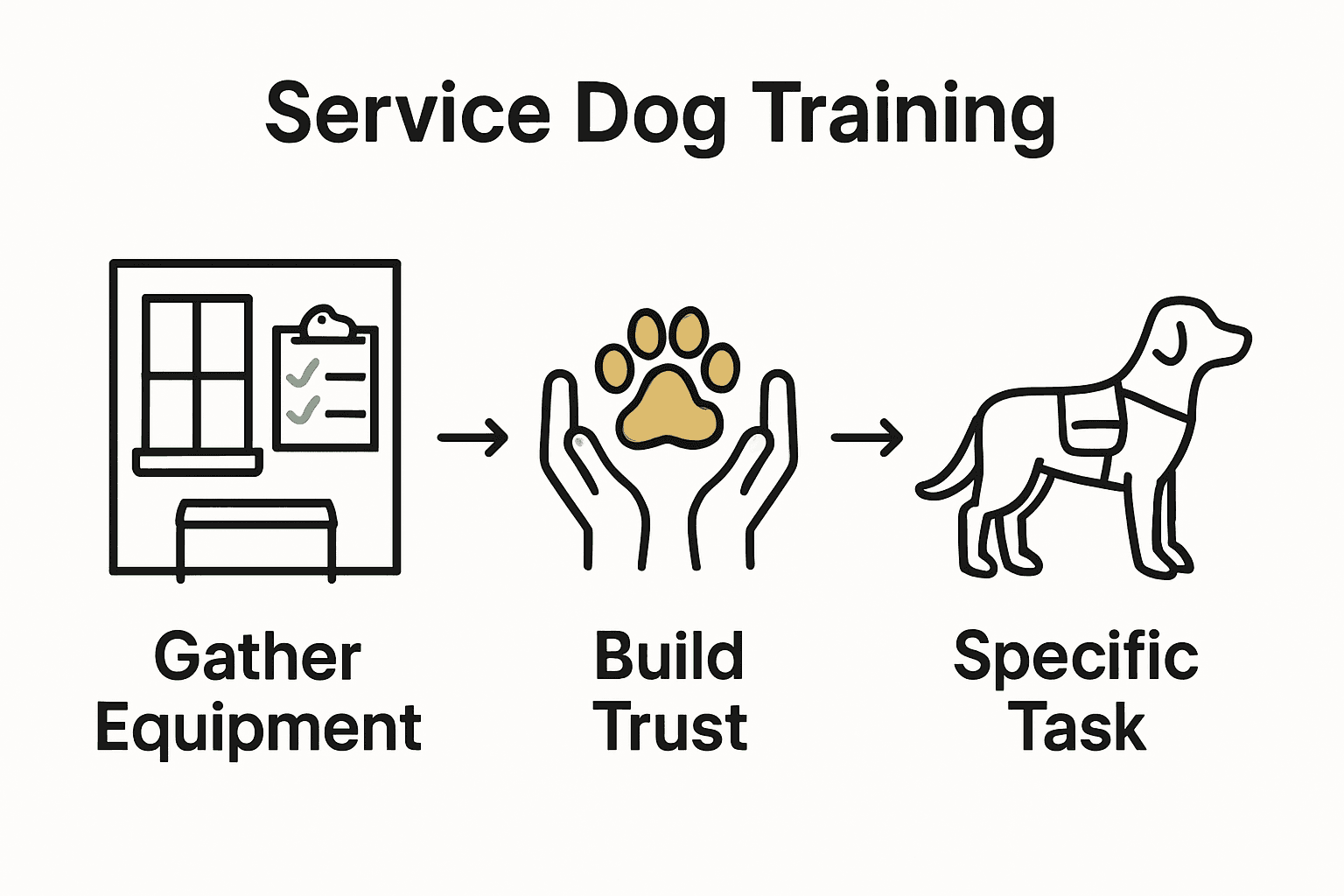
- Step 1: Prepare Your Environment And Gather Essential Tools
- Step 2: Build Trust And Establish Consistent Communication
- Step 3: Teach Foundational Commands Using Clear Cues
- Step 4: Incorporate Specialized Task Training For Assistance
- Step 5: Verify Performance In Realistic Everyday Scenarios
Quick Summary
| Key Point | Explanation |
|---|---|
| 1. Prepare training environment carefully | Choose a quiet, distraction-free area with essential tools for effective training sessions. |
| 2. Build trust with positive reinforcement | Use consistent rewards and calm interactions to foster a strong bond with your service dog. |
| 3. Teach clear foundational commands | Master basic commands using specific cues and consistent practice to establish reliable communication. |
| 4. Incorporate specialized task training | Break down specific tasks into smaller steps to develop skills tailored to your dog’s assistance needs. |
| 5. Verify performance in real-world settings | Gradually expose your dog to complex environments to ensure they can perform tasks reliably under various conditions. |
Step 1: Prepare Your Environment and Gather Essential Tools
Successful service dog training starts with strategic preparation and gathering the right equipment. According to RabbitGoo, trainers need specific tools to create an effective learning environment for their service dogs.
First focus on your training space. Choose a quiet area with minimal distractions where you and your dog can concentrate. Ideally, this space should be indoors initially a room with hardwood or tile floors works best for practicing commands. You will want to gather key training tools such as a comfortable identification vest, sturdy leash, training clicker, treat pouch, and high quality training treats. As Animal Behavior College recommends, having the right equipment makes each training session more structured and productive.
One critical pro tip is to organize your training tools before each session. Keep treats easily accessible, ensure your clicker is within reach, and have your dogs vest ready. This preparation helps maintain a smooth training flow and prevents unnecessary interruptions. As you progress through service dog training, you will gradually expand your toolkit based on specific assistance tasks your dog will perform.
Ready to move forward? The next step involves establishing foundational obedience skills that will become the cornerstone of your service dogs training journey.
Step 2: Build Trust and Establish Consistent Communication
Developing a strong bond and clear communication with your service dog is fundamental to successful training. ECAD1 highlights that service dogs are exceptional at interpreting nonverbal cues and understanding human communication through subtle signals.
To build trust, focus on positive reinforcement techniques. According to Medical Mutts, traditional dominance theories are outdated. Instead, create a partnership based on mutual respect and consistent rewards. Spend quality time together through gentle interactions, predictable routines, and calm training sessions. Pay attention to your dogs body language and emotional signals letting them know you understand and respect their needs.
One critical tip is maintaining emotional consistency. Dogs are incredibly perceptive to human emotions so your calm and confident demeanor will directly impact your dogs trust and willingness to learn. Speak in soft clear tones use gentle hand signals and reward even small successes. When you remain patient and supportive your service dog will feel secure and motivated to work closely with you.
Ready to advance? The next phase involves introducing specific communication signals and commands that will form the foundation of your service dogs professional skills.
Step 3: Teach Foundational Commands Using Clear Cues
Teaching foundational commands is crucial for developing a reliable and responsive service dog. Welcome Home Vets of NJ emphasizes the importance of mastering basic obedience commands like sit, stay, come, heel, and leave it as the cornerstone of effective service dog training.
Start by selecting a quiet training environment with minimal distractions. According to Animal Behavior College, consistent practice and clear cues are essential for developing appropriate behavior. Begin with simple commands using a calm voice and distinct hand signals. For each command break down the movement into small steps and reward your dog immediately after successful execution. Use high value treats and praise to reinforce positive behavior. Practice each command multiple times in short sessions to maintain your dogs engagement and prevent mental fatigue.
One critical training tip is maintaining consistency in your verbal and physical cues. Use the same word and hand signal every time you request a specific action. This helps your dog understand exactly what you expect and builds a clear communication pathway. Keep training sessions short typically 5 to 10 minutes and always end on a positive note with plenty of praise and rewards.
Ready to advance? The next phase involves practicing these commands in increasingly complex environments to ensure your service dog can perform reliably under various conditions.
Step 4: Incorporate Specialized Task Training for Assistance
Developing specialized task training transforms a well behaved dog into an exceptional service companion. Animal Behavior College emphasizes the critical process of combining foundational obedience skills with task specific training to meet unique handler requirements.
Begin by identifying the precise assistance tasks your service dog needs to perform. Welcome Home Vets of NJ recommends breaking down complex tasks into smaller manageable components. For psychiatric service dogs this might include interrupting anxiety episodes recognizing panic attack signs or providing grounding techniques. For mobility assistance dogs tasks could involve retrieving items opening doors or supporting balance. Start with one specific task and practice it systematically breaking the behavior into incremental steps. Use positive reinforcement reward your dog immediately when they complete even a small part of the task correctly.
One critical training insight is maintaining patience and understanding that specialized task training takes significant time and consistent practice. Each dog learns differently so customize your approach based on your dogs individual capabilities and learning style. Practice tasks in multiple environments gradually increasing complexity and distraction levels to ensure reliable performance. Always end training sessions on a positive note with plenty of praise and rewards to keep your dog motivated and engaged.
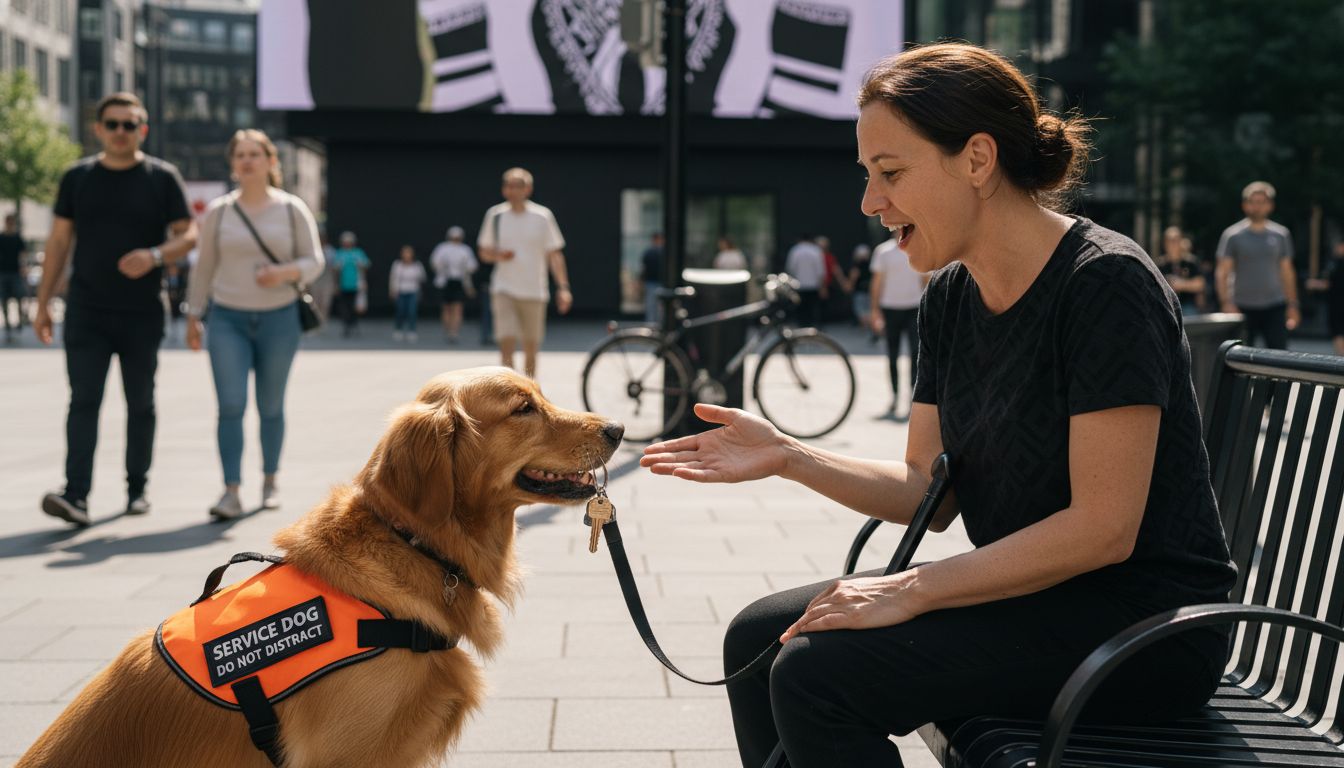
Ready to advance? The next phase involves proofing these specialized tasks under various real world conditions to guarantee your service dog can perform reliably when you need them most.
Step 5: Verify Performance in Realistic Everyday Scenarios
Preparing your service dog to perform consistently in real world environments is the ultimate test of training effectiveness. Animal Behavior College emphasizes the critical importance of public access training to ensure your dog can confidently navigate diverse settings while maintaining focus and professionalism.
Start by gradually exposing your dog to increasingly complex public environments. Poky Dogs recommends systematic exposure to different scenarios including shopping centers restaurants public transportation and crowded spaces. Begin with short controlled sessions and progressively increase duration and complexity. During these outings practice previously learned commands and specialized tasks while introducing controlled distractions. Your goal is to verify that your dog remains calm attentive and responsive regardless of environmental challenges. Pay close attention to your dogs body language and stress signals adjusting the training intensity if they show signs of becoming overwhelmed.
One critical training insight is maintaining a consistent and calm demeanor yourself. Dogs are incredibly perceptive to handler emotions so your confidence directly impacts their performance. Practice scenarios that mimic your typical daily environments ensuring your service dog can perform tasks seamlessly whether youre in a quiet grocery store or a bustling airport terminal.
Remember that generalization is key training success means reliable performance across multiple contexts not just in a controlled training environment.
Ready to advance? The final phase involves continuous learning and periodic skill refreshment to maintain your service dogs exceptional performance and adaptability.
Enhance Your Service Dog Training with Innovative Communication Tools
Training a service dog requires patience, clear communication, and consistent reinforcement of commands and specialized tasks as highlighted in the article “Expert Service Dog Training Tips for Effective Assistance.” One big challenge for handlers is ensuring their dogs can communicate effectively, especially in critical real-world scenarios where clear signals or alerts can make all the difference. Your goal is to build trust and reliability while supporting your dog’s ability to assist you confidently and safely.
Imagine empowering your service dog with an easy-to-use communication device that strengthens this bond and enhances safety. The iPupPee device available at iPupPee offers a simple button press that your dog can use to alert you instantly. This tool is designed specifically with service dogs and their handlers in mind helping to bridge communication gaps during training and everyday life. Whether you are refining foundational commands or teaching specialized tasks, the iPupPee provides an added layer of connection that supports independence and peace of mind.
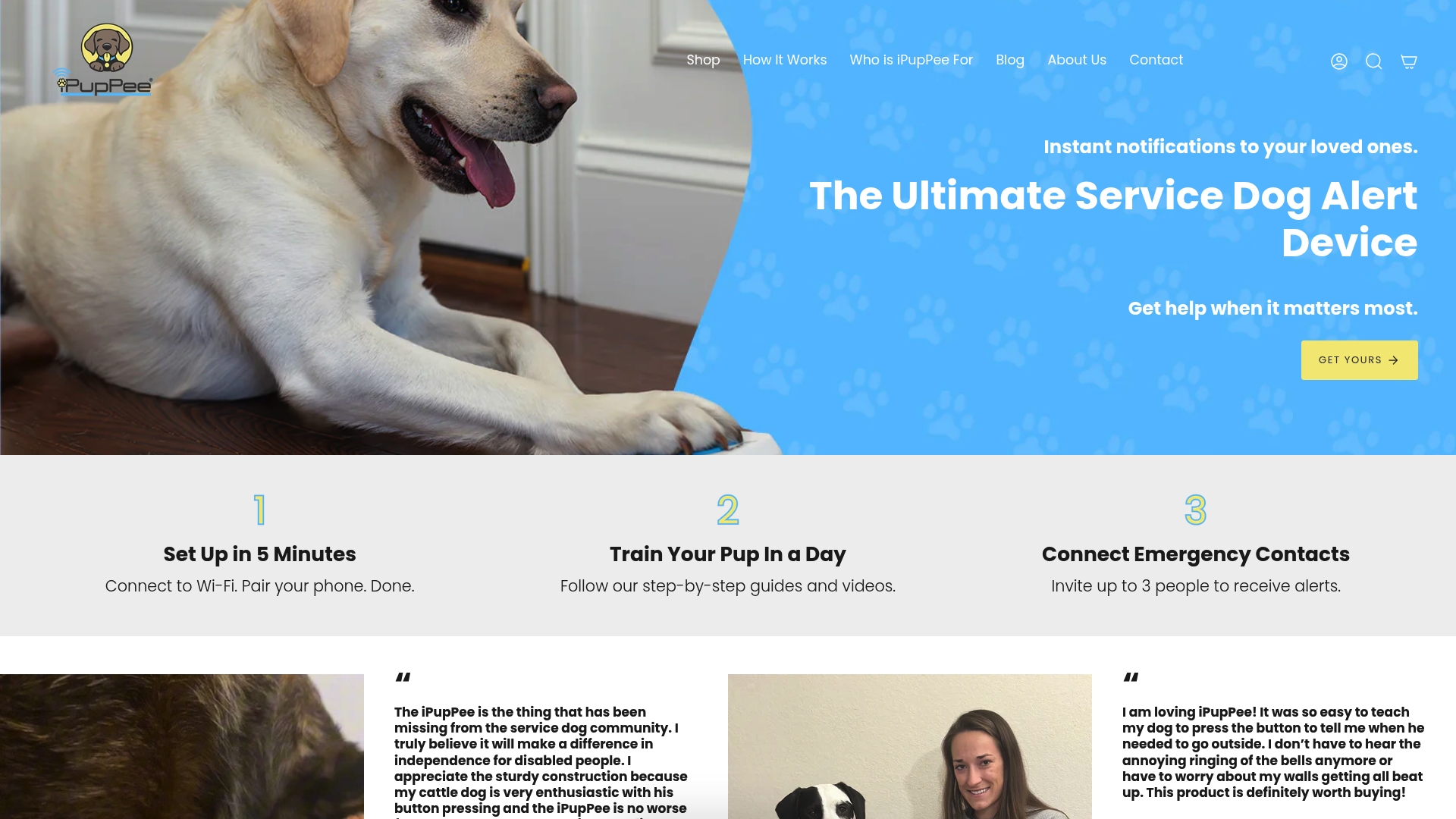
Take your service dog training further today by integrating support devices that foster trust and clarity. Visit the iPupPee homepage to explore how our product can complement your training routine and help your service dog perform confidently in any situation. Don’t wait to enhance your dog’s effectiveness and your own security with innovative solutions built for real needs.
Frequently Asked Questions
What tools do I need for effective service dog training?
Gather essential items like a comfortable vest, sturdy leash, training clicker, treat pouch, and high-quality treats. Organize these tools before each session to ensure a smooth training flow and minimize interruptions.
How can I build trust with my service dog during training?
Focus on positive reinforcement techniques and maintain emotional consistency. Spend quality time together through gentle interactions and predictable routines, as this will help your dog feel secure and motivated to learn.
What foundational commands should I teach my service dog first?
Start with basic obedience commands like sit, stay, come, heel, and leave it. Practice these commands consistently using clear cues, rewarding your dog immediately after they execute the command successfully.
How do I incorporate specialized task training for my service dog?
Identify specific assistance tasks your dog needs to learn, then break these tasks into manageable components. Use positive reinforcement to reward your dog for completing each part correctly, and practice in various environments to enhance reliability.
What is public access training and why is it important for service dogs?
Public access training prepares your service dog to perform tasks consistently in real-world settings. Gradually expose your dog to complex environments, practicing previous commands while maintaining focus amidst distractions.
How can I ensure my service dog remains responsive in diverse environments?
Practice previously learned commands and specialized tasks in various public settings to verify your dog’s performance. Pay attention to your dog’s body language, adjusting the training intensity as needed to keep them calm and engaged.