

Every dog owner worries about their pet’s safety, especially in busy environments or situations where vocal commands fall short. For those with service dogs or pets with sensory impairments, these concerns multiply. Advanced communication tools like haptic vests, GPS trackers, and audible beacons now offer practical solutions that enhance both safety and independence. This guide walks you through selecting, implementing, and maintaining these technologies to protect your dog while strengthening your partnership.
Table of Contents
- Understanding The Need For Advanced Safety Communication With Dogs
- Preparing To Use Technology: Tools And Considerations For Safety Enhancement
- Executing Safety Improvements: How To Integrate And Train With Dog Communication Devices
- Verifying And Maintaining Safety: Monitoring Effectiveness And Troubleshooting Common Issues
- Discover Innovative Dog Safety Technology At Ipuppee
- Frequently Asked Questions
Key takeaways
| Point | Details |
|---|---|
| Technology enhances safety | Advanced communication devices improve visibility, location tracking, and non-verbal signaling for dogs in challenging environments. |
| Haptic tools enable silent commands | Vibration-based vests allow handlers to communicate effectively with sensory-impaired dogs or in noisy settings. |
| Selection requires careful evaluation | Choose devices based on comfort, battery life, tracking range, and your dog’s specific needs for optimal results. |
| Training maximizes device effectiveness | Gradual introduction with consistent signals helps dogs understand and respond reliably to new communication methods. |
| Regular monitoring ensures ongoing safety | Assess device performance and troubleshoot issues to maintain reliable protection over time. |
Understanding the need for advanced safety communication with dogs
Traditional verbal commands and hand signals work well in many situations, but they have clear limitations. Dogs with hearing or vision impairments cannot reliably detect these cues. Noisy environments, long distances, or situations requiring discretion also reduce the effectiveness of standard communication methods.
Pet owners face several critical safety challenges:
- Lost pets during outdoor activities or in unfamiliar areas
- Limited visibility in low-light conditions or crowded spaces
- Inability to communicate effectively with sensory-impaired service dogs
- Delayed response times in emergency situations
These gaps create real risks. The Audible Beacon Safety Light enhances guide dog safety by combining visual and audible alerts, addressing visibility concerns that standard collars cannot solve. This type of technology bridges the communication gap when traditional methods fail.
“Technology does not replace the human-dog bond. It strengthens it by providing reliable communication channels that work in every environment.”
The need for advanced tools becomes especially urgent for service dog handlers who depend on their dogs for daily tasks and safety. When a handler cannot see or hear their dog’s signals, or when the dog cannot detect standard commands, both partners face increased vulnerability. How to improve dog safety becomes a priority that technology can effectively address.
Integrating communication devices into your dog’s routine creates backup systems that function regardless of environmental conditions. These tools enhance independence for both handler and dog while maintaining safety across diverse situations.
Preparing to use technology: tools and considerations for safety enhancement
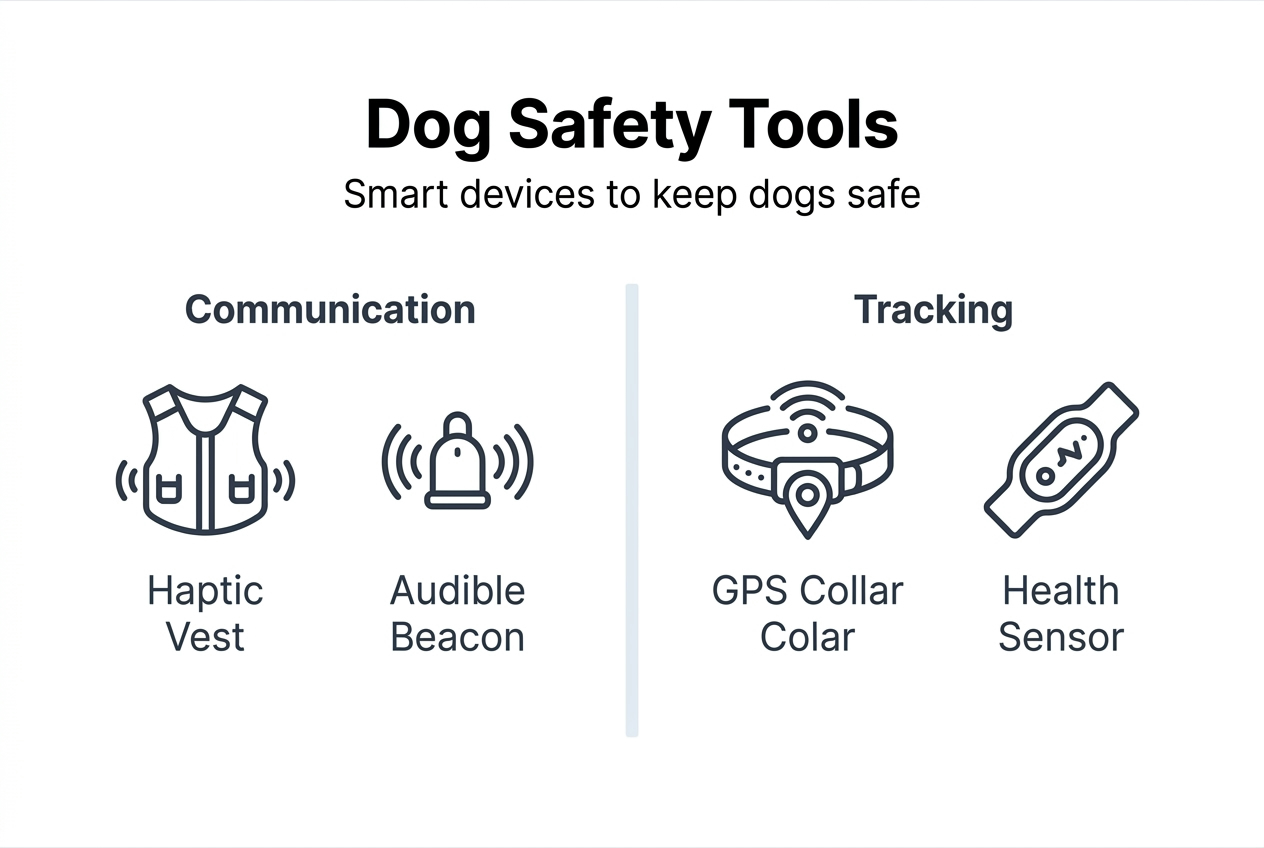
Selecting the right safety communication device requires understanding the available options and how they match your dog’s needs. Three main categories dominate the market: haptic communication tools, GPS tracking systems, and biosensing collars.
Haptic devices use vibration-based signals for silent communication, making them ideal for noisy environments or dogs with hearing impairments. These vests or harnesses deliver discrete commands through varying vibration patterns that dogs learn to associate with specific actions. They excel in situations where vocal commands would disturb others or fail to reach the dog.
GPS trackers monitor location in real time, helping you recover lost dogs quickly. When choosing a GPS tracker, consider size, battery life, tracking range, and subscription costs. These factors directly impact usability and long-term value.
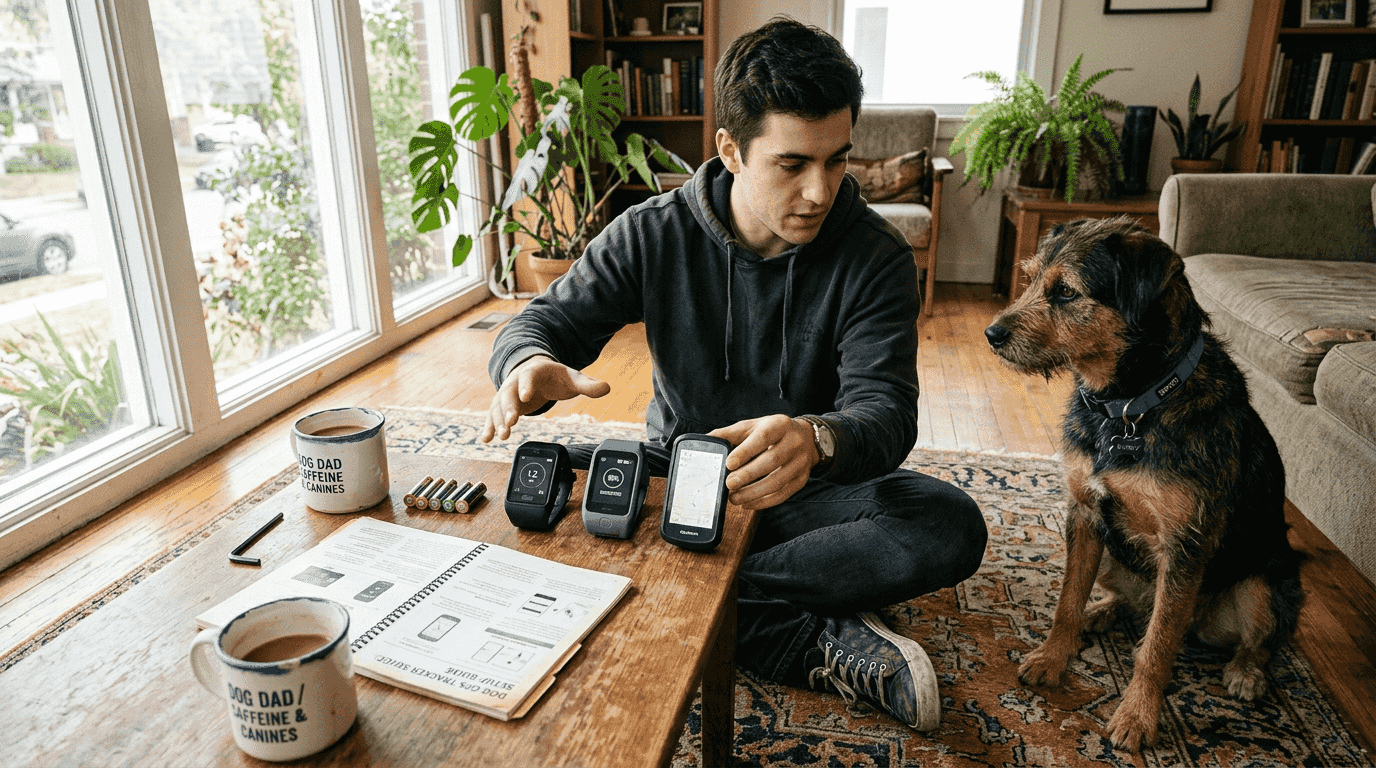
Biosensing collars monitor health metrics like heart rate and activity levels, alerting you to potential problems before they become serious. This proactive approach supports dogs with medical conditions or those performing demanding service work.
| Device Type | Primary Function | Best For | Key Consideration |
|---|---|---|---|
| Haptic Vest | Silent commands via vibration | Sensory-impaired dogs, discrete communication | Pattern complexity and training time |
| GPS Tracker | Real-time location monitoring | Active dogs, off-leash activities | Battery life and subscription fees |
| Biosensing Collar | Health metric monitoring | Medical conditions, performance tracking | Accuracy and comfort during wear |
| Audible Beacon | Visibility and sound alerts | Low-light conditions, crowded areas | Sound level and battery duration |
When evaluating devices, prioritize these factors:
- Comfort: The device must fit properly without causing irritation during extended wear
- Battery life: Longer battery duration reduces maintenance and ensures reliability
- Range: Consider how far from your dog you typically are during activities
- Durability: Weather resistance and build quality determine longevity
- Ease of use: Complex interfaces reduce effectiveness in urgent situations
Pro Tip: Test devices in controlled environments before relying on them in critical situations. This reveals usability issues and helps you understand the device’s limitations without putting your dog at risk.
Animal-centered design matters significantly. Devices that ignore canine anatomy or behavior patterns create discomfort, leading dogs to resist wearing them. Look for adjustable fits, lightweight materials, and designs that distribute weight evenly. Dog safety communication devices should enhance your dog’s experience, not burden it.
Subscription costs for GPS trackers can add up over time. Calculate annual expenses before committing to ensure the service fits your budget long-term. Some trackers require contracts while others offer month-to-month flexibility.
Executing safety improvements: how to integrate and train with dog communication devices
Successful device implementation depends on gradual introduction and consistent training. Rushing the process creates confusion and resistance, undermining the safety benefits you are trying to achieve.
Follow these steps to introduce communication devices effectively:
- Let your dog inspect the device while it is turned off, rewarding calm behavior with treats
- Place the device on your dog for short periods without activating it, building positive associations
- Introduce signals at low intensity once your dog accepts wearing the device comfortably
- Pair signals with known commands so your dog connects the new sensation with familiar actions
- Gradually increase signal complexity as your dog demonstrates understanding
- Practice in various environments to ensure reliability across different settings
- Reward correct responses immediately to reinforce the signal-action connection
Dogs can perceive and discriminate vibration-based signals, making haptic communication highly effective once properly trained. The key is consistency. Use the same vibration pattern for each command every time, avoiding variations that confuse your dog.
For GPS trackers, the training focus shifts to creating positive associations with wearing the device. Many dogs initially resist collar-mounted trackers due to unfamiliar weight or bulk. Counterconditioning helps: pair the tracker with high-value rewards and favorite activities until your dog anticipates good things when you bring out the device.
Pro Tip: Schedule training sessions when your dog is calm but alert, avoiding times when they are overly excited or tired. This mental state maximizes learning and retention.
Common training mistakes include:
- Moving too quickly through introduction phases
- Using inconsistent signal patterns
- Failing to reward correct responses promptly
- Training only in one environment
- Expecting immediate perfect performance
Consistent handler-dog communication requires you to understand your device thoroughly. Know which button triggers which signal, how to adjust intensity levels, and how to troubleshoot basic issues. Your confidence translates to clearer communication with your dog.
For service dog handlers, integrating training dogs for safety with communication devices creates redundancy that protects both partners. When one communication channel fails, others remain functional. This layered approach mirrors professional safety systems used in critical industries.
Gradual acclimation prevents negative associations that can permanently damage your dog’s willingness to wear safety devices. If your dog shows signs of stress like excessive panting, attempting to remove the device, or refusing treats, slow down the introduction process. Dog training safety tips emphasize reading your dog’s signals and adjusting accordingly.
Maintain detailed training logs documenting which signals your dog has mastered, which require more practice, and any patterns in their responses. This data helps you identify training gaps and track progress objectively.
Verifying and maintaining safety: monitoring effectiveness and troubleshooting common issues
Once your dog uses communication devices regularly, ongoing evaluation ensures they continue providing reliable safety benefits. Device performance and your dog’s response both require monitoring.
Assess effectiveness by tracking these metrics:
- Response time to signals compared to baseline
- Accuracy of responses in different environments
- Your dog’s comfort level during extended wear
- Battery life under actual usage conditions
- Signal clarity at various distances
Create simple tests that measure these factors monthly. For haptic vests, note how quickly your dog responds to each vibration pattern in quiet versus noisy settings. For GPS trackers, verify location accuracy by comparing reported positions with known locations.
Common device issues and solutions:
- Fit problems: Adjust straps or consider different size options if the device shifts during activity
- Battery drain: Replace aging batteries promptly and carry spares during extended outings
- Signal inconsistency: Check for damage to vibration motors or speakers and clean contact points
- Skin irritation: Use protective sleeves or limit wearing time until skin recovers
- Water damage: Verify waterproof ratings match actual exposure and dry devices thoroughly after wet conditions
The design of biosensing wearables faces challenges affecting accuracy and user acceptance, including insufficient adaptation to canine characteristics. This means even quality devices may require adjustments based on your individual dog’s anatomy and behavior.
| Monitoring Approach | Frequency | Focus Area | Best For |
|---|---|---|---|
| Response time tests | Weekly | Communication effectiveness | Haptic and audible devices |
| Location accuracy checks | Monthly | GPS precision | Tracking systems |
| Comfort assessments | After each use | Physical impact | All wearable devices |
| Battery performance logs | Ongoing | Power reliability | All electronic devices |
Device maintenance extends functional life and prevents failures during critical moments. Clean contacts, charge batteries fully, update firmware when available, and inspect for wear regularly. Store devices properly when not in use, protecting them from extreme temperatures and moisture.
Adapt your approach based on results. If your dog responds inconsistently to certain signals, return to basic training for those specific commands. If a device causes recurring comfort issues despite adjustments, consider alternative products designed differently.
Using technology with dogs for safety requires balancing innovation with your dog’s individual needs. Some dogs adapt quickly to new devices while others need extended acclimation periods. Neither response indicates failure; they simply require different implementation timelines.
Document everything in a maintenance log: battery replacements, firmware updates, fit adjustments, and observed issues. This record helps identify patterns and supports warranty claims if devices fail prematurely.
Schedule professional evaluations if you notice persistent problems you cannot resolve. Veterinarians can assess whether physical issues prevent comfortable device wear, while certified trainers can identify communication gaps in your training approach.
Discover innovative dog safety technology at iPupPee
Enhancing your dog’s safety through advanced communication tools requires both knowledge and access to reliable products designed specifically for canine needs.
At iPupPee, we focus on innovative solutions that strengthen the bond between dogs and their owners while prioritizing safety and independence. Our specialized communication devices help you stay connected with your dog regardless of environmental challenges or sensory limitations. Explore our dog safety communication devices blog for detailed guides on implementing these technologies effectively. Discover how using technology with dogs for safety creates peace of mind while supporting your dog’s natural abilities. Whether you need button-based alert systems or comprehensive safety solutions, our team provides personalized guidance to match devices with your specific situation.
Frequently asked questions
What are the most effective communication tools to improve dog safety?
Haptic vests, GPS trackers, and audible beacons each address different safety needs effectively. Haptic devices excel in silent communication scenarios, GPS trackers provide location monitoring, and audible beacons enhance visibility. The most effective choice depends on your specific situation, your dog’s characteristics, and the primary risks you want to mitigate.
How do haptic vests help dogs with sensory impairments?
Haptic vests enhance handler-dog collaboration by delivering vibration-based commands that work regardless of auditory or visual limitations. They enable reliable communication in noisy environments or with hearing-impaired dogs. The silent, discrete nature makes them ideal for service dogs working in public spaces where vocal commands would be disruptive.
What factors should I consider when choosing a GPS tracker for my dog?
Tracker size, battery life, tracking range, and subscription costs all impact long-term usability and value. Ensure the device fits comfortably without restricting movement or causing irritation. Evaluate whether the tracking range matches your typical activities and whether ongoing subscription fees fit your budget. Waterproofing and durability matter for active dogs who encounter various weather conditions.
How can I train my dog to respond to new safety communication devices?
Start with gradual introduction paired with positive reinforcement, allowing your dog to inspect and wear the device before activating it. Dogs perceive and discriminate vibration-based signals effectively when trained consistently. Use clear, consistent patterns paired with known commands, rewarding correct responses immediately. Practice in multiple environments to build reliability across different settings and gradually increase complexity as your dog demonstrates understanding.
How often should I check my dog’s safety communication devices?
Perform basic checks after each use, looking for visible damage and ensuring proper fit. Conduct thorough performance tests weekly for haptic and audible devices, monthly for GPS trackers. Replace batteries according to manufacturer recommendations or sooner if you notice reduced performance. Schedule professional evaluations if persistent issues arise that you cannot resolve through basic troubleshooting.