

Many dog owners believe a wagging tail always signals a happy dog, but research shows approximately 45% of owners misunderstand tail wagging context, leading to serious miscommunication. Misreading your dog’s signals creates safety risks and hampers effective care, especially for service dogs and senior pets. This guide teaches you to accurately interpret dog body language and leverage technology to enhance communication.
Table of Contents
- Introduction To Dog Body Language
- Key Body Language Signals And Their Meanings
- Reading Body Language In Senior Dogs And Service Dogs
- Common Misconceptions About Dog Body Language
- Using Body Language To Enhance Safety And Prevent Aggression
- Integrating Technology With Body Language For Better Communication
- Enhance Your Dog Communication With Ipuppee Technology
- Frequently Asked Questions
Key Takeaways
| Point | Details |
|---|---|
| Complex Communication | Dog body language includes postures, facial expressions, tail positions, and requires reading multiple signals together. |
| Common Mistakes | Misinterpreting tail wags and ignoring subtle stress cues leads to dangerous misunderstandings. |
| Special Attention Needed | Senior and service dogs display subtle pain and stress signals that demand close observation. |
| Technology Enhancement | Alert devices complement traditional body language reading for clearer communication. |
| Safety Improvement | Recognizing early warning signs reduces incidents and improves dog wellbeing significantly. |
Introduction to Dog Body Language
Dog body language encompasses all nonverbal signals dogs use to communicate their emotions, intentions, and needs. These signals include postures, facial expressions, tail positions, ear movements, eye contact, and vocalizations. Understanding these cues forms the foundation of effective daily communication with your dog.
Research confirms dogs primarily communicate through body language, with vocalizations playing a smaller supporting role. For service dog handlers and senior dog owners, accurate interpretation becomes even more critical. Early recognition of stress signals and comfort indicators directly improves your dog’s wellbeing and strengthens your bond.
Mastering body language reading helps you:
- Identify when your dog feels anxious, happy, or in pain
- Respond appropriately to prevent behavioral problems
- Enhance safety for everyone interacting with your dog
- Build deeper trust through better understanding
- Recognize subtle changes indicating health issues
Studies show formal training on stress signals improves detection accuracy by over 60%, demonstrating how education transforms your ability to understand canine communication. Service dog handlers particularly benefit from this enhanced awareness, as their dogs often work in challenging environments requiring constant monitoring.
The complete guide to dog communication provides additional insights into how dogs express themselves across various situations. Learning these fundamentals prepares you to interpret specific signals accurately.
Key Body Language Signals and Their Meanings
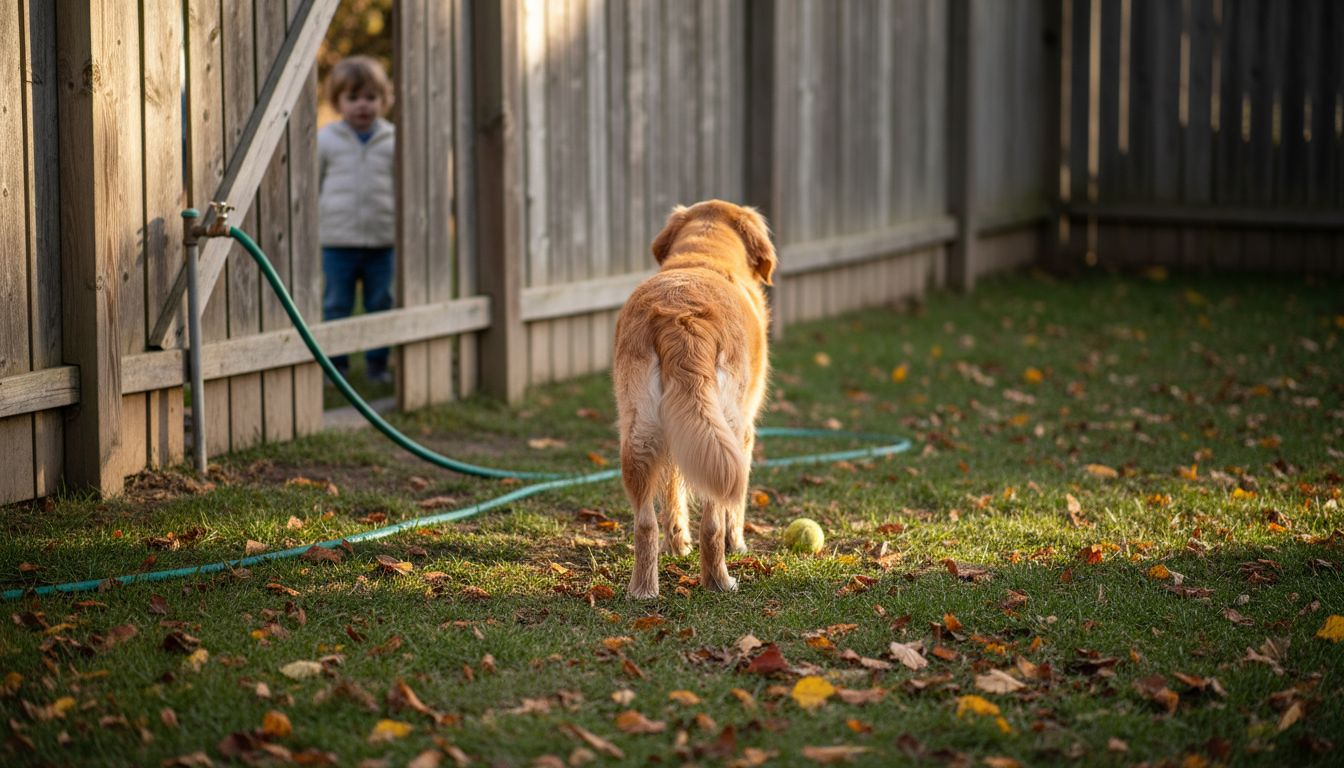
Interpreting individual signals requires understanding what each position and expression typically indicates. Tail positions reveal significant emotional information. A high, stiffly wagging tail often signals alertness or potential aggression, while a low or tucked tail indicates fear or submission. A relaxed, neutral tail with loose wagging generally means contentment.
Research demonstrates tail position greatly affects emotional meaning, with misreading tails causing over 60% of dog incidents. The speed and direction of wagging also matter. Fast wagging usually shows excitement, while slow wagging may indicate uncertainty.
| Signal Type | Relaxed/Happy | Stressed/Anxious | Aggressive/Alert |
|---|---|---|---|
| Tail | Neutral, loose wag | Low or tucked | High, stiff wag |
| Posture | Loose, relaxed stance | Crouched, tense | Forward lean, stiff |
| Eyes | Soft gaze | Whale eye (whites showing) | Hard stare |
| Ears | Natural position | Pinned back | Forward, erect |
| Mouth | Relaxed or slightly open | Lip licking, yawning | Closed, tense, teeth showing |
Facial expressions provide equally important clues. Whale eye occurs when a dog turns their head away while keeping eyes fixed on something, revealing the whites of their eyes. Studies indicate this reliable stress signal appears in 75% of dogs in new environments. Lip licking, yawning when not tired, and panting without exercise also signal anxiety.
Posture tells the complete story when combined with other signals:
- A crouched, lowered body suggests fear or submission
- Weight shifted forward indicates confidence or potential aggression
- Rolling over exposing belly shows trust or appeasement
- Play bow (front down, rear up) invites interaction
Pro Tip: Never rely on a single signal. Always observe tail position, facial expression, and body posture together for accurate interpretation. A wagging tail with pinned ears and whale eye indicates stress, not happiness.
Understanding dog emotional signals helps you recognize patterns in your dog’s communication style. Each dog has unique baseline behaviors, so learning your individual dog’s normal expressions improves accuracy.
Reading Body Language in Senior Dogs and Service Dogs
Senior dogs present unique challenges because age-related changes affect how they express themselves. Arthritis and reduced mobility limit their range of motion, making signals less obvious. A senior dog may not wag their tail vigorously due to joint pain, not because they lack enthusiasm.
Pain indicators in older dogs include:
- Limping or favoring certain legs
- Slow, stiff movements after rest
- Guarded posture protecting sore areas
- Reluctance to climb stairs or jump
- Changes in facial expression, appearing tense
- Increased sleeping or withdrawal
Research reveals senior dogs often mask pain with subtle cues, requiring handlers to watch closely for signs like limping, slow movements, and guarded postures. Early detection prevents suffering and allows prompt veterinary intervention.
Service dogs face different pressures that affect their body language. Working in public, encountering novel situations, and managing handler needs creates stress requiring careful monitoring. Common stress signals in service dogs include lip licking, paw lifting, yawning, tucked tail, and seeking escape routes.
Pro Tip: Document your senior or service dog’s baseline behaviors when relaxed. This reference helps you spot deviations indicating stress, pain, or discomfort quickly.
Studies confirm formal training improves handlers’ ability to detect stress in service dogs by over 60%, emphasizing the value of education. Understanding emotional signals in service dogs protects their welfare while maintaining performance.
Regular breaks, environmental management, and responsive handling based on body language reading keep working dogs healthy and effective. Recognizing when your service dog needs rest prevents burnout and maintains their quality of life.
Common Misconceptions About Dog Body Language
Several widespread myths prevent accurate interpretation and create dangerous situations. Addressing these misconceptions improves your communication skills immediately.
-
Myth: A wagging tail always means a happy dog. Reality: Research shows about 45% of owners misinterpret wagging tail context. Tail height, speed, and stiffness change the meaning completely. A high, fast, stiff wag often precedes aggression.
-
Myth: Vocalizations are the primary form of dog communication. Reality: Dogs rely predominantly on body language to express themselves. Barking, growling, and whining supplement visual signals but rarely convey complete information alone.
-
Myth: If my senior dog shows no obvious signs, they’re not in pain. Reality: Older dogs instinctively hide discomfort as a survival mechanism. Subtle changes like reluctance to move, altered gait, or facial tension indicate pain requiring attention.
-
Myth: Distinguishing playful from aggressive behavior is straightforward. Reality: Play and aggression share some signals like mouthing and chasing. Context, signal clusters, and whether both dogs show reciprocal play bows determine the true intent.
Accurate interpretation requires observing multiple signals simultaneously while considering the environment and your dog’s history. A single signal never tells the complete story.
Correcting these misunderstandings through education and practice transforms your ability to respond appropriately. The guide to creating dog communication signals offers strategies for clearer interaction once you understand what your dog naturally expresses.
Using Body Language to Enhance Safety and Prevent Aggression
Recognizing early warning signs of aggression protects everyone and prevents incidents from escalating. Dogs rarely bite without prior signals, though these warnings can pass quickly if ignored.
Key aggression indicators include:
- Stiff, frozen posture with weight forward
- Raised hackles along the back
- Hard, direct stare without blinking
- Closed mouth with tense facial muscles
- Growling or snarling (late-stage warning)
- Lunging or snapping at air
When you notice these signs, create distance immediately and remove your dog from the triggering situation. Never punish warning signals like growling, as dogs may skip warnings entirely next time and proceed directly to biting.
Pro Tip: Always consider environmental context and your dog’s baseline behavior when evaluating signals. A normally relaxed dog showing sudden tension deserves immediate attention, even if signals seem mild.
Training combined with body language awareness reduces dog bite incidents by 50%, demonstrating how education creates safer environments. Teaching your dog alternative behaviors and recognizing their stress early prevents dangerous situations from developing.
For service dog handlers and those with reactive dogs, understanding these principles becomes essential. The guide on dog communication for people with disabilities explores how body language reading supports safe public access work.
Prompt responses to stress cues prevent escalation. If your dog shows whale eye, lip licking, and a lowered body, they need help managing their emotions. Removing them from the stressor, providing space, and using calming techniques protects both your dog and others.
Integrating Technology with Body Language for Better Communication
While traditional body language reading forms the foundation of canine communication, modern technology offers valuable enhancements. Communication alert devices provide intentional signals that complement natural body language, creating clearer interaction channels.
These devices prove especially helpful for:
- Detecting subtle needs in senior dogs with limited mobility
- Identifying stress in service dogs working in demanding environments
- Providing clear communication for dogs with handlers who have visual or cognitive challenges
- Training dogs to communicate specific needs proactively
| Approach | Strengths | Limitations |
|---|---|---|
| Traditional Observation | Natural, no equipment needed, builds strong bonds | Requires constant attention, easy to miss subtle signals, interpretation varies |
| Device-Assisted Communication | Clear intentional signals, consistent meaning, aids detection | Requires training, technology dependence, doesn’t replace body language knowledge |
| Combined Method | Maximizes clarity, catches subtle and obvious signals, enhances safety | Initial learning curve, investment in devices and training |
Case studies demonstrate improved outcomes when handlers combine observation skills with communication technology. Service dog handlers report catching stress signals earlier, while senior dog owners appreciate clear alerts about bathroom needs or discomfort.
The guide to dog communication technology explores various devices and their applications. Understanding why training dogs for communication matters helps you implement these tools effectively.
Integrating devices requires ongoing body language training to interpret your dog’s complete communication repertoire. Technology augments your skills rather than replacing them. The guide for creating dog communication signals provides step-by-step instructions for teaching your dog to use alert devices alongside natural signals.
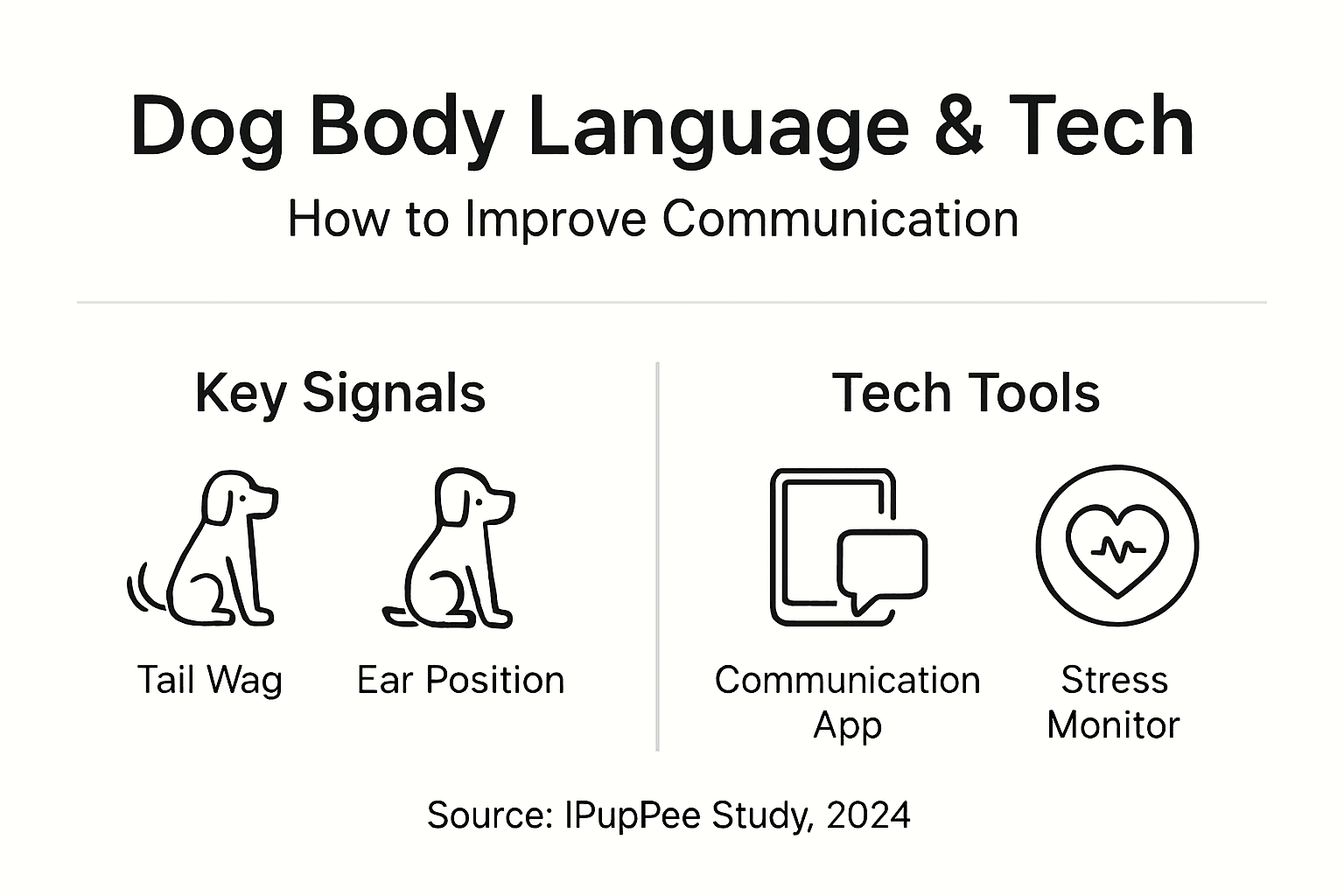
Successful integration involves gradual introduction, consistent reinforcement, and maintaining your observation skills. Dogs trained with both methods show increased confidence and reduced frustration because they have multiple ways to express their needs clearly.
Enhance Your Dog Communication with iPupPee Technology
Mastering body language reading opens new possibilities for understanding your dog, and iPupPee takes communication further. Our advanced alert devices help you catch needs and stress signals you might otherwise miss, especially valuable for service dogs and senior pets with subtle communication styles.
iPupPee devices complement your growing body language knowledge by providing clear, intentional alerts. Explore our communication technology solutions designed specifically for handlers who want maximum clarity. Our service dog handler essentials guide helps you create a complete communication system. Discover why pet communication matters for safety and how technology supports independence for handlers and dogs alike.
Frequently Asked Questions
How can I differentiate between happy and anxious tail wagging?
Happy wagging typically occurs with a neutral or slightly elevated tail position, loose movement, and relaxed body posture. Anxious wagging shows a lower tail, often faster or stiffer movement, combined with other stress signals like pinned ears, whale eye, or tense facial muscles. Always read the complete body, not just the tail.
What are the best ways to spot pain signals in my senior dog early?
Watch for subtle changes in movement patterns like slower rising, reluctance to climb stairs, or favoring certain legs. Facial tension, guarded postures protecting sore areas, and reduced enthusiasm for activities they once enjoyed indicate discomfort. Document baseline behaviors so deviations become obvious quickly.
What are the best practices for training a service dog using communication devices?
Start with clear, consistent training that pairs the device with specific needs like bathroom breaks or stress alerts. Combine device training with ongoing body language observation so your dog has multiple communication channels. Reinforce device use immediately and maintain regular practice sessions to keep skills sharp.
Can technology replace the need to learn dog body language?
No, technology enhances but never replaces body language knowledge. Devices provide intentional signals for trained behaviors, while natural body language reveals emotions, stress, and spontaneous needs. Effective communication requires both observation skills and technological tools working together for complete understanding.
How often should I reassess my dog’s baseline behaviors?
Reassess baseline behaviors whenever significant changes occur, such as aging, health issues, environmental moves, or new routines. For senior dogs, quarterly assessments help track gradual changes. Service dogs benefit from monthly checks to ensure stress isn’t accumulating. Regular documentation makes subtle shifts easier to identify.
Why do dogs yawn when they’re not tired?
Yawning serves as a stress signal and calming mechanism in dogs. When anxious or uncomfortable, dogs yawn to self-soothe and communicate their emotional state. Context distinguishes stress yawning from tiredness. If your dog yawns repeatedly in new environments or tense situations without being sleepy, they’re expressing anxiety.