

What are the signs of dog overexertion and how do you stop it fast?
Preventing dog overexertion starts with knowing what to look for before your dog hits a wall. The clearest warning signs include excessive panting, persistent limping, a flat-out refusal to keep moving, and gum color that shifts to deep red or purple. Paw pad injuries are another tell: raw or cracked pads mean your dog has already pushed past their physical limit.
When you spot any of these, stop the activity immediately. Move your dog to shade, offer cool water in small amounts, and let them rest on a cool surface. Check the paws for cuts, blistering, or swelling before you move on.
- Excessive panting that does not slow down after a few minutes of rest
- Limping or favoring a leg during or after exercise
- Refusal to continue walking, running, or playing
- Gum color changes to bright red, purple, or pale white
- Glazed eyes or disorientation suggesting heat stress
- Lagging behind on a walk when your dog normally leads
Pro Tip: Watch your dog’s ears and skin color, not just their breathing. When the pink returns to their ears and their panting settles, their heart rate and body temperature are coming back to normal. That’s your green light to move again, slowly.
Table of Contents
- What health risks come from pushing your dog too hard?
- How breed, age, and health shape your dog’s exercise limits
- How does summer heat affect your dog’s exercise safety?
- Is it overexertion, or is something else wrong?
- 10 proactive strategies to keep your dog safe during exercise
- Key Takeaways
What health risks come from pushing your dog too hard?
Overexertion is not just soreness the next morning. The physical consequences range from muscle strain and joint injuries to heatstroke and paw pad damage, and repeated episodes can chip away at long-term mobility. Research from the Royal Veterinary College found that excessive exercise accounts for the majority of heatstroke cases in dogs, a condition that can turn fatal within minutes.
Beyond heat, there are cardiovascular and respiratory risks. Dogs with undetected heart conditions or airway problems face compounded danger when pushed hard. Tufts University’s Cummings School of Veterinary Medicine notes that reduced exercise tolerance can be an early sign of underlying heart disease, meaning what looks like laziness may actually be a symptom.
- Heatstroke: A medical emergency requiring immediate cooling and veterinary care
- Muscle strains and tears: Often caused by sudden bursts of activity on unconditioned muscles
- Joint injuries: Repeated high-impact movement accelerates cartilage wear
- Paw pad burns and abrasions: From hot pavement or rough terrain
- Respiratory distress: Especially dangerous in flat-faced breeds
- Long-term mobility loss: Chronic overexertion can lead to lasting orthopedic damage
How breed, age, and health shape your dog’s exercise limits
No two dogs have the same exercise ceiling, and treating them as if they do is one of the most common mistakes owners make. Breed is the biggest variable. High-drive working breeds like Border Collies or Belgian Malinois genuinely need sustained daily activity, while brachycephalic breeds like Bulldogs or Pugs have airway anatomy that makes heavy exertion dangerous even on mild days.
Age matters just as much. Puppies have developing growth plates that can be permanently damaged by long runs or repetitive jumping. The American Kennel Club recommends several short sessions throughout the day rather than one long outing for young dogs. Senior dogs, on the other hand, often have arthritis or reduced cardiovascular reserve, so shorter, low-impact sessions protect their joints without sacrificing the mental and physical benefits of movement.
- Puppies: Multiple short play sessions daily; avoid sustained running until growth plates close (typically around 12–18 months depending on breed size)
- Adult dogs: Consistent daily exercise matched to breed energy level; consult your vet if a medical condition like hip dysplasia is present
- Senior dogs: Shorter walks, swimming, and gentle movement; watch for stiffness after rest as a sign of overdoing it
- Flat-faced breeds: Limit exercise in warm weather and watch breathing closely at all times
- Overweight dogs: Higher joint injury risk; gradual conditioning is critical before increasing intensity
How does summer heat affect your dog’s exercise safety?
Heat and humidity are the fastest route to a dangerous situation. Dogs cool themselves almost entirely through panting, which becomes far less effective when the air is already hot and humid. Exercising during cooler parts of the day, typically early morning or after sunset, and keeping water available at all times are the two most reliable prevention strategies in warm weather.
Pavement temperature deserves its own attention. If you cannot hold your bare hand flat on the asphalt for 5–10 seconds, it is too hot for your dog’s paws. Stick to grass, dirt paths, or shaded sidewalks when temperatures climb.
- Time your walks for before 8:00 AM or after 7:00 PM in summer
- Carry water and offer it every 15–20 minutes during activity
- Use cooling vests or wet towels on the neck and chest before and after exercise
- Avoid dark pavement and check surface temperature with your hand before walking
- Watch for dehydration signs: dry gums, sunken eyes, and skin that does not spring back when gently pinched
- Shorten sessions on high-humidity days even if the temperature seems manageable
Is it overexertion, or is something else wrong?
Some symptoms of overexertion overlap with signs of illness or injury, and telling them apart matters. A dog that collapses after a run likely needs immediate cooling and rest. A dog that collapses without obvious exertion may have a cardiac event, a neurological issue, or something like myasthenia gravis, a condition that causes progressive muscle weakness unrelated to exercise.
Recovery is your clearest diagnostic tool. A dog bouncing back to normal within 10–15 minutes of rest and water is likely fine. One that stays lethargic, vomits, has bloody stool, or cannot stand after resting needs a vet, not more time on the couch.
- Seek immediate veterinary care if: your dog collapses and does not recover quickly, gums stay pale or purple after cooling, vomiting or diarrhea follows exercise, or your dog shows signs of pain when touched
- Monitor closely for 24 hours after any suspected overexertion episode
- Keep your dog leashed and calm during recovery; no off-leash play until they are fully back to normal
- Note the context: did symptoms appear during or after exercise, or out of nowhere? That distinction helps your vet narrow down the cause
Immediate care after suspected overexertion means rest, cool water, shade, and a call to your vet if anything feels off. Do not wait to see if it gets worse.
10 proactive strategies to keep your dog safe during exercise
Prevention is mostly about consistency and paying attention. Dogs do not self-regulate well. They will keep chasing a ball until they drop, which means owners must set the limits that dogs will not set for themselves.
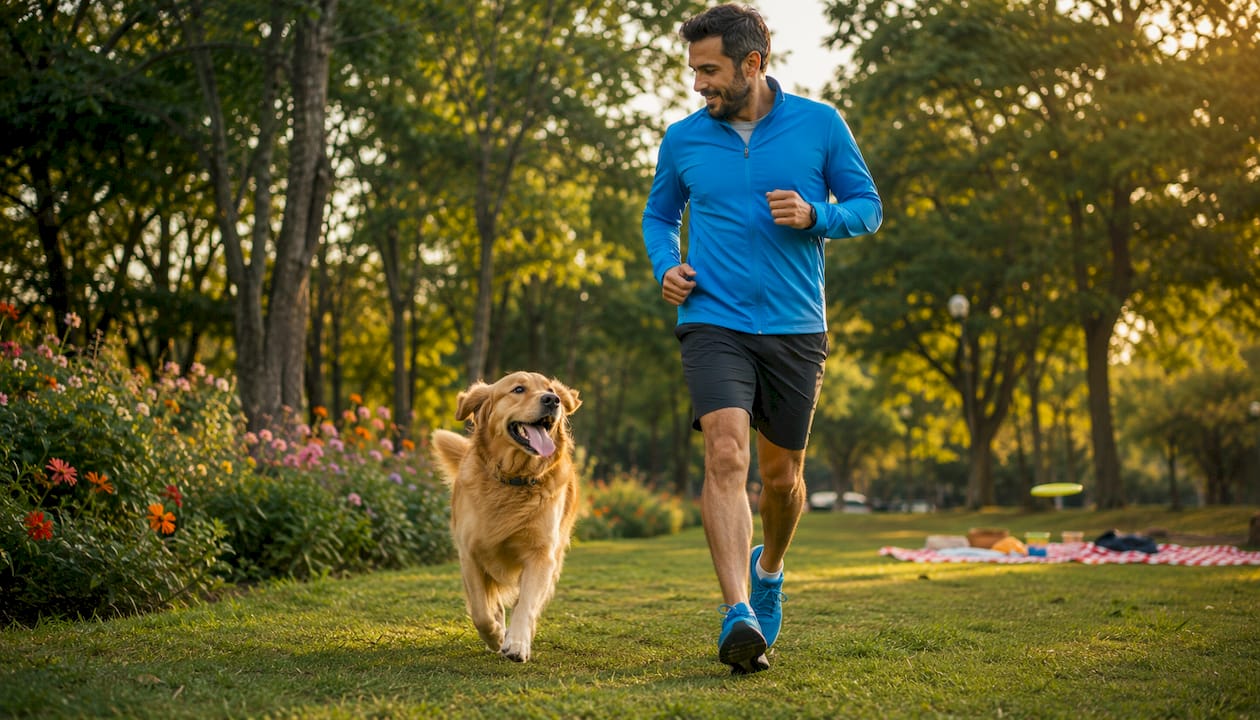
1. Build fitness gradually
Start with shorter, easier sessions and add duration or intensity slowly over weeks. The weekend warrior pattern, where a dog sits still all week and then runs hard on Saturday, is a reliable path to musculoskeletal injury. Daily moderate activity beats two intense weekend outings every time. For practical daily exercise tips, a structured approach makes a real difference.
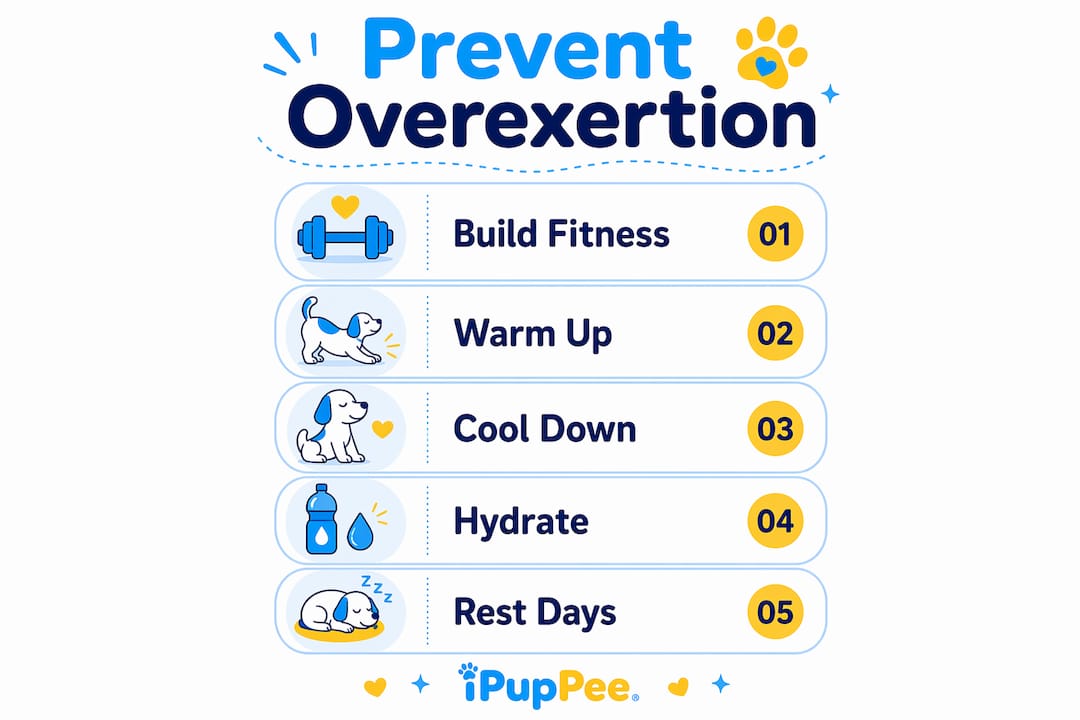
2. Always warm up before activity
A brisk 4–6 minute walk before any vigorous play gets blood flowing to muscles and raises body temperature enough to reduce tear risk. Cold muscles strain far more easily than warm ones. After the walk, a few sit-to-stands or gentle spins finish the job. The Canine Arthritis Resources and Education organization compares this directly to what human athletes do before training.
3. Cool down after every session
A slow, casual walk after play lets heart rate and breathing return to baseline naturally. End with a gentle bow stretch held for 10–15 seconds to help muscles return to their resting length. Skipping the cool-down leaves muscles contracted and shortens their effective range, raising injury risk the next time your dog moves hard.
4. Keep high-impact play controlled
Frisbee and jumping games are high-risk for joint trauma. Keep Frisbee throws at knee height or lower, or roll it along the ground instead. Teach your dog to wait in a sit before chasing a ball, releasing only when it has stopped moving. That one habit alone reduces neck, shoulder, and spine injuries from sudden lunging stops.
5. Check the ground before you go
Holes, roots, and uneven terrain cause sprains and fractures. Walk the play area before letting your dog loose, especially in unfamiliar parks. Slippery indoor floors are just as dangerous: rugs with nonslip backing placed near furniture landing zones cut the risk of leg slips and ligament tears.
6. Hydrate before, during, and after
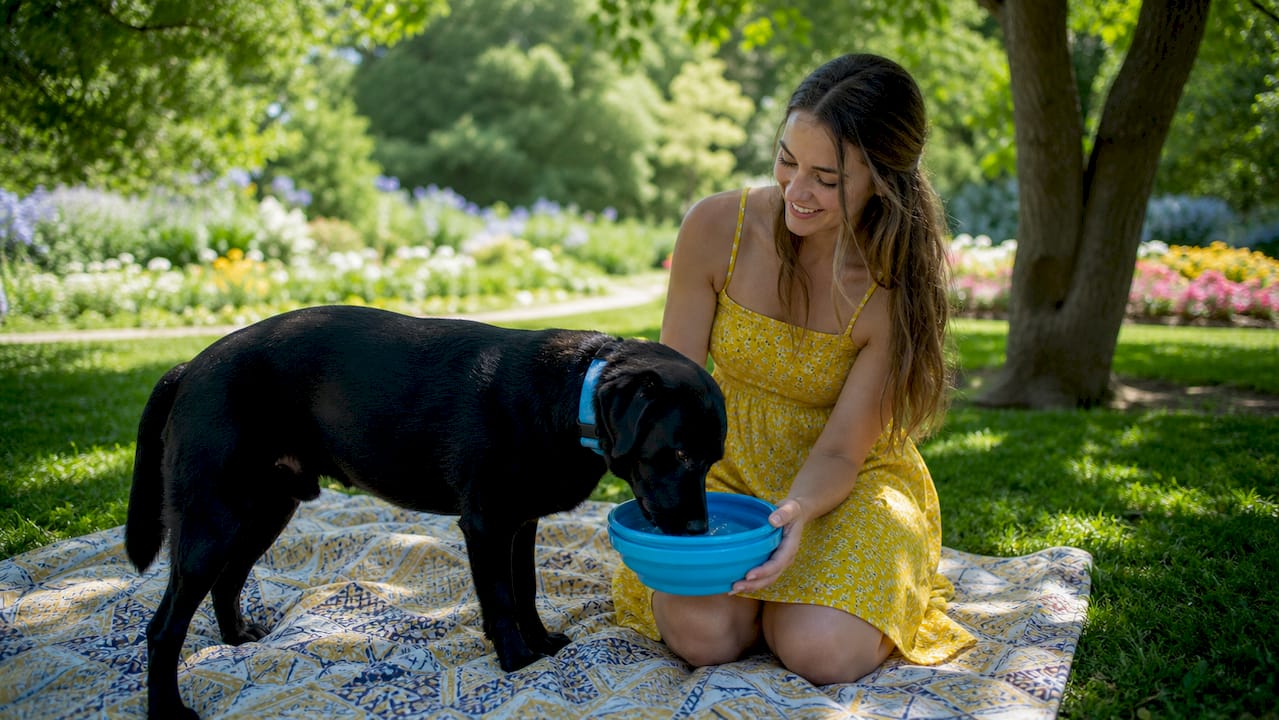
Offer water before you leave the house, every 15–20 minutes on the move, and immediately after returning. Dehydration compounds heat stress and makes muscles cramp faster. A collapsible travel bowl weighs almost nothing and removes every excuse not to carry water.
7. Schedule rest days
Active dogs need recovery time just like athletes do. One or two lighter days per week, with a short walk instead of a full workout, lets muscles repair and reduces cumulative joint stress. For senior dog exercise, rest days become even more critical as recovery slows with age.
8. Use mental stimulation to reduce physical load
Sniff walks, where you let your dog lead and smell everything, and puzzle feeders at home satisfy a high-drive dog’s need for engagement without the physical toll of a hard run. Mental stimulation through sniff walks and puzzle games is a legitimate tool for managing energy in dogs that would otherwise push past safe physical limits. For more ideas, Ipuppee’s guide on healthy dog habits covers low-impact enrichment options worth trying.
9. Know your dog’s baseline
Learn what normal looks like for your specific dog. How long does it usually take them to stop panting after a walk? What does their gait look like when they are fresh versus tired? Owners who know their dog’s baseline catch problems earlier than those relying on generic guidelines alone.
10. Work with your vet on a personalized plan
Generic exercise guidelines are a starting point, not a prescription. If your dog has a known condition, is overweight, or is recovering from an injury, a vet or canine rehabilitation specialist can build a plan that matches their actual capacity. For managing exercise for high-energy dogs, professional guidance makes the difference between progress and setback.
Pro Tip: Rotate between physical exercise and mental enrichment throughout the week. A dog that gets puzzle time on Tuesday needs less of a physical outlet on Wednesday, which naturally spaces out the intensity and keeps cumulative fatigue from building.
Key Takeaways
Preventing dog overexertion comes down to reading your dog accurately, setting consistent limits, and building fitness the same way you would for any athlete: gradually, with recovery built in.
| Point | Details |
|---|---|
| Know the warning signs | Excessive panting, limping, gum color changes, and refusal to move signal overexertion. |
| Match exercise to the individual | Breed, age, and health conditions determine safe duration and intensity, not generic rules. |
| Heat multiplies the risk | Exercise in cooler parts of the day and check pavement temperature before every walk. |
| Warm up and cool down every time | A 4–6 minute brisk walk before activity and a slow walk after protect muscles and joints. |
| Owners must set the limits | Dogs will not stop on their own; consistent, moderate daily activity beats sporadic intense sessions. |