

You watch your dog’s tail wagging enthusiastically as a stranger approaches, assuming everything is fine. But that stiff, rapid wag could signal stress or aggression, not happiness. Misreading these critical communication signals puts service dog handlers, seniors, and individuals with disabilities at risk. Understanding how dogs truly communicate transforms safety, deepens your bond, and empowers independence through accurate signal interpretation.
Table of Contents
- How Dogs Communicate: The Core Methods Explained
- Decoding Body Language: What Tail Positions And Movements Reveal
- Intentional Communication: How Dogs Adapt Signals To Their Human Partners
- Vocal Communication And Sound Symbolism: How Tone Influences Dog Responses
- Explore iPupPee For Proven Dog Communication Tools
Key takeaways
| Point | Details |
|---|---|
| Multiple communication channels | Dogs use body language, scent signals, and vocalizations to convey messages and emotions. |
| Tail signals require context | Wagging speed, direction, and position combined with body posture reveal true intent. |
| Dogs adapt intentionally | Canines modify showing behaviors based on their knowledge of what humans understand. |
| Vocal tone shapes responses | Pitch and prosody help dogs interpret commands faster and more accurately. |
| Safety depends on accuracy | Correctly reading signals prevents miscommunication that endangers handlers and their dogs. |
How dogs communicate: the core methods explained
Dogs rely on three primary communication channels to interact with humans and other animals. Body language includes posture, facial expressions, and tail movement, forming the foundation of visible canine communication. This visual channel provides immediate feedback about emotional states and intentions.
Scent signals convey identity, territorial boundaries, and reproductive status through pheromones and urine marking. While humans rarely perceive these chemical messages directly, they play a vital role in dog-to-dog interactions and environmental awareness. Understanding that your dog processes a rich scent landscape helps explain seemingly random sniffing behaviors.
Vocalizations like barks, whines, growls, and howls carry varied meanings depending on context. A single bark pattern can signal alert, excitement, fear, or demand. Dogs combine vocalizations with body language to create nuanced messages.
For effective communication, observe these channels together:
- Watch full body posture, not isolated signals like tail position alone
- Notice when vocalizations accompany specific body movements
- Recognize that scent-driven behavior affects your dog’s attention and responses
- Track patterns in your individual dog’s communication style
Mastering these foundational methods enables you to recognize your dog’s needs accurately. This knowledge becomes essential for service dog handlers who depend on clear communication for safety and task completion.
Decoding body language: what tail positions and movements reveal
Tail signals are frequently misunderstood, yet they provide crucial information about your dog’s emotional state and intentions. A stiff, slow wag can signal aggression or high alert rather than friendliness, contradicting the common belief that all wagging means happiness.
The direction and speed of tail movement reveal specific emotions. Dogs wag more to the right side when seeing something positive like their favorite person. They wag more to the left when uncertain or perceiving potential threats. A wide, circular “helicopter tail” indicates genuine friendly excitement with relaxed body posture.
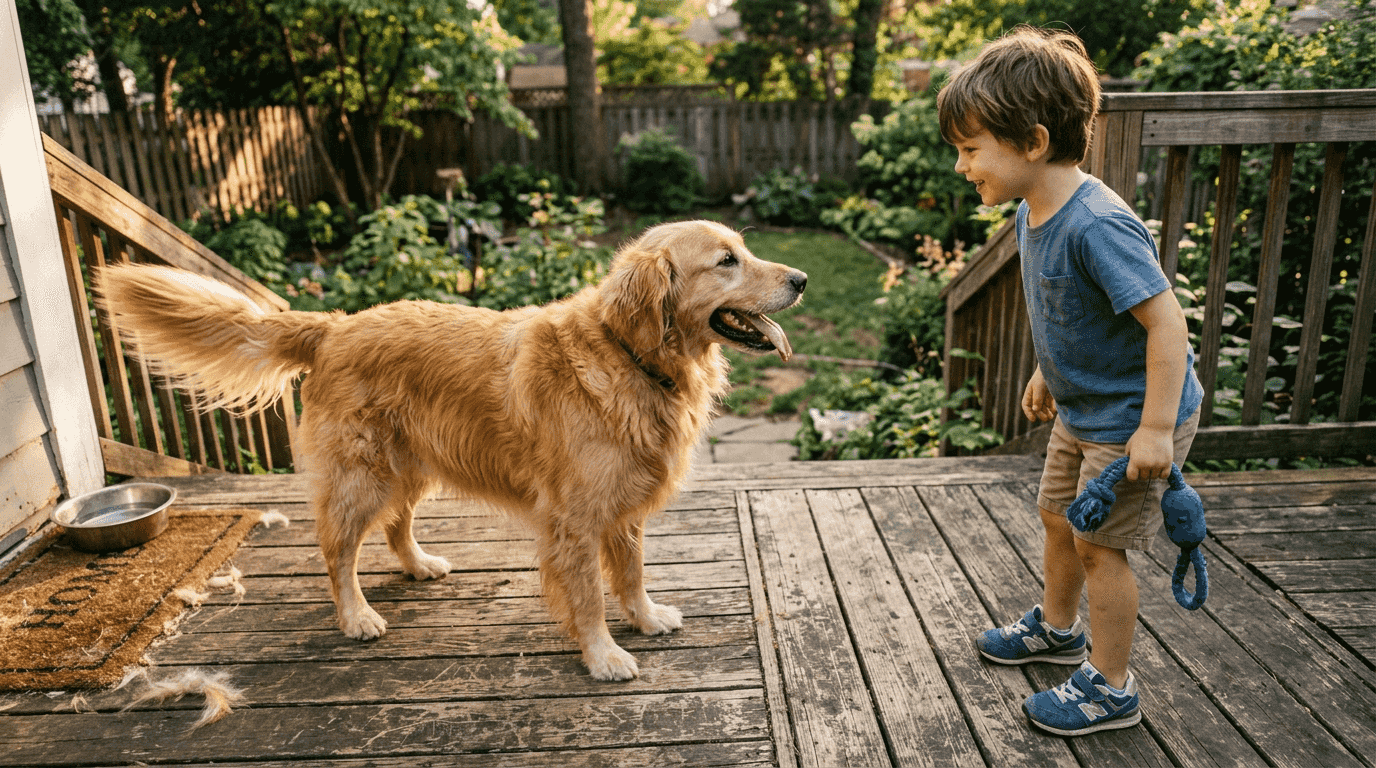
Tail position communicates different emotional states independent of wagging. High tails signal confidence or arousal, neutral horizontal tails indicate relaxation, and low or tucked tails reveal fear or submission. Combining position with movement provides the complete picture.
| Tail Signal | Emotional State | Body Context Required |
|---|---|---|
| Wide, loose wag | Happy, friendly | Relaxed muscles, open mouth |
| Stiff, slow wag | Alert, possibly aggressive | Tense body, direct stare |
| High, rapid wag | Excited, aroused | Forward lean, focused attention |
| Tucked under body | Fearful, submissive | Lowered head, averted gaze |
| Neutral, gentle sway | Relaxed, content | Soft eyes, loose posture |
Never interpret tail signals in isolation. A wagging tail paired with bared teeth, rigid muscles, or fixed staring indicates danger. The same wag with soft eyes and a relaxed mouth signals safety. Recognizing these combinations helps detect stress before situations escalate.
Pro Tip: Video your dog during different activities to identify their unique tail patterns. Compare relaxed play sessions with greeting strangers to build a personal reference guide for your dog’s signals.
Intentional communication: how dogs adapt signals to their human partners
Dogs don’t just react instinctively, they purposefully modify communication based on what they believe their human understands. Research shows dogs exhibit gaze alternation and showing behaviors when their owner lacks knowledge of something important like food location or potential danger.
This intentional signaling demonstrates dogs’ sophisticated social cognition. They assess whether their human partner is cooperative and knowledgeable before choosing how to communicate. A dog will look back and forth between you and an object they want to show you, checking if you’re paying attention and responding appropriately.
For service dog handlers, this adaptability becomes critical for safety and task completion. Your dog learns which signals you recognize and respond to most reliably. They refine their communication style through repeated interactions, developing a personalized vocabulary of gestures and behaviors.
Recognizing showing behaviors supports prompt responses:
- Watch for deliberate gaze shifts between you and objects or locations
- Notice when your dog positions themselves to direct your attention
- Respond consistently to showing attempts to reinforce this communication channel
- Track which situations trigger intentional signaling versus routine behavior
Understanding that your dog actively chooses communication strategies transforms how you train and interact. Instead of viewing your dog as purely reactive, recognize them as a thinking partner who adjusts their approach based on your responses.
Pro Tip: When your dog stares at you then looks toward something specific, immediately investigate what they’re showing you. This reinforces their intentional communication and strengthens your cooperative bond.
Vocal communication and sound symbolism: how tone influences dog responses
Humans naturally use pitch and tone to help dogs understand commands, a phenomenon called sound symbolism. Research demonstrates humans use vocal prosody to signal elevation in space, with higher pitch naturally accompanying commands like “up” or “jump” while lower tones suit “down” or “stay.”
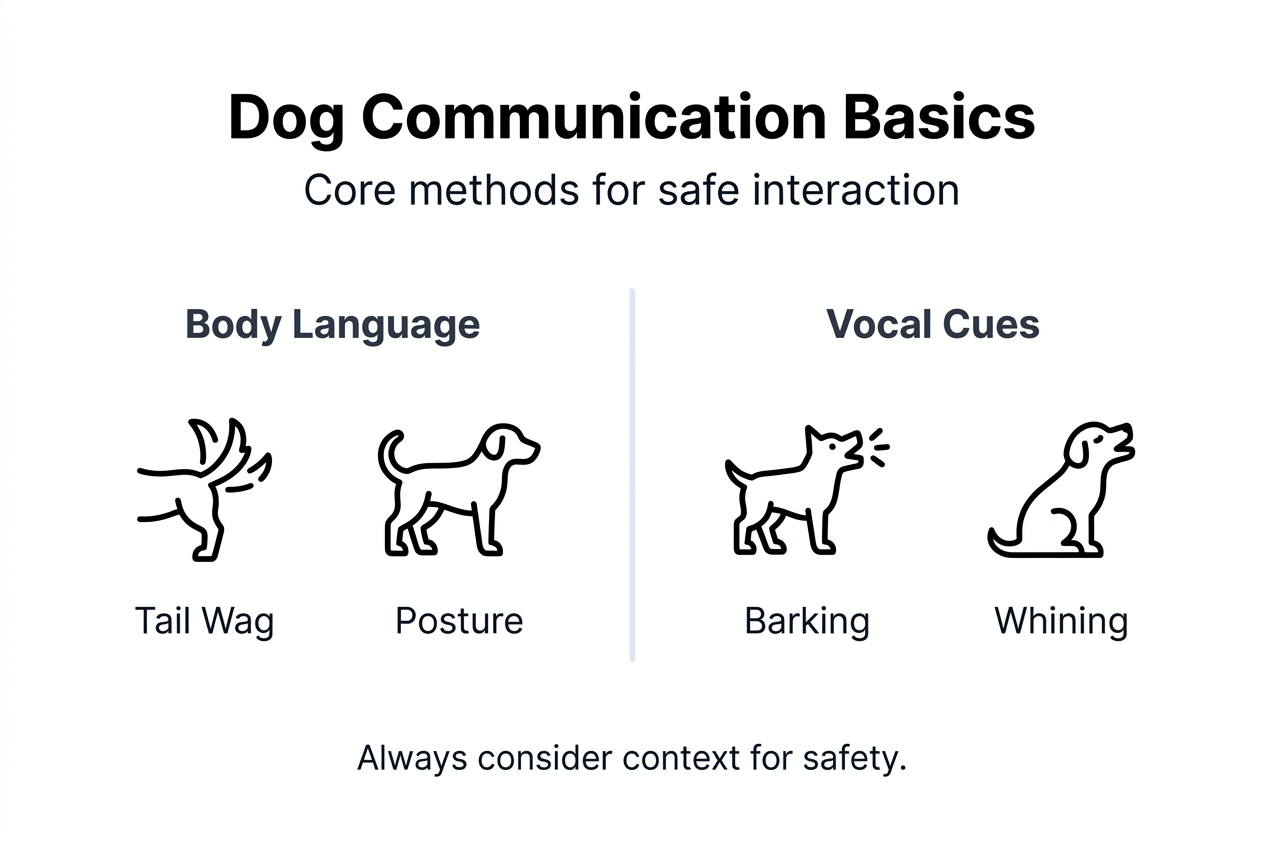
Dogs respond faster and more accurately to commands delivered with meaningful tonal cues than flat, monotone instructions. This occurs because prosody provides additional information beyond the word itself, helping dogs differentiate similar-sounding commands and understand urgency or praise.
Strategic use of vocal prosody improves communication effectiveness:
- Use consistently higher pitch for upward actions or excited states
- Apply lower, calmer tones for settling behaviors and commands requiring focus
- Increase volume and sharpness for urgent safety commands
- Maintain gentle, soothing tones for reassurance during stress
To train your dog using vocal prosody effectively:
- Choose distinct pitch patterns for your most important commands and practice them until they become automatic.
- Pair each tonal pattern with the same command word consistently, avoiding random tone variations that confuse your dog.
- Reinforce correct responses immediately with treats or praise to strengthen the association between tone and desired behavior.
- Record yourself giving commands to ensure your actual tone matches your intended message.
- Practice in low-distraction environments first, then gradually introduce challenges as your dog masters tonal recognition.
For seniors and individuals with disabilities, using clear vocal patterns creates reliable communication even when physical mobility limits gesture-based signals. Your voice becomes a powerful tool for maintaining independence and safety.
Explore iPupPee for proven dog communication tools
Now that you understand how dogs communicate through body language, intentional showing, and vocal responses, putting this knowledge into practice becomes essential. iPupPee offers specialized resources designed specifically for service dog handlers, seniors, and individuals with disabilities who need reliable communication systems.
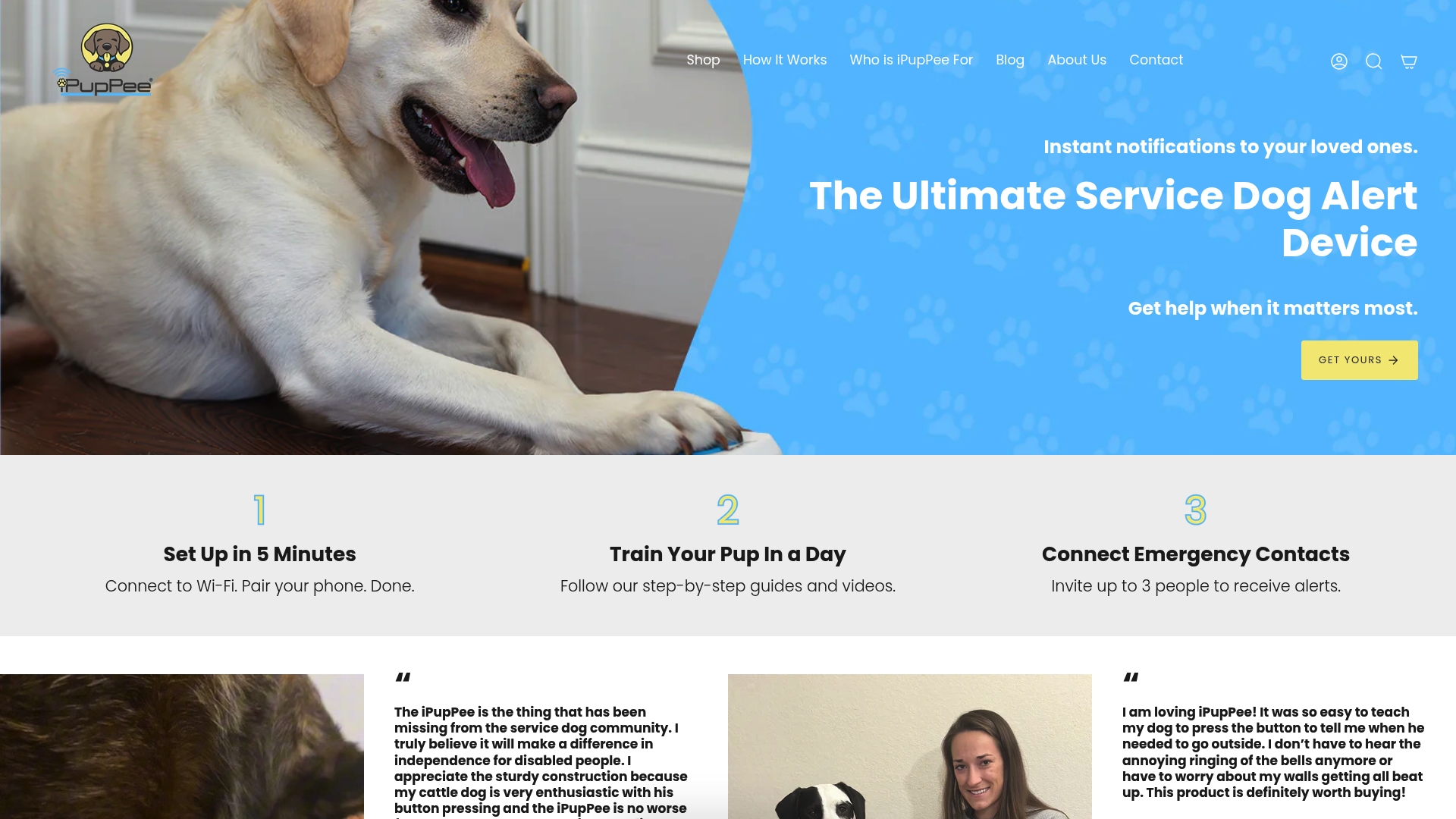
Our platform provides comprehensive training guides that help you interpret dog signals accurately in real-world situations. You’ll find tools that teach dogs command responsiveness for safety-critical scenarios where clear communication prevents dangerous misunderstandings. The iPupPee community connects you with experts and fellow handlers who share proven strategies for strengthening your unique communication bond. Explore innovative solutions that transform theoretical knowledge into practical independence and security.
FAQ
What are the most common ways dogs communicate with humans?
Dogs communicate primarily through body language including posture, facial expressions, and tail movements that signal emotional states. They also use scent signals like pheromones for territorial information and vocalizations such as barks, whines, and growls. Understanding all three channels together provides the most accurate interpretation of your dog’s needs and intentions.
How can I tell if my dog’s tail wag means they are happy or stressed?
Examine tail position, wagging speed, and direction alongside full body posture to determine true emotion. A loose, wide wag with relaxed muscles generally indicates happiness, while a stiff, slow wag with tense body and direct staring often signals stress or alertness. Never interpret tail movement without considering accompanying body language like ear position, facial expression, and overall muscle tension.
What is intentional showing behavior in dogs?
Showing behavior occurs when a dog deliberately directs a human’s attention by looking between the person and an important object or location. This demonstrates the dog’s understanding of what the human knows or doesn’t know. Dogs use gaze alternation and positioning to communicate about food, potential dangers, or desired items, adjusting their approach based on whether their human partner is cooperative and attentive.
How does vocal tone affect my dog’s response to commands?
Dogs respond more quickly and accurately to commands delivered with clear pitch changes that match the command’s meaning. Higher tones naturally suit upward actions or excited states, while lower tones work better for calming behaviors. Consistent vocal prosody helps dogs differentiate between similar commands and understand urgency levels, making tone a critical component of effective communication.
Why do service dog handlers need to master dog communication methods?
Service dog handlers depend on accurate signal interpretation for safety and task completion in daily activities. Misreading communication can lead to dangerous situations or failed assistance when independence is critical. Mastering body language, intentional signals, and vocal communication ensures handlers respond appropriately to their service dogs’ alerts and needs, maintaining the reliability essential for individuals with disabilities.
Recommended
- Improving dog safety: guide to advanced communication tools – iPupPee
- Train Dogs to Communicate: 40% Faster Emergency Response – iPupPee
- How to Increase Dog Safety with Advanced Communication Devices – iPupPee
- Dog Communication With Humans: Enhancing Safety and Connection – iPupPee
- Essential Workplace Emergency Procedures for 2025 Safety - Probe IT