

More than sixty percent of American households include at least one dog, yet effective communication with pets remains a common challenge. For many American families, miscommunication can lead to frustration and unwanted behaviors. Knowing the right training steps can make all the difference. This guide offers a straightforward path for building trust and clear communication with your dog, using proven strategies to foster lasting results.
Table of Contents
- Step 1: Prepare Your Space And Training Tools
- Step 2: Introduce Clear Commands And Positive Cues
- Step 3: Implement Consistent Rewards And Reinforcement
- Step 4: Practice Short, Focused Sessions Daily
- Step 5: Test Communication Skills In Real-World Scenarios
- Step 6: Review Progress And Adjust Training Approach
Quick Summary
| Key Insight | Explanation |
|---|---|
| 1. Create a Distraction-Free Training Environment | Select a quiet, dedicated space for training to facilitate effective communication and learning with your dog. |
| 2. Use Clear Commands with Consistent Cues | Teach simple, distinct commands using positive reinforcement, linking actions to words gradually for better understanding. |
| 3. Reward Desired Behaviors Promptly | Implement positive reinforcement immediately after desired behaviors to establish clear associations and maintain motivation. |
| 4. Conduct Short, Daily Training Sessions | Aim for 5-10 minute sessions spread throughout the day to keep training enjoyable and prevent mental fatigue. |
| 5. Test Skills in Real-World Scenarios | Practice commands in varied environments to ensure your dog generalizes their training and responds well amid distractions. |
Step 1: Prepare Your Space and Training Tools
Successful dog training begins with creating the right environment and gathering essential equipment. Preparing your training space and tools will set you up for smooth communication and effective learning with your canine companion.
Start by selecting a dedicated training area that minimizes distractions. This space should be quiet, with enough room for movement and practice. Equip yourself with key tools like a 6-foot leather leash, a comfortable collar appropriate for your dog’s size, and high-value treats that will motivate your dog. The Michigan State University Extension recommends having a 30-foot cloth line for off-leash training scenarios, along with waste disposal bags, a water bowl, and your dog’s favorite toys.
Crate selection is another critical element of your training setup. Choose a crate that allows your dog to sit, stand, turn around, and lie down comfortably. Position the crate in a frequently used area of your home to help your dog feel included and secure. Adding soft bedding and familiar toys will create a positive association, making the crate a welcoming personal space for your pet.
Pro tip: Wear comfortable clothing and tennis shoes during training sessions. Your physical comfort will help you maintain patience and consistency, which are key to successful dog communication.
Step 2: Introduce Clear Commands and Positive Cues
Teaching your dog clear commands is fundamental to building effective communication and mutual understanding. This step will help you transform basic actions into reliable responses through strategic positive reinforcement techniques.
Start by selecting simple, distinct words for each command. The American Kennel Club recommends introducing verbal cues only after your dog consistently performs the desired behavior. For instance, when teaching “sit,” wait until your dog naturally sits, then immediately pair the action with the word. Use a clear, consistent tone and pronunciation to help your dog recognize and distinguish between different commands. Your word choice matters keep commands short one or two syllables and avoid similar sounding words that might confuse your dog.
Consistent practice is key to successful command training. The Animal Welfare Society suggests a systematic approach where you first motivate your dog to perform an action using treats or toys, then gradually introduce the verbal or hand signal cue. Say the command just before your dog naturally performs the action this helps them associate the word with the behavior. Always reward immediately after the correct response to reinforce the connection. Patience and repetition will help your dog learn more quickly and confidently.
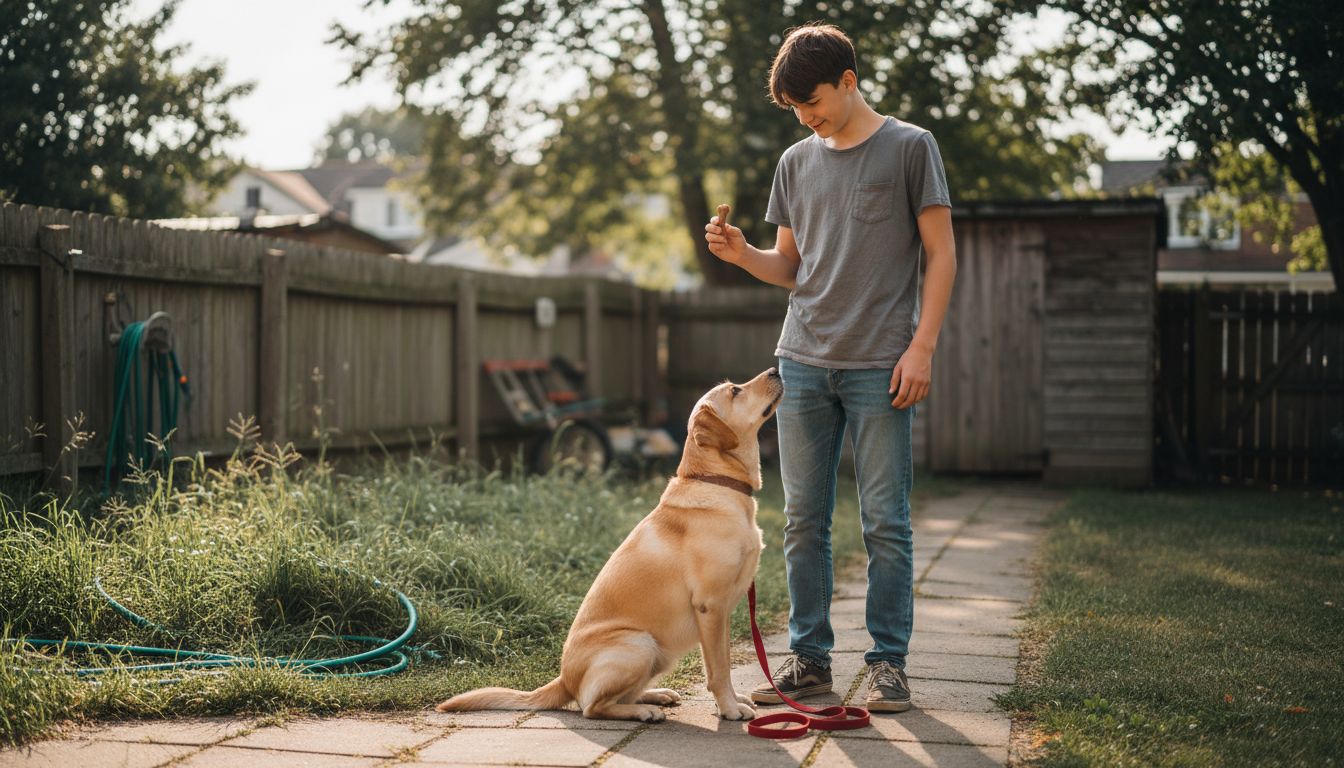
Pro tip: Maintain a positive, calm demeanor during training. Your emotional state significantly influences your dog’s ability to learn and respond to commands. Short frequent training sessions work better than long exhausting ones keep each session around 5 to 10 minutes to maintain your dogs attention and enthusiasm.
Step 3: Implement Consistent Rewards and Reinforcement
Positive reinforcement transforms dog training from a challenging task to an enjoyable bonding experience. By strategically rewarding desired behaviors, you can create a powerful learning environment that motivates your dog and strengthens your relationship.
Positive reinforcement techniques involve rewarding your dog immediately after they perform a desired behavior, which encourages them to repeat that action. Start by selecting high value treats that genuinely excite your dog small pieces of chicken, cheese, or specially designed training treats work best. The key is timing reward your dog within seconds of the correct behavior to help them make a clear connection between the action and the reward. As your dog becomes more consistent, gradually reduce treat frequency by rewarding every second or third successful attempt. This approach prevents treat dependency while maintaining motivation.
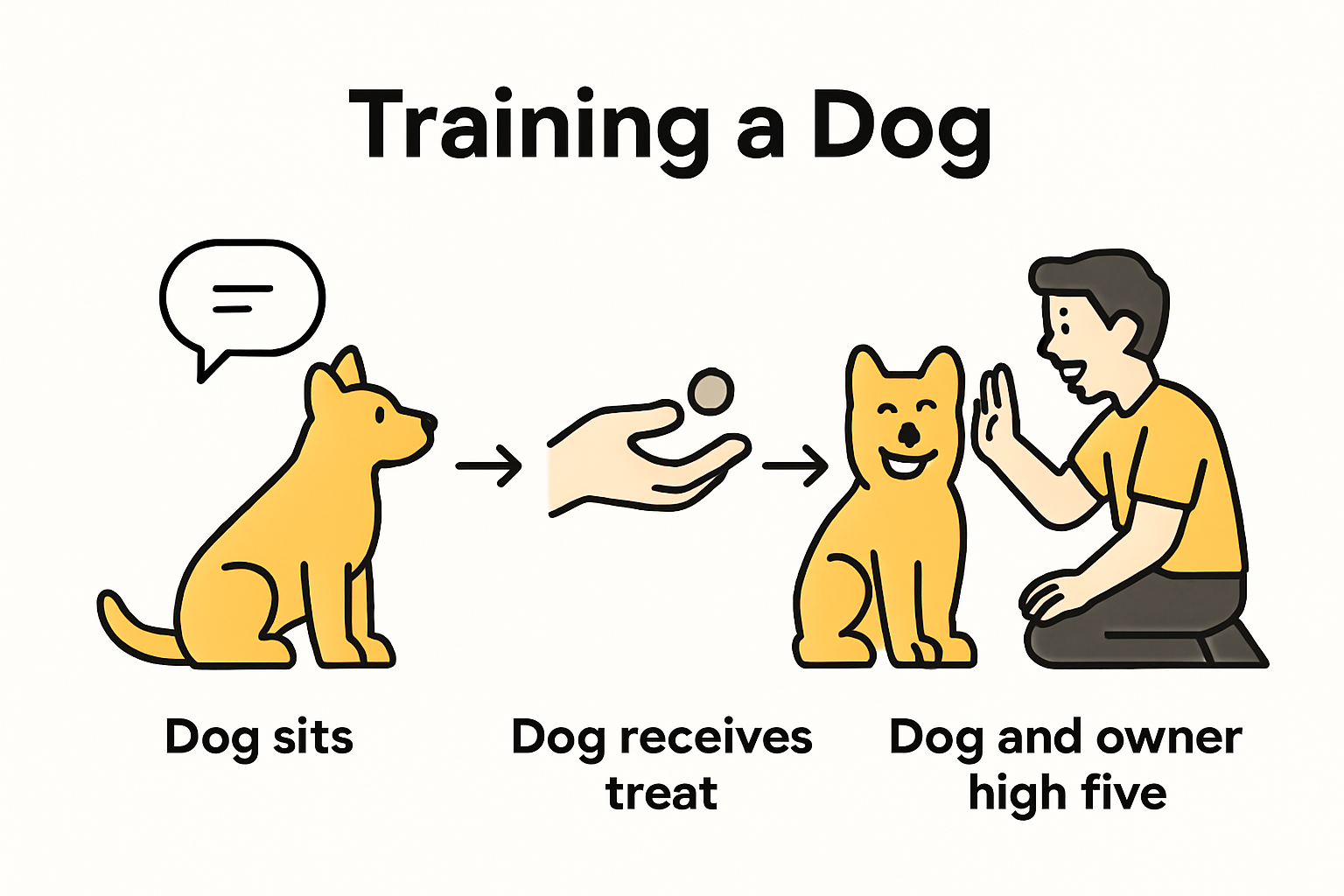
Consistent reinforcement goes beyond food rewards. The OSCE training guidelines emphasize building trust through positive interactions, which means using praise, petting, and play as additional rewards. Verbal affirmations like “good dog” spoken in an enthusiastic tone can be just as motivating as treats. Avoid harsh corrections or physical punishment these approaches damage trust and can create anxiety. Instead, focus on creating a supportive learning environment where your dog feels encouraged to learn and perform.
Pro tip: Keep training sessions short and energetic. Dogs have limited attention spans, so aim for 5 to 10 minute sessions with plenty of breaks and playful interactions. This approach keeps training fun and prevents both you and your dog from becoming frustrated or disengaged.
Step 4: Practice Short, Focused Sessions Daily
Consistent daily training is the cornerstone of effective dog communication. By breaking down learning into manageable chunks, you will help your dog build skills progressively and maintain enthusiasm throughout the process.
The American Kennel Club recommends keeping training sessions short and positive, especially for dogs with limited attention spans. Aim for multiple 5 to 10 minute sessions spread throughout the day rather than one long exhausting workout. Focus on mastering one specific command or skill during each session. Begin with basic commands like sit, stay, or come and gradually increase complexity as your dog demonstrates proficiency. This approach prevents mental fatigue and keeps training engaging and enjoyable for both you and your dog.
Structure your daily training routine with intentional variety and progression. Start each session with a quick review of previously learned commands to build confidence, then introduce one new skill or challenge. Use high value treats and enthusiastic praise to maintain motivation. Pay attention to your dogs body language and energy levels some days they might be more receptive to learning than others. If your dog seems distracted or uninterested, end the session positively and try again later.
Pro tip: Create a consistent training schedule that fits naturally into your daily routine. Choose times when your dog is alert but not overly excited such as after a walk or morning feeding. This helps establish a predictable pattern that your dog will come to anticipate and enjoy.
Step 5: Test Communication Skills in Real-World Scenarios
Evaluating your dogs communication skills requires moving beyond controlled training environments and challenging them in diverse, realistic settings. This step will help you verify the reliability of your dogs learned behaviors and strengthen their responsiveness across different situations.
PetRadar emphasizes the critical importance of reinforcing behaviors in real-life scenarios to ensure dogs generalize commands effectively. Begin by practicing commands in progressively more challenging environments starting with minimal distractions and gradually increasing complexity. For example, start training in your backyard, then move to a quiet park, and eventually practice in busier locations with more environmental stimuli. During each transition, maintain high value treats and enthusiastic praise to keep your dog motivated and focused. Pay close attention to your dogs ability to follow commands despite increasing distractions such as other dogs, people, or interesting sounds.
Structure your real world training progression systematically. Start with familiar commands like sit, stay, or come in increasingly complex environments. Watch for signs of understanding and momentary lapses in concentration. If your dog struggles, return to a less challenging environment and rebuild confidence. Remember that generalization takes time and patience. Some dogs learn faster than others, so avoid comparing your dogs progress to other animals. The goal is steady improvement and building a strong communication foundation that works in any situation.
Pro tip: Always end training sessions on a positive note, even if progress seems minimal. Celebrate small victories and maintain an encouraging attitude that makes learning feel like a fun game for your dog.
Step 6: Review Progress and Adjust Training Approach
Tracking and evaluating your dogs training progress is essential for developing a successful communication strategy. By carefully monitoring your dogs responses and being willing to adapt your methods, you can create a more effective and personalized learning experience.
The American Kennel Club recommends regularly assessing your dogs response to commands and being prepared to modify training techniques that are not producing desired results. Start by keeping a training journal documenting each command learned, areas of struggle, and notable improvements. Pay attention to subtle signs of confusion or frustration in your dog. If your pet consistently struggles with a specific command, consider whether your current approach matches their learning style. Some dogs respond better to hand signals, while others prefer verbal cues. Look for patterns in their performance such as decreased motivation, inconsistent responses, or difficulty maintaining focus.
Develop a flexible training approach that adapts to your dogs unique personality and learning pace. Break down challenging commands into smaller, more manageable steps. If your dog seems overwhelmed, reduce complexity and return to foundational skills before attempting more advanced techniques. Celebrate incremental progress and remain patient. Remember that every dog learns differently some require more time and repetition than others. Maintain a positive attitude and view training challenges as opportunities for deeper understanding and connection with your canine companion.
Pro tip: Schedule periodic training assessments every four to six weeks. This allows you to objectively evaluate progress, identify areas needing improvement, and adjust your strategy proactively before frustration sets in for both you and your dog.
Enhance Your Dog Training Success with Smart Communication Tools
Training your dog using clear commands and positive reinforcement can be challenging. The need to consistently motivate and communicate effectively with your dog is essential, especially when practicing commands in real-world scenarios. If you want to take your training to the next level and ensure your dog can express their needs clearly, innovative tools can make all the difference.
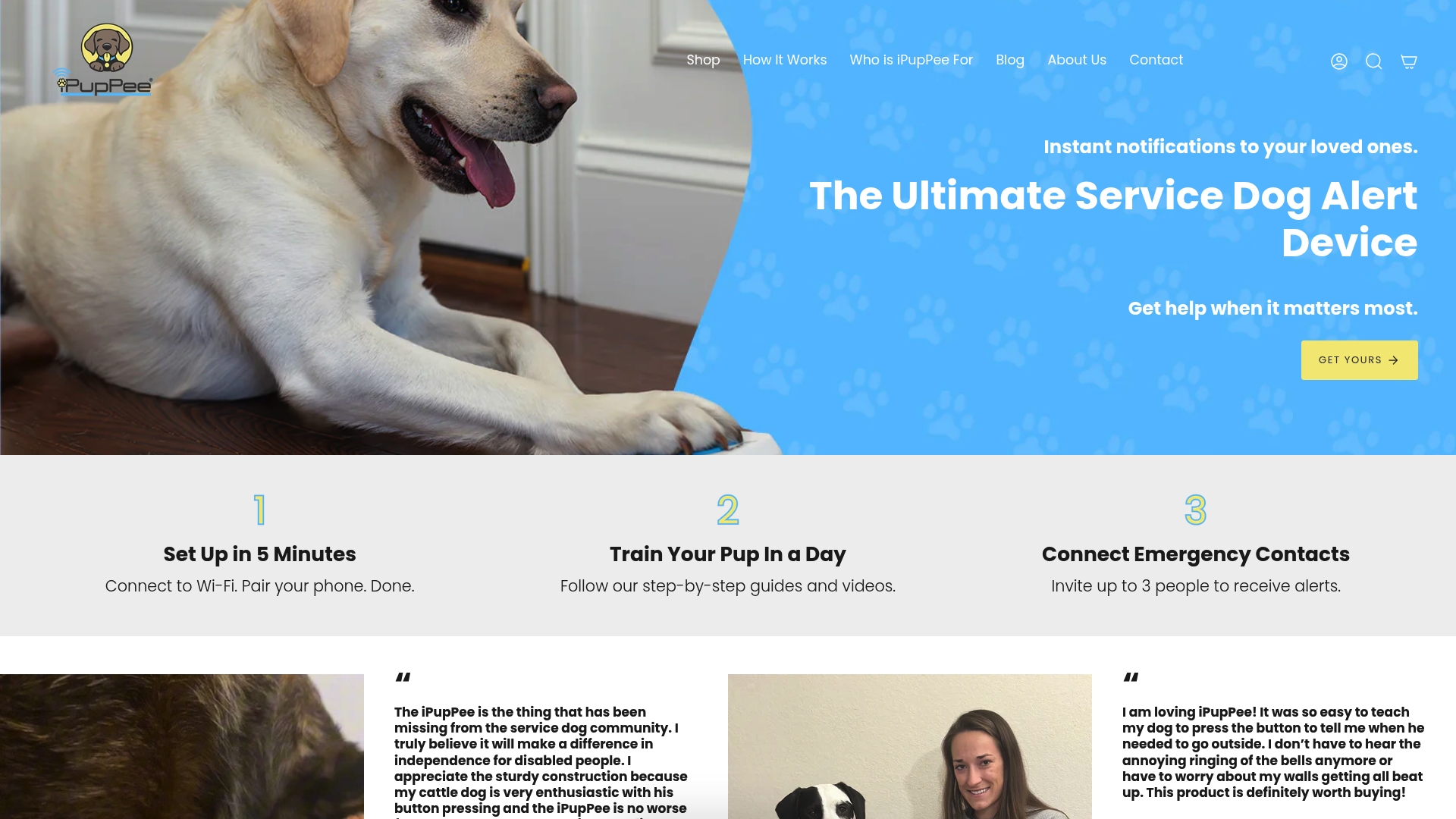
Discover the iPupPee device, a breakthrough communication tool designed to bridge the gap between you and your dog. Whether you are a new puppy owner, a handler of a service dog, or managing a rescue dog, the iPupPee helps your dog communicate important messages with the simple press of a button. This device supports safer, clearer interactions and can boost your dog’s confidence and your peace of mind. Don’t wait to empower your dog with a new way to express themselves. Visit https://ipuppee.com now to learn more and start improving your dog’s communication and training outcomes today.
Frequently Asked Questions
What are some easy dog training methods for better communication?
To improve communication with your dog, start by using positive reinforcement techniques. Reward your dog immediately after they perform a desired behavior to encourage them to repeat it. Focus on using clear verbal commands and maintain consistency throughout your training sessions.
How long should my dog training sessions last?
Keep training sessions short, ideally between 5 to 10 minutes. Conduct multiple sessions throughout the day to prevent mental fatigue and maintain your dog’s enthusiasm for learning.
What tools do I need for successful dog training?
Gather essential tools like a 6-foot leather leash, an appropriate collar, high-value treats, and waste disposal bags. Additionally, consider using a crate to create a positive training environment and help your dog feel secure.
How can I know if my dog is making progress in training?
Regularly assess your dog’s response to commands and track their reactions in a training journal. Look for signs of consistent behavior and adjust your training approach if your dog struggles with specific commands.
How can I help my dog learn commands effectively?
To help your dog learn commands, use simple, distinct words and introduce them only after the desired behavior is performed. Practice consistently and reward immediately after your dog successfully follows the command to reinforce their learning.
What should I do if my dog seems distracted during training?
If your dog appears distracted, try moving to a quieter environment or simplifying the command. Keep training sessions engaging and adjust frequency based on your dog’s attention span to help maintain focus.