

TL;DR:
- Reading canine signals requires analyzing multiple cues simultaneously within context to avoid misinterpretation and danger.
- Focusing on integrated signals like tail, ears, eyes, posture, vocalizations, and environment improves understanding of a dog’s emotional state and triggers early intervention.
Reading your dog’s behavior sounds simple until you get it wrong. A wagging tail triggers a warm smile, a relaxed posture seems like an all-clear, and then a bite happens without warning. Misinterpreting canine signals is not just frustrating, it can be genuinely dangerous for owners, handlers, family members, and the dog itself. Dog body language must be read as a full package, where context and multiple cues work together, because relying on a single gesture can seriously mislead you. This guide gives you a practical, evidence-based framework to understand what your dog is really communicating.
Table of Contents
- How to evaluate dog behavioral signals: The multi-cue approach
- Top 7 essential canine behavioral signals and their meanings
- Haptic and tactile signals: Beyond sight and sound
- Mistakes to avoid: Common pitfalls in reading dog signals
- Why multi-cue interpretation beats quick charts: A handler’s takeaway
- Next steps: Tools and resources for better dog communication
- Frequently asked questions
Key Takeaways
| Point | Details |
|---|---|
| Context matters most | Dog signals should always be interpreted with environment and history in mind for accurate understanding. |
| Multiple cues give clarity | Rely on a combination of body signals, not just single gestures, to assess what your dog is communicating. |
| Haptic signals expand options | Touch and vibration cues can be especially valuable in challenging or noisy communication settings. |
| Avoid quick chart traps | Simplistic body language charts can mislead—always consult several cues across time for safer decisions. |
| Practice and adjust | Building reliable communication with your dog involves continual learning and adapting to their individual style. |
How to evaluate dog behavioral signals: The multi-cue approach
Now that we’ve set the stage for why context is king, let’s outline what to look for in your dog’s behavior and how to put the pieces together.
The single biggest mistake dog owners make is treating body language signals like a one-to-one translation. A lowered tail means fear. Raised hackles mean aggression. Ears back mean submission. The reality is far more textured. No single signal acts alone, and the same tail position can mean completely different things depending on the breed, the history of the individual dog, and the situation at hand.
Think of it like reading a sentence. Each word has meaning, but take one word out of context and you can misunderstand the entire message. A dog’s communication works the same way. Tail height, ear orientation, the softness or hardness of the eyes, overall body posture, and any vocalizations all combine to form a complete picture. When you learn to read the picture instead of individual words, your accuracy improves dramatically.
Here are the key channels to observe simultaneously:
- Tail position and movement (height, speed, direction of wag)
- Ear orientation (forward, pinned back, rotated sideways)
- Eye shape and gaze (soft and blinking vs. hard and fixed)
- Facial tension (relaxed mouth and brow vs. tight lips or furrowed brow)
- Overall posture (weight forward, weight back, body low, body stiff)
- Vocalizations (tone, frequency, and whether they are sustained)
- Contextual environment (are there strangers, new smells, or loud sounds present?)
For those learning interpreting body language systematically, this checklist approach forms the foundation of reliable reading. Practicing it consistently builds the pattern recognition you need to catch subtle changes early. Equally important is learning to spot detecting stress signals before they escalate into a dangerous situation.
“A dog showing a wagging tail and stiff, forward-leaning body is not a dog inviting play. Reading only the tail produces a dangerously incomplete picture.” — AKC Expert Behavioral Guidance
Pro Tip: Before reacting to any signal, take two seconds to scan the whole dog and the surrounding environment. A signal that looks concerning in isolation might be completely benign in context, and vice versa.
Top 7 essential canine behavioral signals and their meanings
Understanding the approach, let’s dive into the key behavioral signals you can reliably observe.
Each of the following seven signals carries genuine information about your dog’s emotional and physiological state. Knowing them well helps you intervene early, reward calm behavior, and prevent confrontations.
-
Tail position. A high, stiff tail typically signals alertness or arousal. A low or tucked tail signals fear or submission. A loose, mid-height wag usually means relaxed friendliness. But watch the whole tail: a stiff, slow wag at high elevation often precedes aggression.
-
Ear orientation. Ears pricked forward signal attention or interest. Ears pinned flat against the skull signal fear or appeasement. Ears rotated sideways or slightly back suggest a neutral, relaxed state. Changes in ear position are often one of the earliest stress warnings available to you.
-
Eye contact and shape. Soft, almond-shaped eyes with occasional blinking signal comfort. Hard, round, unblinking eyes with the whites showing (called “whale eye”) signal fear, conflict, or a warning. Prolonged direct staring is a challenge in most contexts.
-
Facial tension. A loose, slightly open mouth with a relaxed brow means your dog is calm. A tightly closed mouth, wrinkled forehead, or lips pulled back exposing teeth signals increasing stress or threat. Recent dog facial landmark research has created benchmarks for detecting emotion and pain through facial muscle analysis, offering new accuracy in this area.
-
Posture and weight distribution. Weight shifted forward means confidence or interest, sometimes predatory. Weight shifted back or body crouched low means fear or appeasement. A dog who freezes completely is often at maximum stress and close to a reactive event.
-
Vocalizations. Growling is a warning and should never be punished, as it is your dog communicating discomfort before escalating. High-pitched barks often signal excitement or alarm. Low, sustained growls are serious. Whining combined with other appeasement signals indicates stress or conflict.
-
Urine marking. This is often overlooked as a behavioral signal, but research shows urine-marking behavior is linked to hormone and neurotransmitter activity triggered by emotional odor context, meaning it reflects internal arousal states rather than just habit or territorial habit.
Early socialization shapes how reliably a dog expresses these signals. The benefits of socialization during puppyhood include clearer, more predictable body language that handlers can read more easily later in life. For rescue dogs, working with communication for rescue dogs often means learning to decode a dog who may have suppressed or altered their normal communication patterns due to past experiences.
Connecting these signals to advanced communication tools can make a real-world difference, especially for handlers working in environments where split-second decisions are required.
| Signal | Positive state | Neutral state | Stress/warning state |
|---|---|---|---|
| Tail | Loose, mid-height wag | Low, still | High/stiff or tucked |
| Ears | Slightly back, relaxed | Neutral position | Pinned flat or rigidly forward |
| Eyes | Soft, blinking | Normal gaze | Hard stare, whale eye |
| Mouth | Loose, open | Closed, relaxed | Tight, lips pulled back |
| Posture | Loose, wiggly | Still, balanced | Stiff, weight forward/low crouch |
| Vocalizations | Play bow bark | Quiet | Growling, sustained barking |
Pro Tip: Watch for changes in these signals over time, not just the current snapshot. A dog who was calm five minutes ago but now has tight lips and forward ears is trending toward stress, and early intervention is far more effective than waiting for escalation.
Haptic and tactile signals: Beyond sight and sound
Sight and sound aren’t the only ways dogs communicate. Let’s see how touch plays a role, especially for working and service dogs.
Most of the conversation about dog communication focuses on what you can see and hear. But dogs are extraordinarily sensitive to touch, vibration, and physical contact. Research confirms that dogs can perceive tactile and vibrotactile (haptic) signals, making these channels viable for trained communication in contexts where visual and auditory signals fail.
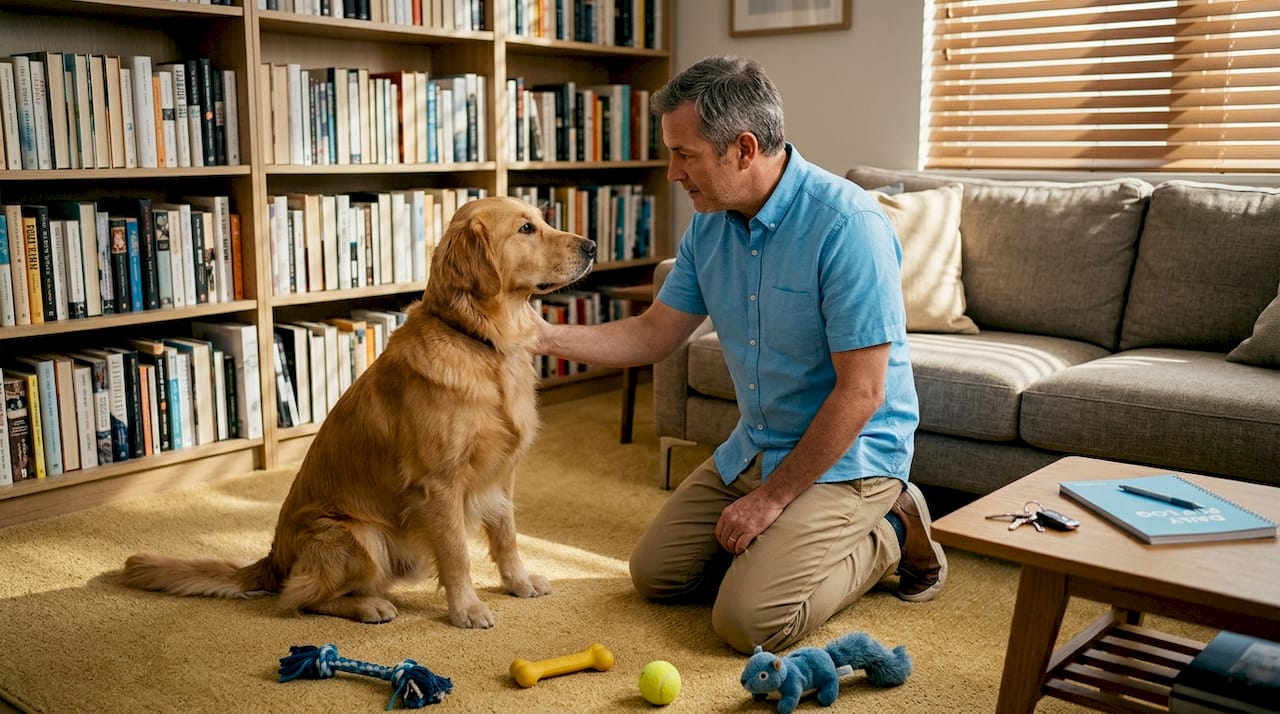
This has significant implications for service dog teams and handlers working with hearing-impaired individuals, in noisy environments, or in situations where silent communication is critical. A correctly trained tap on the shoulder, a pressure cue through a vest, or a vibration pattern can convey commands or status signals without alerting bystanders or escalating a situation with sound.
Here are the key situations where haptic signals become critical:
- Hearing-impaired handlers who cannot rely on verbal commands
- Noisy environments such as concerts, emergency scenes, or busy public spaces
- Night operations or low-visibility conditions where visual signals are impractical
- Anxiety-sensitive dogs who respond better to calm tactile cues than loud verbal commands
- Post-trauma or fear-reactive dogs where quiet, consistent touch builds confidence
For owners learning to master communication methods, adding tactile cues to an existing signal vocabulary creates redundancy. If one channel fails, another channel still gets the message through. This is exactly the kind of systems thinking that separates reliable handlers from those who freeze when the unexpected happens. Structured training steps can help you integrate haptic cues without creating confusion between existing auditory or visual commands.
| Haptic signal type | Application context | Training consideration |
|---|---|---|
| Gentle shoulder tap | Recall cue for hearing-impaired handlers | Must be consistent in pressure and location |
| Vest vibration | Alert signal in working/service dog contexts | Requires desensitization before conditioning |
| Pressure cue on back | Position/stay signal | Avoid overlapping with petting patterns |
| Leash tension variations | Direction guidance | Distinguish from accidental tension |
Pro Tip: When introducing haptic signals, verify your dog does not already associate a touch with something unpleasant. A signal that creates conflict because of past associations will be slow to learn and unreliable under stress.
Mistakes to avoid: Common pitfalls in reading dog signals
Equipped with the basics, it’s just as important to know what NOT to do. Here are the top mistakes and how to avoid them.
Even experienced owners fall into these traps regularly. Knowing where interpretation goes wrong is just as valuable as knowing what to look for.
-
Assuming tail wagging always means friendly. Tail wagging reflects emotional arousal, not happiness specifically. A stiff, high wag during an approach can precede a bite. Always combine the tail reading with posture and facial signals.
-
Ignoring the environment. A dog who looks relaxed at home may look the same at a dog park but for entirely different reasons. Stress and suppressed signals can masquerade as calm. Always factor in what changed in the environment before the signals shifted.
-
Treating breed stereotypes as behavioral rules. A Rottweiler with a relaxed face may look intimidating due to anatomy. A Golden Retriever with a hard stare is often dismissed because of breed reputation. Individual behavior matters far more than breed expectation.
-
Relying on simplified body language charts as universal truth. Evidence-based guidance consistently confirms that signals do not carry independent, universal meanings. Charts can help beginners build initial familiarity, but they create overconfidence if they replace contextual observation.
-
Punishing warning signals. Growling, lip-lifting, or stiffening are your dog communicating before escalating. Suppressing these signals through punishment doesn’t reduce the dog’s stress. It removes the warning, making a bite more likely to come without notice.
Reviewing training tips for safety regularly keeps you sharp on these distinctions, especially as your dog ages or as your life circumstances change.
“Context is the lens through which all canine behavioral signals must be interpreted. Without it, even experienced handlers can be caught off guard by signals that seemed straightforward in isolation.” — Frontiers in Psychology, 2025
Developing a habit of journaling or logging behavioral events also pays dividends. When you note the environment, trigger, and signal combination each time, patterns emerge over weeks that aren’t visible in a single observation.
Why multi-cue interpretation beats quick charts: A handler’s takeaway
Finally, let’s pull these lessons together with a clear, practical perspective on what actually works in life-or-death dog and handler communication.
Here is the uncomfortable truth most casual body language resources skip over: the quick-reference chart will fail you at exactly the moment you need it most. Real incidents involving dog bites, reactive events, or handler injuries almost never happen because someone didn’t know what a single signal meant. They happen because the accumulation of subtle, cross-channel signals was never noticed until it was too late.
Working dogs, rescue dogs, and even well-trained pet dogs operate in complex, shifting environments. A dog’s stress doesn’t usually announce itself with one dramatic signal. It builds through a sequence of small changes: a slight ear shift, a jaw tightening, weight redistributing, breathing becoming shallower. By the time the “obvious” signal arrives, the window for safe intervention has already closed.
The professional handling community increasingly treats body language interpretation as a decision system rather than a lookup exercise. That means tracking multiple cues simultaneously, comparing them against the dog’s baseline, factoring in the history and environment, and using time course (is the dog trending toward or away from stress?) as an active variable. It’s more demanding than checking a chart. It also works.
Addressing communication obstacles proactively, rather than waiting for a problem to erupt, is the mindset shift that separates confident handlers from reactive ones. When you treat every interaction as a data point in an ongoing behavioral picture, you stop being surprised. The dog’s communication becomes legible, predictable, and manageable, which is safer for everyone involved.
Next steps: Tools and resources for better dog communication
If you’re ready to take the next step in understanding and applying advanced dog behavioral signals, here’s where to continue your journey.
Building reliable communication with your dog doesn’t stop at reading body language. It extends to the tools and systems you use every day.
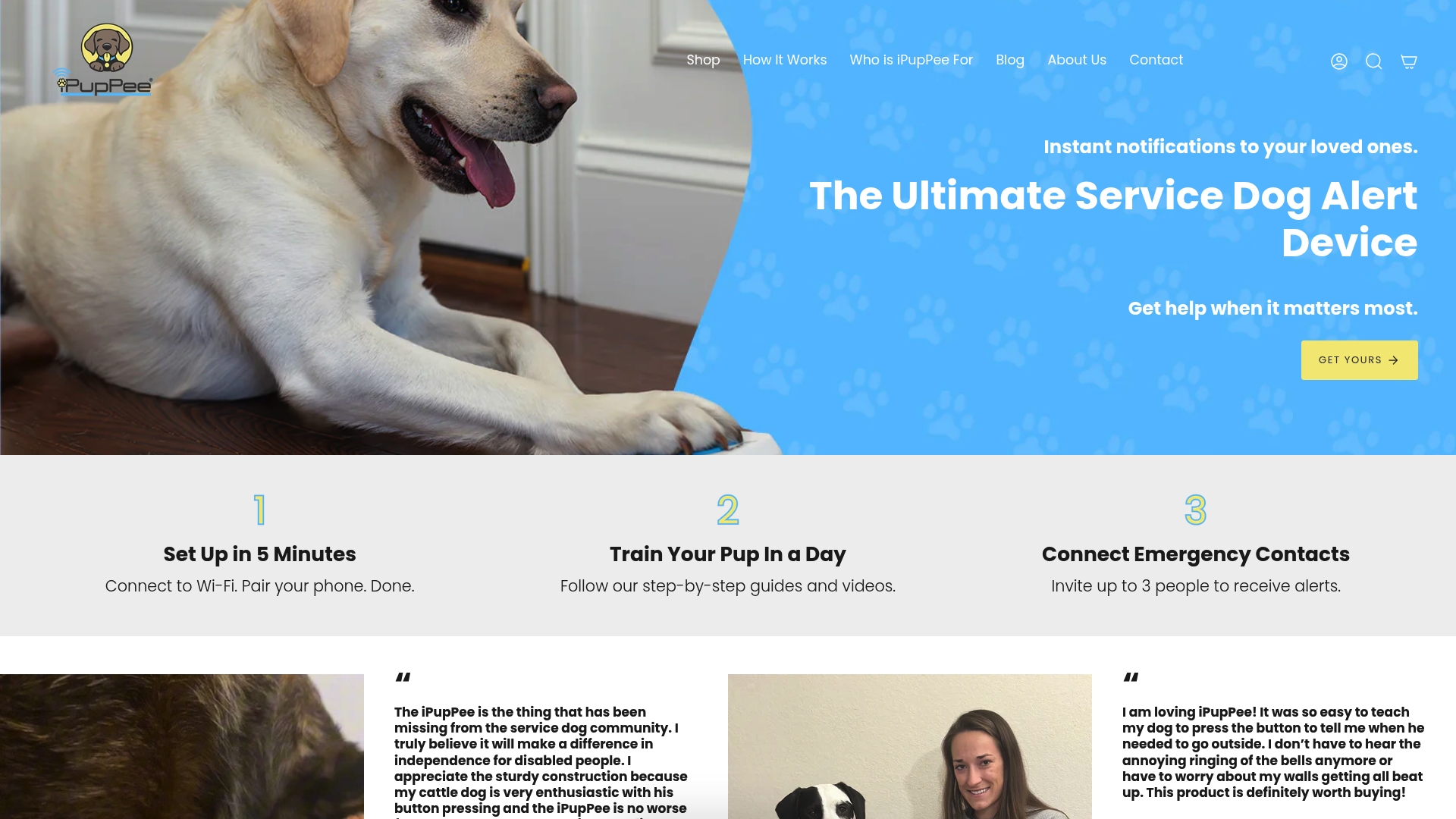
At iPuppee, we’ve built a platform specifically for owners and handlers who take dog communication seriously. Whether you’re working with a service dog, managing a rescue, or simply want a safer and more connected relationship with your pet, our resources go beyond the basics. From expert-written guides on advanced signal training to real handler stories and the innovative iPupPee alert device that bridges communication gaps in critical moments, everything on ipuppee.com is designed to make your partnership with your dog safer, clearer, and more confident. Browse our blog, explore training resources, and discover how the right tools can transform the way you and your dog communicate.
Frequently asked questions
Why is tail wagging not always a sign of happiness in dogs?
Tail wagging signals emotional arousal broadly, which can mean excitement, frustration, or stress, so you must always read tail position and speed alongside other body signals for an accurate interpretation.
What is the most reliable way to interpret a dog’s behavior?
Observing multiple cues in context and tracking them over time is the most evidence-backed and practically reliable method available to handlers and owners.
How do physiological changes affect dog behavioral signals?
Stress hormones and neurotransmitters can directly alter signals like urine marking and posture, which means physical state changes often show up in behavioral cues before an owner recognizes a problem.
Are tactile communication methods practical for everyday pet owners?
Yes, tactile cues are practical for everyday use because dogs can associate commands with haptic signals after consistent training, making them a viable addition to any dog’s communication toolkit, not just service dog teams.
Can dog facial expressions be used to detect pain or emotion reliably?
New facial landmark benchmarks are steadily improving accuracy in reading dog facial expressions for both emotion and pain, but experienced handlers still rely on additional contextual cues alongside facial analysis for the most reliable results.
Recommended
- Decode dog behavior signals for safer, happier pets – iPupPee
- Decode Dog Signals: What Your Pet’s Body Language Really Means – iPupPee
- Master dog communication methods for safety in 2026 – iPupPee
- Solve Dog Communication Challenges: Proven Methods – iPupPee
- Why Socialize Puppies: Raise a Confident, Happy Dog – greenfield