

Every American rescue handler knows how critical dog communication becomes when lives are on the line. In emergencies, these canine heroes rely on subtle cues and expressive body language to convey urgent information, saving time and even lives. Studies reveal that dogs regularly display prosocial behaviors toward humans, especially in high-stress American rescue operations. By understanding these signals, handlers and teams can respond faster, reduce mistakes, and strengthen the vital bond that drives successful rescue outcomes.
Table of Contents
- Dog Communication In Rescue Situations Explained
- How Rescue Dogs Signal Needs And Stress
- Tech-Assisted Communication: Devices And Tools
- Training Rescue Dogs For Clearer Signals
- Common Pitfalls And Ways To Avoid Miscommunication
Key Takeaways
| Point | Details |
|---|---|
| Effective Communication is Critical | Understanding canine communication in rescue situations is vital for the safety of both humans and dogs. |
| Technology Enhances Interactions | AI and augmented reality tools are improving communication between handlers and rescue dogs, increasing mission effectiveness. |
| Training Focuses on Clarity | Professional training programs emphasize non-verbal communication and robust signaling to improve canine understanding and response. |
| Avoiding Miscommunication Pitfalls | Handlers must be aware of potential miscommunication due to inconsistent signals and emotional responses to ensure effective teamwork. |
Dog Communication in Rescue Situations Explained
Understanding canine communication during rescue scenarios is critical for ensuring human and animal safety. Dogs possess extraordinary abilities to communicate complex emotional and situational information through nuanced body language, vocalizations, and behavioral signals. In critical rescue environments, these communication channels become lifelines that can mean the difference between successful intervention and potential danger.
Research demonstrates that dogs exhibit remarkable prosocial behaviors toward humans, particularly in high-stress rescue scenarios. Dogs actively attempt to rescue their guardians, revealing a sophisticated understanding of human distress that goes beyond simple instinctual responses. These behaviors suggest an intricate communication system where dogs can assess situational risks and strategically respond to help their human companions.
The communication process in rescue situations involves multiple sophisticated layers. Dogs use a combination of signals including:
- Ear position and movement
- Tail positioning and wagging intensity
- Eye contact and gaze direction
- Vocal tone and volume
- Body posture and tension
By reading these signals, trained handlers can quickly understand a dog’s emotional state, potential warnings, or indications of discovered resources. Advanced technologies like AI and augmented reality are now being explored to enhance communication between handlers and search-and-rescue dogs, bridging potential communication gaps in complex urban search environments.
Moreover, training plays a pivotal role in refining these communication skills. Professional rescue and service dog programs invest significant time in teaching dogs precise communication protocols, ensuring they can effectively convey critical information about terrain, potential hazards, or human presence during challenging rescue missions. The goal is creating a seamless partnership where canine intuition and human strategic thinking merge to save lives.
How Rescue Dogs Signal Needs and Stress
Rescue dogs communicate critical information through a complex network of physical and behavioral signals that reveal their psychological state and operational readiness. Understanding these nuanced communication methods is essential for handlers to maintain optimal performance and ensure the safety of both the dog and the rescue team.
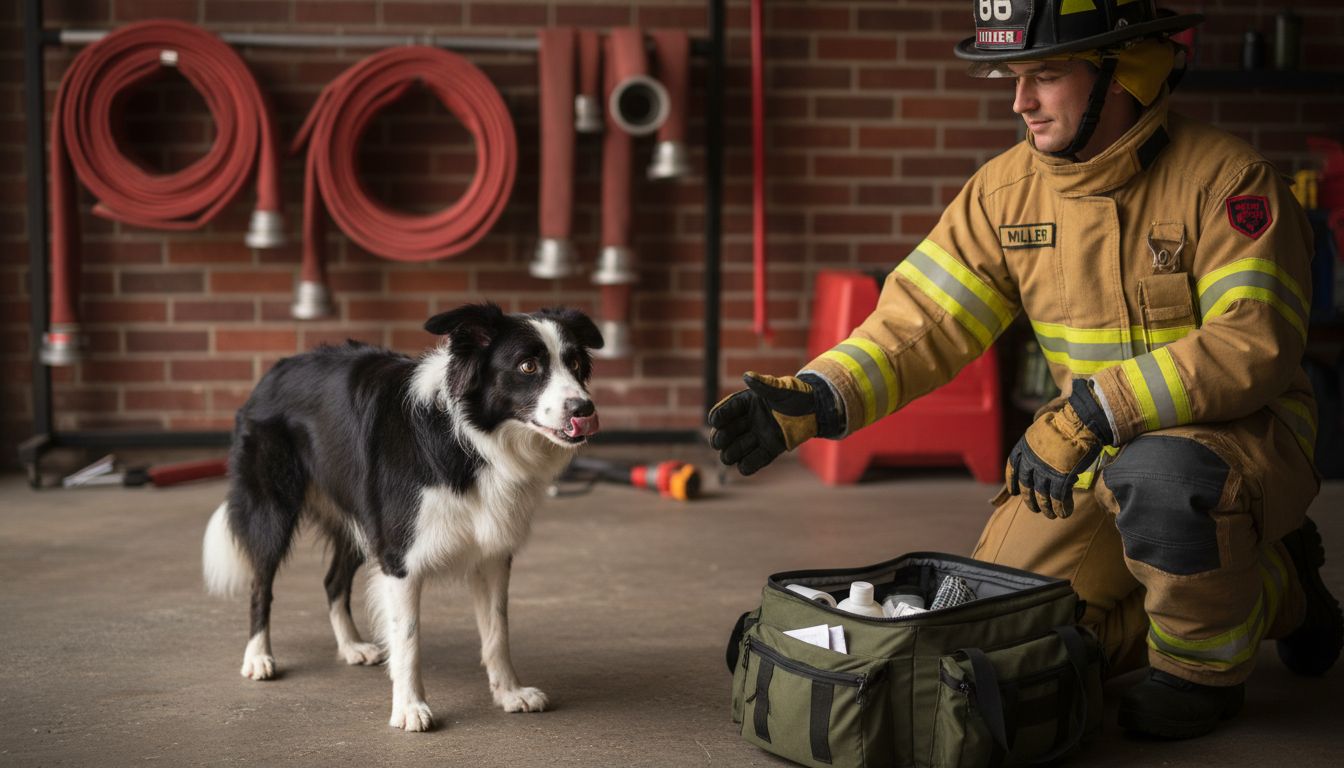
Research indicates that frustration significantly impacts search and rescue dogs’ performance, leading to potential slowdowns and increased error rates during critical missions. Psychological stress emerges when dogs encounter blocked goals or experience unexpected disruptions, triggering profound physiological and behavioral changes that can dramatically affect their search capabilities.
Dogs signal their needs and stress through multiple sophisticated channels:
- Ear positioning (flattened or alert)
- Tail movement and positioning
- Subtle changes in body tension
- Specific vocalization patterns
- Rapid eye movement and gaze shifts
Canine frustration arises from psychological barriers that interrupt expected goal-oriented behaviors, making it crucial for handlers to recognize and quickly address these signals. Professional rescue dog handlers are trained to read these intricate communication cues, allowing them to intervene before stress compromises mission effectiveness.
Professional training programs focus intensively on helping dogs develop resilient communication strategies. By teaching dogs to express their emotional state clearly and teaching handlers to interpret these signals accurately, rescue teams can maintain peak performance under challenging conditions. The ultimate goal is creating a symbiotic relationship where dogs can communicate their needs without compromising their critical search and rescue responsibilities.
Tech-Assisted Communication: Devices and Tools
Technology is revolutionizing how humans and dogs communicate, particularly in rescue and service environments. Advanced technological solutions are bridging communication gaps, enabling more precise and nuanced interactions between handlers and their canine partners.
Innovative AI-powered systems are transforming search-and-rescue dog communications, introducing sophisticated technologies like augmented reality (AR) headsets and intelligent camera networks. These cutting-edge tools allow handlers to receive real-time physiological and behavioral data from dogs, dramatically improving mission effectiveness and situational awareness.
Key technological communication innovations include:
- Wearable biometric sensors
- AR tracking systems
- AI-enhanced behavior analysis platforms
- Contactless physiological monitoring devices
- Wireless communication harnesses
Contact-free monitoring technologies now enable unprecedented insights into canine physiological states, utilizing consumer-grade cameras to simultaneously track heart rates and breathing patterns during complex interactions. These non-invasive technologies provide handlers with critical data about their dogs’ stress levels, fatigue, and overall performance without requiring direct physical contact.
The future of dog-human communication lies in seamlessly integrating smart technologies that respect the natural communication dynamics between species. By developing tools that enhance understanding rather than replacing existing communication channels, researchers and engineers are creating more responsive, effective partnership models for rescue, service, and companion dogs.
Training Rescue Dogs for Clearer Signals
Training rescue dogs to communicate effectively is a nuanced process that requires understanding canine psychology, behavioral patterns, and precise communication strategies. Handlers must develop sophisticated techniques that help dogs articulate their observations, emotional states, and mission-critical information with clarity and consistency.
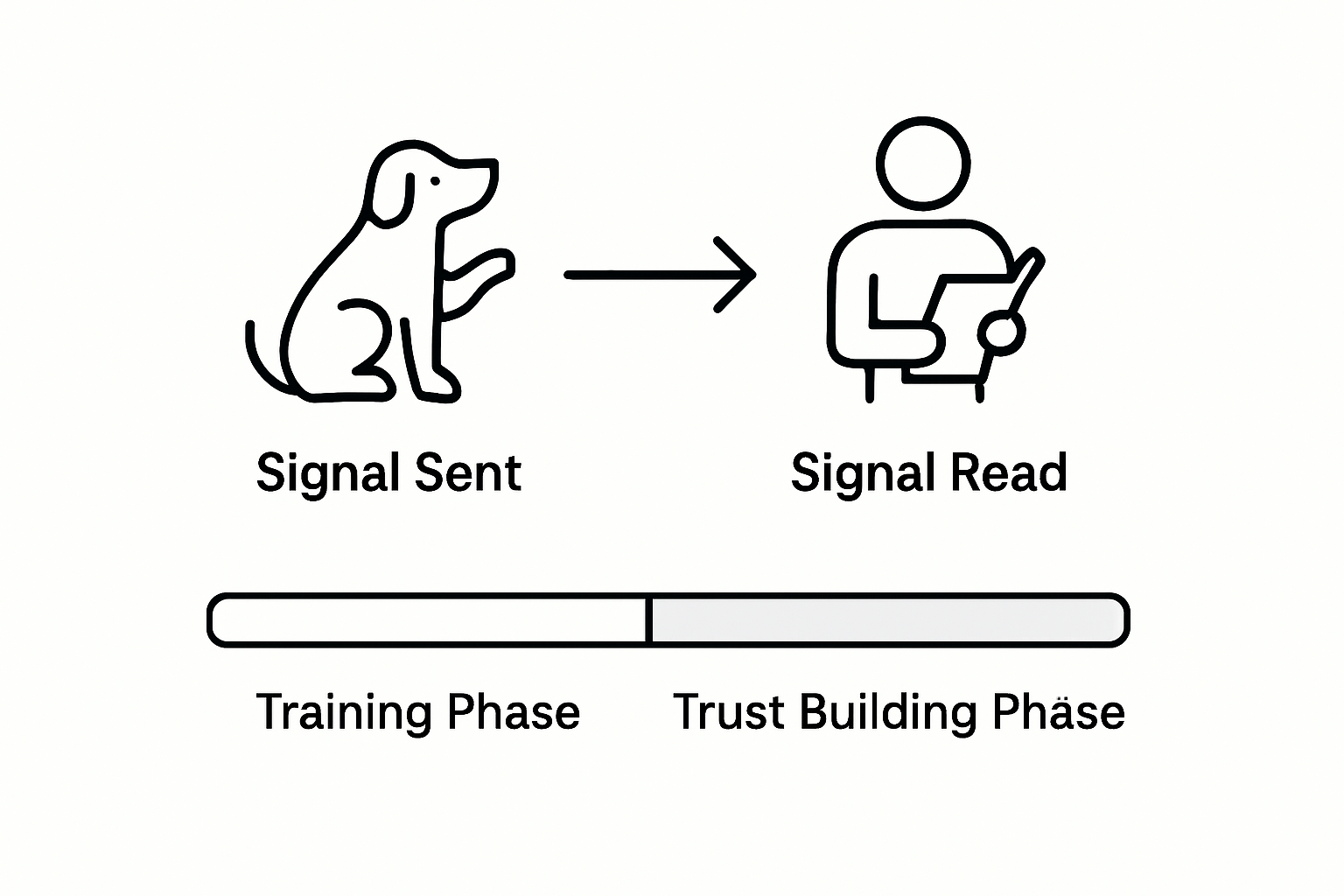
Water rescue dogs demonstrate a remarkable ability to prioritize visual signals over verbal commands, revealing the critical importance of developing gestural communication techniques. This insight underscores the need for training programs that emphasize non-verbal communication methods, teaching dogs to relay complex information through intentional body language and precise physical signals.
Key training strategies for improving canine communication include:
- Consistent gestural command protocols
- Reward-based signal reinforcement
- Stress simulation and response training
- Multi-sensory communication techniques
- Progressive complexity in signal interpretation
Research confirms that dogs are more likely to respond to rescue scenarios when they perceive their handler’s stress levels, highlighting the intricate psychological connection between dogs and their handlers. Professional training programs now focus on creating robust communication frameworks that allow dogs to accurately interpret and respond to human emotional cues while maintaining mission effectiveness.
Successful rescue dog communication training transcends simple obedience. It requires building a sophisticated, trust-based relationship where dogs can confidently signal potential dangers, identify critical resources, and collaborate seamlessly with their human partners in high-stakes rescue environments.
Common Pitfalls and Ways to Avoid Miscommunication
Effective dog communication requires understanding the subtle nuances that can lead to misunderstandings between handlers and canine partners. Miscommunication in rescue environments can compromise mission success, create unnecessary stress, and potentially endanger both humans and dogs.
Water rescue dogs demonstrated a critical tendency to prioritize gestural signals over verbal commands, revealing a fundamental communication complexity that handlers must carefully navigate. This research highlights how easily miscommunication can occur when handlers rely exclusively on verbal instructions without considering the dog’s natural sensory preferences.
Common communication pitfalls include:
- Inconsistent hand signals
- Conflicting verbal and physical cues
- Emotional inconsistency during training
- Overcomplicated command structures
- Insufficient positive reinforcement
- Lack of contextual awareness
Dogs exhibit profound prosocial behaviors, including attempting to rescue their guardians, which underscores the importance of developing clear, trustworthy communication channels. Misinterpreting these intricate behavioral signals can disrupt the critical bond between handler and dog, potentially compromising rescue mission effectiveness.
Successful communication requires developing a holistic approach that respects canine sensory processing, emotional intelligence, and natural communication patterns. Handlers must become bilingual in both human and dog communication languages, creating a nuanced, responsive dialogue that transcends traditional training methodologies.
Enhance Rescue Dog Communication With Smart Tools for Safety and Trust
Understanding your dog’s needs and signals during rescue situations can be the difference between safety and risk for both your canine partner and yourself. This article highlights critical challenges like psychological stress and miscommunication that often hinder dogs’ performance in high-stakes environments. Clear communication and reliable signal systems are essential to build trust and ensure quick, accurate responses under pressure.

Discover how the iPupPee device can transform your dog’s communication with a simple button press that conveys their needs clearly and immediately. Whether you are a rescue dog handler or a pet owner aiming for improved safety, leveraging tools that complement canine signals is a vital step toward mission success and every day peace of mind. Visit iPupPee.com now to explore product features, training guides, and real testimonials proving how enhancing communication drives better results and safety for dogs and humans alike.
Frequently Asked Questions
How do dogs communicate their needs during rescue operations?
Dogs communicate their needs during rescue operations through a variety of physical and behavioral signals. These include ear positioning, tail movement, body posture, and vocalizations, which collectively provide insight into their emotional state and operational readiness.
What role does stress play in a rescue dog’s performance?
Stress can significantly impact a rescue dog’s performance. When dogs experience frustration or psychological stress from blocked goals, it can lead to increased error rates and slowdowns, affecting their overall search capabilities.
How does technology enhance communication between rescue dogs and their handlers?
Technology enhances communication through tools like wearable biometric sensors and AI-powered behavior analysis platforms. These innovations provide real-time data on a dog’s physiological state, improving situational awareness and mission effectiveness during rescue operations.
What training methods can help improve communication signals in rescue dogs?
Training methods that improve communication include consistent gestural command protocols, reward-based reinforcement, and stress simulation training. These strategies enable dogs to articulate their observations and emotional states clearly, fostering a more effective partnership with their handlers.
Recommended
- Complete Guide to Training Rescue Dogs Basics – iPupPee
- Why Train Rescue Dogs: Essential Benefits for Owners in 2025 – iPupPee
- Rescue Dog Training 2025: Step-by-Step Success for All Owners – iPupPee
- Dog Rescue Training: Keys to Success for Owners & Handlers 2025 – iPupPee
- How to Handle Bearded Dragon Safely for Stress-Free Bonding
- How to Build Resilience Naturally in Families – The Zoofamily