

Every American family who welcomes a new dog knows that creating the right training environment is the first step toward lasting success. Studies show that consistent, positive training increases a dog’s obedience and confidence by over 80 percent. Setting up your space and selecting the right tools can make every lesson clear and rewarding for both you and your dog. With practical guidance, you can transform daily routines into opportunities for better communication and a stronger bond.
Table of Contents
- Step 1: Prepare Training Environment and Tools
- Step 2: Introduce Basic Commands with Clear Cues
- Step 3: Reinforce Positive Behaviors Consistently
- Step 4: Integrate Communication Devices Strategically
- Step 5: Verify Training Progress and Adjust Methods
Quick Summary
| Key Point | Explanation |
|---|---|
| 1. Create a Distraction-Free Training Space | Design a quiet environment with minimal noise and distractions to enhance your dog’s learning and focus during training sessions. |
| 2. Use Consistent Commands and Cues | Establish clear verbal and physical cues for basic commands to help your dog understand expectations and react appropriately. |
| 3. Implement Positive Reinforcement Techniques | Immediately reward desired behaviors with treats or praise to reinforce learning and motivate your dog effectively. |
| 4. Utilize Communication Tools Effectively | Introduce tools like a clicker to provide clear signals during training, enhancing your dog’s understanding of specific commands. |
| 5. Regularly Assess and Adapt Training Methods | Monitor your dog’s progress and be willing to adjust techniques to ensure successful communication and understanding in training. |
Step 1: Prepare Training Environment and Tools
Creating an effective dog training space requires thoughtful preparation and strategic selection of tools. Your goal is to design a distraction-free environment that supports clear communication and positive learning experiences for your dog.
Start by selecting a comfortable and dedicated training crate that matches your dog’s size and needs. Wire crates offer excellent ventilation and can be easily collapsed for storage, while plastic crates provide a den-like atmosphere that many dogs find soothing. Position the crate in a frequently used room of your home, and make it inviting by adding soft bedding and a few familiar items that will help your dog feel secure.
When setting up your training space, minimize potential distractions and focus on consistent communication techniques. Keep your verbal and visual cues clear and concise. Avoid carrying treats in your hand during training, as this can divert your dog’s attention. Instead, mark desired behaviors first, then retrieve and deliver rewards. This approach helps maintain your dog’s focus and reinforces positive learning patterns.
A pro tip: Choose a quiet area with minimal background noise and foot traffic. This dedicated training zone will help your dog understand when it’s time to learn and pay attention. As you progress, you’ll find that a well-prepared environment significantly accelerates your dog’s learning and responsiveness.
Step 2: Introduce Basic Commands with Clear Cues
Teaching your dog fundamental commands establishes clear communication and builds a strong foundation for future training. Your primary goal is to help your dog understand and consistently respond to basic verbal and physical cues.
Introducing commands like ‘sit’ and ‘down’ starts with using treats as a gentle guidance tool. Hold a treat near your dog’s nose and slowly move it upward, which naturally encourages them to sit. When teaching ‘sit’, the movement prompts the dog to raise their head and lower their hindquarters, creating the desired sitting position. The moment your dog’s bottom touches the ground, mark the behavior with a clear verbal cue like ‘sit’ and immediately reward them with the treat.
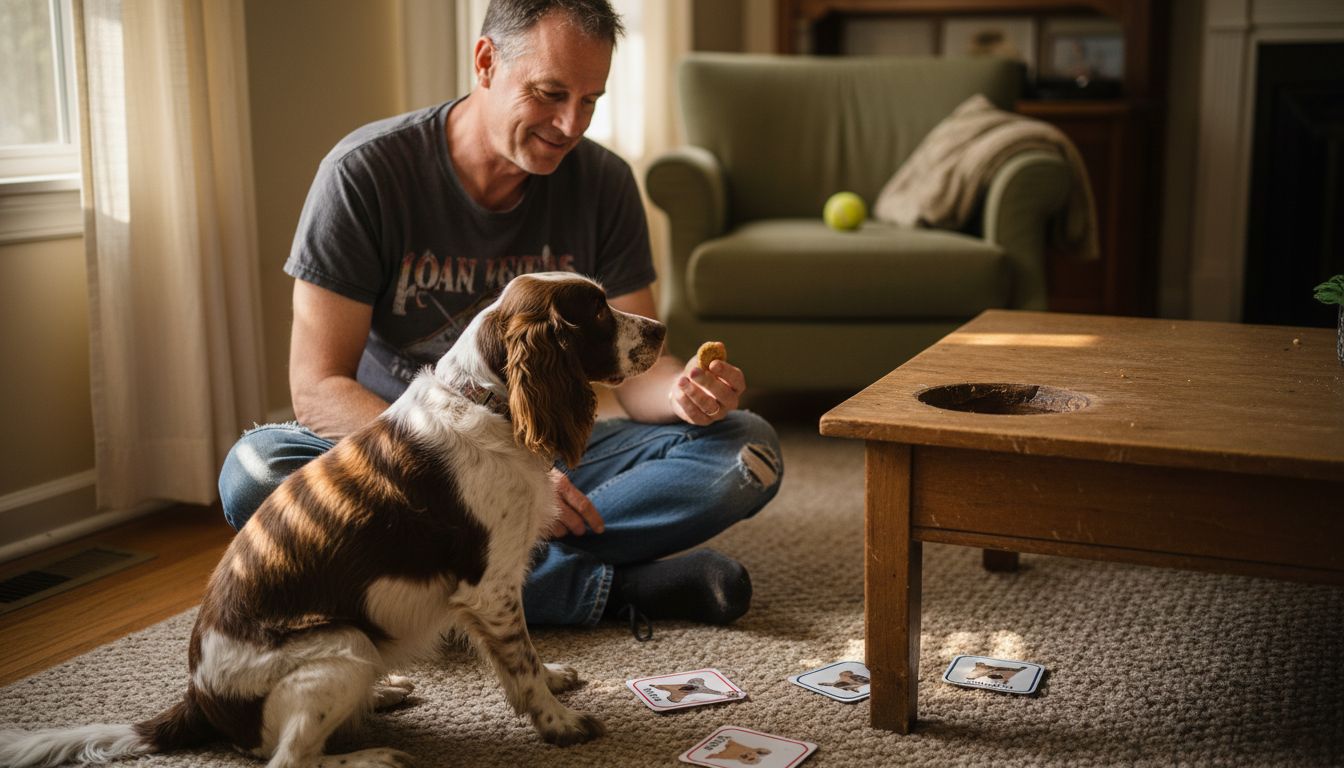
Consistency is key in command training. Use the same word each time and maintain a calm, clear tone. Practice in short sessions to keep your dog engaged and prevent frustration. Always reward the desired behavior immediately to help your dog make a positive association. As you progress, you’ll want to gradually reduce treat frequency, replacing food rewards with verbal praise and physical affection.
A helpful tip: Keep training sessions brief and fun. Aim for 5-10 minute intervals, and always end on a positive note. This approach ensures your dog remains motivated and enjoys learning. Mastering these basic commands will set the stage for more advanced communication and strengthen the bond between you and your furry companion.
Step 3: Reinforce Positive Behaviors Consistently
Successful dog training hinges on understanding and implementing strategic behavioral reinforcement. Your goal is to create clear communication pathways that help your dog understand exactly which actions earn rewards and praise.
Consistent reinforcement requires careful timing and precise cue selection. Wait until your dog performs a behavior correctly before introducing its verbal command. This prevents confusion and ensures your dog associates the cue with the precise action you want. Choose distinct cue words that cannot be easily misunderstood, avoiding similar-sounding commands that might create mixed signals.
Every training interaction should focus on positive reinforcement. Reward your dog immediately when they complete the desired behavior using treats, enthusiastic verbal praise, or physical affection. The key is consistency so your dog learns exactly what behaviors earn positive responses. Start with frequent rewards, then gradually reduce treat frequency while maintaining verbal praise. This approach helps your dog understand the underlying expectation without becoming dependent on constant food rewards.
A critical tip: Patience transforms training. Some dogs learn quickly while others need more time. Maintain a calm demeanor and celebrate small victories. Short, frequent training sessions work better than long, frustrating ones. Your consistent approach will build trust and create a strong communication foundation with your furry companion.
Step 4: Integrate Communication Devices Strategically
Effective dog training involves using communication tools that enhance understanding and reinforce learning. Your goal is to select and implement devices that create clear signals between you and your dog.
Clicker training serves as a precise communication method for marking desired behaviors. The process involves creating a strong association between the distinct clicking sound and positive rewards. Start by introducing the clicker without commands first. Click and immediately provide a treat, helping your dog understand that the click sound means something good is coming. This builds a foundational connection that will make future training more effective.
When introducing communication cues, say the command once and wait for a response. Avoid repeating commands multiple times, as this can confuse your dog and potentially teach them to respond only after several repetitions. Choose a consistent tone and volume for each command, and ensure everyone in the household uses the same verbal and physical signals. This consistency helps your dog learn faster and respond more reliably.
A pro tip: Start with short training sessions using your communication device. Five to ten minute intervals work best to keep your dog engaged and prevent mental fatigue. As your dog becomes more comfortable with the clicker or other communication tool, gradually increase the complexity of commands and reduce the frequency of treats. Your patience and consistency will transform these devices into powerful training allies.
Step 5: Verify Training Progress and Adjust Methods
Successful dog training requires ongoing assessment and strategic adaptation. Your goal is to create a dynamic learning environment that allows your dog to progress while maintaining clear communication and understanding.
Monitoring training progress begins with ensuring command clarity and consistency. Use distinct cue words for different actions to prevent confusion. For instance, use ‘off’ when asking your dog to leave furniture and ‘down’ for the lying position. This precise language helps your dog understand exactly what you want them to do.
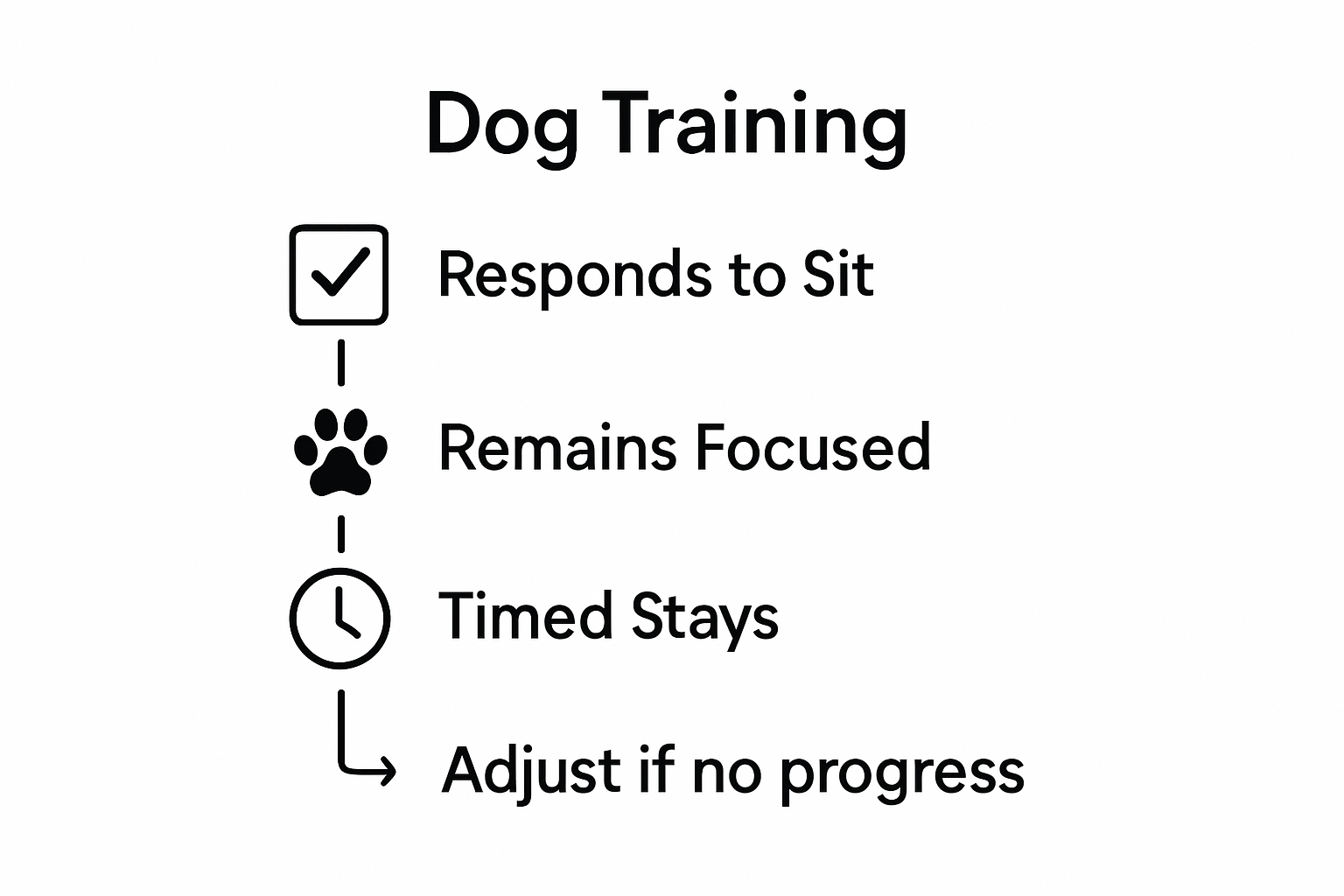
Assess your training effectiveness by testing commands in controlled environments, starting with minimal distractions. Begin with commands like ‘come’ using a leash for gentle guidance. Watch how quickly and accurately your dog responds. If progress seems slow, break down the command into smaller steps or adjust your training technique. Some dogs learn faster with different approaches like hand signals, verbal cues, or increased reward frequency.
A critical tip: Keep training sessions positive and short. If you notice frustration or decreased responsiveness, take a break and return to training later. Patience and adaptability are your greatest tools. Each dog learns differently, so be prepared to modify your approach. Celebrate small victories and remember that consistent, compassionate training builds a stronger bond between you and your furry companion.
Enhance Your Dog Training with Smart Communication Tools
Training your dog to respond clearly to commands and reinforcing positive behaviors can be challenging, especially when striving for safety and effective communication. If you are building those crucial training foundations from the article “Dog Training Steps for Effective Communication and Safety,” you understand how important it is to maintain consistent cues and provide reliable ways for your dog to communicate back. Whether you are training a service dog, new puppy, or rescue, bridging clear communication gaps can improve your dog’s confidence and your peace of mind.
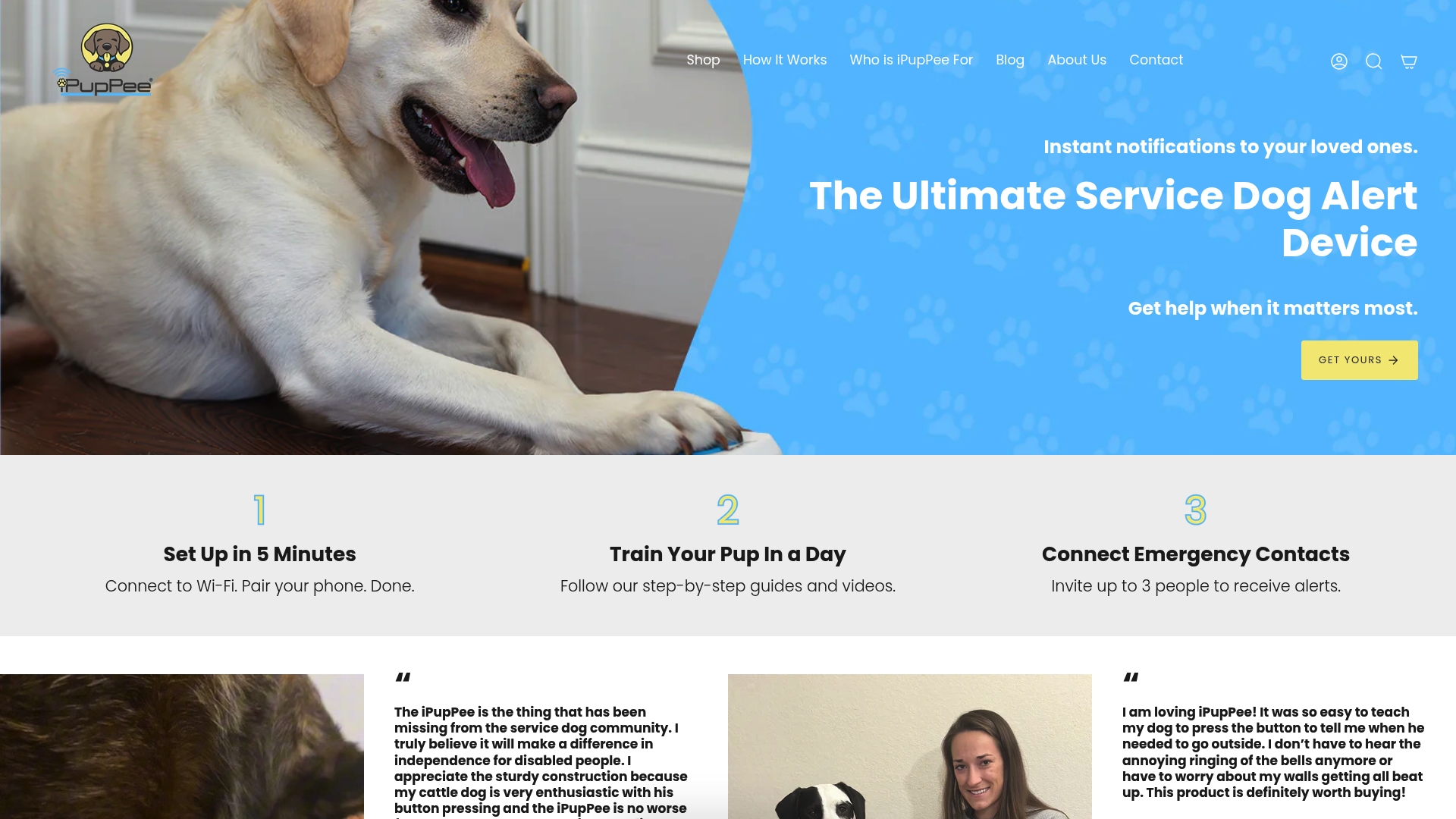
Discover how the innovative iPupPee device from ipuppee.com can empower your training journey. This simple alert tool allows your dog to signal you with a button press, enhancing communication beyond basic commands and reinforcing safety in everyday situations. Take control now and make every training step more effective with a device designed for your dog’s independence and your reassurance. Visit ipuppee.com to learn more and bring home this essential training companion today.
Frequently Asked Questions
How can I create a distraction-free training environment for my dog?
To create a distraction-free environment, select a quiet area in your home and remove any potential distractions. Use a comfortable crate with soft bedding, and ensure the area is free of noise and foot traffic to facilitate focus during training sessions.
What are the best basic commands to start training my dog?
Start with fundamental commands like ‘sit’ and ‘down’, as these are essential for establishing communication. Use treats as gentle guidance tools and practice consistently for 5-10 minutes each session to reinforce learning and keep your dog engaged.
How can I ensure my dog understands verbal commands?
Ensure your dog understands verbal commands by using distinct words for different actions and avoiding similar-sounding commands. Pair verbal cues with visual signals, and always reward your dog immediately when they perform the desired behavior to strengthen their understanding.
What is the importance of positive reinforcement in dog training?
Positive reinforcement is crucial as it helps your dog associate specific behaviors with rewards and praise, leading to more rapid learning. Focus on rewarding good behavior immediately, gradually reducing treat frequency while maintaining verbal praise to build a trusting relationship.
How should I monitor my dog’s training progress?
Monitor your dog’s training progress by testing commands in a controlled environment with minimal distractions. If your dog struggles with a command, break it down into smaller steps or adjust your training methods to ensure they remain engaged and learn effectively.
What should I do if my dog is not responding well to training?
If your dog is not responding well, take a break and reassess your training techniques. Keep sessions positive, short, and fun; adapt your approach if necessary, celebrating small victories to maintain motivation and build a better bond with your dog.
Recommended
- Master Training Dogs for Safety: A Step-by-Step Guide – iPupPee
- 8 Essential Dog Safety Training Tips Every Owner Should Know – iPupPee
- How to Improve Dog Safety at Home and Outdoors 2025 – iPupPee
- Dog Voice Commands Every Owner Should Know – iPupPee
- Expert Tips for Transitioning Dog Foods Successfully – Ultimate Pet Foods