

TL;DR:
- Personalized pet solutions tailor health, behavioral, and emotional care to each pet’s unique needs, improving outcomes.
- They outperform generic care by addressing specific conditions, fostering stronger owner-pet bonds, and utilizing advanced technology for real-time adjustments.
Personalized pet solutions are specialized products and services designed to meet the individual health, behavioral, and emotional needs of each pet. Generic, one-size-fits-all care leaves real gaps, especially for aging dogs, pets with chronic conditions, or animals that need precise communication support. The custom pet products market is projected to reach $16.2 billion by 2033, growing at 8.4% annually. That number reflects a fundamental shift: pet owners no longer accept average care when tailored options exist. Platforms like NomNomNow, Embark Veterinary, and Ipuppee are proving that individualized care produces measurably better outcomes for pets and their owners.
Why personalized pet solutions outperform generic care
Generic pet care treats every dog or cat as interchangeable. Personalized care starts with the opposite assumption: your pet is unique, and their care plan should reflect that. This distinction matters most when a pet has a chronic condition, limited mobility, or a communication barrier that standard products simply cannot address.
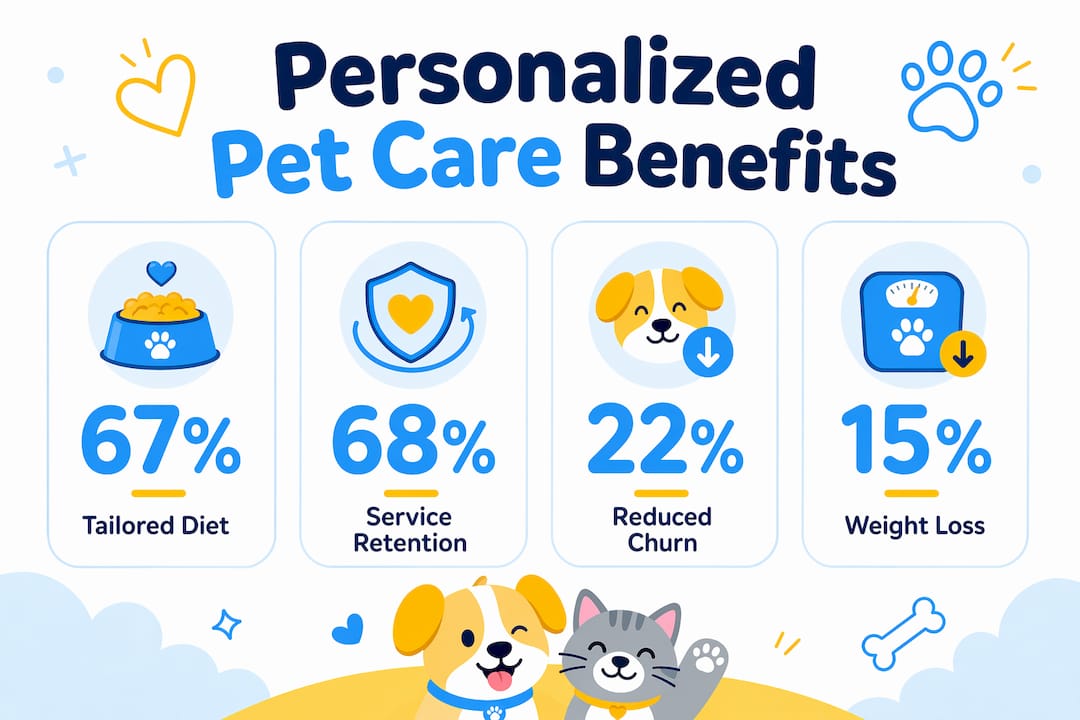
67% of U.S. dog owners prefer tailored diet solutions that address specific health risks, and 48% value AI-driven nutrition platforms. This tells you that the majority of engaged pet owners have already moved past generic kibble and one-size collars. They want solutions that respond to their pet’s actual biology and behavior.
The benefits of personalized pet care fall into three clear categories. First, physical health improves when nutrition, exercise, and medical routines are calibrated to the individual animal. Second, emotional wellbeing strengthens when a pet’s environment, routine, and products reduce anxiety rather than add to it. Third, the owner-pet bond deepens when care decisions feel intentional rather than accidental. Each of these outcomes is measurable, and the research behind them is consistent.
How personalized nutrition improves pet health and wellbeing
Customized nutrition is the most data-rich area of personalized pet care, and the results are hard to argue with. NomNomNow subscribers see up to 15% weight loss in pets within three months through tailored calorie portions. That is a clinical-grade outcome delivered through a subscription meal service, not a veterinary intervention.

The mechanics behind this involve breed-specific caloric needs, age-adjusted protein ratios, and condition-specific ingredient exclusions. A senior Labrador with hip dysplasia needs different fat and joint-support profiles than a young Border Collie burning energy on a farm. AI-driven platforms now process these variables automatically, adjusting recipes based on ongoing feedback from owners and, in some cases, wearable health data.
Veterinary partnerships amplify these results further. Clinics that integrate prescription and customized diets for chronic diseases report improved health outcomes and stronger client retention. Independent vets using AI-scribe technology can deliver personalized follow-up care that large corporate chains struggle to match at scale. The combination of clinical oversight and data-driven meal planning represents the current gold standard.
Retention data reinforces the value. 68% of subscribers to personalized meal services stay beyond 12 months, compared to 42% for one-time buyers. Owners stay because they see results. That loyalty is the market’s clearest signal that customized nutrition works.
Pro Tip: Track your pet’s weight, coat condition, and energy levels monthly after switching to a personalized diet. These three markers give you early signals that a recipe adjustment is needed before a health issue develops.
Key factors that drive nutrition personalization include:
- Breed and size: Toy breeds metabolize nutrients differently than large breeds, affecting portion size and ingredient density.
- Age stage: Puppies, adults, and seniors each require distinct protein, fat, and mineral ratios.
- Health conditions: Allergies, kidney disease, diabetes, and obesity each demand specific dietary exclusions or additions.
- Activity level: A working service dog burns significantly more calories than a companion dog with limited mobility.
What types of personalized pet products actually deliver value?
Not all personalized pet products are created equal. There is a meaningful difference between cosmetic personalization, functional customization, and data-driven individualization. Understanding this spectrum helps you spend money where it actually improves your pet’s life.
Cosmetic personalization covers engraved ID tags, monogrammed beds, and custom color collars. These products carry emotional value and strengthen the sense of identity around your pet, but they do not change how your pet feels or functions day to day. Functional customization goes further: orthopedic beds sized to your dog’s weight and sleeping posture, harnesses fitted to a specific body shape, or natural accessories like the Baltic Secret amber collar that replaces chemical tick treatments with a breed-safe, material-based solution. Data-driven individualization is the most advanced tier, using GPS collars, smart feeders, and health-monitoring wearables to adapt care in real time.
Pet owners view customized products as emotional demonstrations of caregiving, transforming products from commodities into relationship tools. This is the empathy economy at work: the purchase is not just practical, it is expressive. Owners of aging or special needs pets feel this most acutely because every product choice carries weight.
| Product type | Primary benefit | Best for |
|---|---|---|
| Engraved ID collar | Safety and identity | All pets |
| Orthopedic bed | Joint support and sleep quality | Senior or arthritic pets |
| GPS smart collar | Real-time location and health alerts | Active dogs, pets prone to wandering |
| AI-driven smart feeder | Portion control and dietary consistency | Overweight or diabetic pets |
| Communication alert device | Owner-pet signaling for needs | Service dogs, pets with limited mobility |
Sustainability is also reshaping this space. Bespoke, small-batch products made from natural or recycled materials are growing in demand, particularly among younger pet owners. Gen Z buyers favor smart tech integrations, while older generations prioritize emotional support tools. Both groups are willing to pay a premium when the product clearly serves their pet’s specific situation.
Why one-to-one care matters for special needs and aging pets
Aging pets and those with special needs face challenges that group care settings are structurally unable to address. A dog recovering from surgery needs medication at precise intervals. A deaf dog needs visual cues that a busy boarding facility cannot consistently provide. A senior dog with cognitive decline needs a stable, familiar environment to avoid disorientation and anxiety.
One-to-one in-home pet care reduces stress, supports routine, and meets special needs better than group settings. Pets receiving this level of individualized attention show improved comfort, behavior, and safety outcomes. The home environment itself is part of the treatment: familiar smells, consistent furniture placement, and known routines all reduce the cortisol spikes that group kennels trigger in anxious animals.
For owners of senior dogs, the stakes are higher because the margin for error is smaller. A missed medication dose, an unfamiliar caregiver, or a disrupted sleep schedule can set back weeks of careful management. Individualized care removes these variables by keeping the pet in a known environment with a caregiver who understands their specific history.
Here is a practical process for setting up personalized care for a special needs or aging pet:
- Document your pet’s full care profile. Include medications, feeding schedule, mobility limitations, behavioral triggers, and emergency contacts.
- Identify care providers who specialize in senior or special needs animals. Ask directly about their experience with your pet’s specific condition.
- Schedule a meet-and-greet before committing. Initial meet-and-greet sessions optimize care plan compatibility and give your pet time to assess the caregiver in a low-pressure setting.
- Trial a short care period first. A two-hour visit before a full day reveals how your pet responds to the new person and routine.
- Review and adjust the care plan monthly. Aging pets change quickly, and a care plan written three months ago may no longer reflect current needs.
Pro Tip: Bring a worn piece of your clothing to leave with your pet during the first few care sessions. Familiar scent significantly reduces separation anxiety in dogs, particularly seniors with cognitive decline.
How technology enables smarter, more personalized pet care
Technology is the force multiplier behind modern personalized pet care. Without data, personalization is guesswork. With it, care decisions become precise, trackable, and adjustable in real time.
Wearable pet tech covers health monitoring, safety alerts, and behavioral tracking. Smart collars grow at 11 to 22.7% CAGR, outpacing traditional collar growth by a wide margin. This rate reflects genuine demand, not marketing hype. Owners of aging pets use these devices to detect early signs of distress, track sleep quality, and monitor activity levels that signal pain or illness before visible symptoms appear.
AI plays a specific role in adaptive feeding. Platforms that use iterative feedback loops reduce customer churn by 22% by continuously refining diet recommendations based on owner-reported outcomes and biometric data. The system learns your pet the same way a good vet does, through accumulated observation over time.
| Technology type | Core function | Best suited for |
|---|---|---|
| GPS smart collar | Location tracking and activity monitoring | Active dogs, escape-prone pets |
| Health wearable | Heart rate, sleep, and stress monitoring | Senior pets, post-surgery recovery |
| AI-driven feeder | Automated portion and schedule control | Diabetic, obese, or picky eaters |
| Communication alert device | Owner notification via button press | Service dogs, pets with mobility limits |
| Telemedicine platform | Remote vet consultation and follow-up | Rural owners, mobility-limited owners |
For owners who are not tech-savvy, the learning curve is real but manageable. The best smart dog safety devices in 2026 are designed with simplified interfaces specifically for older users. Ipuppee’s alert device, for example, operates on a single button press, removing the complexity barrier entirely while still delivering reliable communication between dog and owner.
Telemedicine integration rounds out the picture. Independent vets using AI-scribe tools can document and act on personalized follow-up care at a level that large corporate chains cannot replicate. The combination of wearable data, AI nutrition platforms, and remote veterinary access creates a care ecosystem that responds to your pet as an individual, not a category.
Key takeaways
Personalized pet solutions work because they replace assumptions with data, generic products with fitted ones, and routine care with plans built around each animal’s specific biology, age, and needs.
| Point | Details |
|---|---|
| Nutrition drives measurable results | Tailored meal plans produce up to 15% weight loss in three months and double long-term subscriber retention. |
| Products span three tiers | Cosmetic, functional, and data-driven personalization each serve different needs; match the tier to your pet’s situation. |
| Special needs pets require one-to-one care | In-home individualized care reduces stress and supports medical routines that group settings cannot reliably provide. |
| Technology makes personalization scalable | Smart collars, AI feeders, and communication devices turn real-time data into daily care decisions. |
| Meet-and-greet sessions protect care quality | Trialing a caregiver before committing reduces risk and improves outcomes for anxious or aging pets. |
What I’ve learned from watching personalization change pet care
I have spent years watching pet owners make the same mistake: they choose products and services based on price or convenience, then wonder why their aging dog is still anxious or their overweight cat is not losing weight. The answer is almost always that the solution was not built for that specific animal.
What strikes me most is how the emotional dimension gets underestimated. Owners of senior pets are not just buying a GPS collar or a customized meal plan. They are making a statement about how seriously they take their responsibility. The empathy economy is real, and it is not a marketing trick. It reflects something genuine about how people relate to animals they have lived with for a decade or more.
The technology piece is promising, but I would caution against assuming that more data automatically means better care. A smart collar that generates weekly reports is only useful if the owner reads them and acts on the findings. For older pet owners especially, the best personalized solution is often the simplest one that actually gets used consistently. Ipuppee’s single-button alert device is a good example of this principle: it solves a real communication problem without requiring a smartphone app or a subscription.
My honest advice is to start with the problem, not the product. What specific gap exists in your pet’s current care? Is it nutrition, safety, communication, or routine stability? Answer that question first, then find the tailored solution that addresses it directly. Personalization for its own sake adds cost without adding value.
— Andrew
Discover Ipuppee’s tailored solutions for your pet
Ipuppee builds products specifically for pet owners who need more than generic solutions. Whether you care for a service dog, a senior companion, or a pet with communication needs, Ipuppee’s devices are designed around real use cases, not average ones.
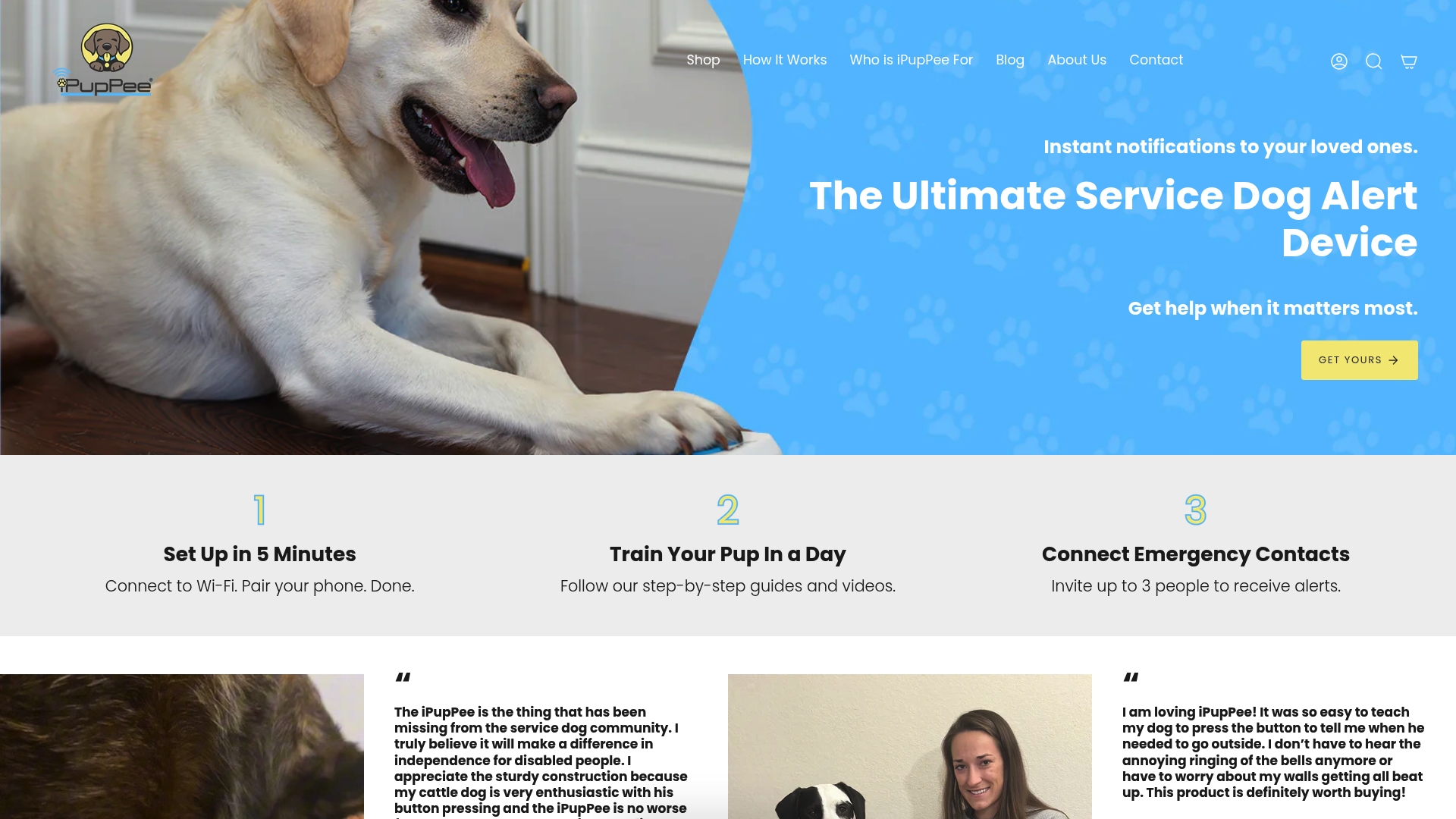
The iPupPee alert device gives dogs a direct way to signal their needs to owners through a single button press, a feature that matters most for disabled individuals, seniors living alone, and owners of dogs with limited mobility. Ipuppee also publishes practical guides on senior-friendly pet devices and dog tech for safety and health to help you make informed decisions. Visit Ipuppee to explore the full product range and find the right fit for your pet’s specific needs.
FAQ
What are personalized pet solutions?
Personalized pet solutions are products and services tailored to an individual pet’s breed, age, health condition, and behavioral needs. They range from customized meal plans and fitted orthopedic beds to smart communication devices and one-to-one in-home care.
Why do aging pets benefit most from personalized care?
Aging pets have narrower tolerances for disruption, missed medications, and environmental stress. One-to-one in-home care provides the stable routines and individual attention that senior pets need to maintain comfort and safety.
How does personalized nutrition differ from standard pet food?
Personalized nutrition adjusts caloric content, protein ratios, and ingredient profiles based on your pet’s specific weight, age, breed, and health conditions. Platforms like NomNomNow use these variables to build meal plans that standard commercial food cannot replicate.
What technology is most useful for special needs pets?
Communication alert devices, health-monitoring wearables, and AI-driven feeders are the three most practical technologies for special needs pets. Each addresses a specific gap: signaling needs, tracking health changes, and maintaining dietary consistency without owner intervention.
Is personalized pet care worth the higher cost?
The retention data says yes. Owners using personalized services stay with them at more than twice the rate of one-time buyers, which reflects real satisfaction rather than marketing loyalty. For pets with chronic conditions or aging-related needs, the cost of generic care that fails is typically higher than the premium for care that works.