

Over 70 percent of American households include a pet, reflecting just how deeply animals are woven into daily life. Pets are not only beloved companions but powerful contributors to emotional well-being. Scientists have found that shared moments with animals may reduce anxiety, elevate mood, and even encourage healthier routines. Whether you already live with a pet or simply wonder about their impact, discover how these bonds foster resilience and lasting joy.
Table of Contents
- How Pets Enhance Emotional Well-Being
- Types of Pets and Their Unique Benefits
- Pets as Social Bridges and Companions
- Safety, Communication, and Support Roles
- Addressing Challenges and Common Misconceptions
Key Takeaways
| Point | Details |
|---|---|
| Emotional Support | Pets significantly enhance emotional well-being by reducing stress and anxiety through affectionate interactions. |
| Lifestyle Benefits | Owning pets encourages physical activity and social interactions, which are crucial for mental health. |
| Social Connections | Pets act as social bridges, facilitating meaningful connections and interactions among individuals. |
| Commitment and Responsibility | Effective pet ownership requires a deep understanding of the time, effort, and resources needed to care for an animal companion. |
How Pets Enhance Emotional Well-Being
Pets are more than just companions - they are powerful emotional support systems that can dramatically transform our psychological landscape. Scientific research consistently demonstrates that interactions with animals provide profound emotional benefits, helping individuals manage stress, reduce anxiety, and improve overall mental health.
The emotional connection between humans and pets goes far beyond simple companionship. When we engage with our animal friends, our bodies release oxytocin, a hormone associated with bonding and positive emotional states. This neurochemical response helps reduce stress and anxiety, creating a natural mechanism for emotional regulation. Dogs, cats, and other pets offer unconditional love and a sense of security that can be particularly transformative for individuals struggling with loneliness or emotional challenges.
Beyond the immediate emotional comfort, pets encourage meaningful lifestyle changes that further enhance psychological well-being. Walking a dog, playing with a cat, or caring for any animal companion introduces regular physical activity and social interaction. These interactions break isolation cycles, provide structured routine, and create opportunities for connection. Emotional support animals can be especially powerful for individuals managing mental health conditions, offering a consistent source of comfort and grounding during challenging moments.
The psychological benefits of pet ownership extend across different life stages and personal circumstances. For seniors, pets can combat isolation and provide a sense of purpose. For individuals with anxiety or depression, animal companions offer nonjudgmental support and a reason to engage with the world. Understanding how dogs demonstrate emotional intelligence reveals the deep, intuitive connection these remarkable creatures share with their human companions, making them extraordinary partners in our emotional journeys.
Types of Pets and Their Unique Benefits
Pets come in diverse forms, each offering remarkable psychological and physiological advantages tailored to different individual needs. Scientific research reveals that various animal companions provide distinct health benefits, making pet selection a deeply personal journey of emotional and physical wellness.

Dogs stand out as particularly versatile companions, with remarkable cognitive benefits that extend far beyond simple companionship. Scientific studies suggest dog ownership can potentially reduce brain aging by up to 15 years, making them extraordinary partners in maintaining mental acuity. Canine companions offer stress reduction, increased physical activity, and enhanced social interactions, particularly beneficial for seniors and individuals managing mental health challenges.
Other pets bring equally impressive advantages to their human families. Cats provide quiet companionship and psychological support, helping reduce stress and anxiety. Small animals like guinea pigs can be especially therapeutic for children with specific developmental needs, offering gentle interaction and emotional connection. Service dogs specifically demonstrate extraordinary capabilities in supporting individuals with physical or emotional disabilities, showcasing the profound emotional intelligence of animal companions.
The diversity of pet options means that virtually everyone can find an animal companion matching their lifestyle and emotional requirements. From energetic dogs and independent cats to more low-maintenance pets like fish or birds, each animal brings unique emotional and health benefits. The key is understanding individual needs and selecting a pet that provides meaningful companionship, supports personal well-being, and creates a sense of connection and purpose in daily life.
Pets as Social Bridges and Companions
Social connections are fundamental to human well-being, and pets play a remarkable role in bridging social gaps and facilitating meaningful interactions. Scientific research demonstrates that dogs act as powerful social catalysts, dramatically increasing human engagement and eliciting positive social behaviors from strangers.
In settings ranging from university campuses to community spaces, therapy animals have proven transformative in reducing social isolation and stress. Students experiencing high-stress environments have shown significant improvements in mental health when regularly interacting with animals, highlighting the profound social and emotional support pets can provide. Animal companions become more than just pets - they are bridges that connect people, break down social barriers, and create opportunities for genuine human interaction.
Dogs, in particular, excel at creating social opportunities. Meeting a dog’s social needs can lead to increased human socialization, as walking a dog in parks, participating in training classes, or joining pet-related communities naturally introduces social interactions. These connections are especially powerful for individuals who might struggle with traditional social networking, such as seniors, people with disabilities, or those experiencing social anxiety.
The social benefits of pet ownership extend beyond direct interactions. Pets teach empathy, responsibility, and nonverbal communication skills. They provide a shared interest that can spark conversations, create community connections, and help individuals develop deeper, more meaningful social relationships. Whether through organized pet activities, chance encounters, or simple daily routines, animal companions consistently prove themselves as extraordinary social facilitators.
Safety, Communication, and Support Roles
Support animals play a critical role in enhancing personal safety and communication for individuals with diverse needs. Scientific research reveals that more than one in five pet owners have received recommendations from healthcare professionals for mental health support, underscoring the profound therapeutic potential of animal companions.
Beyond emotional support, pets serve as extraordinary communication bridges, particularly for individuals with disabilities or specialized needs. Service dog daily tasks demonstrate the sophisticated ways these animals can provide critical assistance, from alerting to medical conditions to offering physical navigation support. Their ability to understand and respond to human signals creates a unique interspecies communication system that transcends traditional boundaries.
Cognitive research indicates that pet ownership is associated with larger brain structures and enhanced cognitive functioning, suggesting that the support roles of animals extend far beyond immediate physical assistance. Neurological benefits emerge through consistent interaction, with pets providing sensory stimulation, emotional regulation, and a sense of security that actively contributes to brain health.
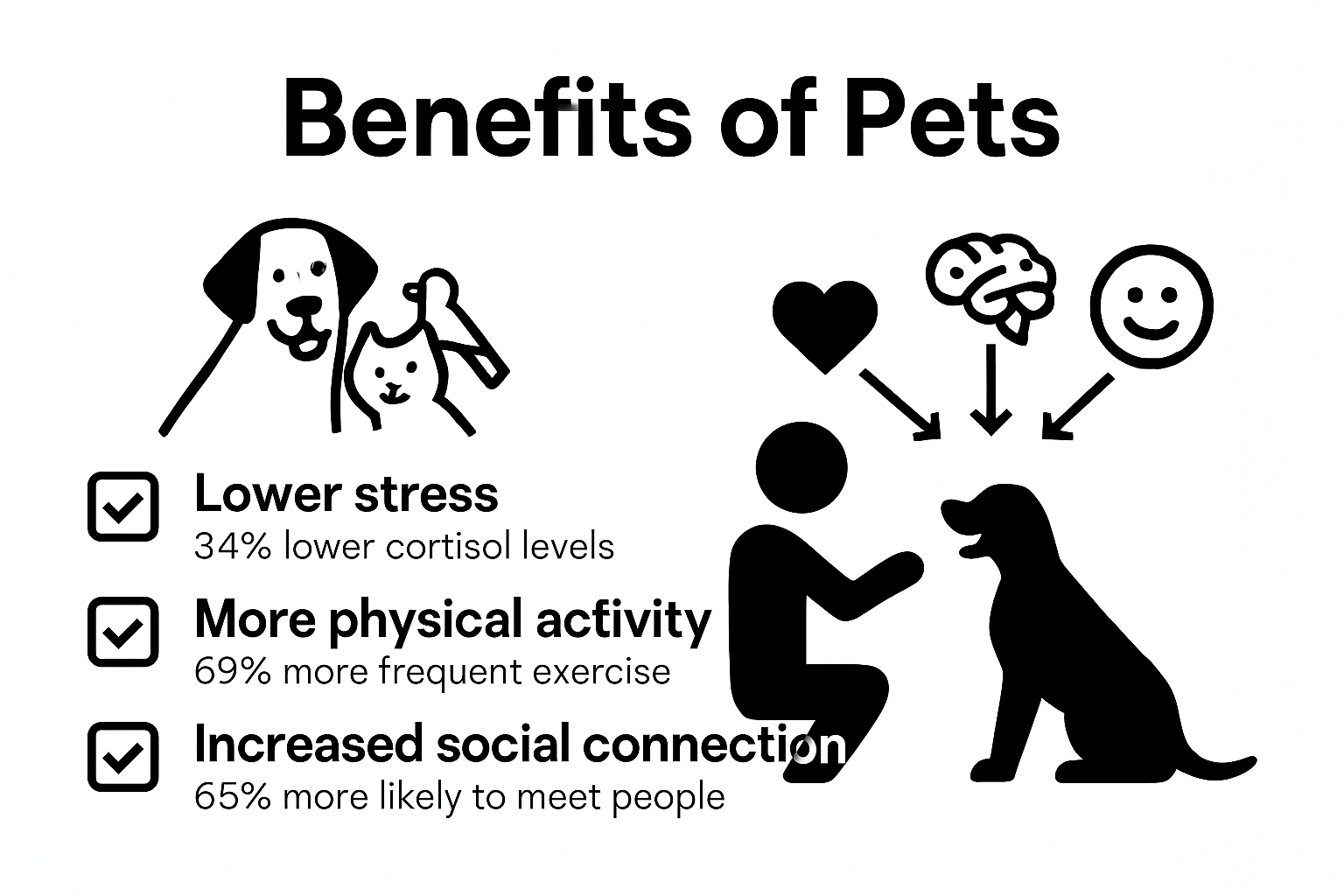
The multifaceted support roles of pets encompass physical safety, emotional stability, and cognitive enhancement. From service dogs guiding individuals with visual impairments to therapy animals providing comfort in high-stress environments, these remarkable companions continuously demonstrate their capacity to protect, communicate, and support human well-being across diverse contexts.
Addressing Challenges and Common Misconceptions
Pet ownership involves more than just emotional benefits - it requires realistic expectations and comprehensive understanding. Scientific research acknowledges that while pets offer profound advantages, they simultaneously demand significant time, effort, and financial resources that potential owners must carefully consider.
Many individuals harbor misconceptions about the complexity of animal companionship. Service dog handler tips reveal that successful pet relationships require dedicated training, consistent communication, and genuine commitment. Contrary to popular belief, pets are not simple accessories but living beings with intricate emotional and physical needs that demand attentive, responsible care.
Cognitive research challenges several long-standing myths, demonstrating that pet ownership can potentially reduce brain aging by up to 15 years. Neurological benefits extend far beyond simplistic assumptions, suggesting that meaningful animal interactions contribute substantively to human cognitive health. This scientific insight dismantles outdated perspectives that view pets as mere recreational companions.
Ultimately, successful pet ownership requires honest self-assessment. Potential owners must evaluate their lifestyle, financial stability, living environment, and emotional bandwidth. While pets offer extraordinary support and companionship, they are not universal solutions to personal challenges. Responsible pet ownership means understanding both the profound benefits and genuine responsibilities that come with welcoming an animal companion into one’s life.
Enhance Your Bond and Safety with Innovative Pet Communication Solutions
The article highlights that pets are incredible emotional support partners who also require effective communication and safety tools to truly enhance quality of life for both owners and their companions. Many pet owners experience challenges in maintaining clear communication, ensuring safety, and reinforcing the emotional connection with their animals—especially for those with service dogs or living alone. The iPupPee device directly addresses these pain points by offering a simple, reliable way for dogs to alert their owners, providing independence, peace of mind, and strengthening the unique bond between pet and human.
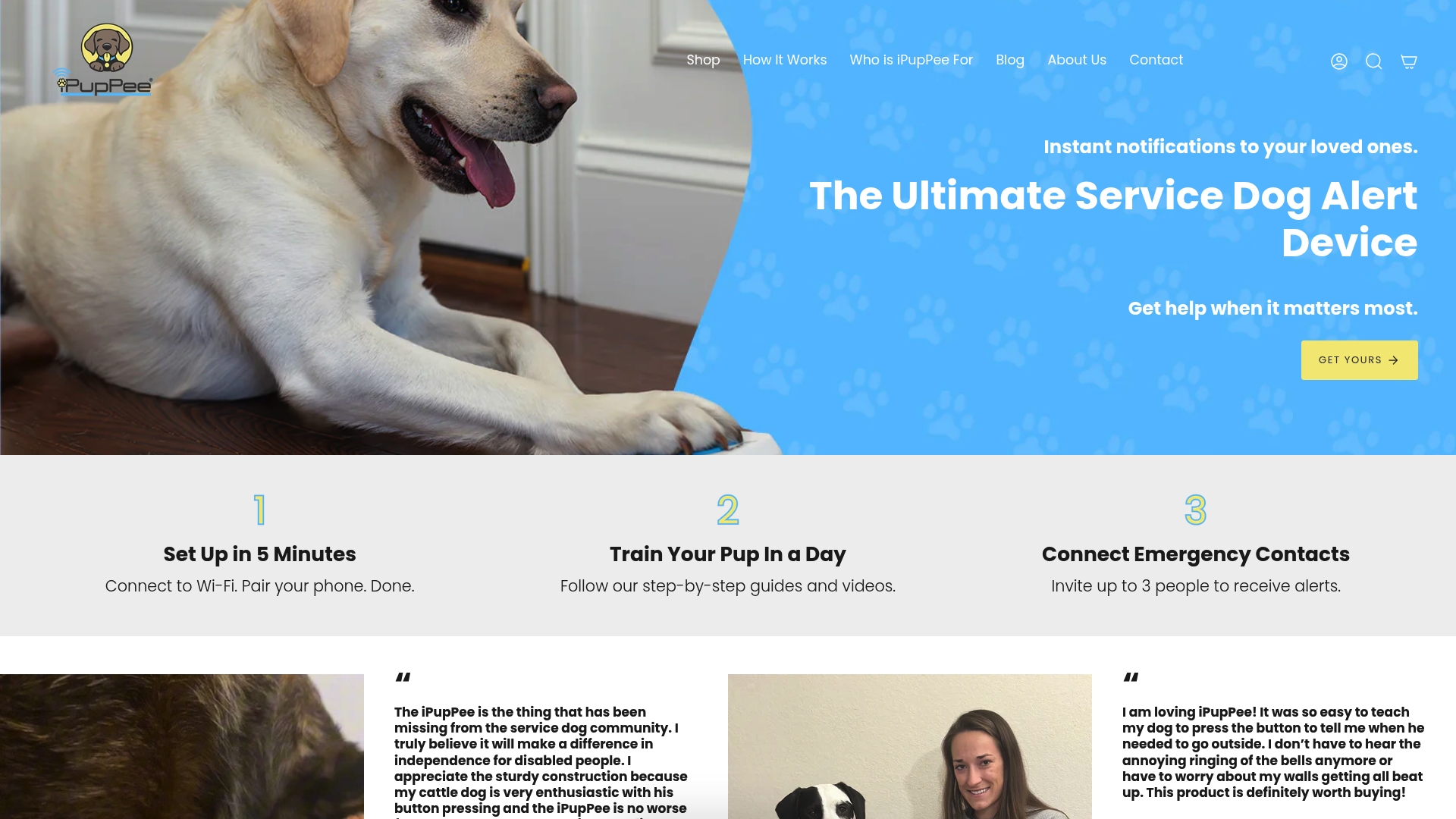
Discover how you can transform daily interactions and increase safety with the iPupPee device. Empower your companion to communicate their needs effortlessly and experience unprecedented support at home or on the go. Don’t miss the opportunity to enhance your pet’s emotional and physical well-being today. Explore training tips, customer stories, and purchase your iPupPee now at https://ipuppee.com to begin a new chapter of confident and connected pet ownership.
Frequently Asked Questions
How do pets improve emotional well-being?
Pets provide unconditional love and companionship, which can help reduce stress and anxiety. Interactions with animals release oxytocin, promoting positive emotional states and improving mental health.
What are the benefits of having a dog as a pet?
Dogs offer cognitive benefits, emotional support, increased physical activity, and enhanced social interactions, especially beneficial for individuals dealing with loneliness or mental health challenges.
Can pets help with social interactions?
Yes, pets, particularly dogs, can act as social catalysts, facilitating connections between people and reducing feelings of isolation by encouraging social engagement in various settings.
What challenges should I consider before getting a pet?
Potential pet owners should evaluate their lifestyle, financial resources, and emotional readiness, as pets require time, effort, and responsible care, and are not mere accessories.
Recommended
- How Dogs Help Seniors: Health, Happiness, and Independence 2025 – iPupPee
- Top Benefits of Dog Training for All Pet Owners in 2025 – iPupPee
- Top Service Dog Benefits in 2025: Health, Support, and Wellbeing – iPupPee
- Understanding the Benefits of Adopting Dogs – iPupPee
- Nose Work Training - Featured in What Pets Actually Want … | Prodcast