

Staying healthy and connected gets harder as the years go by, and many seniors feel that gap most sharply when living alone. A pet can change that equation faster than almost any other lifestyle shift. Dog-assisted interventions reduce loneliness in every study reviewed on the topic, which tells you something powerful about the bond between humans and animals. This guide walks you through the real health benefits of pet companionship, how to choose the right companion for your lifestyle, and which tools and technologies make that partnership safer and more rewarding every single day.
Table of Contents
- What makes pets so good for senior health?
- Criteria for choosing the right pet companion
- Top 5 pet-friendly tools for better senior health
- Comparison table: Popular pet companionship tools
- Which option fits your lifestyle? (Situational recommendations)
- Find more support and tools for a thriving pet partnership
- Frequently asked questions
Key Takeaways
| Point | Details |
|---|---|
| Pets boost senior health | Owning a pet can reduce loneliness, improve mood, and encourage physical activity in seniors. |
| Use tech for safer care | Pet cameras and smart collars help seniors monitor and interact with pets, making care safer and easier. |
| Choose pets carefully | The best pet type depends on your health, energy, and lifestyle needs. |
| Balance attachment and ability | High attachment can be helpful but may add stress or memory challenges if not balanced with care capabilities. |
| Resources are available | Many guides and tools exist to support healthy, joyful relationships between seniors and their pets. |
What makes pets so good for senior health?
The science here is not subtle. Pets deliver measurable benefits across physical, emotional, and cognitive health, and those benefits compound over time. If you have ever noticed that a dog owner in your neighborhood seems more energetic and socially engaged, there is a real reason for that.
Here is what the research consistently shows:
- Reduced loneliness: Pet ownership links to better psycho-social outcomes, including higher social capital and stronger neighborhood attachment.
- More physical activity: Dog owners walk more, move more, and maintain better mobility into older age.
- Slower cognitive decline: Dog and cat ownership associates with slower cognitive decline in adults over 50, particularly in executive function and episodic memory.
- Emotional purpose: Caring for another living creature gives structure and meaning to each day.
- Lower stress: Petting an animal lowers cortisol levels and raises oxytocin, the bonding hormone.
Understanding how pets improve quality of life goes beyond feel-good stories. It is backed by clinical data. The benefits of pet ownership extend even to heart health, with some studies linking pet ownership to lower blood pressure and reduced cardiovascular risk.
“Dog-assisted interventions reduced loneliness and improved social interaction in older adults across all four studies reviewed.” — Springer, 2025
That said, pets are not without challenges. Vet bills, unexpected health issues, and the physical demands of daily care are real considerations. Loneliness and aging are serious issues, but so is taking on more than you can handle. The goal is a partnership that supports you, not one that adds stress.
Now that we have established the profound impact pets can have on your health, it is important to know what types of pets and pet-related tools fit best for your lifestyle and needs.
Criteria for choosing the right pet companion
Choosing a pet is one of the most personal decisions you will make. The wrong match can create stress; the right one can genuinely transform your daily life. Here is a practical framework to guide your decision.
- Assess your physical capability. Can you walk a dog daily, lift a litter box, or bend to fill a water bowl? Be honest. Dog owners show higher walking activity, which is great if you are mobile, but demanding if you are not.
- Match energy levels. A high-energy breed like a Border Collie needs far more stimulation than a senior Basset Hound or a calm cat. Choose a pet whose energy mirrors yours.
- Think long-term. A puppy may live 15 years. Consider your health trajectory and who would care for the pet if your situation changed.
- Budget realistically. Food, routine vet care, grooming, and emergency costs add up. Support for aging pet owners is available through community programs if costs become a concern.
- Consider age of the pet. Senior pets are often calmer, already trained, and deeply grateful for a loving home. Many shelters run matched-adoption programs specifically for older adults.
For senior pet safety and a smoother transition, smaller breeds and adult cats tend to require less physical effort while still delivering full emotional benefits. Explore senior pet companionship options that align with your current health and home setup.
Pro Tip: Ask your local shelter about senior-to-senior adoption programs. These match older adults with older pets, and the results are often remarkable for both.
Understanding your options is key. Let’s look at how technology can enrich your interaction and keep both you and your pet safe.
Top 5 pet-friendly tools for better senior health
Technology has made it easier than ever to stay connected with your pet, monitor their health, and manage daily care without physical strain. These five tools stand out for seniors.
- Two-way cameras (Petcube, Furbo): Pet tech tools like cameras enable two-way interaction and let you see, hear, and even speak to your pet from another room or while away. Some models dispense treats remotely.
- Smart collars: These track your dog’s location, activity levels, and even sleep patterns. They alert you if your pet leaves a safe zone or shows unusual behavior.
- Motion and health monitors: Clip-on or mat-based sensors detect changes in your pet’s movement, breathing, or rest patterns, giving you early warning of potential health issues.
- Vibration and light cue devices: Ideal for hearing-impaired pets or owners. These tools use gentle vibration or flashing lights instead of sound to signal commands or alerts. Explore pet alert systems for seniors that use this approach.
- Voice assistant integration: Alexa or Google Home can remind you to feed your pet, schedule vet appointments, or even play calming sounds for an anxious dog. This is especially helpful for seniors managing memory challenges.
Pro Tip: Combine a two-way camera with a smart collar for a complete picture of your pet’s wellbeing, whether you are in the next room or across town. Learn more about dog communication for seniors to find the right setup.
With these pet-friendly tools explored, it is helpful to see how they compare for different scenarios and needs.
Comparison table: Popular pet companionship tools
Smart collars and interactive cameras support pet care and owner-pet interaction in ways that were not possible even five years ago. Here is a side-by-side look at the top options.
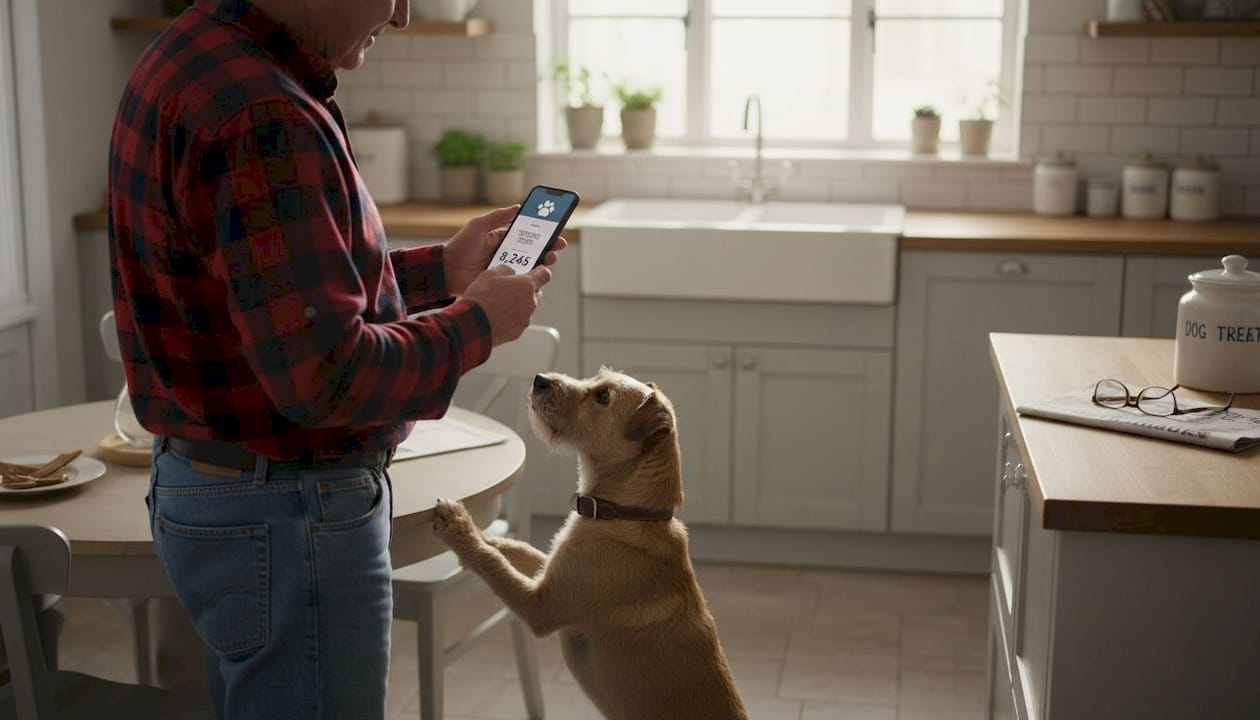
| Tool | Interaction type | Key features | Ease of use | Estimated cost | Best for |
|---|---|---|---|---|---|
| Two-way camera | Visual and audio | Live video, treat dispenser, two-way talk | Easy | $50 to $200 | Seniors living alone |
| Smart collar | Passive monitoring | GPS, activity tracking, health alerts | Moderate | $80 to $150/yr | Active dog owners |
| Health monitor mat | Passive monitoring | Breathing, movement, sleep tracking | Very easy | $100 to $300 | Frail seniors or senior pets |
| Vibration/light cue device | Active communication | Hearing-impaired pets or owners | Easy | $30 to $80 | Hearing loss situations |
| Voice assistant | Audio reminders | Feeding schedules, vet reminders, calming sounds | Easy | Free to $50 | Memory support needs |
For a broader overview of pet alert systems, the iPupPee blog covers options suited specifically to seniors and their unique needs.
After reviewing all the options and direct comparisons, let’s apply these insights to specific real-life situations seniors may face.
Which option fits your lifestyle? (Situational recommendations)
Not every senior has the same needs, and the best pet-senior partnership looks different depending on your health, home, and emotional situation. Here is how to match your circumstances to the right solution.
- Limited mobility: Choose a calm adult cat or a small, low-energy dog breed. Pair with a health monitor mat and voice assistant reminders to reduce physical strain.
- Memory challenges: A routine-oriented pet like a cat works well. Voice assistants handle feeding reminders. Live animal-assisted therapy reduces depressive symptoms more effectively than robotic companions, so a real pet still wins here.
- Budget concerns: A senior cat or small animal like a rabbit has lower vet and food costs. A basic two-way camera is affordable and adds significant peace of mind.
- High emotional attachment: If you bond deeply with your pet, be aware that higher attachment may affect some cognitive areas and that pet care burden can increase stress for frail seniors. Build in support from family or pet care services.
- Hearing or vision loss: Vibration and light cue devices help both you and your pet communicate more clearly. These tools adapt well to sensory changes on either side of the relationship.
For ongoing guidance, senior pet health tips and pet owner tips for seniors offer practical, up-to-date advice. Also, pet ownership and cognitive health is a topic worth exploring if memory is a concern for you or a loved one.
| Situation | Recommended pet | Recommended tool | Monthly cost estimate |
|---|---|---|---|
| Limited mobility | Senior cat or small dog | Health monitor mat | $10 to $30 |
| Memory challenges | Routine-oriented cat | Voice assistant | $0 to $15 |
| Budget-conscious | Small animal or senior cat | Basic two-way camera | $5 to $20 |
| High attachment | Dog or cat | Smart collar plus camera | $20 to $40 |
| Sensory loss | Any calm pet | Vibration/light cue device | $5 to $15 |
To wrap up, all these pieces fit together to create the healthiest, happiest pet-senior partnership possible when you choose thoughtfully and use the right tools.
Find more support and tools for a thriving pet partnership
You have done the hard work of understanding what makes a great pet-senior relationship. Now it is time to put that knowledge into action. At iPupPee, we have built a library of resources specifically for seniors and their companions, from safety guides to communication tools designed for real-life challenges.
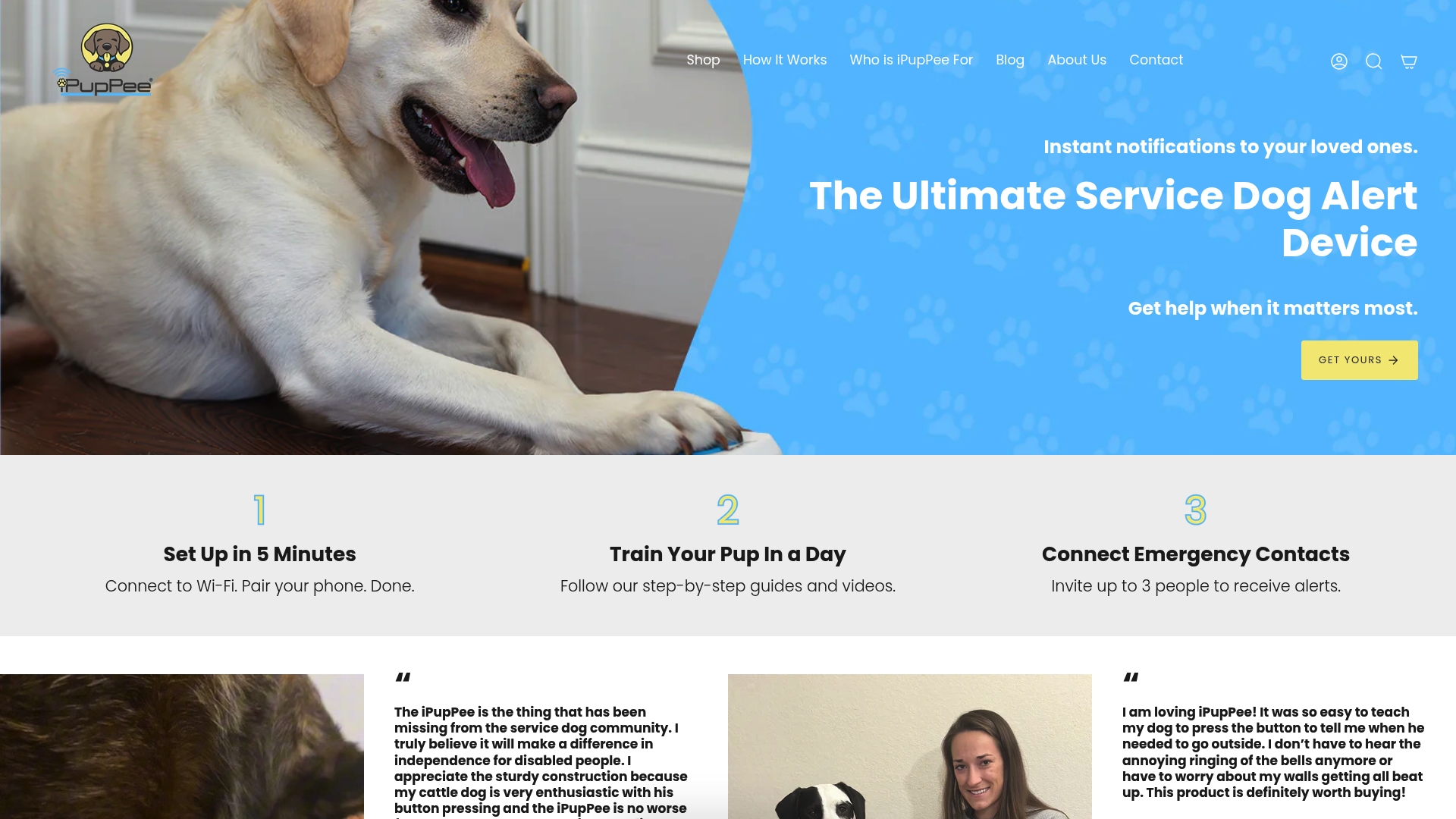
Visit iPupPee’s senior pet resources to explore products like the iPupPee alert device, which lets your dog signal you with a simple button press, a genuine game-changer for seniors living alone. You can also learn how pets improve quality of life through our in-depth blog guides. Whether you are just starting your search for the right companion or looking to upgrade your current setup, we have the tools and information to help you and your pet thrive together.
Frequently asked questions
What type of pet is best for seniors?
Dog and cat ownership associates with slower cognitive decline in adults over 50, making them top choices, but small, low-maintenance pets like rabbits or birds may suit those with limited mobility or energy better.
Are there tech tools that make pet care easier for seniors?
Yes. Pet tech tools like cameras and smart collars enable two-way communication and health monitoring, giving seniors and their families real peace of mind without adding physical burden.
Do pets really help reduce loneliness for older adults?
Absolutely. Dog-assisted interventions reduce loneliness and improve social interaction in older adults across every study reviewed, making pet companionship one of the most effective tools against isolation.
What if a senior cannot care for a pet full-time?
Consider low-maintenance pets, shared care arrangements with family, or technology like voice assistants and automatic feeders. Pet care burdens for frail seniors are real, and planning ahead makes all the difference.
Is there any risk to senior health from having a pet?
Most effects are positive, but higher attachment may affect some cognitive areas and pet care demands can increase stress for those in fragile health. Balancing emotional connection with practical support keeps the relationship healthy for both of you.
Recommended
- Senior Pet Safety: Keeping Aging Companions Secure – iPupPee
- Senior pet health guide 2026: care tips for elderly dogs – iPupPee
- Senior Pet Companionship: Enhancing Life for Aging Dogs – iPupPee
- Why Pets Improve Quality of Life for Owners – iPupPee
- Pet-Friendly HVAC Solutions: Healthier Homes for Pets - HVAC Service and Repair | Louisville, KY | Project Heating & Cooling