

TL;DR:
- Senior-friendly pet devices are designed with automatic functions, simple controls, and easy alerts to reduce physical and mental effort in daily care. Products like smart feeders, AI litter boxes, and robotic companions help seniors monitor health, stay connected, and enjoy their pets without overwhelming complexity. Combining a few tailored tools can significantly ease pet care and enhance emotional well-being for aging pet owners.
Caring for a pet when you’re older should feel rewarding, not exhausting. Yet many seniors find that standard pet gadgets assume quick reflexes, sharp eyesight, and comfort with complex apps. That’s exactly why senior-friendly pet devices have become one of the fastest-growing categories in pet technology for seniors. These are purpose-designed or thoughtfully adapted tools that reduce the physical and mental effort of daily pet care, while keeping your companion safe and well. This article walks you through what to look for, which devices stand out in 2026, and how to match the right tool to your situation.
Table of Contents
- Key takeaways
- 1. What makes senior-friendly pet devices worth your attention
- 2. Smart feeders that take the guesswork out of mealtime
- 3. Water fountains with built-in health protection
- 4. Self-cleaning litter boxes with AI health monitoring
- 5. Communication and wearable devices for real-time connection
- 6. Robotic companion pets for seniors with cognitive challenges
- 7. Comparison of top devices at a glance
- 8. Situational recommendations: matching devices to your life
- My honest take on all of this
- How Ipuppee can help you take the next step
- FAQ
Key takeaways
| Point | Details |
|---|---|
| Prioritize low cognitive load | Look for devices with automatic features and simple one-step alerts that reduce daily decision-making. |
| Health monitoring saves vet trips | AI-powered feeders and litter boxes catch early warning signs before small issues become serious problems. |
| Communication devices add safety | Wearable tech lets you or a caregiver stay connected with your pet without physically being present. |
| Robotic companions serve a real need | For seniors with dementia or loneliness, robotic pets provide emotional comfort without caregiving demands. |
| Involve a caregiver in alert setup | Family members can monitor app notifications on your behalf, reducing the burden of managing constant updates. |
1. What makes senior-friendly pet devices worth your attention
The term “senior-friendly” gets used loosely in marketing, but in the pet tech world it has a practical meaning. Accessible pet devices are built around three principles: minimal steps to operate, automatic default behaviors, and timely alerts that don’t require constant supervision. These principles matter because smart home tech for seniors works best when paired with intuitive controls and voice-activated features, not buried menus or tiny buttons.
What should you specifically look for? Here’s a working checklist:
- Simple physical controls. Large buttons, tactile feedback, and clear on/off indicators reduce frustration for anyone with arthritis or reduced dexterity.
- App notifications with plain language. Alerts that say “Your pet hasn’t eaten in 12 hours” are far more useful than raw data dashboards.
- Long battery life or auto-recharging. Devices that need charging every two days become chores. Aim for weeks, not days.
- Voice command compatibility. Devices that work with Alexa or Google Assistant let you check in without touching a phone.
- Easy cleaning and maintenance. Removable parts, dishwasher-safe trays, and filter-change reminders matter more than most buyers realize at purchase.
Pro Tip: Before buying any app-connected device, ask a family member to test the companion app first. If they find it confusing, you probably will too.
2. Smart feeders that take the guesswork out of mealtime
Forgetting a feeding, or worrying whether you already fed your pet, is a real daily stress for many seniors. A smart feeder solves this with scheduled automation and a simple log you can glance at from a phone.
The Fresh Element Solo automatic cat feeder is a strong example of what well-designed pet technology for seniors looks like in practice. It schedules between 1 and 10 meals per day, sends app notifications when food runs low, and receives firmware updates automatically so the device stays current without you doing anything. You set the schedule once and the feeder handles the rest. That’s the core promise of good senior pet care tools: set it, trust it, and let it run.
For seniors managing multiple pets or irregular schedules, the remote-control feature means a caregiver or family member can trigger a feeding remotely, which adds a practical safety layer without requiring the senior to do anything extra.
3. Water fountains with built-in health protection
Hydration is a bigger health concern for pets than many owners realize, and monitoring water intake manually is nearly impossible. That’s where a well-designed water fountain becomes one of the most practical easy-to-use pet gadgets in a senior’s home.
The EverSweet Max 2 pet water fountain offers up to 83 days of cordless battery life along with a 101-ounce reservoir, UVC sterilization, and push notifications when water levels or filter status need attention. The auto shut-off at low water levels means there’s no risk of the pump running dry and burning out.
One thing to plan for: filter replacement timing directly affects how well the UVC sterilization works. The device will remind you, but having a spare filter on hand eliminates any gap in water quality. That kind of maintenance literacy is worth building into your routine from day one.
4. Self-cleaning litter boxes with AI health monitoring
A self-cleaning litter box isn’t just a convenience. For seniors with limited mobility, bending down to scoop a litter box daily can be genuinely difficult and even unsafe. But the best accessible pet devices in this category go further than just cleaning themselves.
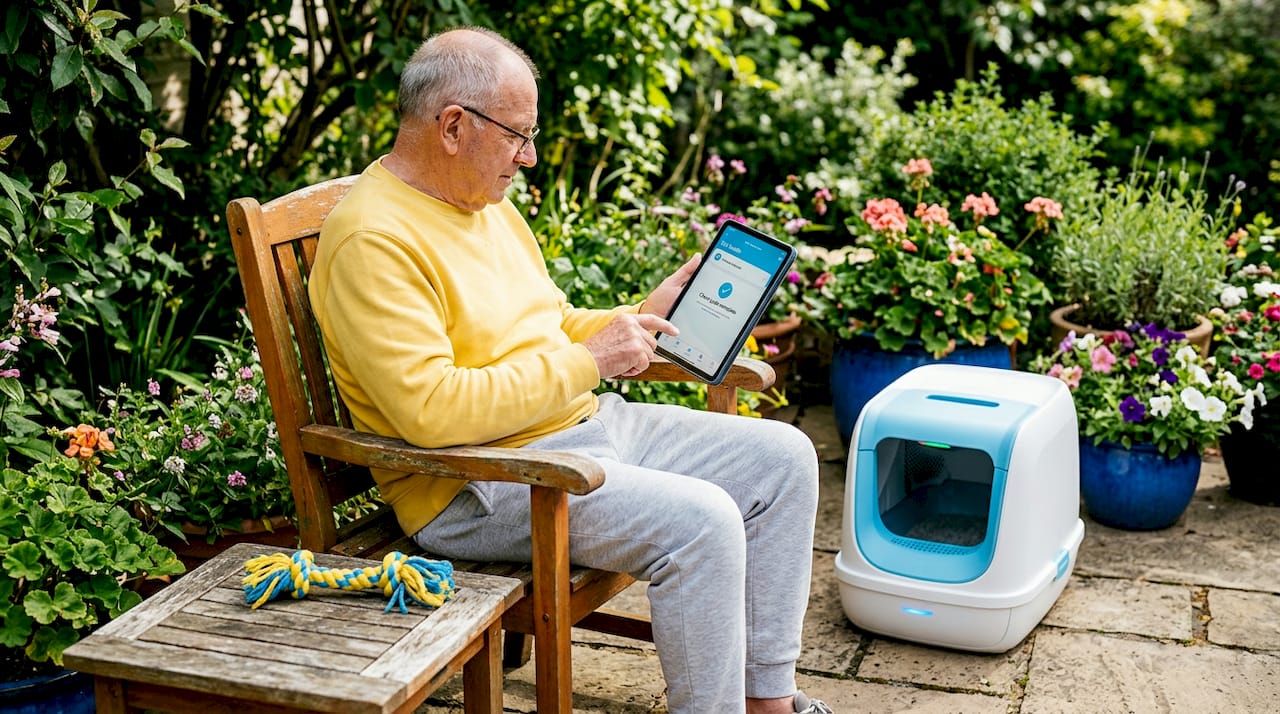
The PUROBOT MAX PRO 2 litter box uses AI with urine-pH and sound detection to monitor your cat’s health, and sends an alert if no cat use occurs within 24 hours. It recognizes up to 15 cats and triggers notifications for urinary health changes. For a senior living alone with a cat, that 24-hour alert is genuinely meaningful. A missed visit to the litter box can signal a urinary blockage, which is a veterinary emergency.
For multi-cat households, the SiiPet LitterLens adds a camera layer. It detects cats via infrared, sends instant push notifications on abnormalities, and tracks health data for up to 12 months. The vet-grade health logs it generates are the kind of documentation that makes a difference when you do visit the clinic.
Pro Tip: Place your litter box camera in a consistent, stable location. Multi-pet tracking accuracy depends heavily on the device staying in the same position, so avoid moving it once it’s set up.
5. Communication and wearable devices for real-time connection
Wearable tech sits at the intersection of safety and emotional connection, and it’s one of the most practical areas of wearable tech for dogs for seniors who spend time away from home or want to stay connected without being physically present.
The PetPogo PetPhone and PetCam represent a new category of best pet products for elderly owners who worry about their pets during appointments or errands. The PetPhone enables real-time two-way audio calls, while the PetCam is a lightweight wearable camera your dog carries. The focus is on emotional connection and real-time safety, not just GPS tracking.
Then there’s the PettiChat smart collar, which claims to translate pet sounds into human language with roughly 93% accuracy. The honest caveat: independent validation is limited, and context capture has real limitations. What it does offer is something different. For seniors who feel disconnected from their pet’s needs, seeing a phrase like “I’m anxious” on a screen can prompt a check-in that might not have happened otherwise. Treat it as a helpful prompt, not a clinical diagnosis.
6. Robotic companion pets for seniors with cognitive challenges
This category surprises people, but it shouldn’t. For seniors experiencing memory loss, dementia, or significant anxiety, a real pet may be too demanding to care for safely. A robotic companion can fill that emotional gap without the feeding, grooming, and medical responsibilities.
The Percy 1.1 robotic dog is purpose-built for this use case. It includes multi-touch sensors, voice commands, adjustable volume, and an auto-sleep feature that activates when not in use. It’s recognized as useful in dementia care because it responds to touch and sound in ways that feel natural and comforting, without requiring the senior to remember feeding schedules or vet appointments.
This is one of the few devices where the design philosophy behind minimizing cognitive load in senior care is fully visible in the product. Every interaction is triggered by a simple gesture or word.
7. Comparison of top devices at a glance
Choosing between devices is easier when you can see the key differences side by side. Here’s how the leading options compare across the factors that matter most to seniors.
| Device | Ease of use | Health monitoring | Maintenance demand | Best for |
|---|---|---|---|---|
| PETKIT Fresh Element Solo | High (auto-schedule) | Feeding logs only | Low (app alerts) | Seniors with irregular schedules |
| PETKIT EverSweet Max 2 | High (cordless) | Hydration tracking | Low (filter reminders) | Any senior with a cat or small dog |
| PUROBOT MAX PRO 2 | Medium (app setup) | AI health detection | Low (self-cleaning) | Single or multi-cat households |
| SiiPet LitterLens | Medium (camera setup) | Vet-grade logs, 12 months | Low (stable placement) | Multi-cat households |
| PetPogo PetPhone + PetCam | Medium (app-based) | None | Low | Seniors who travel or run errands |
| PettiChat Collar | Medium | Behavioral prompts | Low | Seniors wanting emotional insight |
| Percy Robotic Dog | Very high (no app) | None | Very low | Seniors with dementia or anxiety |
8. Situational recommendations: matching devices to your life
Not every device fits every senior or every living situation. Here’s how to think through the right match:
- If you live alone with a cat: Prioritize the PUROBOT MAX PRO 2 or SiiPet LitterLens. The 24-hour no-use alert is a real safety net when there’s no one else to notice something is wrong.
- If you’re not comfortable with smartphones: Choose the Percy robotic companion or a standalone smart feeder with physical buttons. Skip app-heavy devices until you feel ready.
- If a caregiver or family member is involved: Set up a shared account on any app-connected device. Alert management for seniors works best when someone else can monitor notifications and flag anything unusual.
- If your budget is limited: The EverSweet Max 2 gives the most practical daily value at a mid-range price. Smart feeders come in at various price points and pay back their cost quickly in reduced stress.
- If emotional connection is the priority: The PetPogo PetCam for a real pet, or Percy for a robotic companion, both serve that need without heavy technical demands.
For a broader picture of how these tools fit into daily life, the senior pet safety guide from Ipuppee covers the full picture of keeping aging pets and their owners safe together.
My honest take on all of this
I’ve spent a lot of time evaluating pet tech from the perspective of real-world use, and here’s what I’ve found that most reviews won’t tell you.
The devices that genuinely help seniors are the ones that do something automatically. Not the ones with the most features. A feeder that texts you when food is low is only useful if you actually check your phone. A litter box that cleans itself and alerts a family member is useful even if you never open the app. My rule: if the device requires you to take action more than once a week, it’s adding to your cognitive load, not reducing it.
I’m also cautious about the pet translation category. The PettiChat collar is charming, and I understand its appeal. But I’ve seen seniors take those “translations” literally and skip a vet visit because the collar said “I’m fine.” Treat any pet sound translation as an emotional conversation starter, not a diagnostic tool.
The best outcome I’ve seen is when a senior uses two or three complementary devices. A smart feeder, an AI litter box monitor, and a wearable camera or communication collar covers feeding, health, and connection. Each one reduces one specific burden. Together, they cover most of the daily care cycle without requiring much from you at all. Start with one device, get comfortable, then add from there.
— Andrew
How Ipuppee can help you take the next step
If you’re ready to move from reading to acting, Ipuppee is a strong place to start. The platform specializes in pet communication and safety devices designed specifically for seniors, people living alone, and those with service dogs. The iPupPee alert device, in particular, gives your dog a direct way to communicate a need with a single button press, reducing the guesswork that leads to missed signals and preventable accidents.
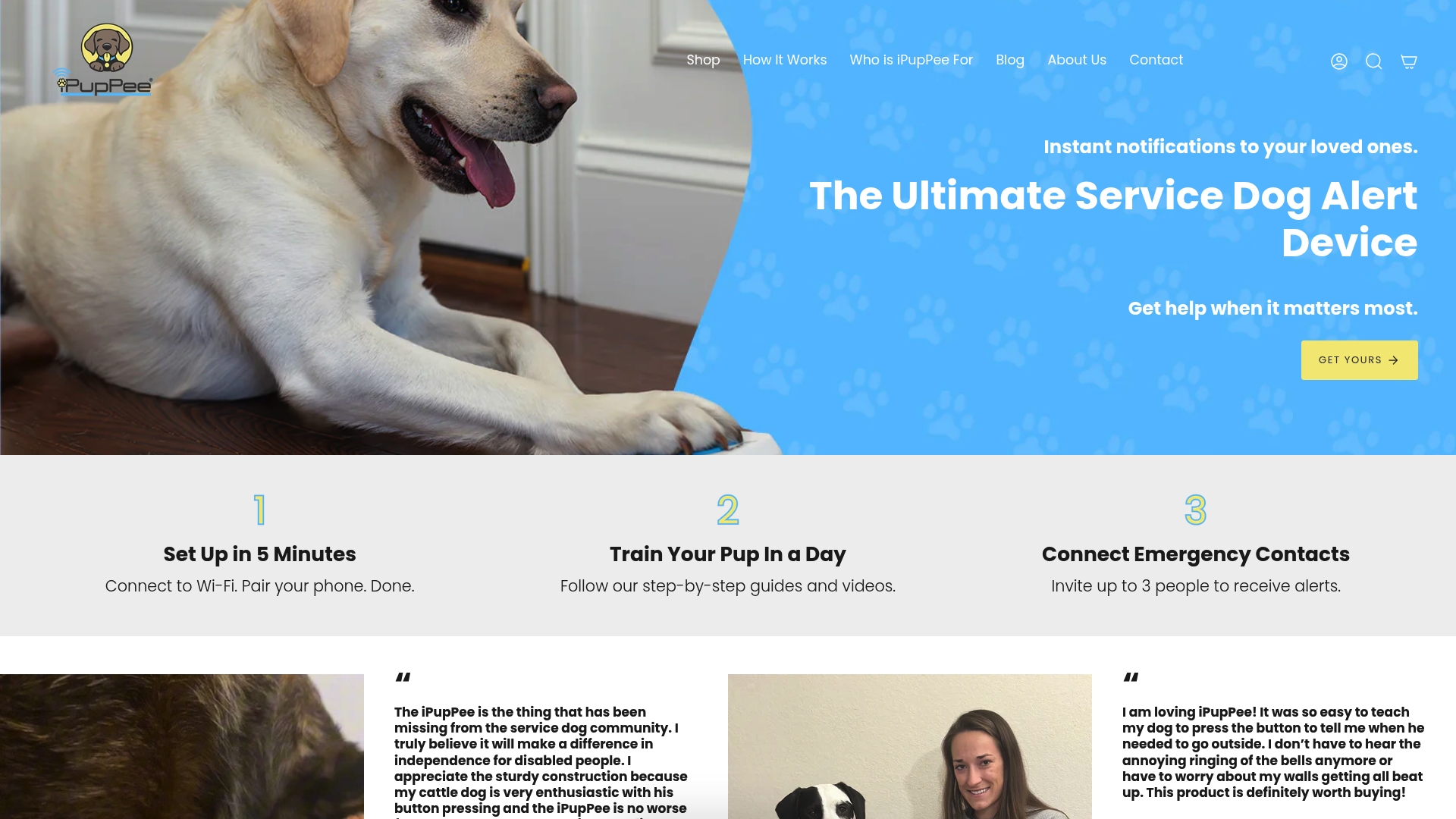
Beyond the flagship device, Ipuppee’s blog covers practical guidance on dog communication devices and how to set them up for seniors who are new to pet tech. Whether you’re looking for a first device or building out a full senior pet care setup, the resources at Ipuppee are organized around real use cases, not just product specs. You’ll find training guides, video testimonials, and educational content that makes the learning curve much shorter than going it alone.
FAQ
What are the easiest pet devices for seniors to use?
Robotic companions like the Percy 1.1 and standalone smart feeders with physical buttons require the least technical skill. Devices that operate automatically with minimal setup are the best starting point for seniors new to pet tech.
Can a family member monitor my pet’s health devices remotely?
Yes. Most app-connected devices like the PUROBOT MAX PRO 2 and SiiPet LitterLens support shared accounts, so a caregiver or family member can receive the same alerts and health logs on their own phone.
Are pet translation collars accurate enough to rely on?
The PettiChat collar claims roughly 93% translation accuracy, but independent validation is limited. Use these devices as emotional prompts rather than medical guidance.
How often do smart water fountains need maintenance?
The EverSweet Max 2 runs up to 83 days cordless on a single charge and sends filter-change reminders through its app, making it one of the lowest-maintenance options available.
What pet device is best for a senior with dementia?
The Percy 1.1 robotic dog is purpose-built for seniors with memory loss or anxiety. It requires no feeding, no vet visits, and responds naturally to touch and voice without any app or setup after the initial configuration.