

More than half of American families will eventually care for a senior dog facing mobility challenges. Every aging pet deserves comfort and safety, yet adapting your home can feel like a complex puzzle. Prioritizing simple changes—like better traction, optimized rest spaces, and easy-access pathways—can dramatically reduce fall risks and help your companion remain part of the family’s daily life. Explore the most effective strategies to keep your senior dog safe, comfortable, and happy at home.
Table of Contents
- Adapting Home For Mobility
- Supporting Health Through Nutrition
- Establishing Safe Daily Routines
- Monitoring Health Risks Proactively
- Preventing Accidents And Injuries
Key Takeaways
| Point | Details |
|---|---|
| Home Adaptations | Modifying your home with safe walking surfaces and comfortable resting areas can greatly enhance a senior dog’s quality of life. |
| Nutritional Needs | Tailoring nutrition to your dog’s specific health requirements is essential for maintaining their well-being. |
| Routine Establishment | Creating predictable daily routines can reduce anxiety and support overall comfort in aging dogs. |
| Proactive Health Monitoring | Regular veterinary check-ups and journaling health trends can help detect potential health issues early. |
Adapting Home For Mobility
As senior dogs experience reduced mobility, creating a safe and comfortable home environment becomes crucial for their well-being. Strategically modifying living spaces can dramatically improve your aging companion’s quality of life, reducing fall risks and supporting their changing physical needs.
One essential adaptation involves providing safe walking surfaces throughout your home. Senior dogs benefit from traction-enhancing surfaces like yoga mats or non-slip rugs placed along their common paths. These surfaces help prevent slipping and provide confidence during movement, especially on hardwood or tile floors that can be challenging for dogs with weakened muscles or joint problems.
Another critical modification involves creating comfortable resting areas. Orthopedic beds with memory foam can significantly reduce joint pressure and provide necessary support for aging dogs. Position these beds in quiet, draft-free areas away from high-traffic zones, allowing your senior pet to rest comfortably without being disturbed. Consider placing multiple beds in different rooms so your dog can remain close to family members while having a dedicated relaxation space.
Structural home modifications might also include installing ramps or gentle-incline walkways to help dogs navigate stairs or elevated surfaces. Baby gates can restrict access to potentially dangerous areas, while raised food and water bowls can make eating and drinking easier for dogs with limited mobility. Keeping pathways clear of clutter and ensuring good lighting will further enhance your senior dog’s safety and independence.
Here is a summary of effective adaptations for a mobility-friendly home:
| Adaptation Type | Purpose | Example Solution |
|---|---|---|
| Traction Surfaces | Prevent slipping and falls | Non-slip rugs, yoga mats |
| Resting Areas | Reduce joint pressure, improve comfort | Memory foam orthopedic bed |
| Access Modifications | Aid movement across levels or obstacles | Ramps, gentle walkways |
| Safe Eating/Drinking | Promote easier access to food/water | Raised bowls |
Pro Tip: Gradual Adaptation Strategy: Introduce home modifications slowly and observe your dog’s comfort level, allowing them to adjust at their own pace and minimizing potential stress from sudden environmental changes.
guide to independent living with pets can provide additional insights into creating a supportive home environment for aging companions.
Supporting Health Through Nutrition
As dogs enter their senior years, nutrition becomes a critical factor in maintaining their overall health and managing age-related conditions. Veterinary experts recognize that dietary needs change dramatically during this life stage, requiring careful and thoughtful nutritional planning tailored to each individual dog’s specific health requirements.
Research indicates that nutritional interventions play a crucial role in managing senior pet diseases, with strategic dietary approaches potentially mitigating various age-related health challenges. Fish oil, for instance, can be directly incorporated into pet food to reduce inflammation, support joint health, and minimize the number of supplements an owner needs to administer. This approach simplifies caretaking while providing essential nutritional support.
Individualized nutrition becomes paramount in senior pet care. Veterinary healthcare professionals emphasize that there is no universal nutrient profile for aging dogs, making personalized nutritional assessments critical. Early detection of medical conditions allows for targeted dietary interventions that can significantly improve recovery prospects and maintain quality of life. Factors such as metabolism, activity level, existing health conditions, and individual metabolic differences must all be considered when designing an appropriate nutritional plan.
Senior dogs often require modified protein levels, adjusted calorie intake, and specific supplements to support their changing bodily functions. Consulting with a veterinarian can help identify precise nutritional needs, which might include specialized diets for kidney function, joint health, weight management, or specific chronic conditions. Monitoring weight, tracking energy levels, and being attentive to dietary responses are essential components of nutritional management.
Pro Tip: Nutrition Detective: Regularly observe your senior dog’s eating habits, weight, and energy levels, and maintain open communication with your veterinarian about potential dietary adjustments.
Top pet health tips can provide additional guidance on maintaining your senior dog’s nutritional wellness.
Establishing Safe Daily Routines
Designing safe and consistent daily routines for senior dogs requires careful planning and understanding of their changing physical and cognitive abilities. As dogs age, their need for predictability and structured interactions becomes increasingly important, helping to reduce anxiety and support their overall well-being.
Research suggests that adaptive strategies can significantly enhance daily safety for aging individuals, a concept that extends powerfully to senior pets. By creating predictable schedules that account for reduced mobility, decreased energy levels, and potential health challenges, pet owners can provide a sense of security and comfort for their aging companions.
Establishing a consistent routine involves several key considerations. Morning activities should be gentle and accommodate your dog’s reduced stamina, potentially involving shorter, slower walks and careful monitoring of their energy levels. Feeding times should remain consistent, with meals adjusted to match their current nutritional needs and any dietary restrictions recommended by veterinarians. Medication administration, rest periods, and gentle play or mental stimulation activities should be integrated systematically into daily schedules.
Technology and supportive tools can also play a significant role in maintaining safe daily routines. Specialized pet monitoring devices, automated feeding systems, and adaptive home modifications can help compensate for your senior dog’s changing capabilities. Regular veterinary check-ups and open communication about any changes in behavior or physical ability are crucial for continuously refining and adapting these daily routines.
Pro Tip: Routine Detective: Document your senior dog’s daily patterns, energy levels, and preferences in a journal to help you create the most supportive and personalized routine possible.
Master service dog daily routines can provide additional insights into creating structured, supportive environments for aging pets.
Monitoring Health Risks Proactively
As dogs enter their senior years, understanding and anticipating potential health risks becomes a critical aspect of responsible pet ownership. The aging process introduces a complex range of medical vulnerabilities that require vigilant monitoring and proactive management to ensure the best possible quality of life for our beloved companions.

Early detection strategies are paramount in managing senior pet health, with regular veterinary assessments serving as the cornerstone of preventative care. By implementing comprehensive health screenings, pet owners can identify potential issues before they become serious medical challenges. These screenings typically include comprehensive blood work, urinalysis, comprehensive physical examinations, and targeted diagnostic tests that can reveal emerging health conditions such as kidney disease, hormonal imbalances, and age-related cognitive changes.
A multimodal approach to senior pet health involves more than just medical interventions. Nutritional strategies, mental stimulation, and careful observation of behavioral changes play crucial roles in proactive health management. Pet owners should track subtle shifts in their dog’s eating habits, energy levels, mobility, and cognitive function. Warning signs like increased water consumption, changes in bathroom habits, unexplained weight loss or gain, and decreased social interaction can signal underlying health issues that require immediate veterinary attention.
Technology and advanced veterinary diagnostic tools have revolutionized our ability to monitor senior pet health. Wearable health trackers, regular blood panels, and specialized senior pet wellness screenings can provide detailed insights into an aging dog’s physiological status. Regular veterinary consultations combined with at-home monitoring create a comprehensive approach to identifying and addressing potential health risks before they become critical medical concerns.
This table outlines senior dog health monitoring strategies and their benefits:
| Monitoring Method | Key Benefit | Example Tool |
|---|---|---|
| Regular Vet Check-ups | Detect issues early | Bloodwork, physical exam |
| At-home Health Journaling | Track behavior and trends | Monthly pet journal |
| Wearable Health Trackers | Monitor activity and vital signs | Pet fitness tracker |
| Senior Wellness Screenings | Identify age-related conditions | Diagnostic test panels |
Pro Tip: Health Detective: Create a monthly health journal documenting your senior dog’s weight, activity levels, appetite, and any unusual behaviors to help your veterinarian track potential health trends.
Dog safety insights can provide additional context for comprehensive pet health management.
Preventing Accidents And Injuries
Senior dogs face increased vulnerability to accidents and injuries due to diminished physical capabilities, reduced sensory perception, and potential cognitive decline. Understanding and proactively addressing these risks becomes essential for maintaining their safety and preserving their quality of life.
Advanced support mechanisms can significantly reduce accident risks for aging individuals, a principle that translates directly to senior pet care. This approach involves creating a comprehensive safety strategy that addresses potential hazards through environmental modifications, assistive technologies, and careful monitoring of your dog’s changing physical capabilities.
Home environment modifications play a crucial role in preventing accidents. Strategies include installing non-slip flooring or traction mats in high-traffic areas, removing tripping hazards like loose rugs or electrical cords, and creating clear pathways that accommodate reduced mobility. Strategically placed nightlights can help dogs with diminishing vision navigate more confidently during nighttime, while baby gates can prevent access to potentially dangerous areas like staircases or slippery surfaces.

Physical support and mobility assistance become increasingly important as dogs age. Specialized harnesses, orthopedic support devices, and adaptive equipment can help prevent falls and provide stability during movement. Regular exercise tailored to your dog’s current physical condition, gentle strength training, and maintaining muscle tone can also reduce the likelihood of accidents. Consulting with veterinary professionals to develop a personalized mobility support plan can help identify potential risks and implement preventative measures.
Pro Tip: Safety Navigator: Conduct a monthly home safety audit, systematically reviewing and updating your living space to accommodate your senior dog’s changing physical needs and capabilities.
Safety tips for dog owners can provide additional guidance on creating a secure environment for aging pets.
Enhance Senior Pet Safety with Innovative Solutions
Caring for an aging dog brings unique challenges like mobility limitations and increased health risks that require heightened attention to safety and communication. This article highlights the importance of creating a mobility-friendly home, monitoring health proactively, and establishing secure daily routines specifically designed for senior dogs. Key pain points include preventing falls, ensuring quick and reliable communication during emergencies, and adapting to your pet’s evolving needs.
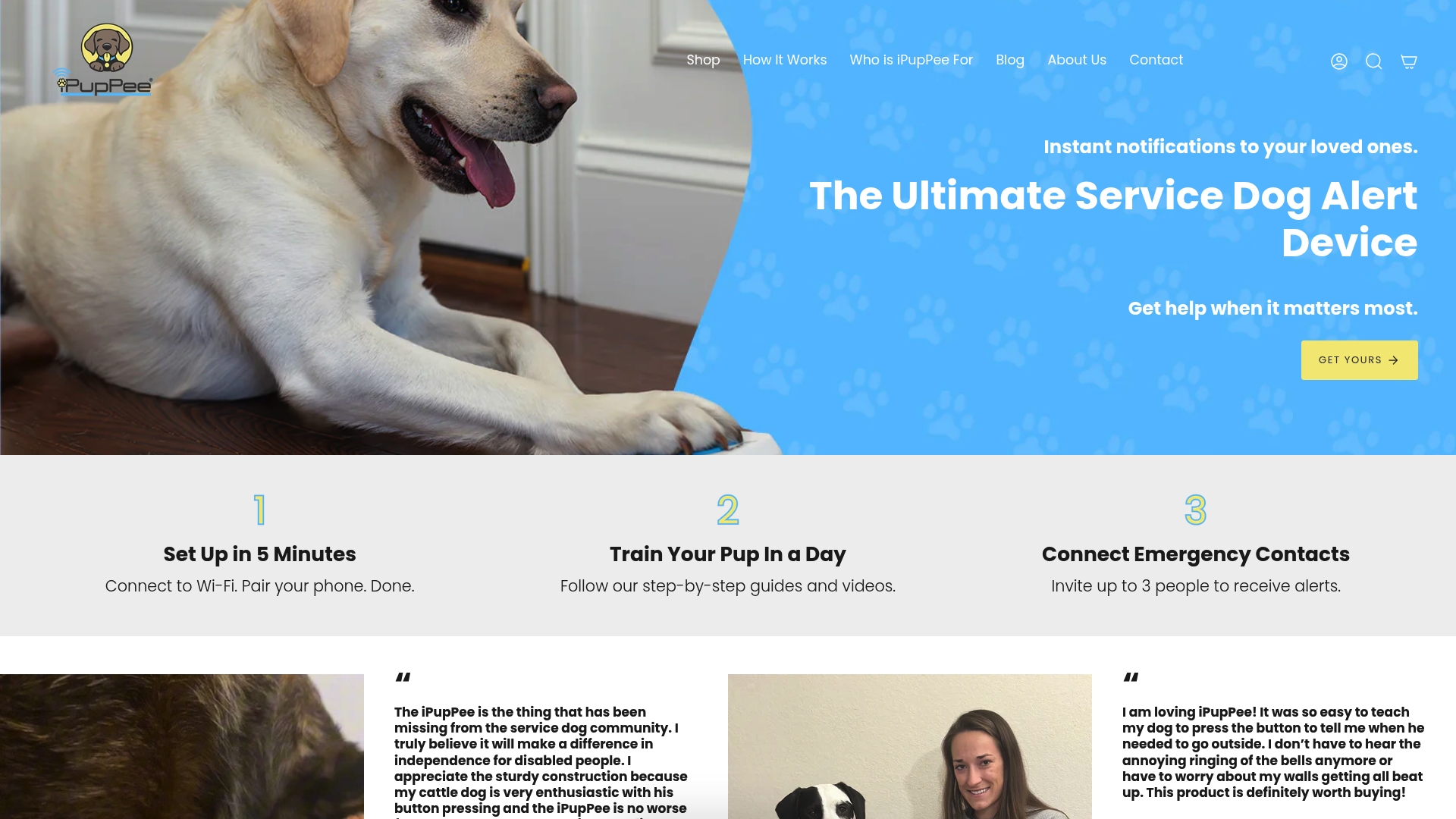
Discover how iPupPee can be your trusted partner in keeping your senior companion safe and connected. Our innovative communication device allows your dog to signal for help with a simple press, offering peace of mind especially for those managing reduced mobility or cognitive decline. Act now to empower your senior dog with independence and protection at home. Learn more about master service dog daily routines to integrate technology seamlessly into your pet’s care and explore trusted dog safety insights that help you create a secure environment. Visit iPupPee today and take the next step toward peace of mind for you and your loyal companion.
Frequently Asked Questions
What are the best modifications to make my home safe for a senior dog?
Consider adding traction-enhancing surfaces like non-slip rugs or yoga mats, creating comfortable resting areas with orthopedic beds, installing ramps for easy navigation, and keeping pathways clear of clutter to ensure safety and mobility for your senior dog.
How can I support my senior dog’s mobility at home?
You can support your senior dog’s mobility by installing ramps or gentle inclines for stair navigation, using raised food and water bowls to make eating easier, and ensuring good lighting and clear pathways in your home.
What dietary changes should I consider for my senior dog?
Consult with your veterinarian for personalized nutritional needs. Senior dogs often require modified protein levels, adjusted calorie intake, and specific supplements to support joint health, kidney function, or any chronic conditions.
How can I monitor my senior dog’s health proactively?
Regular veterinary check-ups, at-home health journaling to track behaviors and changes, and using wearable health trackers can help you monitor your senior dog’s health and detect any potential issues early.
Recommended
- 7 Essential Senior Pet Owner Tips for Safer, Happier Dogs – iPupPee
- Senior Pet Companionship: Enhancing Life for Aging Dogs – iPupPee
- Complete Guide to Pet Owner Safety Guidelines – iPupPee
- Complete Guide to Independent Living With Pets – iPupPee
- 14 Ways to Help Prevent Hairball in Your Pets + Infographic - Home Remedies