

More than half of dog owners say clear communication is the biggest challenge they face in training their pets. The right tools can turn confusion into real understanding, making life easier for both you and your dog. This step-by-step guide helps you choose and use modern training devices so you can build a stronger, more rewarding relationship with your canine companion.
Table of Contents
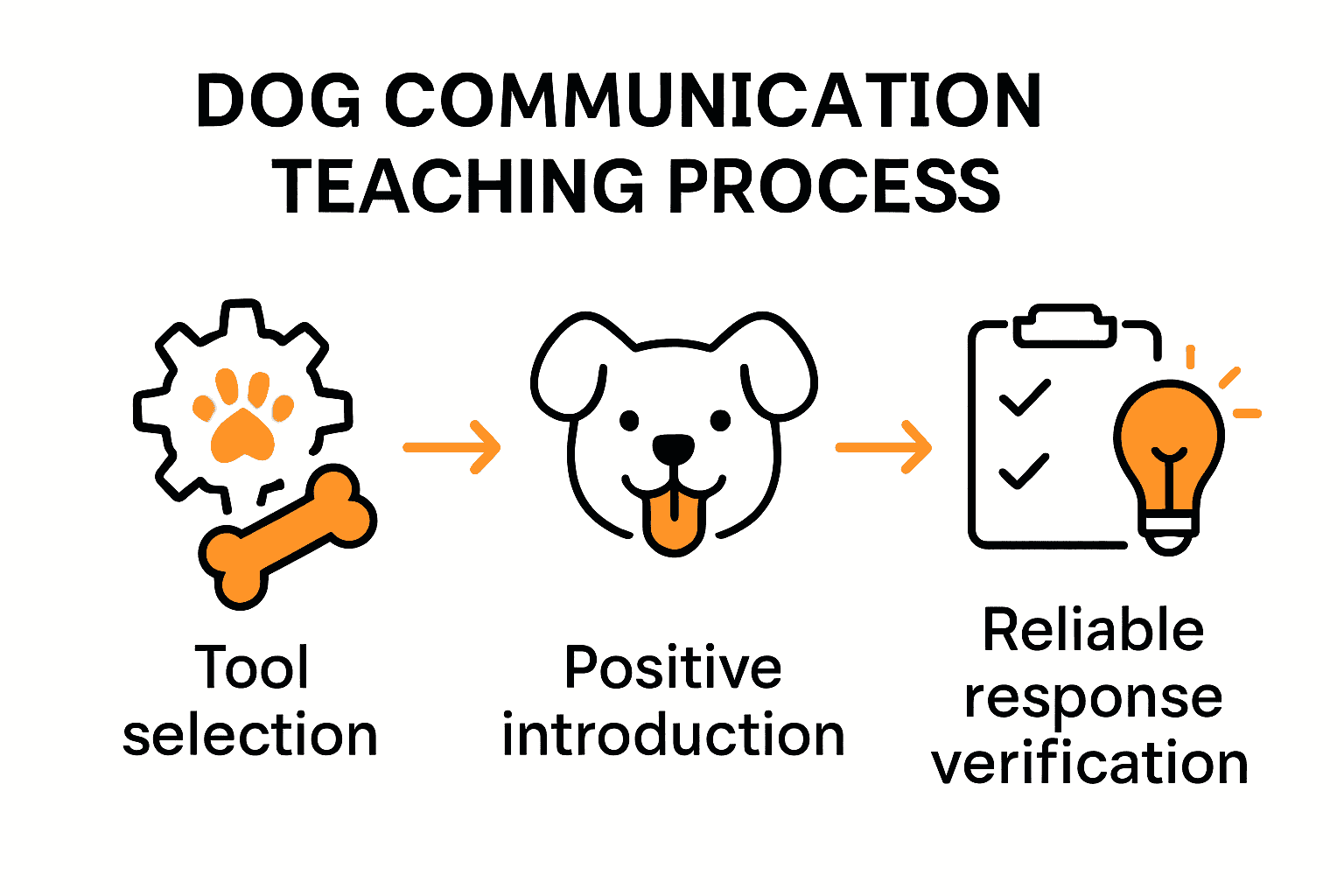
- Step 1: Prepare The Right Communication Tools
- Step 2: Introduce The Device With Positive Reinforcement
- Step 3: Teach A Simple Communication Cue
- Step 4: Reinforce And Associate Commands With Communication
- Step 5: Test And Verify Reliable Dog Responses
Quick Summary
| Key Point | Explanation |
|---|---|
| 1. Choose appropriate communication tools | Select tools that match your dog’s personality and learning style for effective communication training. |
| 2. Use positive reinforcement techniques | Introduce new devices with treats to create excitement and positive associations, enhancing your dog’s willingness to engage. |
| 3. Teach simple, clear communication cues | Start with straightforward cues and use consistent rewards to help your dog easily understand and respond. |
| 4. Reinforce commands consistently | Utilize high-value treats and maintain consistency in training to establish clear connections between commands and behaviors. |
| 5. Regularly test communication reliability | Verify your dog’s understanding by testing commands in various environments and noting their responses to improve training effectiveness. |
Step 1: Prepare the Right Communication Tools
Teaching your dog effective communication requires strategic preparation and the right tools. According to research from arxiv.org, smart computing and sensing technologies can significantly enhance animal welfare and human dog interactions.
Start by selecting communication tools that match your dog’s personality and learning style. Research suggests tools like specialized sensor devices can provide deeper insights into canine behavior. The Patchkeeper research demonstrates how wearable technology can monitor activity levels and help customize communication strategies for individual dogs.
Key tools to consider include:
- Training clickers
- Hand signal charts
- Treat reward systems
- Communication buttons
- Visual guide boards
When choosing communication tools, observe your dog’s natural responsiveness and attention span. Some dogs learn quickly with auditory signals, while others prefer visual cues. Patience and consistent practice will help you discover the most effective communication method for your unique companion.
Pro tip: Start with simple tools and gradually increase complexity. This approach prevents overwhelming your dog and creates a positive learning environment where communication feels like a fun interaction rather than a challenging task.
Step 2: Introduce the Device with Positive Reinforcement
Positive reinforcement is the key to successfully introducing any communication device to your dog. Research from arxiv.org highlights the effectiveness of machine learning treat dispensers in rewarding specific canine behaviors during technological device interactions.
Begin by creating a welcoming and exciting environment around the new communication tool. According to Wikipedia, clicker training techniques can help establish a positive association with the device. Start with short sessions and use high value treats to make the experience enjoyable. Your goal is to transform the device from an unfamiliar object into an exciting opportunity for interaction and rewards.
Step by step introduction process:
- Place the device in a neutral area where your dog feels comfortable
- Allow your dog to investigate the device naturally
- Use treats to create positive associations
- Demonstrate the device’s function with enthusiasm
- Reward any curious or interested behavior
Remember that every dog learns differently. Some might need more time and patience to feel comfortable with a new communication tool. Watch your dogs body language and adjust your approach accordingly.
Pro tip: Keep initial training sessions short and fun. End each session on a positive note to maintain your dogs motivation and prevent frustration. By associating the device with positive experiences your dog will be more likely to engage with it consistently.
Step 3: Teach a Simple Communication Cue
Teaching your dog a simple communication cue is crucial for establishing clear interactions. According to Wikipedia, clicker training provides an effective method for marking and reinforcing desired behaviors through consistent sound and reward associations.
Begin by selecting a straightforward communication cue that is easy for your dog to understand. Turid Rugaas emphasizes the importance of understanding canine body language when developing communication strategies. Choose a cue that feels natural and matches your dogs existing movement patterns.
Step by step communication cue training:
- Select a clear and consistent verbal or hand signal
- Use treats as immediate rewards
- Practice the cue in short 5 minute sessions
- Maintain a calm and patient demeanor
- Gradually increase complexity of the cue
Consistent repetition is key to successful communication cue training. Some dogs learn quickly while others require more time and patience. Watch for subtle changes in your dogs responsiveness and adjust your approach accordingly.
Pro tip: Always end training sessions on a positive note. Celebrate small victories and keep the learning process enjoyable. By making communication fun and rewarding your dog will be more motivated to engage and learn new cues.
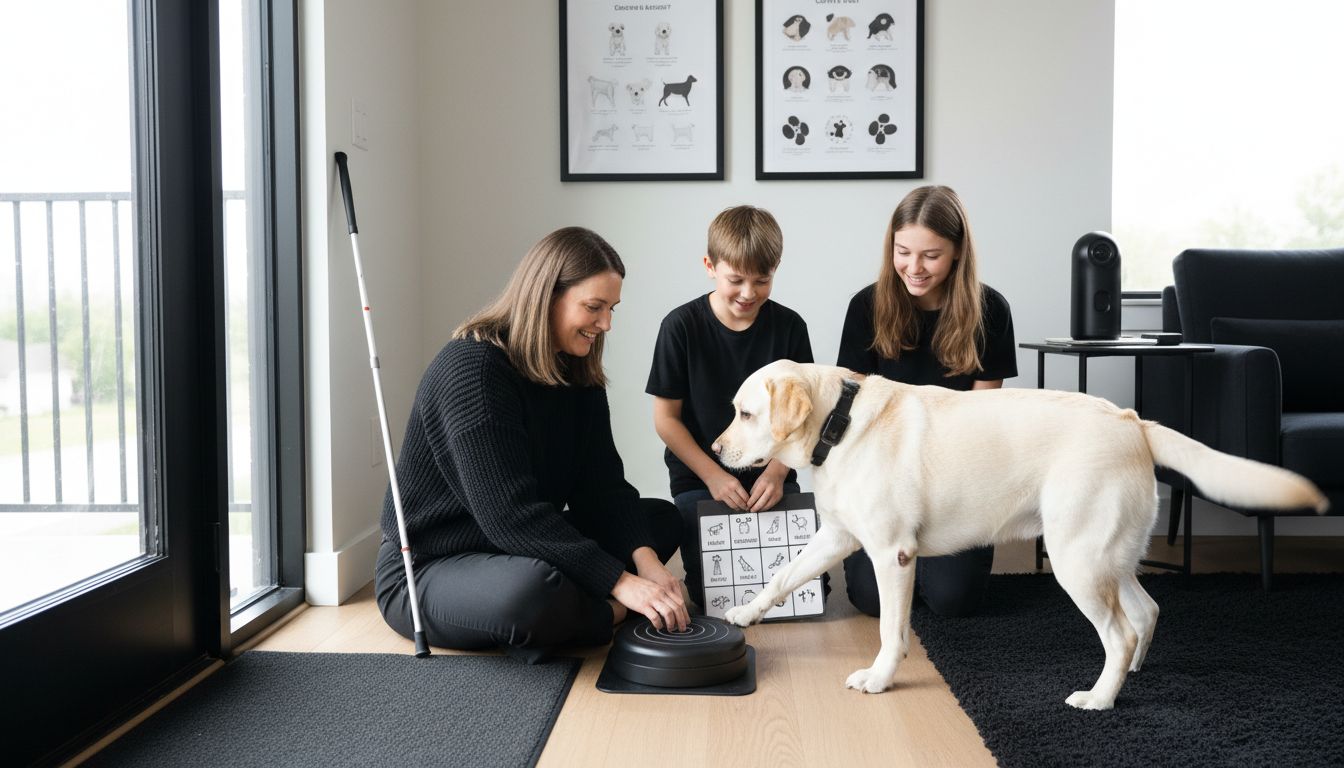
Step 4: Reinforce and Associate Commands with Communication
Reinforcing communication commands requires a strategic and consistent approach. Dr. Sophia Yin pioneered positive reinforcement techniques that emphasize creating clear associations between commands and desired behaviors.
Research from Cambridge University demonstrates that positive reinforcement is crucial for enhancing communication and behavior. Focus on creating strong positive associations by using consistent rewards immediately after your dog performs the desired action.
Key strategies for command reinforcement:
- Use high value treats during training
- Maintain a consistent tone of voice
- Reward immediately after correct response
- Practice commands in various environments
- Keep training sessions short and engaging
Understand that each dog learns differently. Some dogs might require more repetitions or varied reward types to fully grasp and retain communication commands. Patience and adaptability are essential in this process.
Pro tip: Vary your rewards to keep your dog engaged. While treats are excellent motivators mixing in verbal praise play time and physical affection can help maintain your dogs enthusiasm and prevent treat dependency.
Step 5: Test and Verify Reliable Dog Responses
Verifying your dogs communication reliability requires systematic testing and careful observation. According to research from arxiv.org, machine learning techniques can help identify and assess specific canine behavioral responses in real time.
Wikipedia highlights that clicker training provides an excellent method for testing communication reliability by consistently marking and rewarding desired behaviors. Develop a structured testing approach that challenges your dog in different environments and scenarios to ensure consistent understanding.
Reliable response verification process:
- Test commands in multiple locations
- Use distractions to check comprehension
- Vary reward timing and type
- Observe body language and response speed
- Record progress and identify improvement areas
Remember that communication reliability is a gradual process. Some dogs learn faster than others and may require more repetitions or different training strategies. Pay close attention to your dogs individual learning style and adapt your approach accordingly.
Pro tip: Document your dogs progress with short video recordings. This allows you to track improvement objectively and identify subtle communication patterns that might otherwise go unnoticed. Tracking progress helps maintain motivation for both you and your dog.
Enhance Your Dog’s Communication Skills with Innovative Support
Teaching your dog to communicate effectively is a rewarding journey that requires patience, consistency, and the right tools. If you are looking to simplify this process and strengthen your bond through clear, reliable communication cues, you are not alone. The challenge lies in finding a dependable way to connect with your dog beyond traditional commands — especially for service dogs, new puppies, or pets needing extra assistance. The article highlights key strategies such as positive reinforcement and consistent cue training, all of which can be greatly supported by practical devices designed for real-life use.
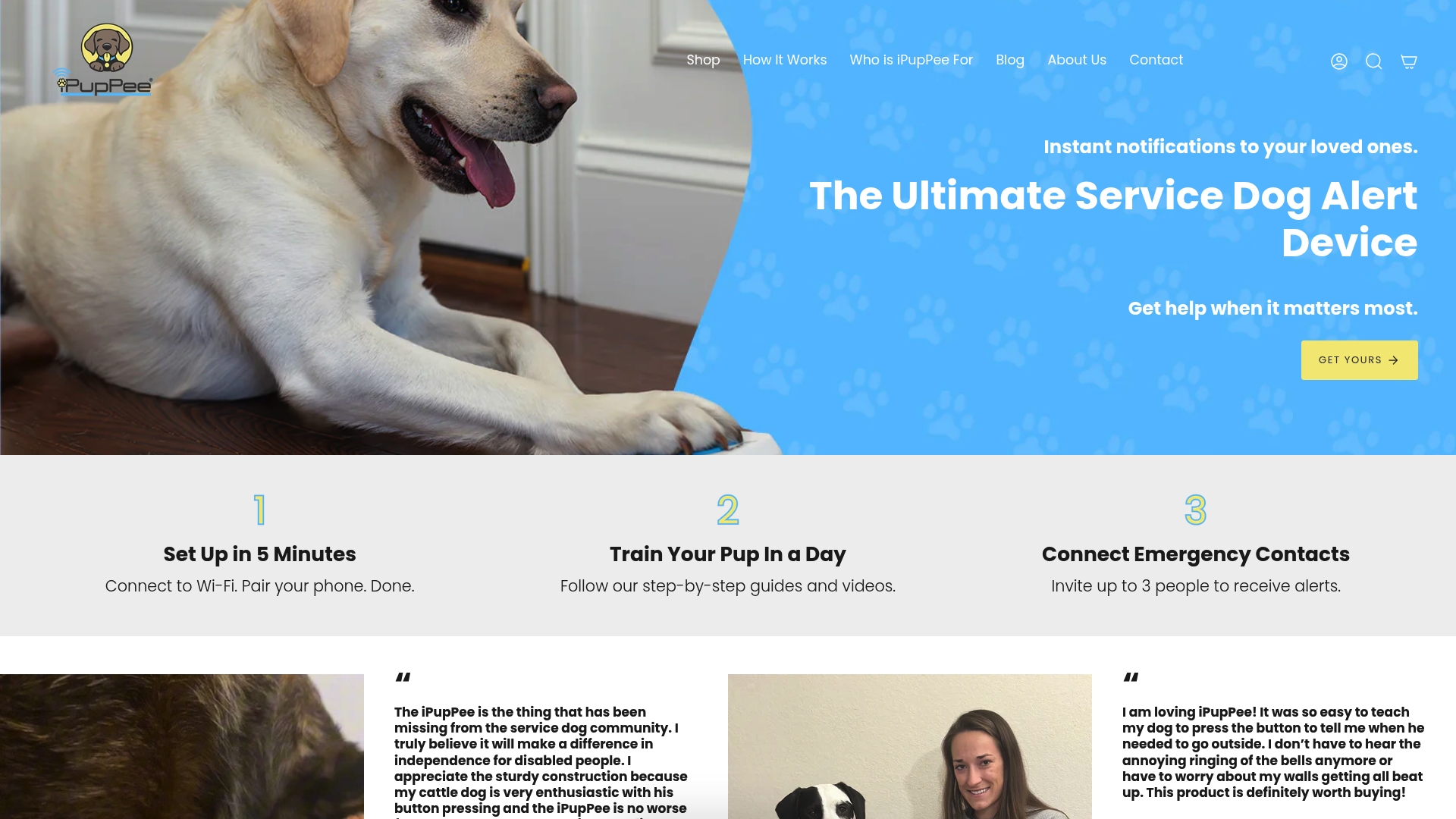
Discover how the iPupPee alert device offers a groundbreaking solution for dog owners like you. This easy-to-use communication button helps your dog express needs or alert you in critical situations, fostering safety, independence, and better understanding. Whether you want to support your dog’s learning process or ensure peace of mind in daily life, exploring the iPupPee system can make all the difference. Start transforming your communication approach today with proven tools and expert-backed training resources found at ipuppee.com. Take the first step now and experience the joy of truly connecting with your loyal companion.
Frequently Asked Questions
How can I choose the right communication tools for my dog?
To select the right communication tools, observe your dog’s personality and learning style. Start with simple tools like training clickers or visual guide boards, and adjust based on your dog’s responsiveness during initial interactions.
What are effective methods for introducing communication devices to my dog?
Introduce communication devices by creating a positive environment and using high-value treats. Allow your dog to explore the device naturally, gradually demonstrating its function and rewarding any interest or engagement during the process.
What simple communication cues should I teach my dog first?
Begin with straightforward cues that align with your dog’s natural behaviors, such as a specific hand signal or verbal command. Practice these cues in short sessions lasting about five minutes, rewarding any correct responses immediately to reinforce understanding.
How can I reinforce communication commands for better understanding?
Reinforce communication commands by using high-value treats and maintaining a consistent tone when issuing commands. Keep training sessions upbeat and diverse to help your dog learn effectively; practice commands in various locations and scenarios to solidify comprehension.
How do I test and verify my dog’s understanding of communication cues?
Test your dog’s understanding of communication cues by practicing in different environments and adding distractions. Observe your dog’s response speed and body language to assess comprehension, and track progress to identify areas for improvement over time.
What should I do if my dog isn’t responding well to communication training?
If your dog struggles with communication training, revisit the training techniques you’re using. Adjust the session length, mix in different types of rewards, and maintain patient and positive interactions to help reinforce learning.