

TL;DR:
- Signal devices for dogs are designed to enhance visibility, location tracking, and communication based on specific safety needs. Properly matching device types—such as GPS collars, visibility gear, or virtual fences—to the dog’s risks ensures effectiveness and safety. Redundant signals and correct fit are crucial for reliable operation, while owner training and understanding ongoing costs improve long-term outcomes.
Signal devices for dogs are purpose-built technologies that improve a dog’s visibility, location tracking, and communication with caregivers in everyday and specialized situations. The category covers four distinct functional types: location signals, boundary and recall signals, visibility signals, and health and wellness sensing signals. Each type solves a different problem, and choosing the wrong one for your dog’s situation is the most common mistake owners make. Whether you manage a working hunting dog, a senior pet with wandering tendencies, or a service dog that needs to alert you to specific needs, the right device changes outcomes in ways that a leash alone cannot.
What are the main types of signal devices for dogs?
Signal devices for dogs cover four distinct categories: location signals, boundary and recall signals, visibility signals, and health and wellness sensing signals, each with unique failure modes and purposes. Understanding these categories before you shop prevents you from buying a GPS tracker when what you actually need is a reflective vest, or investing in a training collar when your dog’s real risk is poor visibility at night.
Location tracking devices
Smart collars combine GPS location tracking with health and activity monitoring to deliver real-time data about a dog’s position, movement, and sleep patterns. Geofencing alerts notify you the moment your dog crosses a boundary you set in an app. Products like the Halo Collar, used by over 500,000 dogs, combine GPS tracking, wireless fencing, training feedback, and activity monitoring in a single waterproof device.
Visibility and beacon devices
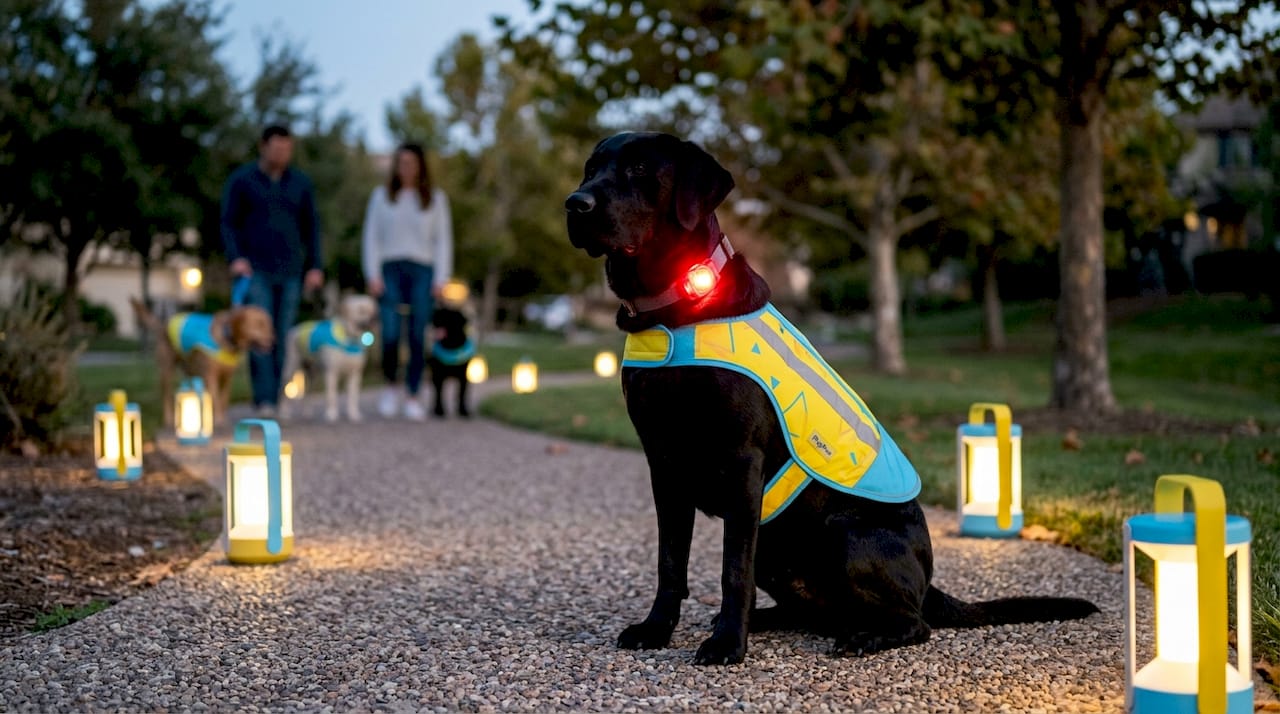
LED beacons, reflective vests, and audible signal lights make dogs detectable in low-light conditions. The Ruffwear Audible Beacon, for example, emits LED light with audible beeps every 10 minutes during normal operation and every 5 minutes when the battery runs low, giving you a 12-hour runtime with built-in status feedback. Reflective gear like the Bracco signal vest uses highly reflective fabric weighing approximately 220 g/m² and includes a GPS pocket and ID customization for hunting and fieldwork.
Wireless containment and training systems
Virtual fence systems use GPS coordinates to define a boundary, then deliver progressive warning signals when a dog approaches or crosses the line. Remote training tools for dogs operate on similar principles, using audible tones, vibration, or static stimulation to reinforce commands at a distance.
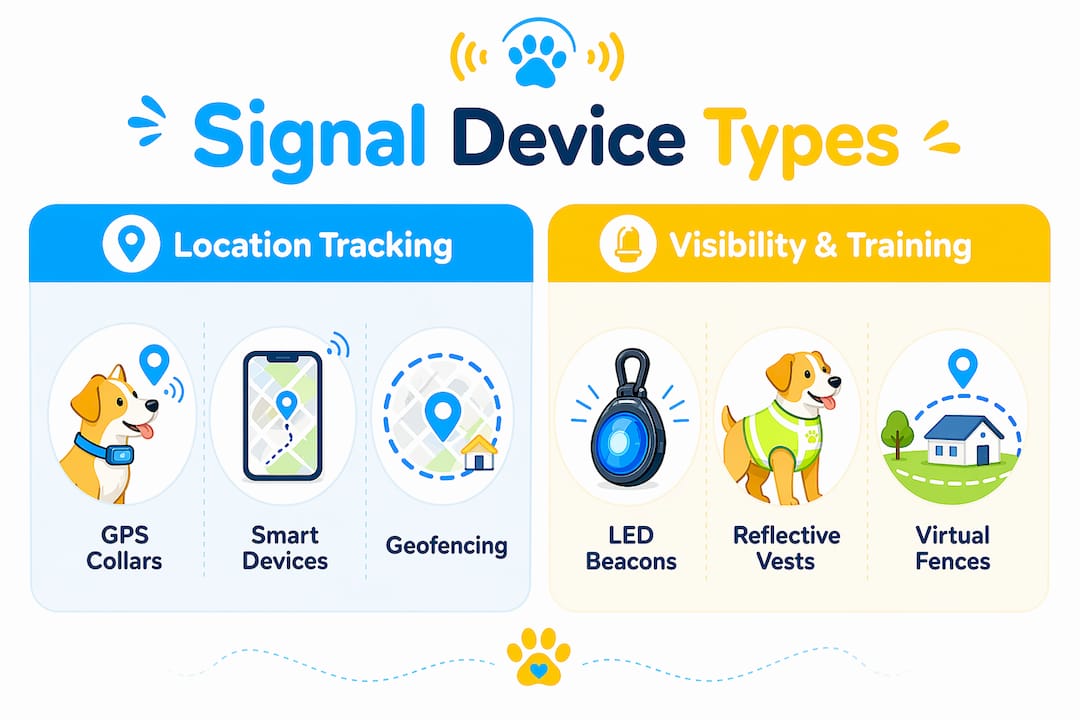
Here is a quick comparison of the four main device types:
| Device type | Primary function | Best use case |
|---|---|---|
| GPS smart collar | Real-time location tracking | Wandering dogs, off-leash hiking |
| LED beacon and reflective vest | Visual and audible visibility | Night walks, hunting, fieldwork |
| Wireless virtual fence | Boundary containment | Backyard freedom, remote property |
| Health and activity monitor | Wellness and behavior sensing | Senior dogs, post-surgery recovery |
How do GPS and smart collars work?
GPS dog trackers use a combination of satellite positioning and cellular networks to report a dog’s location to a paired app on your phone. Update frequency ranges from a few seconds to several minutes depending on the device and subscription tier. Faster updates drain the battery faster, so the trade-off between real-time precision and battery life is the central decision you make when choosing a tracker.
Geofencing is the feature that separates a basic GPS tracker from a true smart collar for dogs. You draw a virtual boundary in the app, and the collar alerts you the instant your dog exits it. This is particularly useful for training recall, since you can correlate the alert with the moment your dog made the decision to wander rather than reacting after the fact.
Water resistance matters more than most buyers expect. Dogs swim, wade, and get caught in rain. Look for an IP67 rating at minimum, which means the device survives submersion up to one meter for 30 minutes. Physical fit is equally critical: a loose collar reduces GPS accuracy because the antenna shifts position relative to the dog’s body, and a collar that is too tight causes discomfort that leads to scratching and device removal.
Subscription costs are a real ongoing expense. Most GPS dog trackers require monthly or annual plans ranging from basic location-only tiers to premium plans that include health analytics and unlimited history. Factor this into your total cost of ownership before committing to a device.
Pro Tip: Before buying a GPS tracker, check which cellular network the device uses in your area. Some trackers rely on LTE networks that have poor rural coverage, which is exactly where off-leash dogs tend to wander.
What visibility devices keep dogs safe in low-light settings?
Audible alerts improve the usability of safety devices in low light by addressing the core limitation of visual-only indicators: you cannot see a light if you are not looking in the right direction. A beeping beacon solves that problem by alerting you through sound even when your dog is behind a tree or around a corner.
The most effective outdoor dog visibility setups combine multiple signal types rather than relying on a single method. Manufacturers design signal devices with redundant cues for exactly this reason: combining LEDs, audible beeps, reflective fabric, and ID information ensures safety when one signal type fails due to battery drain, distance, or line-of-sight obstruction.
Key features to evaluate when selecting a visibility device:
- Runtime: The Ruffwear Audible Beacon offers 12 hours of continuous operation, which covers a full day of hunting or a multi-day camping trip with recharging at camp.
- Mounting compatibility: Silicone clip mounts attach to collars, harnesses, and backpacks without tools, making it easy to transfer between gear.
- Weather resistance: Any device used outdoors needs to handle rain, mud, and stream crossings without failure.
- Customization: Reflective vests like the Bracco model allow you to add your dog’s name, your phone number, and a GPS pocket, turning a visibility tool into a complete identification system.
- Weight: Lighter devices cause less fatigue on long hunts or hikes, particularly for smaller breeds.
Pro Tip: For night walks in suburban areas, a flashing LED collar light combined with a reflective vest gives you two independent visibility systems. If the battery on the LED dies, the reflective fabric still bounces headlights back to drivers.
What are wireless virtual fences and how do they work?
A wireless virtual fence uses GPS coordinates to define a containment boundary, then delivers escalating warning signals to a receiver collar when the dog approaches or crosses that boundary. The PetHey Outdoor GPS Dog Fence F850, for example, offers an adjustable boundary zone from 75 to 3,000 feet with a four-stage progressive warning system: sound, vibration, and safe static pulse, with a 365-day standby battery and USB-C charging.
Training is not optional with these systems. A dog that has not been properly acclimated to the warning signals will either ignore them or panic, neither of which produces safe containment. The Halo Collar app includes a dedicated training section that walks owners through a structured acclimation process before the static correction is ever activated. This approach reflects the broader principle that devices support training rather than replace it.
Here is the correct sequence for introducing a wireless fence system:
- Set the boundary and activate sound-only mode for the first week.
- Walk your dog on a leash along the boundary repeatedly so they learn where it sits.
- Introduce vibration mode after the dog reliably responds to the sound warning.
- Only activate static correction after the dog understands the boundary and the warning sequence.
- Conduct regular supervised off-leash sessions to reinforce boundary respect before leaving the dog unsupervised.
The practical use cases extend well beyond the backyard. Hunters use wireless fence systems to keep dogs within a working range in open fields. Hikers use them to allow off-leash freedom on trails without risking a chase into traffic. Remote property owners use them as a substitute for physical fencing in areas where installation is impractical.
How to choose the right signal device for your dog
Matching device features to your dog’s specific safety concern is the single most effective way to get value from a signal device. A GPS tracker is the right answer for a dog that escapes and covers distance quickly. A health monitor is the right answer for an aging dog whose activity changes signal a medical issue before symptoms are visible. A reflective vest is the right answer for a dog that walks near traffic at dusk.
Use this framework to match your dog’s profile to the right device category:
| Dog profile | Primary risk | Recommended device |
|---|---|---|
| High-energy, off-leash wanderer | Escape and distance | GPS smart collar with geofencing |
| Senior or post-surgery dog | Health decline | Activity and health monitor |
| Night walker or hunting dog | Low-light visibility | LED beacon plus reflective vest |
| Backyard dog without physical fence | Boundary crossing | Wireless GPS virtual fence |
| Service dog or alert dog | Communication with handler | Button-press alert device |
Fit and comfort are non-negotiable. A loose collar reduces GPS accuracy and allows the device to shift, which degrades signal delivery. A vest that is too tight restricts movement and causes the dog to resist wearing it. Check fit every few weeks for growing dogs and after any significant weight change.
Battery management is the most overlooked maintenance task. Set a weekly reminder to check charge levels on all devices. Carry a backup battery pack on multi-day trips. Understand the difference between standby battery life, which is measured in days or weeks, and active-use battery life, which is measured in hours.
For dog alert signal training, introduce any new device gradually using positive reinforcement. Let the dog wear the collar or vest during meals and play sessions before activating any signals. This builds a positive association with the equipment before it delivers any corrective or alerting feedback.
Key takeaways
Signal devices for dogs work best when the device type matches the specific safety risk, the fit is correct, and the dog has been trained to respond to the device’s signals before it is used unsupervised.
| Point | Details |
|---|---|
| Match device to risk | Use GPS trackers for wanderers, health monitors for seniors, and LED beacons for low-light visibility. |
| Train before you trust | Acclimate dogs to device signals gradually using positive reinforcement before relying on the device unsupervised. |
| Use redundant signals | Combine LED, audible, and reflective elements so safety is maintained if one signal type fails. |
| Prioritize fit and comfort | A loose or tight device reduces accuracy, signal delivery, and dog cooperation. |
| Account for ongoing costs | GPS trackers require subscription plans; factor monthly fees into your total budget before purchasing. |
Why I think most owners buy the wrong device first
I have watched dog owners spend serious money on GPS trackers for dogs whose real problem is poor visibility on evening walks. The tracker tells you where your dog is after it has already run into the road. A five-dollar reflective vest and a ten-dollar LED clip would have prevented the situation entirely.
The technology category has expanded fast, and the marketing around smart collars for dogs tends to lead with the most feature-rich products rather than the most appropriate ones. Multi-function devices like the Halo Collar are genuinely impressive, but they require consistent app engagement and structured training to deliver their value. Owners who skip the training phase end up with an expensive collar that their dog ignores.
The most underrated principle in this space is signal redundancy. A device that combines LED light, audible beeps, and reflective fabric gives you three independent ways to locate your dog. If the battery dies, the reflective fabric still works. If visibility is poor, the beep still carries. Single-signal devices are a single point of failure. That is a design flaw, not a feature gap.
My honest recommendation: start with the simplest device that addresses your dog’s primary risk. Add complexity only when you have mastered the basics. A dog that reliably responds to a recall command and wears a reflective vest is safer than a dog wearing a multi-function smart collar that the owner has never configured properly.
— Andrew
See how Ipuppee approaches dog communication and safety
Ipuppee builds products and resources specifically for dog owners who need reliable communication between themselves and their dogs, including caregivers, seniors, and service dog handlers who depend on clear, consistent signals.
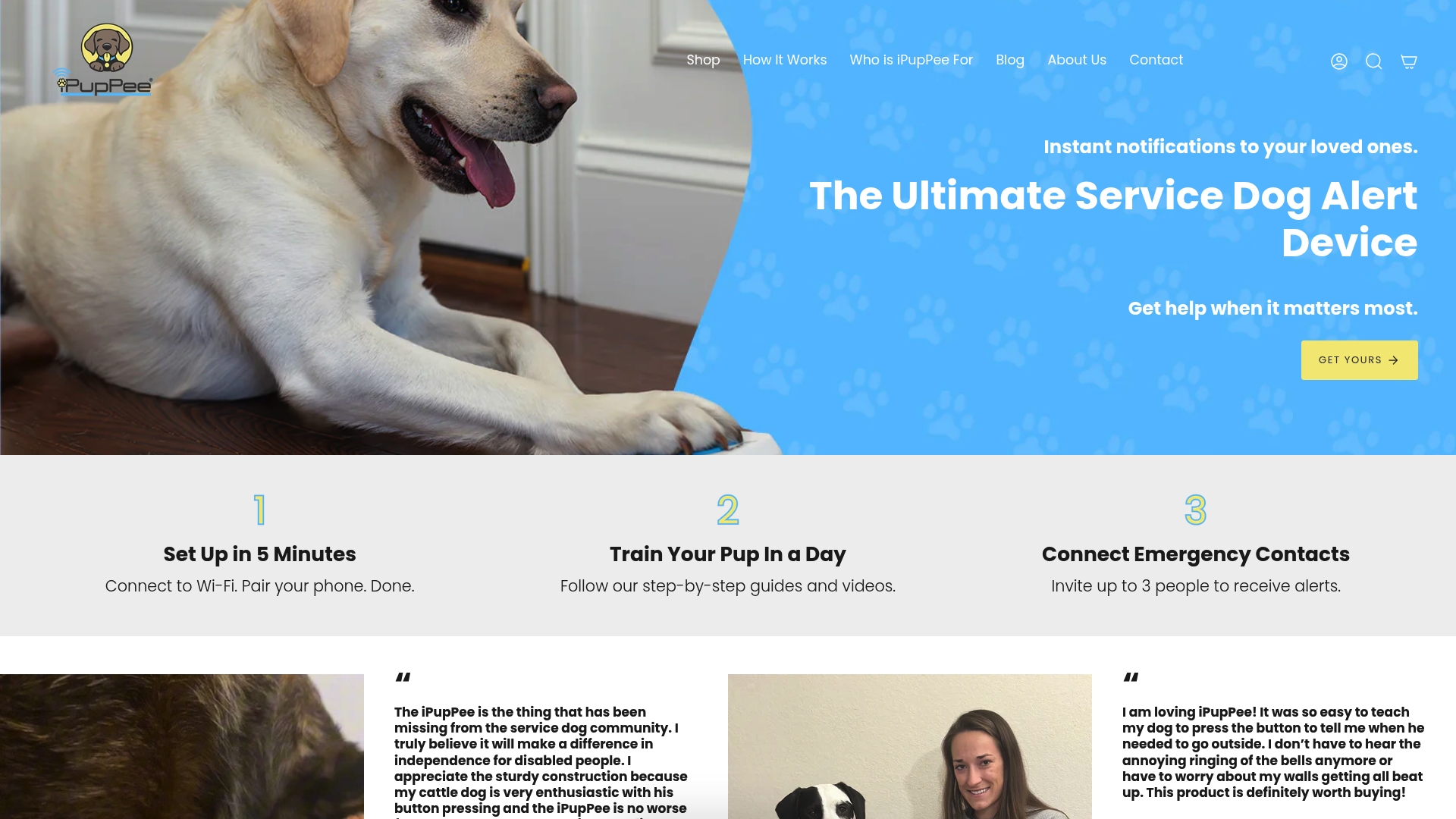
The iPupPee alert device is designed around a single principle: your dog should be able to tell you something important with one button press. That focus on simplicity makes it one of the most practical communication devices for dogs in situations where complex technology creates more confusion than clarity. Explore the Ipuppee blog for device selection guides covering LED beacons, reflective gear, GPS trackers, and training techniques backed by real-world use cases.
FAQ
What are signal devices for dogs?
Signal devices for dogs are technologies designed to improve communication, visibility, and location tracking between dogs and their caregivers. The main categories include GPS trackers, LED beacons, reflective vests, wireless virtual fences, and health monitors.
How accurate are GPS dog trackers?
GPS dog trackers update location every few seconds to several minutes depending on the device and subscription plan. Accuracy depends on cellular network coverage, satellite signal strength, and how well the collar fits on the dog.
Can signal devices replace dog training?
Signal devices support training but do not replace it. Devices like the Halo Collar include structured training programs because a dog that has not been acclimated to device signals will not respond to them reliably in real-world situations.
What is the best visibility device for dogs on night walks?
A combination of an LED beacon and a reflective vest provides the strongest low-light visibility. The Ruffwear Audible Beacon adds audible alerts to LED light, giving you both visual and sound-based detection with a 12-hour runtime.
How do I choose between a GPS tracker and a wireless virtual fence?
Use a GPS tracker if your dog escapes and covers distance quickly, since it tells you where your dog is after it leaves. Use a wireless virtual fence if your goal is to prevent the dog from leaving a defined area in the first place.