

TL;DR:
- Interactive dog tech includes devices like GPS collars, smart toys, treat dispensers, and pet cameras that enhance communication, safety, and engagement. These tools are most effective when matched to specific needs, such as location tracking for escape-prone dogs or health monitoring for aging pets. Using technology as a supplement to attentive ownership provides measurable benefits and improves overall pet care.
Interactive dog tech is defined as technology-powered devices and systems designed to improve communication, safety, and engagement between dogs and their owners. The category spans AI-enabled collars, GPS trackers, smart toys, treat dispensers, and pet cameras. Consumer spending on pet supplies, including tech, reaches $14.93 billion annually as of 2026. That figure reflects how seriously dog owners now treat technology as part of daily pet care. This guide breaks down what interactive dog tech includes, how it works, and which devices actually deliver results.
What is interactive dog tech and what devices does it include?
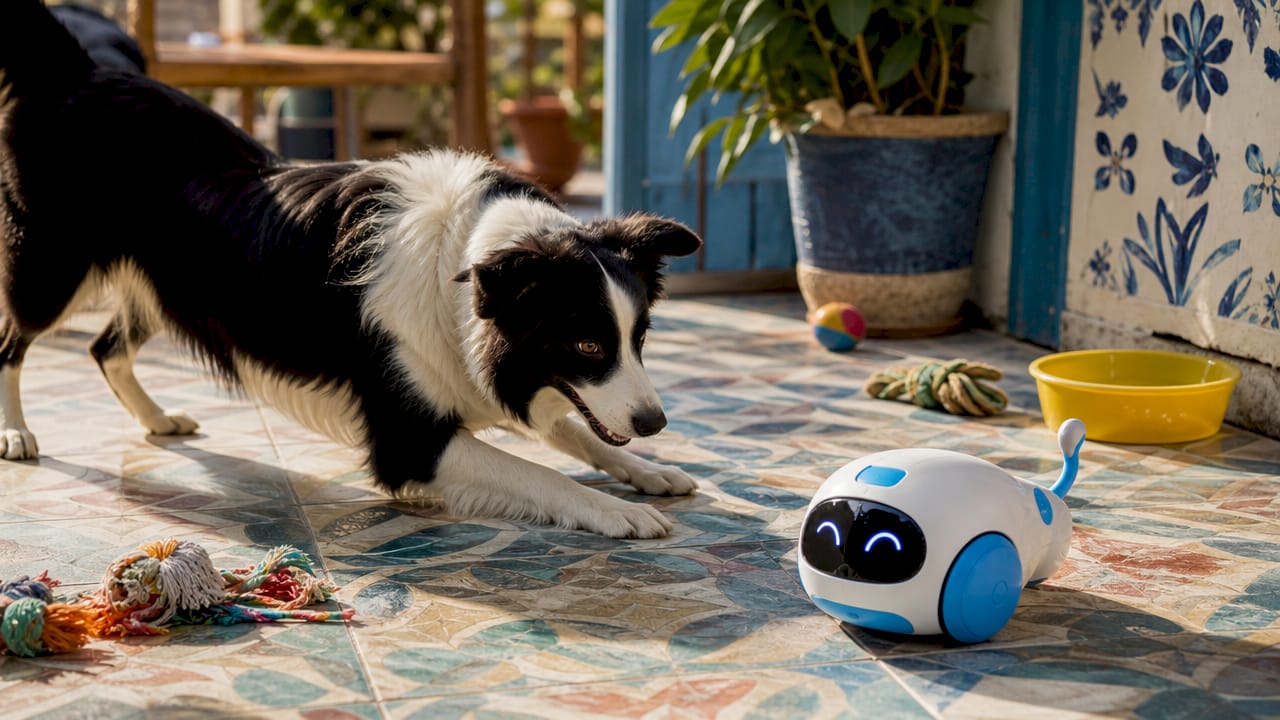
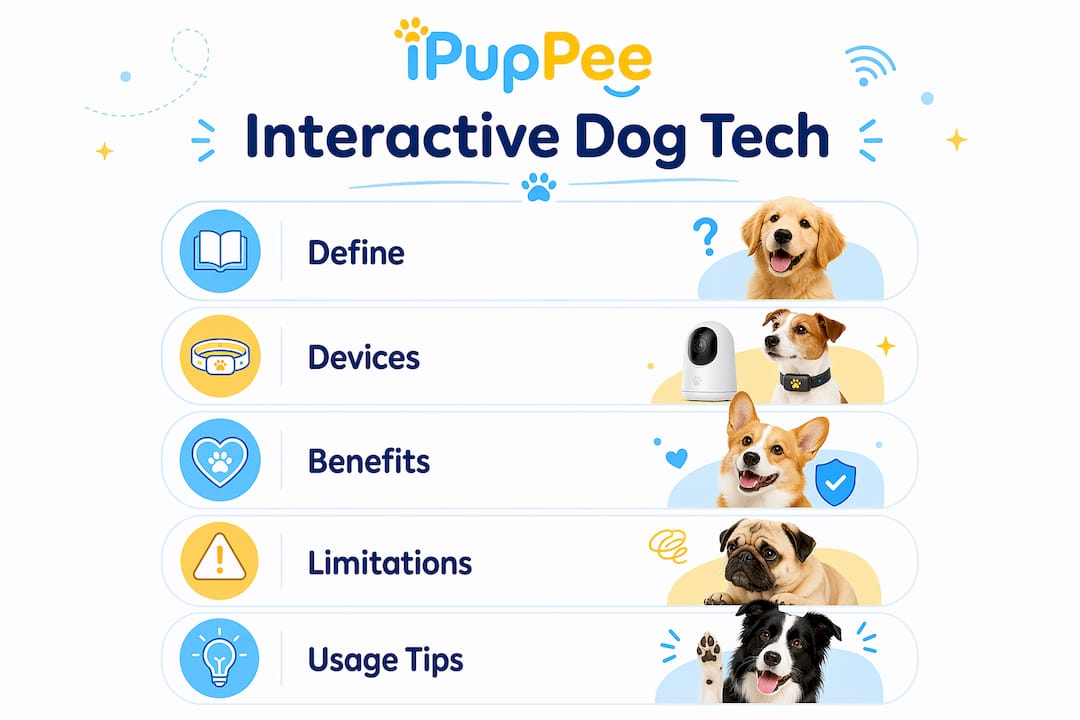
Interactive dog tech covers any device that uses sensors, software, or connectivity to actively engage your dog or give you real-time information about them. The category is also called interactive pet technology in the broader pet care industry. Four device types define the space today.
Smart collars are the most talked-about category. They combine GPS tracking, biometric monitoring, and in some cases AI-driven behavior analysis. The Fi Series 3+ collar, for example, uses machine learning trained on tens of thousands of hours of footage to detect specific behaviors like barking and scratching. That level of detail gives you a behavioral baseline you simply cannot build from casual observation alone.
Interactive toys use motion sensors, unpredictable movement, and reward systems to hold a dog’s attention. Many require your participation to function fully, which is what separates them from standard chew toys. Devices like automatic ball launchers and tug-activated toys fall into this group.
Smart feeders and treat dispensers let you schedule meals or deliver treats remotely through a smartphone app. This matters most when your dog is home alone and you want to reinforce calm behavior from a distance.
Pet cameras close the loop on remote communication. Two-way audio cameras allow you to speak to your dog and hear them respond, which helps manage separation anxiety without being physically present.
Pro Tip: When choosing a smart collar, check whether it uses GPS or Bluetooth. GPS collars use cellular networks for live nationwide tracking. Bluetooth tags only work within short proximity range, which makes them far less useful for a lost dog.
How do interactive dog toys differ from puzzle toys?
The difference between interactive and puzzle toys is not just about complexity. It is about who drives the engagement.
Interactive toys require active human involvement to work as intended. Tug ropes, fetch launchers, and chase wands all depend on you participating. The dog responds to your movement, your energy, and your cues. This makes interactive toys excellent for bonding and for burning physical energy in high-drive breeds like Border Collies or Belgian Malinois.
Puzzle toys, by contrast, let your dog work independently. A treat-dispensing puzzle or a snuffle mat requires no human input once it is set up. The dog solves the problem alone, which builds confidence and provides mental stimulation without demanding your time. This makes puzzle toys ideal for dogs left alone during work hours.
| Feature | Interactive toys | Puzzle toys |
|---|---|---|
| Human involvement | Required | Not required |
| Primary benefit | Bonding and physical exercise | Mental stimulation and independence |
| Best for | High-energy dogs, training sessions | Anxious dogs, solo enrichment |
| Examples | Tug toys, fetch launchers, chase wands | Snuffle mats, treat puzzles, Kongs |
| Skill level | Varies by game | Beginner to advanced difficulty levels |
The best dog tech setups use both types. Interactive toys build the relationship during your active time. Puzzle toys keep your dog mentally occupied when you are not available. Relying on only one type leaves a gap in your dog’s daily enrichment.
- High-energy dogs benefit most from interactive play sessions of 20 minutes or more
- Senior or low-mobility dogs often thrive with lower-difficulty puzzle toys that reward patience
- Puppies build impulse control faster when puzzle toys are introduced alongside basic training
What are the benefits and limitations of AI pet collars?
AI pet collars are wearable devices that use machine learning to interpret raw sensor data, including motion, sound, and biometrics, and convert it into readable insights like emotional states or health alerts. The category has grown fast, and the marketing has grown even faster.
AI pet collars classify raw data on motion, sound, or biometrics into high-level insights via machine learning models. No single architecture defines the category. Some collars focus on emotion classification. Others prioritize GPS tracking, health monitoring, or LLM-based “translation” of dog behavior into human-readable language. The technology behind each product varies significantly.
AI pet collars should be treated as experience products rather than scientific instruments. The machine learning approaches differ widely between brands, and no independent standard exists to verify accuracy claims.
That caveat does not make them useless. The practical value shows up most clearly in health monitoring. Digital health logs from smart collars improve veterinary diagnoses by providing objective data on activity, sleep, and scratching patterns. A vet reviewing two weeks of logged scratching data can identify an allergy pattern far more accurately than one relying on your memory of when symptoms started.
The limitations are real too. Emotion classification features, where a collar claims to tell you your dog is “happy” or “anxious,” are the least scientifically validated part of the category. Treat them as directional signals, not clinical readings. GPS and health monitoring functions, on the other hand, deliver concrete, verifiable data that genuinely improves your awareness of your dog’s wellbeing.
Pro Tip: Before buying an AI collar, identify the one feature you need most. If it is location tracking, prioritize GPS accuracy and subscription cost. If it is health monitoring, look for collars with validated activity and sleep tracking rather than emotion classification claims.
For a deeper look at how wearable dog tech fits into a broader safety and independence plan, Ipuppee covers the full range of collar and tracker options.
How can interactive dog tech improve dog safety and owner communication?
The safety benefits of dog tech devices are concrete and well-documented. Here are the four most impactful applications:
-
GPS location tracking. GPS tracking collars give owners peace of mind by providing live location data in large yards or when a dog goes missing. Unlike Bluetooth tags, GPS collars use cellular networks, meaning you can locate your dog anywhere with mobile coverage, not just within a few feet of your phone.
-
Remote monitoring and calming. Pet cameras with two-way audio let you check in on your dog and speak to them directly during the day. This is especially useful for dogs with separation anxiety. Hearing your voice through a speaker has a measurable calming effect, and some cameras also allow remote treat delivery to reinforce calm behavior.
-
Behavioral health alerts. Activity trackers that log daily movement, sleep quality, and specific behaviors like scratching or limping give you an early warning system for health issues. A sudden drop in activity or a spike in nighttime restlessness often signals a problem before visible symptoms appear. Smart dog health monitors make these patterns visible in ways that daily observation cannot.
-
Mental enrichment and psychological wellbeing. Interactive toys that mimic real-world play stimulate natural instincts and keep dogs engaged even when owners are not present. Boredom is a leading cause of destructive behavior in dogs. Consistent mental enrichment through smart gadgets reduces anxiety and improves overall temperament.
The combination of GPS safety, remote communication, health monitoring, and enrichment creates a complete care layer that goes well beyond what a leash and a chew toy can provide. For dog owners who travel, work long hours, or manage dogs with special needs, these tools are not optional extras. They are practical necessities.
Key Takeaways
Interactive dog tech works best when you match the device to a specific need, whether that is safety, health monitoring, or mental enrichment, rather than buying the most feature-heavy product available.
| Point | Details |
|---|---|
| Define the category correctly | Interactive dog tech covers GPS collars, AI wearables, smart toys, treat dispensers, and pet cameras. |
| Interactive vs. puzzle toys | Interactive toys need your participation; puzzle toys build independent mental engagement. |
| AI collars have real limits | Treat emotion classification as directional, not clinical. GPS and health logs are the most reliable features. |
| Health logs improve vet care | Objective data on activity, sleep, and scratching gives vets a more accurate diagnostic baseline. |
| Safety tech is practical, not optional | GPS tracking and two-way cameras deliver concrete safety and communication benefits for everyday owners. |
Why I think most dog owners buy the wrong tech first
After spending time testing and observing smart dog gadgets across every major category, the pattern I see most often is this: owners buy the most visible product first, usually an AI collar with bold emotion-reading claims, and then feel underwhelmed when the results do not match the marketing.
The technology that consistently delivers the most value is less glamorous. A reliable GPS collar and a quality pet camera with two-way audio solve real, daily problems. They tell you where your dog is and let you communicate with them when you are away. Those outcomes are measurable. “Your dog is feeling curious right now” is not.
My honest recommendation is to start with the device that solves your most pressing problem. If your dog escapes the yard, GPS is your first purchase. If separation anxiety is the issue, a two-way camera with treat delivery changes the dynamic immediately. If your dog is aging and you want early health warnings, a health-monitoring collar with solid activity tracking is worth every dollar.
The real benefits of smart dog devices show up when technology supports attentive ownership, not when it replaces it. The best outcomes I have seen come from owners who use data from their devices as a conversation starter with their vet, not as a substitute for professional judgment. Buy the tool that solves the problem in front of you, then build from there.
— Andrew
Ipuppee’s approach to interactive dog tech
Dog owners who want communication and safety technology built around real needs will find Ipuppee’s product focus worth exploring. Ipuppee specializes in devices that bridge the gap between dogs and their owners, with a particular focus on alert systems, communication tools, and safety devices for service dog handlers, seniors, and owners with special needs.
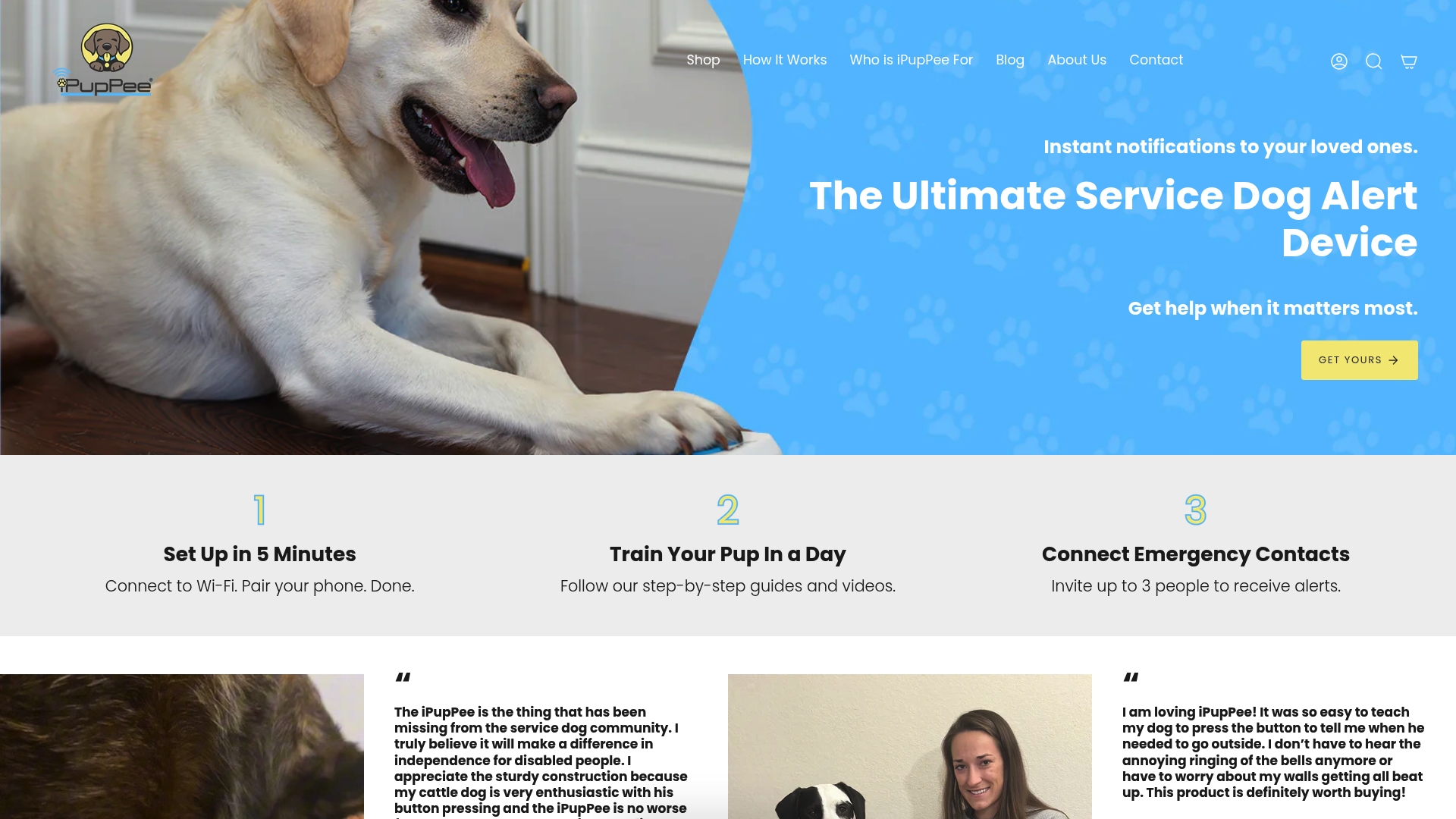
The iPupPee alert device is a clear example of this philosophy. It gives dogs a simple, button-based way to signal their owner, which is especially valuable for people living alone or managing a disability. Ipuppee also publishes detailed guides on interactive devices for dog safety and cognition, making it a useful resource beyond the product catalog. If you are building out a tech setup for your dog, Ipuppee’s full range is a practical starting point.
FAQ
What is interactive dog tech in simple terms?
Interactive dog tech is any technology-powered device that improves how you communicate with, monitor, or engage your dog. The category includes GPS collars, AI wearables, smart toys, treat dispensers, and pet cameras.
Are AI pet collars worth buying?
AI pet collars are worth buying for GPS tracking and health monitoring. Emotion classification features are less scientifically validated and should be treated as general signals rather than precise readings.
How does a GPS dog collar differ from a Bluetooth tag?
GPS collars use cellular networks for live, nationwide location tracking. Bluetooth tags only work within short proximity range, making them far less reliable for locating a lost dog.
What are the best interactive dog toys for mental stimulation?
Puzzle toys like snuffle mats, treat dispensing balls, and multi-step food puzzles provide the strongest independent mental stimulation. Interactive toys like fetch launchers and tug wands are better for physical exercise and bonding.
Can dog tech devices help with separation anxiety?
Yes. Two-way audio pet cameras let you speak to your dog remotely, which reduces anxiety during separation. Treat dispensers paired with cameras also allow you to reinforce calm behavior from a distance.