

Managing pet care with a disability is genuinely possible, and millions of people do it every day with creativity and the right tools. Whether you use a wheelchair, have limited hand strength, or live with a sensory impairment, the bond you share with your pet is worth every adaptation. Wheelchair users manage pets using elevated feeding platforms, hands-free leashes, and long-handle grabbers, proving that practical solutions exist for nearly every challenge. This guide walks you through the best strategies, devices, and communication methods so you can care for your pet confidently.
Table of Contents
- Criteria for making pet care accessible
- Essential adaptive tools and devices
- Innovative ways to enhance communication
- Safety strategies for daily routines
- Comparison: Recommended tools and solutions at a glance
- Practical next steps: Find the right tools and support
- Frequently asked questions
Key Takeaways
| Point | Details |
|---|---|
| Prioritize accessibility | Choosing the right adaptations and tools makes pet care manageable for disabled owners. |
| Embrace innovative communication | Hand signals, tactile cues, and devices help you bond with pets regardless of sensory challenges. |
| Safety comes first | Routine checks and tailored home setups greatly reduce risk for you and your pets. |
| Pets adapt well | Most pets adjust to owner disabilities quickly when routines and cues are clear. |
| Support is available | Specialized resources, communities, and products can simplify daily life for disabled pet owners. |
Criteria for making pet care accessible
Before you invest in any tool or routine change, it helps to understand exactly where your barriers are. Mobility limitations, reduced dexterity, and sensory challenges each call for different solutions. Knowing which category applies to you most will save you time and money.
Start by assessing your pet’s needs alongside your own. A high-energy young dog has very different demands compared to a calm senior cat. Think about your pet’s activity level, age, and temperament when deciding which adaptations are worth pursuing first.
The emotional rewards of pet ownership are real and well-documented. Pets adapt resiliently to owner disabilities when adaptations are in place, and the emotional benefits consistently outweigh the physical challenges when a solid support system exists. That support system can include family, friends, pet sitters, or even online communities.
Here are the core criteria to evaluate any adaptation or device:
- Ease of use with your specific limitation (one-handed, seated, low vision)
- Pet compatibility based on size, breed, and temperament
- Cost vs. long-term value, including durability
- Setup time and learning curve for both you and your pet
- Safety for both owner and animal in everyday situations
“The key is not finding a perfect solution on day one. It’s building a system that evolves as your needs and your pet’s needs change over time.” This mindset shift, from perfection to progress, is what separates frustrated owners from thriving ones.
The fact that pets improve quality of life for disabled individuals is well-supported. Lean into that truth as your motivation when the logistics feel overwhelming.
Essential adaptive tools and devices
The right tools do not just make life easier. They make pet ownership genuinely enjoyable. Here is a breakdown of the most effective adaptive devices available today.
Elevated feeding platforms, hands-free leashes, and long-handle grabbers are among the most recommended items for wheelchair users. These tools reduce bending, reaching, and the physical strain that can turn a simple task into an exhausting one. Training your dog to jump onto your lap for interaction is another low-cost strategy that works surprisingly well.
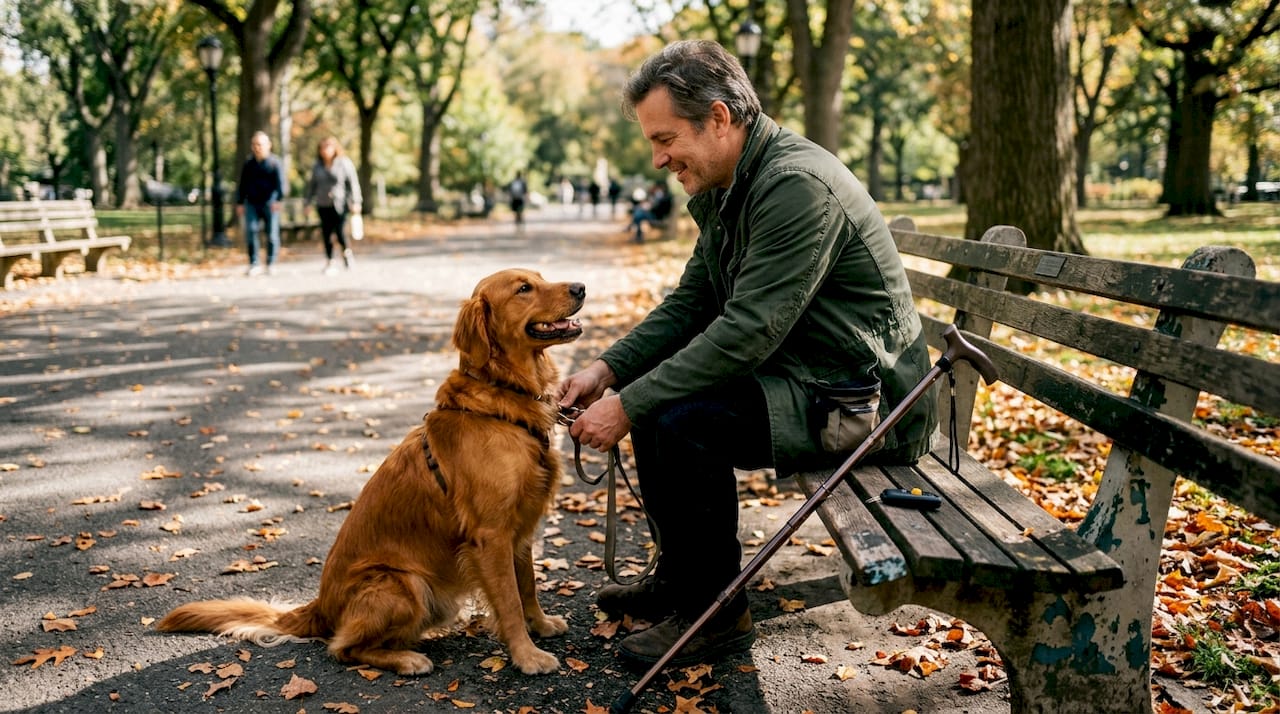
For those looking at care for disabled dogs or pets with their own mobility needs, the cost picture is manageable. Pet wheelchairs run $200 to $600, and most special needs situations require minimal ongoing costs beyond routine vet care. The upfront investment is the biggest hurdle.
| Adaptive device | Estimated cost | Ease of use | Ideal for |
|---|---|---|---|
| Hands-free leash | $15 to $40 | Very easy | Wheelchair users, one-handed owners |
| Elevated feeding station | $20 to $80 | Easy | Mobility and bending limitations |
| Long-handle grabber | $10 to $25 | Easy | Low dexterity, seated users |
| Automatic pet door | $80 to $250 | Moderate setup | Owners with limited mobility |
| Pet ramp or steps | $30 to $120 | Easy | Owners who cannot lift pets |
| Vibrating collar | $30 to $90 | Moderate | Hearing-impaired owners or pets |
| Pet wheelchair | $200 to $600 | Requires training | Pets with mobility impairments |
For budget-conscious owners, DIY alternatives work well in many cases. A bungee cord clipped to a wheelchair frame can serve as a hands-free leash. A sturdy box or crate can elevate a food bowl to a reachable height. Creativity goes a long way.
Key tools to prioritize based on your situation:
- Wheelchair users: Hands-free leash, elevated feeder, grabber tool
- Low dexterity: Automatic feeders, easy-open treat pouches, button-style devices
- Visually impaired: Tactile markers on pet supplies, consistent furniture placement
- Hearing impaired: Vibrating collars, visual alert systems, light-based signals
Understanding the importance of pet routines cannot be overstated. Predictable schedules help pets settle into new tools faster and reduce anxiety for both of you.
Pro Tip: Introduce one new tool at a time. Changing too many things at once confuses pets and makes it harder to identify what is working. Give each adaptation at least two weeks before evaluating.
Innovative ways to enhance communication
Effective care is not just about physical routines. Clear communication between you and your pet is what makes everything else work. This is especially important when either you or your pet has a sensory impairment.
Hand signals, vibration collars, tactile cues, and scent markers are all proven methods for communicating with hearing-impaired owners or pets. Each approach taps into a different sensory channel, which means you can layer them for even stronger results. A dog that learns both a hand signal and a vibration cue for “sit” has two reliable pathways to understand you.
Choosing the right method depends on your specific situation. If you have limited arm mobility, scent-based cues or sound-based commands may be more practical than hand signals. If your pet has hearing loss, vibration collars and tactile touch cues become essential rather than optional.
Here are the most effective communication methods to consider:
- Hand signals: Clear, consistent gestures for basic commands like sit, stay, and come
- Vibrating collars: Send a gentle buzz to get a deaf or distracted dog’s attention
- Tactile touch cues: Specific touches on different body parts to signal different commands
- Scent markers: Distinct scents placed on objects or areas to guide visually impaired pets
- Button-press alert devices: Simple tools that let pets signal their needs to owners
For more ideas tailored to your situation, explore these communication tips for disabled pet owners that cover a wide range of scenarios.
Pro Tip: Pick one new communication cue and practice it for five minutes a day for two weeks before adding another. Consistency is what makes cues stick, not the number of repetitions in a single session.
Safety strategies for daily routines
Communication builds connection, but daily safety habits protect everyone in the home. A few simple adjustments to your routine can prevent most common accidents.
Always check under and around your wheelchair before moving, since pets often curl up in blind spots. Most dogs learn the sound of a wheelchair motor or manual push quickly, but you should never assume your pet has moved. This one habit alone prevents a significant number of injuries.
For homes with multiple pets, the complexity increases. Tailored training and aids are essential in multi-pet households or when disabilities vary, and a vet consultation can help you design a plan that works for your specific combination of animals and needs.
Here are the essential safety habits to build into your daily routine:
- Check around your wheelchair or mobility aid before every move, especially in low-light areas.
- Establish clear walking paths through your home and keep them free of pet toys and bedding.
- Use bells or alarms on pet doors so you always know when a pet is entering or leaving a room.
- Set scheduled feeding times to reduce pet crowding and unpredictable movement around your feet or wheels.
- Train pets to wait at doorways before you move through, reducing collision risk.
- Use non-slip mats under pet bowls and in areas where your pet eats or drinks.
- Consult your vet before introducing any new training method, especially for older or anxious pets.
“Consistent routines do more than create order. They teach pets what to expect, which dramatically reduces the erratic behavior that causes most household accidents.”
For more practical guidance, these helpful tips for disabled owners cover real-world scenarios in detail. If you are working toward greater independence at home, the independent living with pets guide is a strong next resource.
Comparison: Recommended tools and solutions at a glance
With so many options available, a side-by-side view helps you match the right tool to your specific situation. Use this table as a quick-reference when making decisions.
| Device or strategy | Use case | Estimated cost | Best for |
|---|---|---|---|
| Hands-free leash | Walking and outdoor control | $15 to $40 | Wheelchair users, one-handed owners |
| Vibrating collar | Communication and recall | $30 to $90 | Hearing-impaired owners or deaf pets |
| Elevated feeding station | Reducing bending and reaching | $20 to $80 | Mobility limitations, seated owners |
| Button-press alert device | Pet-to-owner communication | $20 to $60 | All disability types, seniors |
| Pet ramp | Helping pets reach furniture safely | $30 to $120 | Owners who cannot lift pets |
| Automatic pet door | Reducing trips to let pets out | $80 to $250 | Limited mobility, fatigue-related conditions |
| Hand signal training | Wordless command communication | Free | Hearing-impaired owners, quiet environments |
| Scent markers | Guiding visually impaired pets | $5 to $20 | Visually impaired pets or owners |
Cost is rarely the deciding factor once you see the value these tools deliver. Most items in the low-to-mid range pay for themselves quickly in reduced stress and improved safety. For a deeper look at enhancing pet care safety, there are resources that go beyond the basics and address specific disability scenarios.
Match each tool to your primary barrier first. If mobility is your main challenge, start with the hands-free leash and elevated feeder. If communication is the gap, prioritize the vibrating collar or button-press device. Build from there.
Practical next steps: Find the right tools and support
You now have a solid framework for making pet ownership work on your terms. The next step is putting it into practice with the right products and community behind you.
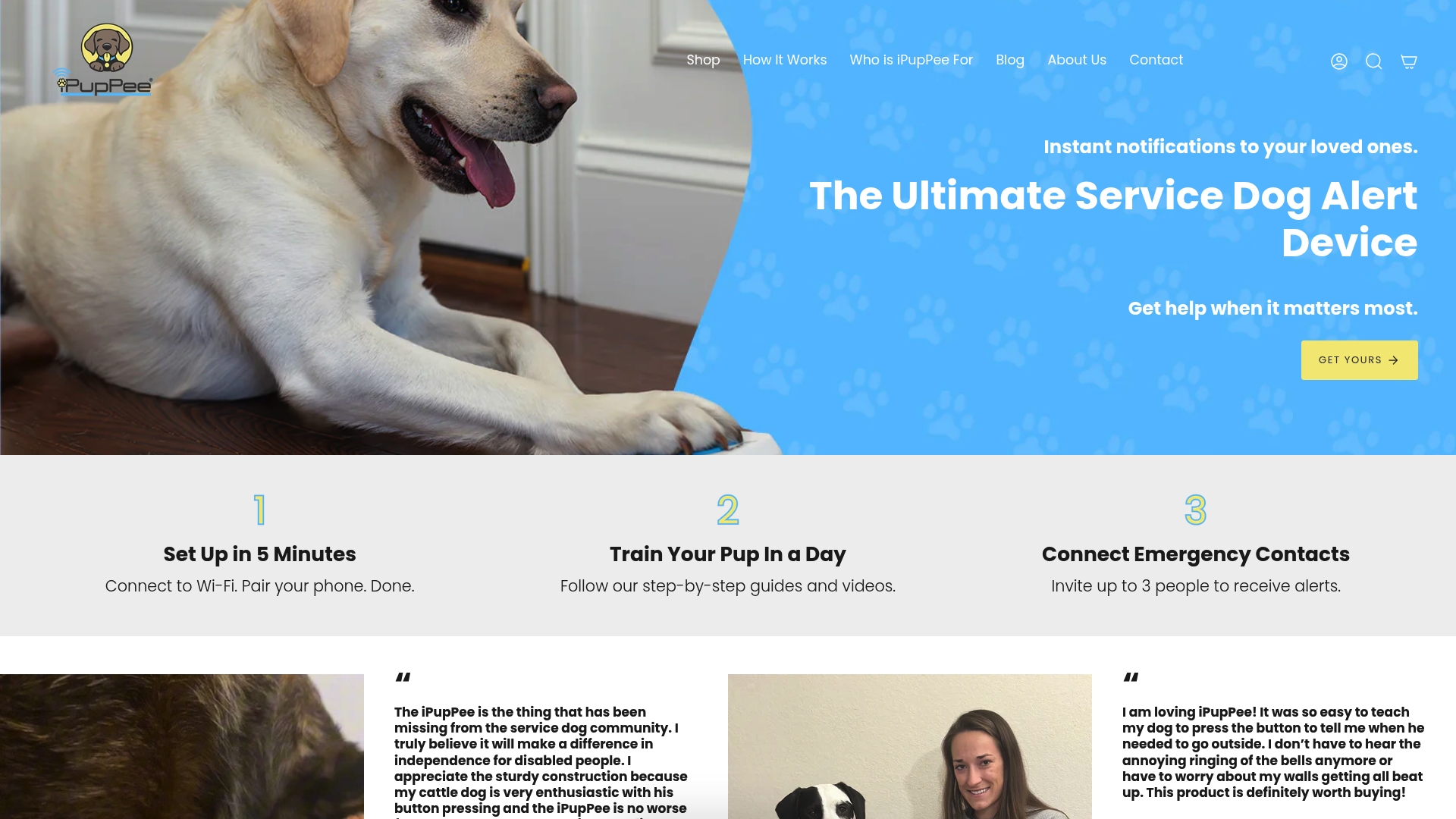
iPupPee specializes in exactly this space, offering innovative pet care solutions for disabled owners that bridge the communication gap between you and your dog. The iPupPee alert device lets your dog signal their needs with a simple button press, giving you real-time awareness without having to watch your pet constantly. It is a practical, low-effort tool that supports independence for both of you. Beyond the product itself, iPupPee’s blog and resource library connect you with a community of disabled pet owners who share your challenges and your love for their animals. Explore the site to find tools, tips, and support designed specifically for your situation.
Frequently asked questions
What are must-have tools for disabled pet owners?
Hands-free leashes, elevated feeding stations, and long-handle grabbers are the top three tools for maintaining independence and keeping both you and your pet safe during daily care.
How can I safely maneuver around pets in a wheelchair?
Always check under your wheelchair before moving, and train your pet to recognize the sound of your chair so they learn to move clear of it.
Can pets adapt to owners with different disabilities?
Pets adapt resiliently to a wide range of owner disabilities as long as routines are clear, consistent, and supported by the right tools.
What communication methods work best if my pet or I have hearing or sight loss?
Hand signals, vibration collars, tactile touch cues, and scent markers each target a different sensory channel and can be combined for stronger results.
Are there high ongoing costs for special pet devices?
Most costs are upfront. Pet wheelchairs run $200 to $600, but the majority of specialized devices require little to no ongoing expense after the initial purchase.
Recommended
- 7 Essential Communication Tips for Disabled Pet Owners – iPupPee
- How to care for your disabled dog safely in 2026 – iPupPee
- 7 Helpful Tips for Living With Disabilities and Dogs – iPupPee
- Disability and Pet Care: Enhancing Safety and Connection – iPupPee
- Pomeranian Pflege 101: Tipps für einen gesunden, glücklichen Hund!