

Finding a rhythm that works for both you and your dog can sometimes feel challenging, especially for service dog handlers and senior pet owners who manage unique needs. Routines offer more than just order—they create security and trust that improve everyday life for pets and people alike. By focusing on consistent behavioral patterns, you set the stage for better communication and safety, and innovative tools like the iPupPee make it even easier to support both health and understanding.
Table of Contents
- Defining Pet Routines And Their Value
- Types Of Pet Routines For Dog Owners
- How Routines Improve Communication And Safety
- Roles Of Innovative Devices In Daily Habits
- Risks Of Inconsistent Pet Schedules
- Building Successful Routines For Special Needs
Key Takeaways
| Point | Details |
|---|---|
| Establishing Consistent Routines | Creating stable routines for pets can significantly reduce stress and enhance their emotional well-being. |
| Types of Routines Matter | Feeding, exercise, training, and social interactions are crucial components of a dog’s daily routine to foster physical and mental stability. |
| Communication and Safety Enhancement | Structured routines improve communication between pets and owners, laying the groundwork for a trusting and safe relationship. |
| Customized Approaches for Special Needs | Tailoring routines to the unique requirements of special needs dogs is essential for promoting their confidence and security. |
Defining Pet Routines and Their Value
Pet routines are systematic, predictable behavioral patterns that provide structure and stability for both animals and their human companions. Consistent behavioral patterns are essential for managing daily needs, reducing stress, and creating a sense of security. These routines encompass regular activities like feeding times, exercise schedules, training sessions, and communication protocols that help pets understand expectations and feel emotionally supported.
Establishing pet routines involves creating a framework that addresses multiple aspects of an animal’s life. This includes maintaining consistent meal times, designated bathroom breaks, exercise periods, and structured interaction windows. Pet ownership research demonstrates that predictable routines contribute significantly to pets’ mental and physical well-being, helping them feel safe and reducing anxiety.
Routines serve multiple critical functions beyond basic care. They facilitate communication between pets and owners, establish clear behavioral expectations, and create opportunities for bonding. For service dog handlers and senior pet owners, these routines become even more crucial, providing a systematic approach to daily interactions that enhance safety, understanding, and mutual trust. By implementing structured daily patterns, pet owners can create an environment of predictability that supports their animal’s emotional and physical health.
Pro tip: Start developing your pet routine by creating a consistent daily schedule with fixed times for meals, walks, training, and rest, and gradually adjust based on your pet’s individual needs and responses.
Types of Pet Routines for Dog Owners
Dog owners must establish comprehensive routines that address multiple aspects of their pet’s daily life. Daily dog routines encompass several critical components, including consistent feeding schedules, exercise periods, bathroom breaks, mental stimulation, training sessions, and dedicated bonding time. Each of these elements plays a crucial role in maintaining a dog’s physical health, emotional well-being, and overall behavioral stability.
The primary types of pet routines can be categorized into structured segments that support holistic dog care. Feeding routines involve establishing consistent meal times and portion control, which help regulate digestion and prevent obesity. Exercise routines are equally important, providing physical activity that manages energy levels and reduces potential anxiety or destructive behaviors. Training and consistency help dogs understand behavioral expectations and create a sense of security through predictable interactions.
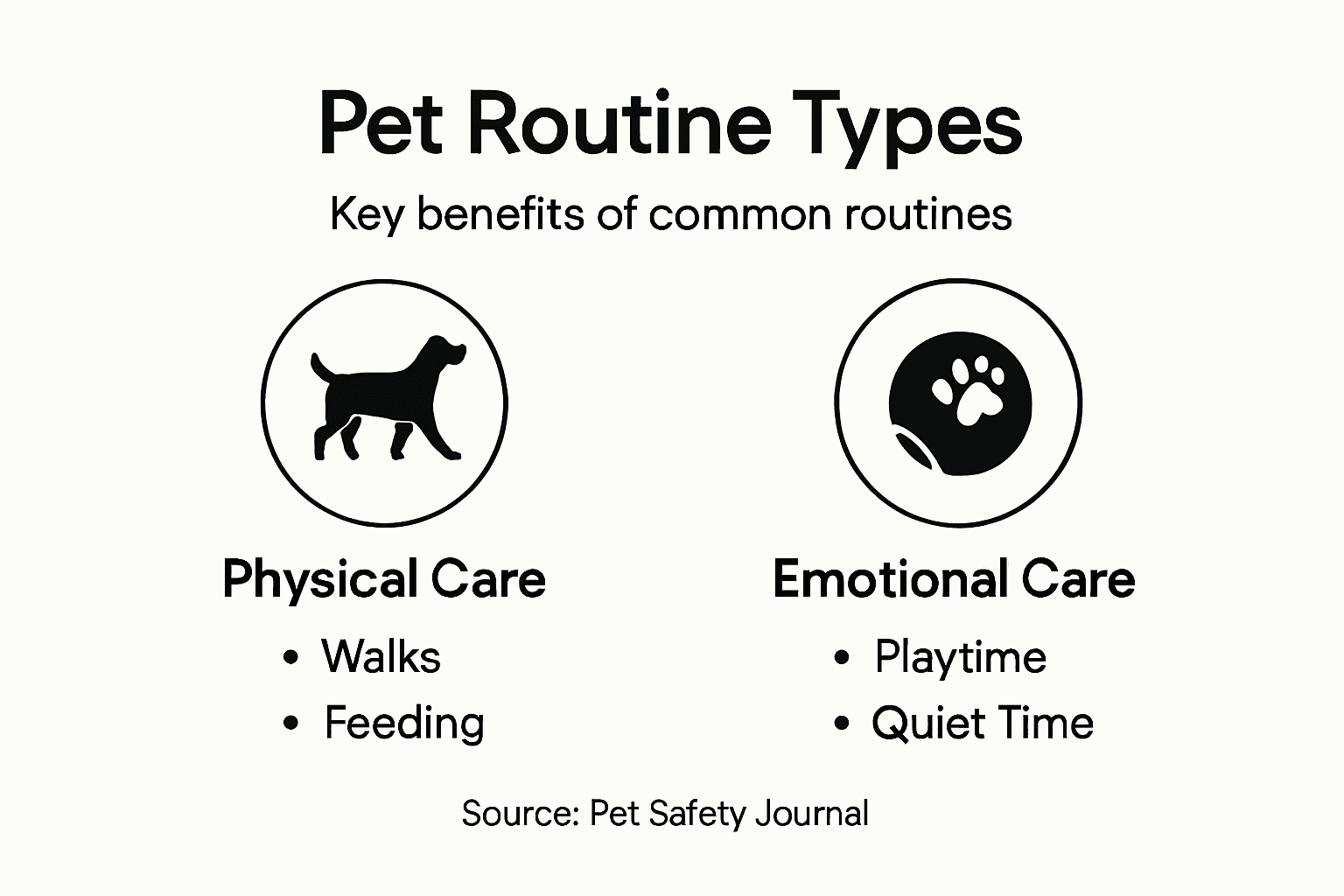
Mental and emotional routines are often overlooked but are fundamental to a dog’s psychological health. These include regular training sessions, interactive playtime, socialization opportunities, and quiet rest periods. For service dog handlers and senior pet owners, these routines become even more critical, as they provide structure, enhance communication, and support the unique needs of dogs in specialized roles. By integrating varied routine types, owners can create a balanced approach that addresses physical, mental, and emotional requirements.
Here’s a summary of routine types and their impact on dog health:
| Routine Type | Physical Benefit | Psychological Effect | Example Activity |
|---|---|---|---|
| Feeding | Supports digestion, weight | Creates sense of stability | Fixed meal times |
| Exercise | Boosts fitness, energy | Reduces anxiety, restlessness | Daily walks, play sessions |
| Training | Promotes good behavior | Enhances communication | Command practice sessions |
| Social Interaction | Improves cardiovascular health | Builds trust, emotional bonds | Playdates, quiet time |
Pro tip: Create a visual daily schedule that outlines your dog’s routine and place it in a prominent location, helping all family members maintain consistent interactions and care.
How Routines Improve Communication and Safety
Pet routines form the foundation of effective communication between dogs and their owners, creating a shared language of predictability and trust. Veterinary communication research demonstrates that consistent interactions reduce misunderstandings and enhance the overall quality of the human-animal relationship. By establishing clear behavioral expectations, routines help dogs understand what is expected of them, simultaneously reducing anxiety and increasing their sense of security.
The safety benefits of structured routines extend far beyond simple predictability. Regular training sessions embedded within daily routines help dogs learn critical safety commands like stop, come, and stay, which can prevent potentially dangerous situations. For service dog handlers and owners with special needs, these communication protocols become lifelines, enabling precise interactions that can prevent accidents or medical emergencies. Consistent routines also help owners quickly identify changes in their dog’s behavior, allowing early detection of health issues or potential behavioral problems.
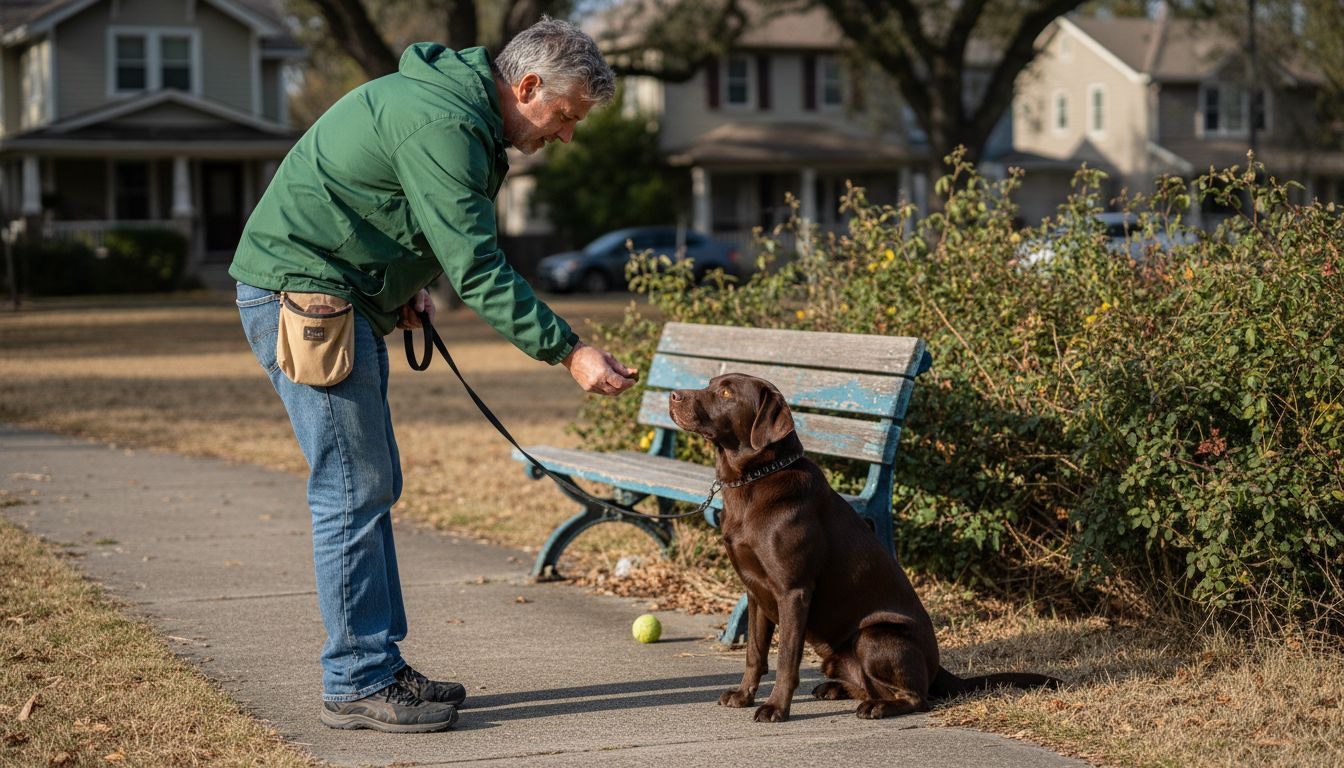
Communication through routines is particularly nuanced for specialized dog-owner relationships. Service dogs, therapy dogs, and working dogs require extraordinarily precise communication frameworks that go beyond standard pet interactions. These advanced routines incorporate complex signaling systems, allowing dogs to communicate specific needs, potential dangers, or required actions. By developing multilayered communication strategies through consistent daily interactions, owners can create deep, intuitive connections that transcend verbal language.
Pro tip: Practice your dog’s communication routine using short, consistent verbal and physical cues, and reward immediate recognition to reinforce clear understanding.
Roles of Innovative Devices in Daily Habits
Internet of Things (IoT) technologies are revolutionizing pet care by introducing sophisticated devices that transform daily routines. Smart pet care innovations enable pet owners to monitor, track, and support their dogs’ health and safety with unprecedented precision. These technological solutions range from automated feeding systems to wearable health monitors, providing real-time insights that help owners maintain consistent and adaptive care strategies.
Innovative devices play critical roles in enhancing communication and safety for different types of dog-owner relationships. Automated feeding systems can ensure precise nutritional delivery, while wearable health trackers monitor vital signs and activity levels. Location tracking devices provide additional safety layers for service dogs and pets with special needs, allowing owners to quickly respond to potential emergencies. These technologies not only support routine management but also offer unprecedented levels of insight into a dog’s physical and behavioral patterns.
Technology integration in pet care comes with both remarkable opportunities and important considerations. Global pet technology trends highlight the potential for AI-powered behavior analysis and telemedicine, which can provide deeper understanding of a dog’s health and communication needs. However, owners must also be mindful of data privacy and potential cybersecurity risks associated with these advanced monitoring tools. Balancing technological innovation with ethical considerations becomes crucial in developing meaningful and safe pet care solutions.
The following table compares common pet technology features and their values:
| Device Type | Primary Function | Owner Benefit | Example Use |
|---|---|---|---|
| Automated Feeder | Dispenses meals on schedule | Prevents over- or underfeeding | Maintains consistent nutrition |
| Health Tracker | Monitors vital signs | Early health issue detection | Alerts for inactivity |
| Location Tag | Tracks pet’s location | Prevents lost pets | Maps walks, escape alerts |
| Communication Aid | Facilitates owner-dog signals | Enhances safety, training | Voice or vibration cues |
Pro tip: Research and select pet care devices that offer transparent data usage policies and prioritize your dog’s privacy and security.
Risks of Inconsistent Pet Schedules
Inconsistent pet schedules can profoundly impact a dog’s mental and physical well-being, creating significant stress and behavioral challenges. Irregular feeding patterns trigger anxiety and disruptive behaviors that compromise a dog’s sense of security and emotional stability. Without predictable routines, dogs experience heightened stress levels, leading to potential behavioral issues such as excessive barking, destructive actions, and increased nervousness.
The physiological consequences of inconsistent schedules extend beyond immediate behavioral symptoms. Nutritional and metabolic disruptions can emerge from unpredictable feeding times and irregular care patterns. These disruptions can cause digestive problems, metabolic imbalances, and potential long-term health complications. Service dog handlers and owners with special needs are particularly vulnerable, as inconsistent routines can significantly undermine the precise communication and trust required for effective working relationships.
Beyond physical health, irregular schedules impact a dog’s psychological development and ability to form secure attachments. Dogs rely on consistent interactions to understand their environment, develop trust, and feel emotionally safe. Unpredictable routines can create a sense of uncertainty that erodes the fundamental bond between dogs and their owners. For specialized working dogs, such inconsistency can potentially compromise their ability to perform critical tasks and maintain the high level of focus required in service roles.
Pro tip: Create a visual daily schedule and set phone reminders to maintain consistent feeding, exercise, and interaction times, helping your dog feel secure and reducing potential stress-related behaviors.
Building Successful Routines for Special Needs
Developing effective routines for special needs dogs requires a nuanced, compassionate approach that addresses unique individual challenges. Personalized care plans must incorporate tailored strategies that consider each dog’s specific physical, cognitive, and emotional requirements. These customized routines provide critical structure, reducing anxiety and promoting a sense of security for dogs with varying abilities and limitations.
The foundation of successful special needs routines lies in understanding and adapting to each dog’s specific constraints. Positive reinforcement techniques play a crucial role in creating supportive training environments that encourage learning and emotional stability. This might involve modifying exercise intensity, designing gentle mental stimulation activities, and establishing predictable interaction patterns that respect the dog’s unique capabilities and potential medical restrictions.
For service dog handlers and owners supporting dogs with physical or cognitive challenges, routine development becomes a dynamic, ongoing process. Successful strategies involve consistent medical consultation, regular assessment of the dog’s changing needs, and flexible adaptation of daily schedules. Specialized tools, such as mobility aids, communication devices, and adaptive training equipment, can significantly enhance the effectiveness of these routines, providing additional support and enabling greater independence for both dog and handler.
Pro tip: Create a flexible, visual routine chart that can be easily modified, documenting your special needs dog’s specific requirements, medication schedules, and adaptive techniques.
Strengthen Your Pet’s Routine with Innovative Communication and Safety Solutions
Maintaining consistent pet routines is essential for building trust, enhancing safety, and deepening the bond between you and your dog. This article highlights how predictable daily schedules reduce anxiety and improve communication, especially for service dog handlers, seniors, and owners of special needs dogs. If you are looking to transform routine care into clear, reliable communication, the iPupPee device can be a game changer. Designed to support seamless interaction through a simple button press, it empowers your dog to signal needs promptly, reinforcing the routines critical to their well-being.
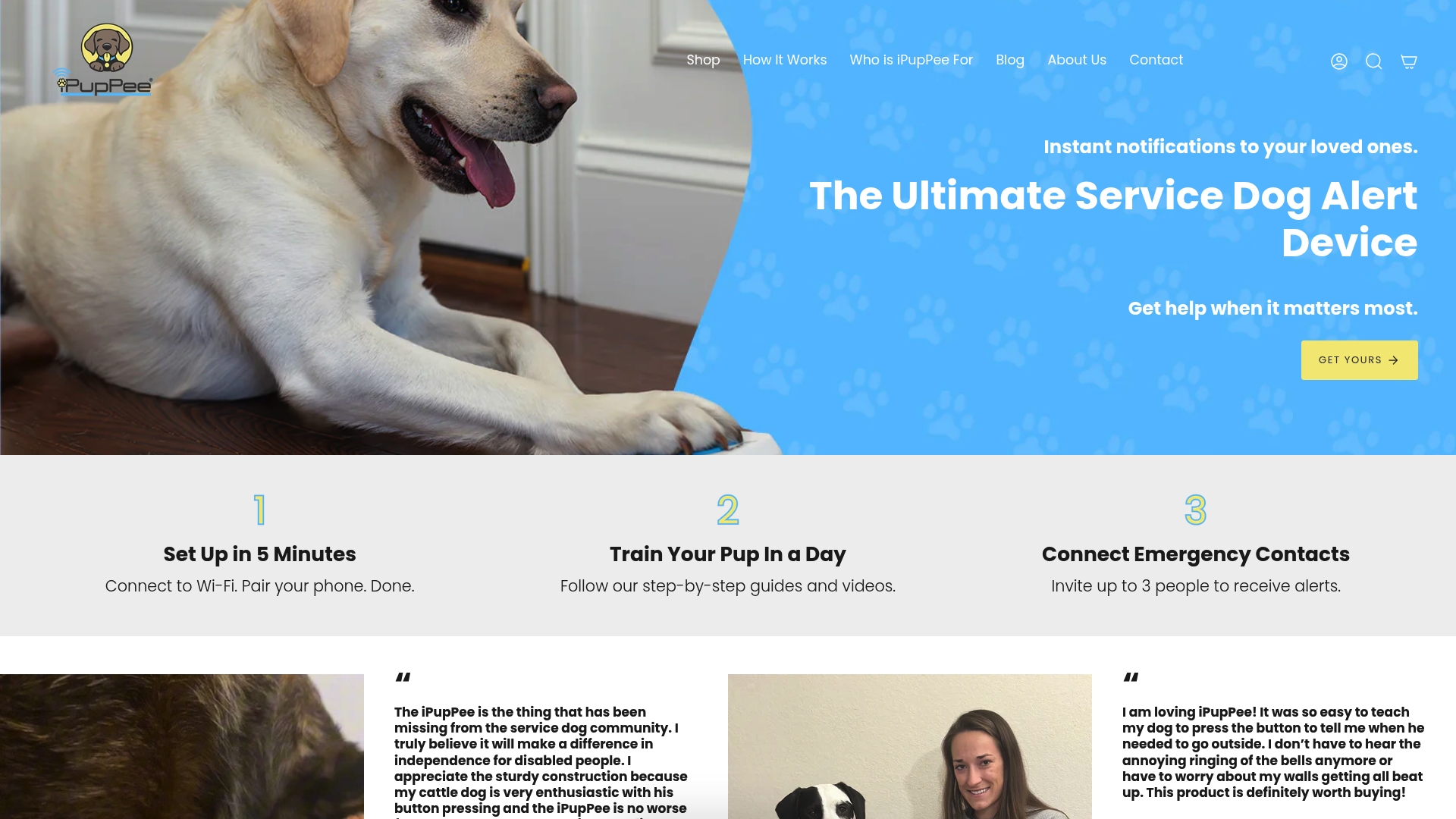
Start enhancing your dog’s routine today with tools designed for safety and independence. Visit iPupPee main site to explore our unique alert device, discover training instructions tailored for various dog owner needs, and learn how to integrate technology that strengthens communication in your daily habits. Don’t wait until inconsistent routines create stress or safety lapses. Take control of your pet’s routine and bonding experience now at https://ipuppee.com.
Frequently Asked Questions
What are pet routines and why are they important?
Pet routines are systematic, predictable behavioral patterns that provide structure and stability for pets and their owners. They help manage daily needs, reduce stress, and create a sense of security for both pets and humans.
How can I establish a daily routine for my dog?
To establish a daily routine, create a consistent schedule that includes fixed times for meals, exercise, bathroom breaks, training, and bonding time. Gradually adjust the routine based on your dog’s individual needs and responses.
What are some benefits of using smart devices to support pet routines?
Smart devices can enhance pet routines by automating feeding schedules, tracking health metrics, and providing location monitoring. These technologies help ensure consistent care and can offer real-time insights into a dog’s well-being.
How do inconsistent pet schedules affect my dog’s behavior?
Inconsistent schedules can lead to heightened anxiety, stress, and behavioral issues in dogs. Predictable routines are essential for their emotional well-being and can help prevent problems like excessive barking or destructive behaviors.
Recommended
- How to Bond With Dogs: Proven Ways for Lasting Connection – iPupPee
- Dog Training Consistency: Key to Successful Dogs in 2025 – iPupPee
- Dog Training and Bonding: Build Unbreakable Connections in 2025 – iPupPee
- 10 Healthy Dog Habits for Happy and Active Pets – iPupPee
- Understanding Pet Safe Plumbing Tips For Your Home - Legacy Plumbing & Drain - Emergency Plumbers Of Sacramento