

More than 60 percent of people with disabilities report that pets help them feel more independent and less isolated. Relationships with animals go far beyond simple companionship for many seniors and individuals navigating health challenges. These animal partners offer not just comfort but practical help and emotional strength every day. This guide explores how pets transform lives, outlining clear benefits, real-life strategies, and the tools that support greater autonomy at home.
Table of Contents
- Defining Independent Living With Pets
- Benefits For Disabled And Senior Owners
- Essential Communication And Safety Devices
- Training Assistance And Daily Routines
- Risks, Legal Rights, And Safety Concerns
Key Takeaways
| Point | Details |
|---|---|
| Emotional and Practical Support | Pets provide vital emotional support, enhance personal autonomy, and assist with daily tasks for individuals seeking independence. |
| Health Benefits for Seniors | Pet ownership significantly improves physical and emotional health, reducing loneliness and promoting increased physical activity among seniors. |
| Technological Enhancements | Communication and safety devices enhance the relationship between pets and their owners, providing vital links for support and security. |
| Understanding Risks and Legal Rights | It is essential for pet owners to be aware of safety protocols, public access rights, and liability protections to navigate independent living successfully. |
Defining Independent Living With Pets
Independent living with pets represents a dynamic partnership where animals provide essential support, companionship, and practical assistance to individuals seeking autonomy in their daily lives. This relationship goes beyond traditional pet ownership, transforming how people with varying abilities navigate personal challenges and maintain independence.
According to research from mdpi, pets play a crucial role in supporting vulnerable populations, particularly during challenging times like the COVID-19 pandemic. The study highlights how companion animals contribute significantly to their owners’ sense of personal autonomy and overall well-being. For individuals with disabilities or long-term health conditions, pets become more than just animals - they are active partners in maintaining independence.
The concept of independent living with pets encompasses several key dimensions:
- Emotional Support: Providing consistent companionship and reducing feelings of isolation
- Practical Assistance: Helping with mobility, navigation, and daily task completion
- Psychological Resilience: Offering a sense of purpose and motivation
- Social Connection: Facilitating interactions and reducing social barriers
Research from frontiersin further emphasizes that while pets offer tremendous benefits, they also present unique challenges for owners with disabilities. Understanding these nuances is critical for creating successful independent living arrangements. The key is recognizing that pet partnerships are collaborative relationships requiring mutual adaptation, training, and ongoing communication.
By integrating Understanding How Service Dogs Assist Seniors into your approach, individuals can develop more comprehensive strategies for maintaining independence through thoughtful pet partnerships.
Benefits for Disabled and Senior Owners
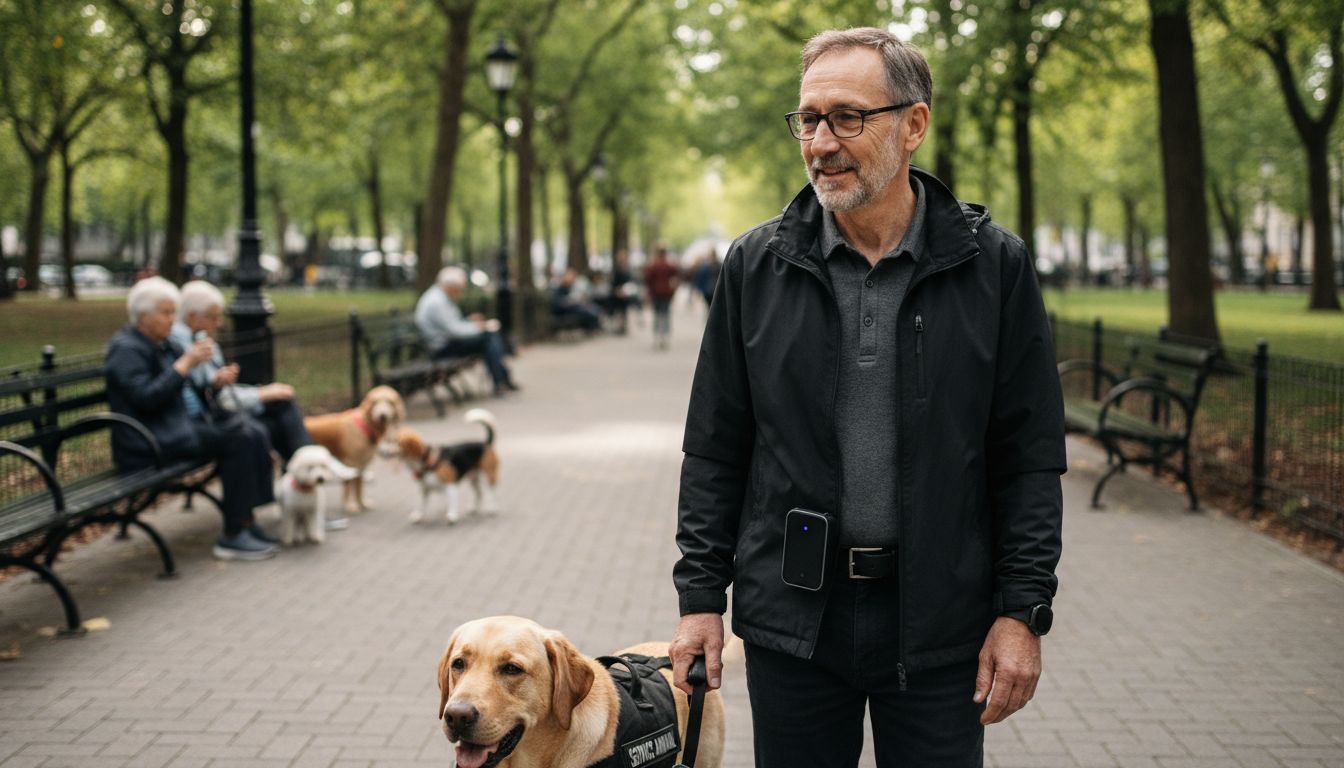
Pet ownership offers transformative advantages for disabled and senior individuals, extending far beyond conventional companionship. These remarkable animal partnerships provide multifaceted support that dramatically enhances quality of life, independence, and overall well-being.
Research from pubmed reveals compelling evidence about the health benefits of pet ownership for elderly populations. The study highlights significant improvements in behavioral patterns, substantial reductions in loneliness, and increased physical activity levels. Pets become more than companions - they are active catalysts for maintaining physical and emotional health.
Key benefits for disabled and senior owners include:
- Emotional Resilience: Providing consistent emotional support and reducing feelings of isolation
- Physical Motivation: Encouraging regular movement and exercise through daily care and interaction
- Social Engagement: Creating opportunities for interaction and reducing social barriers
- Psychological Stability: Offering a sense of purpose and unconditional companionship
Additional research from bmcpublichealth underscores the profound impact of human-pet interactions on middle-aged and older adults. The study confirms that pet ownership can significantly mitigate loneliness and promote increased physical activity, which are critical factors in maintaining independence and mental health.
For those seeking deeper insights, How Dogs Help Seniors: Health, Happiness, and Independence 2025 provides an excellent resource for understanding the nuanced ways pets support senior independence and well-being.
Essential Communication and Safety Devices
Communication and safety devices represent critical technological innovations that bridge the gap between pets and their owners, particularly for individuals with disabilities or seniors seeking greater independence. These sophisticated tools transform how people interact with and rely on their animal companions for support and security.
According to research from matherinstitute, technological devices play a crucial role in enhancing psychological connection and safety for pet owners. The study emphasizes how modern communication tools can significantly improve the interaction between pets and their human companions, creating more robust support systems for vulnerable populations.
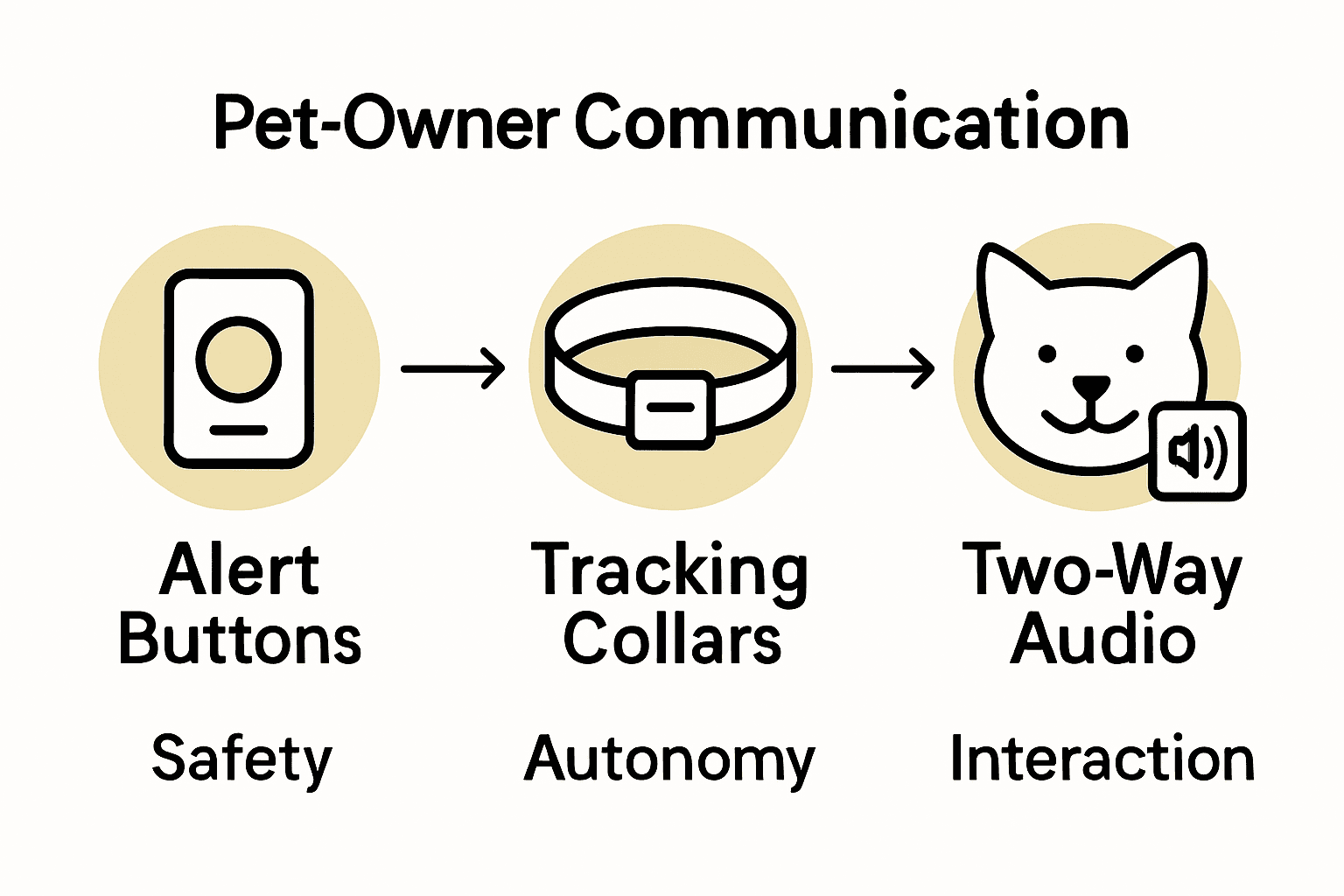
Key communication and safety devices include:
- Alert Buttons: Enabling pets to signal immediate needs or emergencies
- Tracking Devices: Monitoring pet location and movement
- Health Monitoring Sensors: Tracking vital signs and activity levels
- GPS-Enabled Collars: Providing real-time location tracking
- Two-Way Audio Devices: Allowing remote communication and interaction
Research from kendalathome further highlights how these devices increase seniors’ sense of security and social interaction. By integrating technological solutions, pet owners can maintain closer connections and respond more quickly to their pets’ needs.
For those interested in exploring cutting-edge communication technologies, Understanding Dog Emergency Alert Systems: A Comprehensive Guide offers an in-depth exploration of how these innovative devices are transforming pet-owner relationships and supporting independent living.
Training Assistance and Daily Routines
Training assistance and establishing consistent daily routines are fundamental to successful independent living with pets, especially for individuals with disabilities or seniors seeking structured support. These carefully developed routines create a framework of mutual understanding and communication between pets and their owners.
According to research from fivestarseniorliving, pets play a crucial role in helping seniors establish predictable daily patterns. The study emphasizes how structured interactions and routines can significantly improve overall well-being, providing a sense of purpose and stability for both the pet and the owner.
Key components of effective training and daily routines include:
- Consistent Feeding Schedules: Establishing regular meal times
- Morning and Evening Walks: Structured physical activity and exercise
- Communication Training: Teaching pets specific alert and assistance signals
- Medical Assistance Protocols: Training pets to recognize and respond to health needs
- Emotional Support Interactions: Developing predictable comfort and companionship routines
Research from meadowridge further highlights the profound impact of structured pet interactions on seniors’ physical activity and emotional well-being. By implementing systematic training approaches, owners can create powerful support networks with their animal companions.
For those seeking deeper insights into developing successful pet partnerships, Master Service Dog Daily Routines offers comprehensive guidance on creating effective training and interaction strategies.
Risks, Legal Rights, and Safety Concerns
Independent living with pets requires a comprehensive understanding of potential risks, legal protections, and safety considerations. Navigating these complex aspects is crucial for individuals with disabilities or seniors who rely on animal companions for support and daily assistance.
Research from mdpi highlights the critical importance of understanding safety protocols during challenging periods like the COVID-19 pandemic. The study emphasizes the need for proactive risk management strategies that protect both pet owners and their animal companions, particularly for vulnerable populations.
Key risks and legal considerations include:
- Public Access Rights: Understanding service animal regulations
- Liability Protection: Identifying potential legal responsibilities
- Health and Vaccination Requirements: Maintaining pet and owner safety
- Insurance Considerations: Covering potential medical or property risks
- Emergency Preparedness: Developing contingency plans for unexpected situations
Further research from frontiersin explores the nuanced challenges of pet ownership for adults with disabilities, emphasizing the importance of comprehensive legal and safety frameworks. These insights underscore the need for careful planning and proactive risk management.
For those seeking additional guidance on maintaining a safe environment, The Importance of Dog Safety: What Every Owner Should Know in 2025 provides essential insights into protecting both pets and their human companions.
Enhance Independent Living With Your Pet Today
Living independently with a pet can bring incredible emotional support and practical benefits, but challenges like effective communication and safety remain. The article highlights how crucial it is for owners, especially seniors and disabled individuals, to have reliable ways to interact with their pets and ensure safety at all times. If you want to overcome these hurdles and build a stronger partnership based on clear communication and trust, exploring innovative tools designed for this purpose is essential.
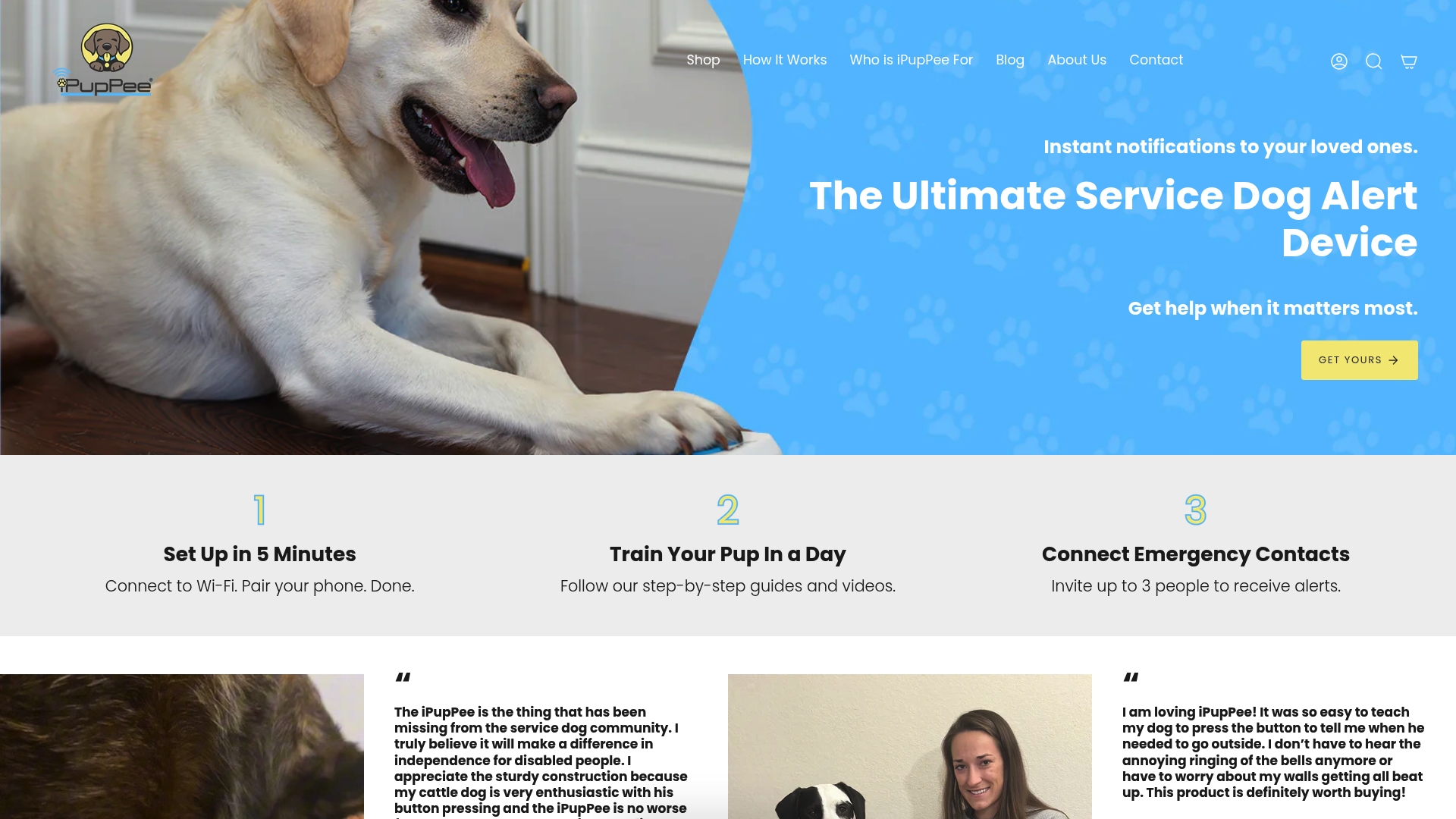
Discover how the iPupPee alert device transforms pet-owner relationships by enabling simple, reliable communication through a smart button press. This technology empowers you to maintain control, safety, and confidence in everyday life. Learn more about effective communication strategies with pets, and find practical training tips tailored to seniors and service dog handlers in Master Service Dog Daily Routines. Take the next step now to enhance your independence and well-being by visiting ipuppee.com and exploring solutions made to fit your unique bond with your pet.
Frequently Asked Questions
What are the benefits of independent living with pets?
Pet ownership provides emotional support, encourages physical activity, enhances social engagement, and offers a sense of purpose, especially for disabled and senior individuals.
How can technology improve my relationship with my pet for independent living?
Technology such as alert buttons, tracking devices, and health monitoring sensors can enhance communication, safety, and overall interaction between you and your pet, facilitating better support and security.
What training should I consider for my pet to assist with daily routines?
Training can include establishing consistent feeding schedules, teaching alert signals for emergencies, and encouraging routine walks for exercise, all of which help in creating a structured daily life for both you and your pet.
What legal rights and safety concerns should I be aware of when living with a pet?
It’s essential to understand public access rights for service animals, liability protection, health and vaccination requirements, insurance considerations, and emergency preparedness strategies to ensure safety for you and your pet.
Recommended
- Understanding Dog Independence Benefits for Owners – iPupPee
- Top Safety Tips for Dog Owners: Essential Guidance for 2025 – iPupPee
- How Dogs Help Seniors: Health, Happiness, and Independence 2025 – iPupPee
- Service Dog Care Essentials: Must-Know Tips for 2025 – iPupPee
- 10 Perfect Gifts for Pet Lovers They Will Cherish – TreasuredTale
- Essential House Moving Checklist for Seniors in 2025 | Schott Removals