

Choosing the right assistance dog goes far beyond picking a breed by looks or popularity. For many American and international handlers, a well-matched service dog can increase daily independence and safety. Studies reveal up to 80 percent of service dog placements succeed when individual needs are prioritized. This guide delivers practical steps to help you make informed decisions, from dog selection and essential training to adopting innovative communication tools for a stronger partnership.
Table of Contents
- Choose the Right Dog for Your Needs
- Train Your Dog for Essential Tasks
- Use Assistive Communication Devices
- Create a Safe Home Environment
- Establish Consistent Routines
- Access Community Resources and Support
- Promote Bonding and Emotional Wellbeing
Quick Summary
| Key Message | Clear Explanation |
|---|---|
| 1. Choose the Right Dog for Your Needs | Match a dog’s temperament and skills to your specific requirements for maximum support and independence. |
| 2. Train Your Dog for Essential Tasks | Focus on systematic training tailored to your individual disability needs to enhance your dog’s effectiveness. |
| 3. Create a Safe Home Environment | Modify your living space to ensure safety and accessibility for both you and your service dog. |
| 4. Establish Consistent Routines | Develop predictable schedules to reduce anxiety and improve interactions between you and your service dog. |
| 5. Access Community Resources and Support | Build a support network by connecting with local resources and communities focused on disability and service dog assistance. |
1. Choose the Right Dog for Your Needs
Selecting the perfect dog when living with a disability requires thoughtful consideration and strategic planning. Your canine companion isn’t just a pet but a potential partner in navigating daily challenges.
Research indicates that matching a dog’s temperament and capabilities to your specific needs is crucial for achieving maximum independence and support. Comprehensive frameworks for service dog selection emphasize the importance of evaluating multiple factors beyond basic breed characteristics.
Consider these critical elements when choosing your ideal assistance dog:
Physical Capabilities • Strength and size appropriate for potential mobility support • Ability to perform specific tasks related to your disability • Physical endurance matching your lifestyle and requirements
Temperament Traits • Calm and steady demeanor • High trainability • Intuitive responsiveness to human emotional and physical signals • Low distraction sensitivity
When evaluating potential dogs, work closely with professional trainers who specialize in service animal placement. These experts can help assess which breeds and individual dogs might best suit your unique situation.
Breed selection matters significantly. Research from veterinary science demonstrates that certain breeds have inherent traits making them more suitable for assistance work.
Pro tip: Schedule multiple meet and greet sessions with potential service dogs, allowing both you and the dog to assess mutual compatibility and comfort levels before making a final commitment.
2. Train Your Dog for Essential Tasks
Training your service dog for essential tasks is a critical process that transforms a canine companion into a reliable support system. Effective training goes far beyond basic obedience and requires strategic skill development tailored to your specific disability needs.
Comprehensive industry research highlights the importance of systematic and scientifically validated training approaches that focus on individual requirements and behavioral adaptation.
Key Training Focus Areas • Mobility assistance tasks • Alert and signal behaviors • Emergency response protocols • Environmental navigation skills • Emotional support and stress mitigation techniques
Consistent training requires patience and understanding. Work with professional trainers who specialize in service dog preparation and can develop a customized program matching your unique challenges.
The European training standards recommend breaking complex tasks into smaller manageable steps. Start with fundamental skills and gradually increase complexity as your dog demonstrates mastery.
Most service dogs require 18 to 24 months of dedicated training to become fully functional assistance partners. This timeline varies based on individual dog aptitude and specific task requirements.
Pro tip: Document your dog’s training progress using video recordings and detailed logs, which help track skill development and identify areas needing additional focus.
3. Use Assistive Communication Devices
Assistive communication devices are transformative technologies that bridge critical communication gaps for people with disabilities and their service dogs. These innovative tools provide unprecedented opportunities for enhanced interaction and mutual understanding.
Global assistive technology research demonstrates that communication devices are not just accessories but essential instruments for independence and quality of life. Modern technologies range from simple button systems to sophisticated digital interfaces that translate complex signals between humans and dogs.
Types of Assistive Communication Devices • Adaptive signal buttons • Digital communication panels • Sensory alert systems • Speech generating devices • Vibration and sound communication tools
The U.S. National Institute guidelines recommend selecting devices that match your specific communication needs and your service dog’s capabilities. Consider factors like ease of use, durability, and compatibility with your existing communication strategies.
Technology selection involves understanding both your physical requirements and your dog’s learning potential. Some devices use simple button press mechanisms while others employ advanced sensor technologies that detect nuanced behavioral cues.
Modern assistive communication devices can dramatically reduce communication barriers and enhance the working relationship between individuals with disabilities and their service dogs.
Pro tip: Always test communication devices in multiple environments and train both yourself and your dog thoroughly before relying on them in critical situations.
4. Create a Safe Home Environment
Creating a safe home environment for individuals with disabilities and their service dogs requires strategic planning and thoughtful modifications. Your living space should become a supportive sanctuary that enhances independence and minimizes potential risks.
Global accessibility research emphasizes the importance of universal design principles that accommodate diverse mobility and sensory needs.
Key Safety Considerations • Clear pathways for mobility assistance • Slip resistant flooring surfaces • Strategic furniture arrangement • Accessible emergency exit routes • Low profile electrical outlets • Adequate lighting in all areas
Physical Space Modifications • Remove tripping hazards • Install grab bars in critical areas • Ensure wide doorways for wheelchair accessibility • Create dedicated spaces for service dog rest and equipment
Comprehensive safety guidelines recommend conducting a systematic home assessment to identify potential obstacles and implement targeted modifications.
Consider your specific disability requirements and your service dog’s working capabilities when designing your living environment. Each modification should enhance both human and canine comfort and functionality.
Technology can significantly improve home safety. Smart home devices with voice activation and remote monitoring can provide additional layers of security and independence.
Pro tip: Conduct a quarterly home safety review with your service dog to reassess and update your living environment based on changing needs and capabilities.
5. Establish Consistent Routines
Consistent routines are the backbone of successful interactions between people with disabilities and their service dogs. Strategic scheduling transforms daily challenges into predictable, manageable experiences that enhance independence and mutual understanding.
Evidence-based disability support research demonstrates that structured routines significantly reduce anxiety and improve overall functioning for individuals with disabilities.
Daily Routine Components • Synchronized feeding times • Regular exercise and training sessions • Consistent bathroom and rest breaks • Predictable work and activity schedules • Systematic medical and grooming protocols
Benefits of Structured Routines • Reduces stress and uncertainty • Creates clear communication expectations • Supports service dog performance • Enhances overall emotional stability
Comprehensive disability support studies highlight that predictable patterns help both humans and service dogs develop stronger, more intuitive working relationships.
Visual scheduling tools like color coded calendars or digital tracking apps can help reinforce routine consistency. Consider using smartphone applications specifically designed for service dog handlers to track daily activities and schedules.
Remember that while routines provide structure, flexibility remains crucial. Occasional variations prevent rigidity and support adaptive learning for both you and your service dog.
Pro tip: Create a weekly routine template that allows for slight modifications, ensuring predictability while maintaining the ability to adjust to unexpected circumstances.
6. Access Community Resources and Support
Building a strong support network is crucial for individuals with disabilities navigating life with service dogs. Community resources can provide critical guidance, emotional support, and practical assistance that enhance your independence and quality of life.
Global research on assistance dogs demonstrates that robust support networks significantly improve emotional wellbeing and social connections for people with disabilities.
Key Community Support Resources • Local disability advocacy organizations • Service dog training support groups • Healthcare professional networks • Online support communities • Government disability assistance programs • Specialized legal support services
Strategic Networking Approaches • Attend disability support workshops • Join online forums and social media groups • Connect with local service dog handler associations • Participate in regional disability support events • Build relationships with healthcare providers
Multidisciplinary collaboration research emphasizes the importance of developing comprehensive support systems that address diverse needs.
Technology has expanded access to support networks. Virtual meetups, webinars, and online platforms now offer unprecedented opportunities to connect with experts and peers worldwide.
Remember that accessing support is a skill. Do not hesitate to reach out and ask questions. Each connection can provide valuable insights and potential solutions to challenges you may encounter.
Pro tip: Create a digital folder with contact information for key support resources, making it easy to access critical assistance when needed.
7. Promote Bonding and Emotional Wellbeing
Building a deep emotional connection with your service dog goes beyond functional assistance. It creates a profound partnership that supports both psychological resilience and practical independence.
Research on disability and social connections demonstrates that strong human animal bonds significantly enhance emotional wellness and life satisfaction.
Emotional Bonding Strategies • Daily quality time together • Positive reinforcement techniques • Shared recreational activities • Mutual trust building exercises • Emotional attunement practices • Stress reduction interactions
Communication and Connection Techniques • Practice gentle physical touch • Learn your dog’s unique body language • Create playful interaction rituals • Develop nonverbal communication skills • Recognize and respond to emotional cues
Scientific evidence on social connections underscores how intentional interactions with service dogs can foster a sense of belonging and emotional agency.
Beyond physical tasks, your service dog becomes an emotional partner. Investing in your relationship means understanding each other’s subtle signals and building a profound sense of mutual trust and understanding.
Remember that emotional bonding is a continuous process. Be patient with yourself and your dog as you develop your unique communication language.
Pro tip: Schedule dedicated daily bonding time that is separate from training or work tasks, allowing pure connection and enjoyment of each other’s presence.
Below is a comprehensive table summarizing the main strategies and recommendations discussed throughout the article for individuals with disabilities and their service dogs.
Enhance Independence and Communication with Your Service Dog Today
Living with disabilities and a service dog comes with unique challenges such as effective communication, safety, and establishing consistent routines. The article highlights vital concerns including assistive communication devices and building strong emotional bonds that deepen your partnership. Your goal to promote safety, independence, and clear communication deserves the right tools designed specifically for service dog handlers.
Discover how the iPupPee alert device can transform your daily experience by providing a reliable and easy-to-use communication solution. This innovative button press system helps bridge communication gaps, supports training efforts, and ensures your service dog responds to your needs with precision and care.
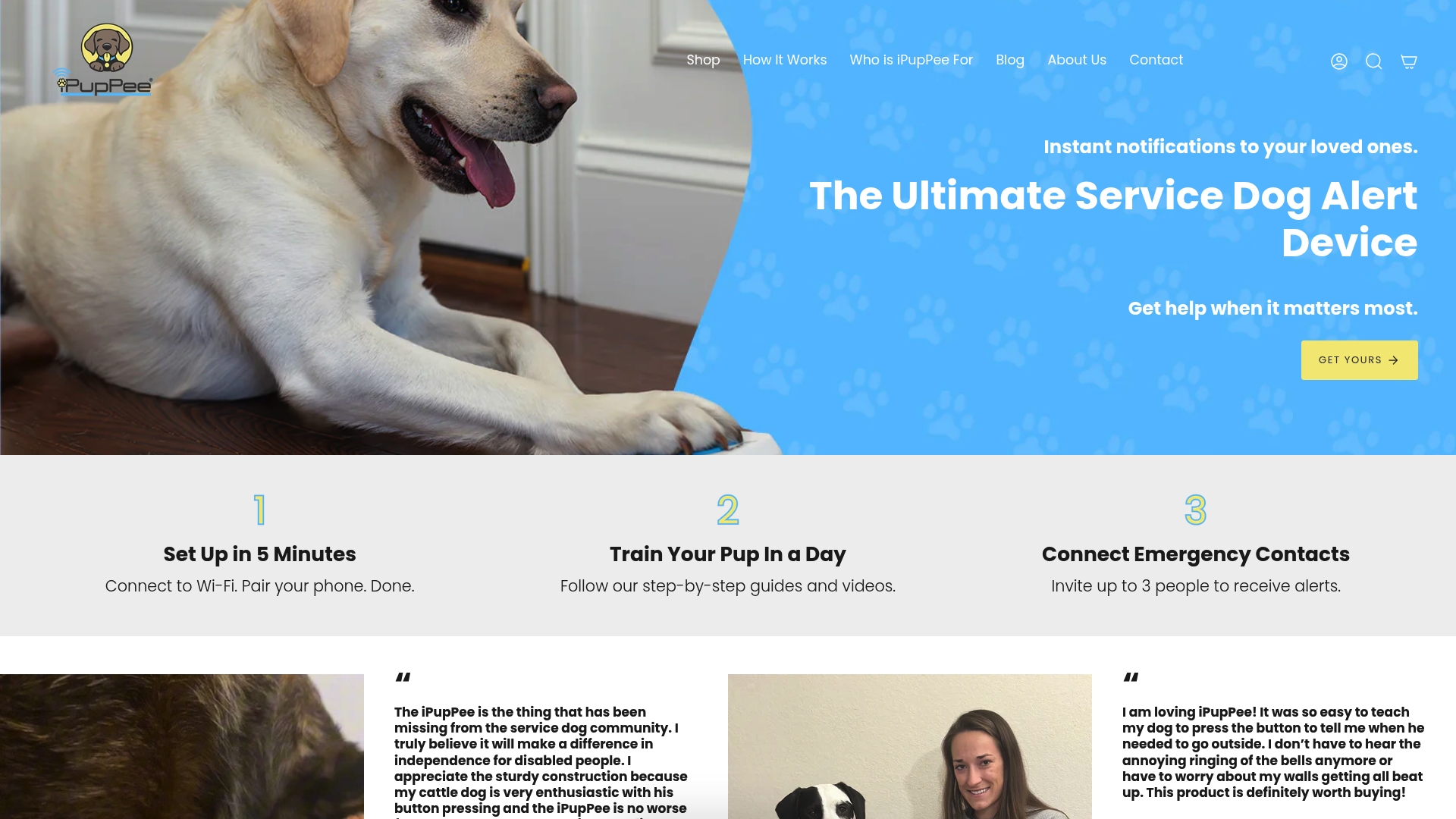
Take the next step to enhance your connection and independence with your service dog. Visit iPupPee now to explore product features, training resources, and customer stories that show how this device makes a difference. Empower your partnership and live more confidently starting today.
Frequently Asked Questions
How do I choose the right dog for my needs?
Choosing the right dog requires evaluating both physical capabilities and temperament traits. Work with a professional trainer to assess which breeds may best suit your specific disability needs and schedule multiple meet-and-greet sessions to gauge compatibility.
What tasks should I train my service dog to perform?
Train your service dog for essential tasks like mobility assistance, alert behaviors, and emotional support. Focus on one task at a time and gradually increase complexity; consider starting with basic commands and progress to more specific skills within 18 to 24 months.
How can I create a safe home environment for my dog and myself?
Create a safe home environment by removing tripping hazards and ensuring clear pathways. Evaluate your living space quarterly to identify and rectify safety issues, such as installing grab bars or ensuring adequate lighting in all areas.
What types of assistive communication devices are effective for communicating with my service dog?
Effective assistive communication devices include adaptive signal buttons and digital communication panels. Select devices that meet your specific communication needs while ensuring compatibility with your dog’s capabilities, and test these methods in various environments before use.
How can I promote bonding and emotional well-being with my service dog?
Promote bonding by spending quality time together and engaging in shared activities. Schedule daily sessions focused solely on enjoyment and interaction, separate from training, to deepen your emotional connection with your service dog.
Recommended
- Dogs and Disability Independence: Enhancing Daily Life – iPupPee
- Puppy Training for Disabilities: Effective Tips for 2025 – iPupPee
- Mastering Training Disabled Dogs for Better Communication – iPupPee
- Complete Guide to Independent Living With Pets – iPupPee
- Best Dog Grooming Tools and Grooming Tips | Furfamilyclub