

Finding effective ways to communicate with service dogs is transforming independence for individuals with mobility impairments worldwide. Nearly 80 percent of American service dog handlers report improved daily living when using adaptive technologies. As your connection with your companion deepens, access to innovative communication devices becomes essential for safe, empowered pet care. This article explores practical solutions designed to match your disability needs, maximize your dog’s training, and support a more autonomous lifestyle.
Table of Contents
- Defining Disability And Pet Care Needs
- Adaptations For Mobility And Accessibility
- Innovative Communication Devices For Service Dogs
- Legal Rights And Responsibilities Of Disabled Pet Owners
- Avoiding Common Risks And Barriers In Pet Care
Key Takeaways
| Point | Details |
|---|---|
| Understanding Support Roles | Different animal support roles, such as Service Animals and Emotional Support Animals, involve distinct training and legal protections that cater to various needs of disabled pet owners. |
| Emphasis on Accessibility | Adaptive tools and accessible veterinary services are essential for enabling pet care among individuals with mobility challenges. |
| Legal Rights Awareness | Disabled pet owners should be knowledgeable about their rights under the ADA and maintain proper documentation for their service animals. |
| Emergency Planning | Developing a comprehensive emergency care plan for pets is crucial for ensuring their health and well-being amid potential accessibility barriers. |
Defining Disability and Pet Care Needs
Disability and pet care represent a nuanced, deeply personal intersection where companionship meets practical support. Operational definitions for support animals demonstrate the complexity of understanding how animals contribute to individuals’ daily functioning and independence.
People with disabilities often require specialized approaches to pet ownership that go beyond traditional care models. These approaches include selecting animals with specific temperaments, training techniques tailored to unique physical or sensory needs, and understanding the legal distinctions between service animals, emotional support animals, and companion pets. Key considerations involve matching an animal’s capabilities with an individual’s specific disability requirements, ensuring mutual adaptation and support.
The human-animal bond for individuals with disabilities transcends conventional pet relationships. Research indicates these connections provide not just practical assistance but profound emotional and psychological benefits. Benefits of pets for adults with disabilities demonstrate significant improvements in independence, mental health, and overall quality of life. The relationship becomes a dynamic partnership where the animal serves multiple roles: companion, assistant, and emotional support system.
Pro tip: Consult disability support organizations and veterinary professionals specializing in service animal training to develop a personalized pet care strategy that matches your specific needs and lifestyle.
Here is a comparison of animal support roles relevant to disabled pet owners:
| Support Role | Primary Purpose | Required Training | Legal Protections |
|---|---|---|---|
| Service Animal | Perform specific disability tasks | Extensive, task-based | Covered by ADA |
| Emotional Support Animal | Provide emotional stability | Limited or none | Some housing rights |
| Companion Pet | Offer friendship and comfort | Basic obedience | Standard pet laws |
Adaptations for Mobility and Accessibility
Mobility and accessibility in pet care require innovative solutions that empower individuals with disabilities to maintain independence and connection with their animal companions. Assistive technology for disabled pet owners has dramatically transformed how people with limited mobility can effectively care for their pets.
Specialized equipment plays a crucial role in bridging mobility gaps. Adaptive tools like hands-free leashes that attach to wheelchairs, long-handled pet waste scoopers, and modified feeding stations enable individuals with physical limitations to perform essential pet care tasks with greater ease and dignity. These innovations address specific challenges such as limited reach, reduced hand strength, and movement restrictions, ensuring that pet ownership remains accessible and enjoyable.
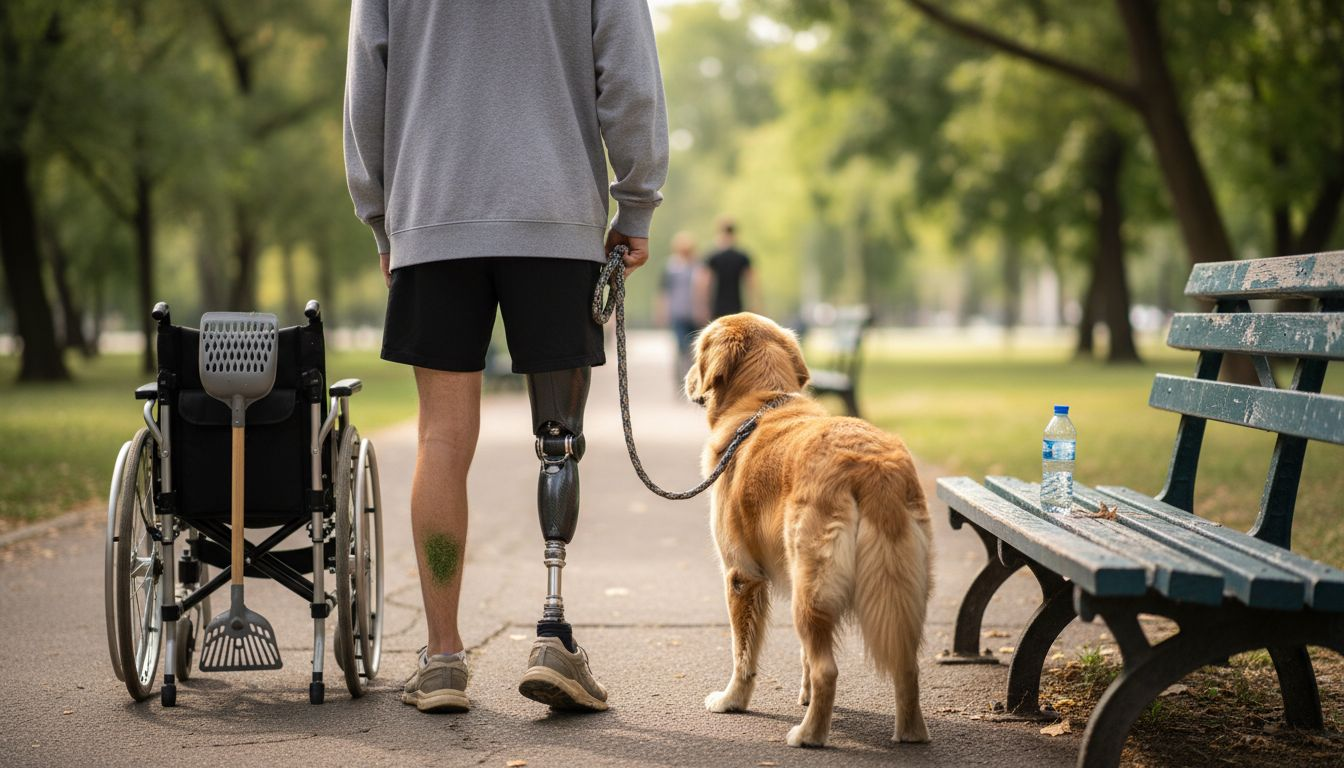
Veterinary services and public spaces are increasingly recognizing the importance of accessibility. Veterinary accessibility for disabled owners highlights the critical need for medical facilities to comply with ADA regulations, creating environments that accommodate pet owners with diverse mobility needs. This includes features like wheelchair-accessible examination rooms, lowered treatment tables, and staff trained to support patients with different physical abilities.
Pro tip: Research and invest in adaptive pet care tools specifically designed for your individual mobility requirements, and communicate openly with veterinarians about your specific accessibility needs.
Below is an overview of key adaptive technologies for pet care accessibility:
| Adaptive Tool | Main Function | Best For |
|---|---|---|
| Hands-free leash | Allows leash use without hands | Wheelchair users |
| Long-handled scoopers | Extends reach for cleaning tasks | Limited mobility |
| Modified feeding stations | Easy access to food/water | Reduced hand strength |
Innovative Communication Devices for Service Dogs
Innovative communication devices are revolutionizing how service dogs support individuals with disabilities by creating more sophisticated and responsive interaction mechanisms. Biometric communication technologies are transforming the traditional understanding of human-animal partnerships, introducing advanced ways for service dogs to perceive and respond to their handlers’ needs.
Modern communication devices leverage sophisticated sensors and technological integrations that enable more nuanced interactions between service dogs and their handlers. These technologies include wearable devices that monitor physiological signals, vibration-based communication systems, and intelligent alert mechanisms that can detect changes in the handler’s health status or environmental conditions. Such innovations allow service dogs to provide more targeted and immediate assistance, particularly for individuals managing complex medical conditions or navigating challenging mobility scenarios.
The emerging field of canine communication technology represents a significant leap forward in assistive animal support. By incorporating advanced biometric monitoring, wireless communication protocols, and adaptive learning algorithms, these devices create a more intuitive and responsive partnership. The goal is not to replace the inherent empathy and training of service dogs, but to augment their natural capabilities with precise, real-time information that can potentially prevent medical emergencies or provide crucial support during challenging moments.
Pro tip: Consult with specialized service dog trainers and assistive technology experts to find communication devices that complement your specific disability needs and your dog’s existing training.
Legal Rights and Responsibilities of Disabled Pet Owners
Disabled pet owners navigate a complex landscape of legal protections and responsibilities that extend far beyond traditional pet ownership. Service animal legal rights establish critical protections that enable individuals with disabilities to maintain independence and access public spaces with their support animals.
The Americans with Disabilities Act (ADA) provides comprehensive legal frameworks that protect service dog handlers in various settings. These protections include guaranteed access to public spaces, workplaces, and transportation systems, regardless of standard pet restrictions. However, these rights come with corresponding responsibilities. Handlers must ensure their service dogs remain well-trained, behave appropriately in public, remain under control, and perform specific tasks directly related to their handler’s disability.
Beyond federal protections, responsible dog ownership regulations emphasize the broader ethical obligations of pet owners. These include maintaining the animal’s health, providing proper training, ensuring public safety, and understanding breed-specific legal requirements. For disabled pet owners, these responsibilities are particularly crucial, as their animals often serve critical support functions that extend beyond companionship.
Pro tip: Maintain detailed documentation of your service dog’s training, vaccination records, and task-specific capabilities to effectively communicate and protect your legal rights in various public settings.
Avoiding Common Risks and Barriers in Pet Care
Pet care for individuals with disabilities involves navigating a complex landscape of physical, environmental, and systemic challenges that require strategic planning and proactive solutions. Benefits and challenges of pets for disabled adults highlight the critical need for comprehensive support strategies that address the unique intersections of disability and animal companionship.
Accessibility barriers manifest in multiple dimensions, ranging from physical environment limitations to transportation challenges and service provision gaps. These obstacles can significantly impact a disabled pet owner’s ability to provide optimal care, manage veterinary visits, and maintain the health and well-being of their animal companions. Critical risk areas include limited mobility during pet handling, difficulty accessing veterinary facilities, and potential challenges in emergency medical situations involving the pet.
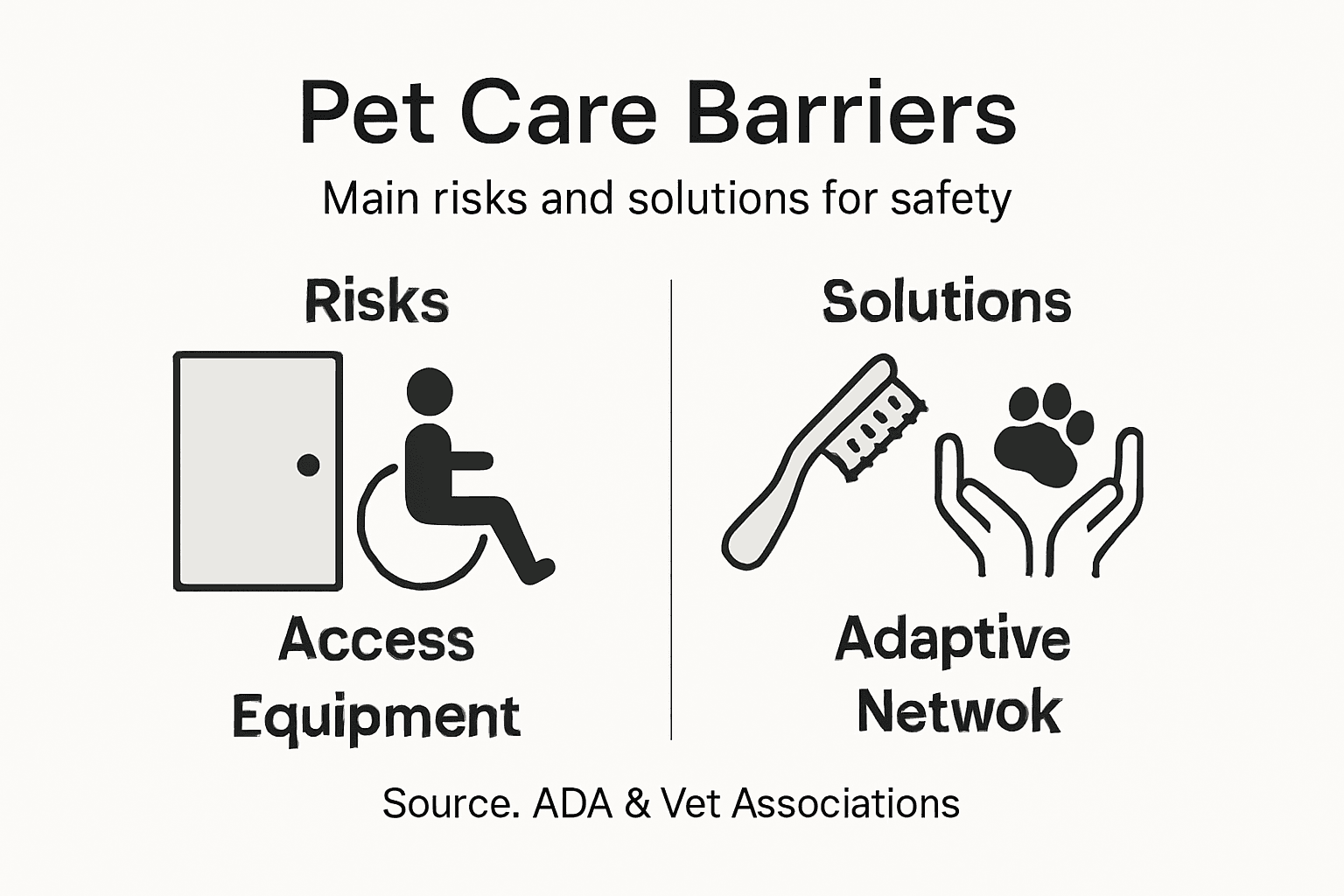
Veterinary service accessibility for mobility-disabled owners underscores the importance of developing inclusive design approaches that accommodate diverse physical abilities. Recommended strategies include creating wheelchair-accessible examination rooms, offering home visit services, implementing adaptive equipment for pet handling, and training veterinary staff to understand and support the unique needs of disabled pet owners.
Pro tip: Develop a comprehensive emergency care plan for your pet that includes backup support systems, detailed medical information, and alternative care strategies tailored to your specific mobility requirements.
Enhance Your Pet Care Experience with Innovative Communication Tools
Managing pet care with a disability comes with unique challenges such as ensuring safety, improving communication, and maintaining independence. This article highlights the importance of specialized strategies and adaptive technology to support mobility, accessibility, and emotional connection with your service or companion dog. If you want to bridge the gap between your pet’s needs and your lifestyle, embracing tools designed specifically for disabled pet owners can make all the difference.
Experience the empowering benefits of the iPupPee device, a simple yet powerful communication system that helps service dogs and their handlers connect seamlessly. It transforms traditional human-animal interaction by offering a reliable alert mechanism suited for those facing mobility or sensory barriers. Visit iPupPee to explore how the device supports safety, independence, and enhanced communication tailored for individuals with disabilities. Learn more about practical training tips and real user testimonials that underscore improved quality of life.
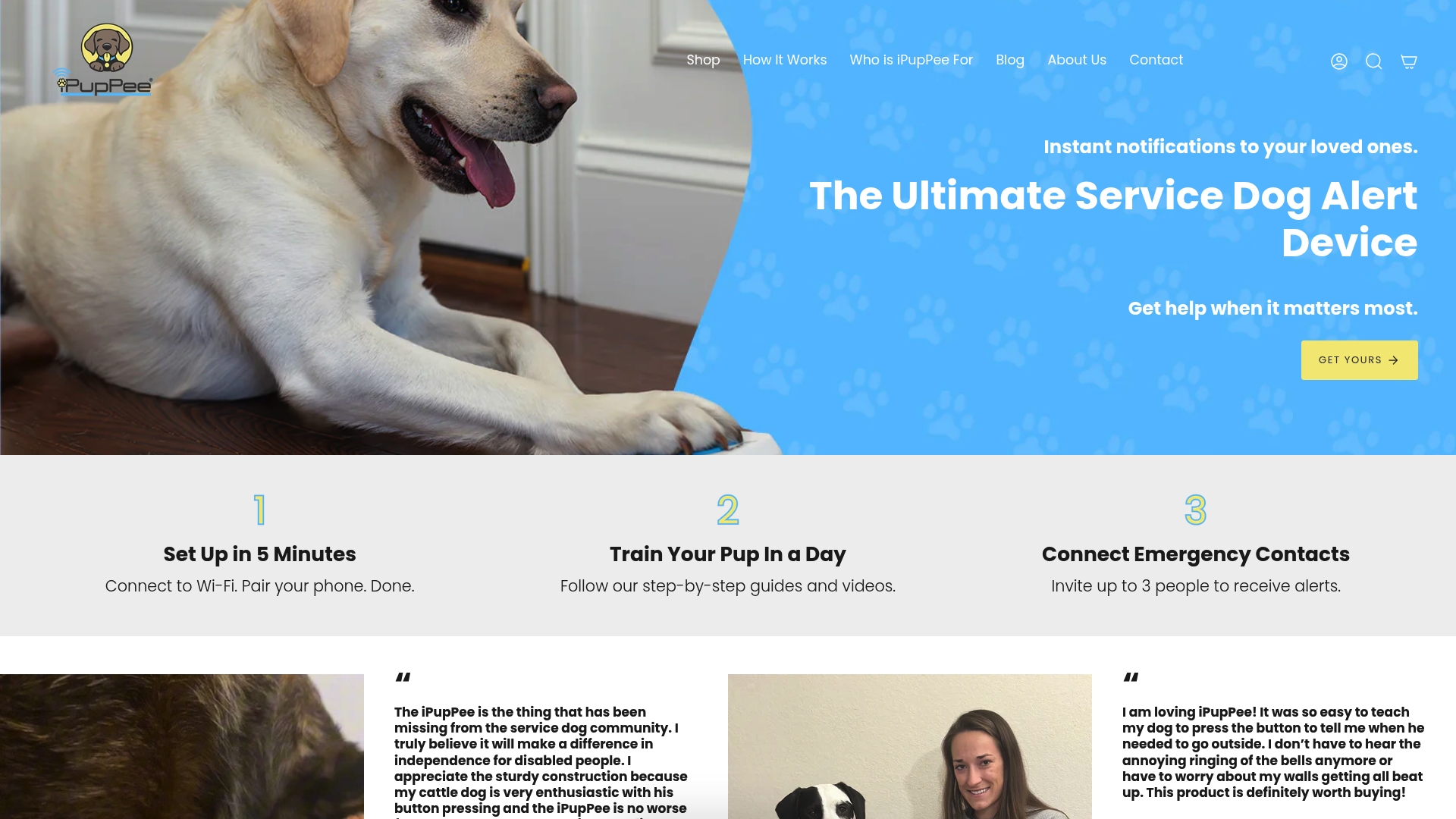
Don’t wait to improve your partnership with your service dog or companion animal. Discover innovative solutions designed to overcome accessibility challenges. Visit iPupPee today to take the first step toward safer and more connected pet care. Get started now and empower your journey toward greater independence and emotional well-being.
Frequently Asked Questions
What are the different types of support animals available for disabled pet owners?
Support animals can be categorized into three main types: service animals, emotional support animals, and companion pets. Service animals perform specific tasks related to a person’s disability, while emotional support animals provide comfort but have limited training. Companion pets offer friendship and comfort without specific roles.
How can adaptive tools enhance pet care for individuals with disabilities?
Adaptive tools, such as hands-free leashes and long-handled scoopers, empower individuals with disabilities to care for their pets more easily. These tools are designed to accommodate physical limitations, making tasks like walking a dog or cleaning up easier and more accessible.
What legal protections do disabled pet owners have regarding service animals?
Disabled pet owners have legal protections under the Americans with Disabilities Act (ADA), which ensures access to public spaces, workplaces, and transportation with their service animals. However, handlers must ensure their service dogs are trained and behave appropriately in public settings.
What should I consider when choosing a pet to match my disability needs?
When selecting a pet, consider the animal’s temperament, training needs, and ability to assist with specific tasks related to your disability. It is also crucial to consult with disability support organizations and veterinary professionals to find the best match for your individual needs.