

Finding the right way to communicate with a service dog can be daunting, especially for disabled pet owners who depend on canine partners for daily safety and independence. Studies show that over 85 percent of American households with disabilities benefit from assistive devices designed for enhanced pet communication. Whether you are seeking intuitive alert systems or smart technology, knowing how to tailor solutions to both your needs and your dog’s abilities can transform everyday challenges into moments of confidence and freedom.
Table of Contents
- 1. Understanding The Importance Of Clear Signals
- 2. Choosing The Right Pet Communication Device
- 3. Training Your Service Dog To Use Alert Systems
- 4. Creating Safe Spaces For Dog And Owner
- 5. Monitoring Dog Needs With Technology
- 6. Encouraging Independence Through Routine
- 7. Building A Support Network For Daily Challenges
Quick Summary
| Takeaway | Explanation |
|---|---|
| 1. Effective Communication Systems Are Essential | Clear signals improve safety and independence for disabled pet owners and their dogs, enabling better understanding and interaction. |
| 2. Choose Technology That Fits Needs | Select communication devices based on compatibility, functionality, and ease of use to enhance communication effectiveness. |
| 3. Consistent Training Builds Reliable Responses | Positive reinforcement and consistent practice help dogs learn alert behaviors, which are crucial for their roles as service animals. |
| 4. Create Safe, Adaptable Living Spaces | Accessible home designs enhance safety and comfort, supporting both pets and disabled owners in daily activities. |
| 5. Build a Collaborative Support Network | Engaging with professionals, peers, and family creates a strong support system for managing challenges associated with service dogs. |
1. Understanding the Importance of Clear Signals
Communication between dogs and their disabled owners goes far beyond simple commands. Effective signal systems are critical lifelines that enable safety, independence, and mutual understanding. Dogs possess an extraordinary capacity to learn and respond to nuanced communication methods that can dramatically improve quality of life for owners with physical limitations.
Research demonstrates that dogs have a remarkable communication repertoire involving visual, acoustic, and behavioral signals that can be strategically developed to support disabled pet owners. These communication strategies are not just convenient they are essential survival tools that bridge potential interaction gaps caused by mobility or sensory challenges.
The key to successful dog communication lies in establishing consistent, clear signals that both the dog and owner can reliably understand. This means developing a personalized communication system that transcends traditional training methods. For disabled pet owners, these signals might include specialized hand gestures, unique vocal tones, assistive technology buttons, or even sophisticated alert systems that help convey complex needs.
Understanding and implementing precise communication techniques allows disabled pet owners to create deeper connections with their service or companion animals. By recognizing that communication is a two way interaction, owners can develop more intuitive and responsive relationships with their dogs.
Pro tip: Start building your unique communication system by observing your dog’s natural responses and gradually introducing consistent signals that feel comfortable and natural for both of you.
2. Choosing the Right Pet Communication Device
Selecting an appropriate communication device is a critical decision for disabled pet owners seeking to enhance interaction and safety with their dogs. Modern technology offers innovative solutions that can transform how pets and their owners communicate and understand each other.
Research from the Comparative Cognition Lab highlights the potential of augmentative interspecies communication devices that enable more nuanced interactions between pets and their owners. These technologies range from simple talking buttons to sophisticated alert systems designed to bridge communication gaps.
Key Considerations for Device Selection:
Compatibility: Ensure the device matches your specific physical capabilities and your dog’s learning capacity. Some communication tools require more advanced training than others.
Functionality: Look for devices that offer multiple communication modes. For instance, talking buttons allow dogs to press recorded words, while alert systems can signal specific needs or emergencies.
Ease of Use: Select a device with intuitive design that minimizes complex setup or extensive training. The goal is to create a seamless communication experience that reduces stress for both you and your dog.
Studies show that talking buttons can be effective when used with consistent operant conditioning, enabling dogs to express basic needs and emotions. However, success depends on patient training and understanding your dog’s unique communication style.
Pro tip: Start with a simple communication device and gradually increase complexity as you and your dog become more comfortable with the technology.
3. Training Your Service Dog to Use Alert Systems
Alert systems are vital communication tools that transform service dogs from companions into life saving partners for disabled pet owners. These specialized training techniques enable dogs to recognize and respond to specific medical or situational needs with remarkable precision.
Modern wearable behaviour alert detection technologies have revolutionized how service dogs can provide critical assistance. These advanced systems help standardize alert behaviors making communication more reliable and immediate.
Key Training Strategies:
Positive Reinforcement: Use reward based methods that encourage your dog to associate alert behaviors with positive outcomes. This means treating or praising your dog immediately after they perform the desired alert action.
Consistency: Practice alert signals repeatedly in various environments to ensure your dog understands the task regardless of surrounding distractions. Consistent training builds muscle memory and reliable responses.
Research demonstrates that effective service dog alert training involves recognizing subtle physical and behavioral cues through carefully designed desensitization techniques. This approach helps dogs learn to identify specific medical or psychological episodes with incredible accuracy.
Customization: Develop alert signals unique to your specific needs. Whether its alerting to an oncoming seizure medical emergency or providing emotional support the system must be tailored to your individual requirements.
Pro tip: Start alert training in calm controlled environments and gradually increase complexity to help your service dog build confidence and precision.
4. Creating Safe Spaces for Dog and Owner
Designing an accessible environment is more than just arranging furniture it is about creating a supportive living space that accommodates both the dog and the disabled owner’s unique needs. Safety and comfort become interconnected design principles that enhance independence and mutual well being.
Adaptive home environments play a critical role in supporting disabled pets and their owners. These thoughtfully designed spaces reduce potential hazards and create opportunities for smoother daily interactions.
Key Design Considerations:
Mobility Pathways: Ensure clear unobstructed routes throughout your living space. Remove potential tripping hazards and consider installing smooth non slip flooring that supports both human and canine movement.
Sensory Considerations: Create calm zones with minimal visual and auditory stimulation. This helps dogs with service or support roles maintain focus and reduces potential overstimulation.
Research highlights the importance of strategic home modifications that promote safety and accessibility. These adaptations might include ramps strategic furniture placement and designated rest areas that accommodate mobility aids.
Equipment Integration: Thoughtfully incorporate communication devices mobility supports and alert systems into your living space without creating additional obstacles. The goal is seamless functionality that feels natural and unobtrusive.
Pro tip: Regularly reassess your living space and be willing to make incremental modifications as your dogs needs and your own capabilities evolve.
5. Monitoring Dog Needs with Technology
Technology has transformed how disabled pet owners understand and respond to their dogs’ needs. Modern technological innovations provide unprecedented insights into canine health behavior and communication that were unimaginable just a decade ago.
The Internet of Things is revolutionizing pet care through interconnected monitoring devices that enable real time tracking of pet health and activity. These smart technologies bridge communication gaps and provide critical information for disabled pet owners.
Key Technological Monitoring Tools:
Smart Collars: Advanced wearable devices that track activity levels heart rate and location. These collars can send immediate alerts about your dogs physical and emotional state.
Health Tracking Devices: Automated monitoring systems provide data driven insights about your dogs vital signs nutrition and overall wellness. These technologies help predict potential health issues before they become serious problems.
Remote Monitoring Systems: Camera and sensor technologies allow disabled pet owners to monitor their dogs when they cannot be physically present. These systems provide peace of mind and instant communication channels.
Automated Feeding Systems: Programmable devices that can dispense food distribute medications and track nutritional intake ensuring consistent care even when direct supervision is challenging.
Pro tip: Choose technology that integrates seamlessly with your specific mobility needs and communication preferences.
6. Encouraging Independence through Routine
Routines are powerful frameworks that transform daily interactions between disabled pet owners and their service dogs. By establishing predictable patterns, both dog and owner can develop greater confidence and autonomy.
Research demonstrates that structured routines enhance psychological and emotional well being for persons with disabilities and their animal companions. These routines create a sense of security and mutual understanding.
Routine Development Strategies:
Consistent Scheduling: Develop predictable daily patterns for feeding training exercise and rest. Consistent timing helps your dog anticipate needs and respond more effectively.
Visual Cues: Use clear visual signals or communication devices to indicate different routine stages. This helps dogs understand expected behaviors and reduces potential confusion.
Incremental Training: Break complex routines into smaller achievable steps. Reward your dog for successfully completing each component to build confidence and reliability.
Adaptive Flexibility: While maintaining core routine structures remain open to subtle modifications that accommodate changing physical capabilities or environmental conditions.
Mutual Learning: Recognize that routine development is a collaborative process. Observe your dogs responses and adjust approaches that maximize both of your comfort and independence.
Pro tip: Document your routine development progress and celebrate small victories that demonstrate increasing communication and interdependence.
7. Building a Support Network for Daily Challenges
Navigating life with a service dog requires more than individual effort it demands a collaborative approach that connects disabled pet owners with understanding professionals family members and fellow pet handlers.
Person centered support planning emphasizes collaborative strategies that address personalized needs and enhance overall quality of life. A robust support network becomes a critical resource for maintaining independence and managing daily challenges.
Key Support Network Components:
Professional Resources: Connect with veterinarians service dog trainers occupational therapists and disability support specialists who understand the unique dynamics of service dog relationships.
Peer Support Groups: Join online and local communities of disabled pet owners. These groups provide emotional support practical advice and shared experiences that can be invaluable in problem solving.
Family and Caregiver Education: Develop comprehensive training sessions for family members to understand your communication systems service dog protocols and specific assistance needs.
Technology Enabled Connections: Utilize digital platforms support forums and telehealth services that can provide immediate guidance and remote professional consultation when needed.
Ongoing Education: Continuously update your support network about new communication technologies adaptive strategies and your evolving needs with your service dog.
Pro tip: Create a detailed communication document that outlines your specific requirements preferences and emergency protocols to share with your support network.
Below is a comprehensive table summarizing the main insights and strategies discussed throughout the article regarding the dynamics between disabled pet owners and their service dogs.
Enhance Communication and Safety with iPupPee
Disabled pet owners face unique challenges in establishing clear, reliable communication methods with their dogs. This article highlights the critical need for consistent signals, specialized alert systems, and routine building to foster independence and safety. At iPupPee, we understand these pain points and offer an innovative solution that directly addresses them with simplicity and effectiveness.
Our unique alert device helps bridge the communication gap by allowing your dog to press a simple button to convey needs or alert you instantly. This technology supports the concepts of clear signals and alert systems discussed in the article, empowering both you and your dog to maintain a stronger, safer connection every day. Designed with accessibility and ease of use in mind, the iPupPee enhances independence for disabled individuals while prioritizing your dog’s natural communication style.
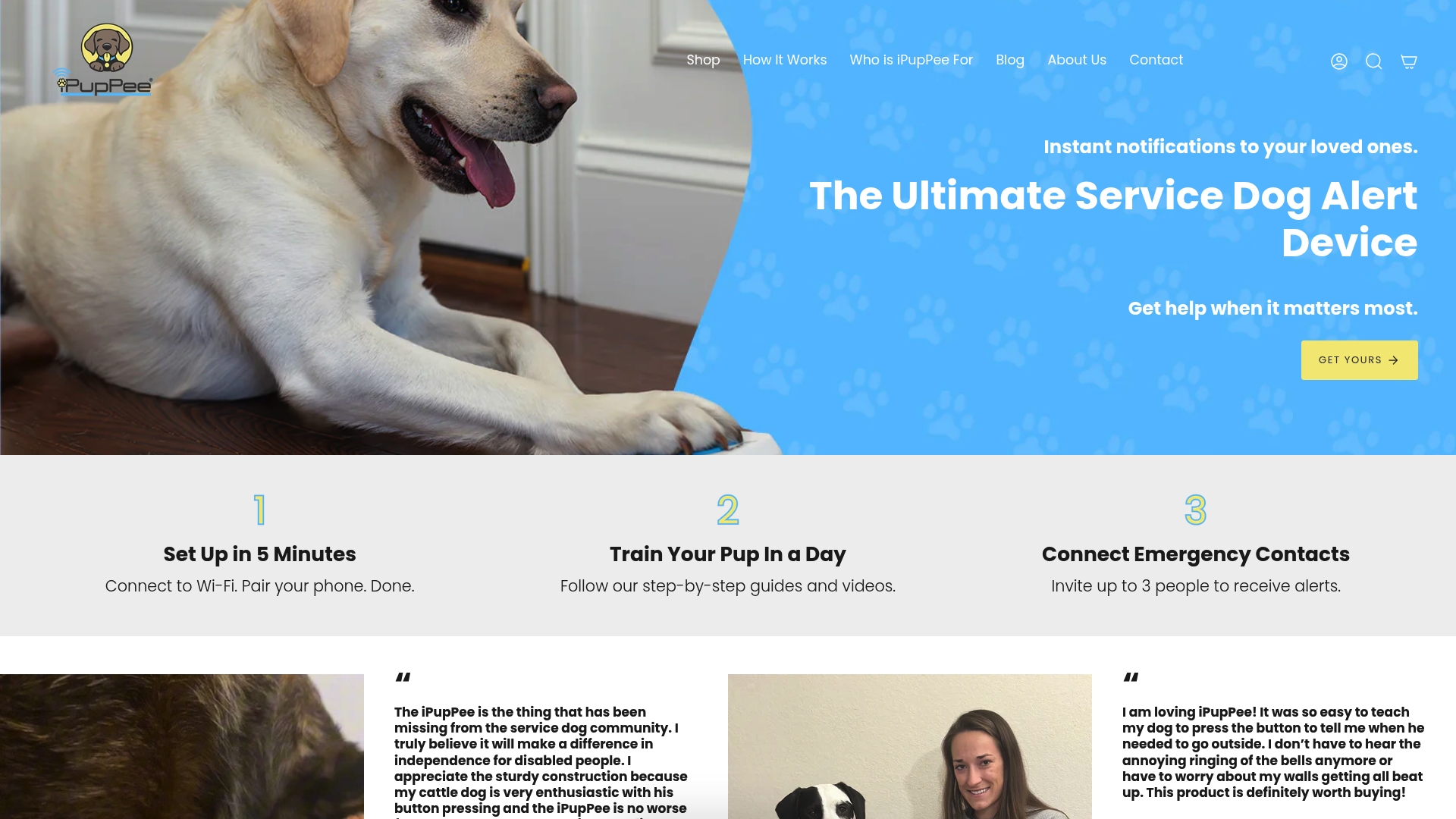
Discover how the iPupPee device can transform your daily interactions today. Visit iPupPee Main Site to learn more about our product features and training resources. Start building a safer, more connected relationship with your dog by exploring iPupPee Alert Device and Comprehensive Training Instructions now. Take the next step toward effortless communication and peace of mind.
Frequently Asked Questions
How can I create effective communication signals with my dog?
Establish clear, consistent signals that both you and your dog can understand. Start by observing your dog’s natural responses and introduce hand gestures or vocal tones that you both feel comfortable with.
What should I consider when choosing a communication device for my dog?
Look for a device that matches your physical capabilities and your dog’s learning style. Ensure it has an intuitive design, supports multiple communication modes, and is easy to operate, aiming to create a seamless communication experience.
What training methods should I use for alert systems with my service dog?
Use positive reinforcement methods, rewarding your dog immediately after they perform the desired alert behavior. Consistently practice in various environments to build reliability, aiming for gradual improvement over several weeks.
How can I design a safe living space for my service dog and me?
Focus on creating clear, unobstructed pathways and reducing potential hazards in your home. Regularly assess and modify your living space to adapt to your and your dog’s needs, ensuring safety and convenience.
What technology can help monitor my dog’s needs effectively?
Consider using smart collars and health tracking devices that provide real-time insights into your dog’s health, activity levels, and location. Set up these systems to ensure you can receive alerts and updates consistently throughout the day.
How can I establish routines that encourage independence for my service dog and me?
Develop consistent daily patterns for feeding, training, and activities to help both you and your dog understand expected behaviors. Implement visual cues to signal different routine stages, adjusting the routine as needed to accommodate both of your changing needs.
Recommended
- Mastering Training Disabled Dogs for Better Communication – iPupPee
- Top Tips for Pet Communication in 2025: Simple Methods for Success – iPupPee
- Pet Communication: Enhancing Safety and Independence – iPupPee
- 7 Helpful Tips for Living With Disabilities and Dogs – iPupPee
- 7 Essential Types of Mobility Aids for Active Aging Adults – Real Healthy Haven
- Pet Food Intolerance Test For Dogs | UK Food Intolerance | Blog
- It’s Lockdown O’Clock: Mental Health in Isolation| Heske Therapy