

Navigating daily life with a service dog can feel challenging for many seniors living alone or pet owners with disabilities. Reliable communication is vital for maintaining safety and independence, as the emotional bond with a dog often offers more than companionship. By exploring innovative tools and strategies, you can unlock new ways to foster mutual understanding and strengthen your sense of control. Discover how pet ownership becomes a holistic commitment that supports both health and autonomy.
Table of Contents
- Defining Pet Ownership For Health And Safety
- Types Of Pets And Their Unique Roles
- Emotional And Physical Health Benefits
- Enhancing Communication And Independence
- Risks, Responsibilities, And Common Pitfalls
Key Takeaways
| Point | Details |
|---|---|
| Commitment to Well-Being | Pet ownership requires a holistic approach that prioritizes both the animal’s welfare and the owner’s health. Regular care and emotional support are essential for mutual benefit. |
| Diverse Roles of Pets | Different types of pets offer unique benefits and challenges; understanding their specific needs is crucial for responsible ownership. Match a pet to your lifestyle for optimal compatibility. |
| Health Benefits | Pet ownership significantly enhances emotional and physical well-being, including improvements in cardiovascular health and stress reduction. Engage regularly with your pet to maximize these benefits. |
| Responsibilities and Risks | Successful pet ownership demands ongoing education, financial planning, and legal compliance. A comprehensive care plan is crucial to navigate potential challenges effectively. |
Defining Pet Ownership for Health and Safety
Pet ownership represents far more than simply housing an animal—it’s a comprehensive commitment involving physical care, emotional connection, and mutual responsibility. Pet ownership guidelines emphasize that this relationship requires deliberate, ongoing engagement to ensure both human and animal welfare.
At its core, responsible pet ownership encompasses several critical dimensions:
- Providing consistent nutritional needs
- Ensuring regular veterinary healthcare
- Maintaining appropriate shelter and living conditions
- Offering mental stimulation and emotional support
- Training and socializing the animal
- Managing legal requirements like licensing and identification
Beyond basic care, pet ownership involves understanding the intricate psychological and physiological interactions between humans and animals. Research highlights that this relationship can profoundly impact human health outcomes, influencing everything from stress levels to cardiovascular functioning.
Responsible ownership requires proactively addressing potential health risks while maximizing the therapeutic benefits animals can provide. This means not just meeting physical needs, but creating an environment of mutual trust, respect, and ongoing learning.
Pro tip: Approach pet ownership as a holistic commitment that prioritizes both the animal’s welfare and your own personal health and safety.
Types of Pets and Their Unique Roles
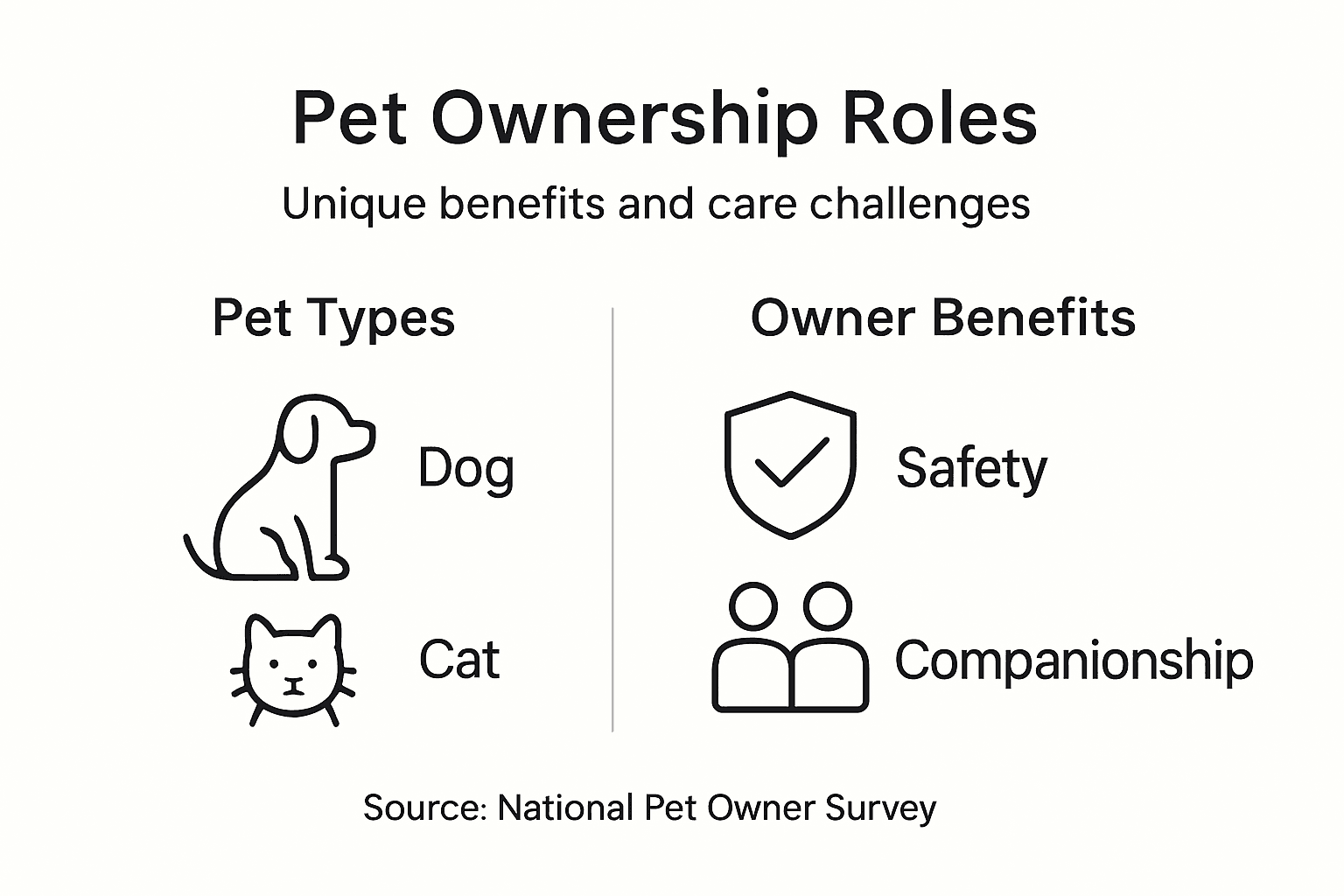
Pet ownership encompasses a diverse range of companion animals, each offering distinct benefits and challenges. Scientific research highlights the nuanced roles different species play in supporting human health, safety, and independence.
The most common types of pets include:
- Dogs: Providing physical activity, companionship, and assistance for individuals with disabilities
- Cats: Offering emotional support, stress reduction, and low-maintenance companionship
- Birds: Delivering social interaction and mental stimulation
- Small mammals (rabbits, hamsters): Offering quiet companionship and low-space requirements
- Specialized service animals: Trained to support specific medical or mobility needs
Each pet type brings unique characteristics that can significantly impact an owner’s quality of life. Worldwide ownership studies demonstrate that dogs and cats remain the most prevalent companion animals, with their behavioral needs directly influencing human-animal interactions.
Understanding the specific requirements of different pet types is crucial for responsible ownership. This involves recognizing not just the emotional benefits, but also the legal, health, and care obligations associated with each species.
Pro tip: Select a pet that matches your lifestyle, living space, and personal capabilities to ensure a mutually beneficial relationship.
Here’s a comparison of common pet types, highlighting their unique roles and primary considerations:
| Pet Type | Unique Role | Main Care Challenge | Typical Owner Benefit |
|---|---|---|---|
| Dog | Assistance, activity, companionship | High training and exercise needs | Increased mobility and emotional support |
| Cat | Emotional support, low maintenance | Litter and health management | Stress reduction and comfort |
| Bird | Social interaction, mental stimulation | Environmental enrichment needed | Cognitive stimulation and social joy |
| Small mammal | Quiet companionship, small space | Proper habitat setup | Accessible bonding and ease of care |
| Service animal | Medical and mobility assistance | Specialized training, legal requirements | Enhanced independence and safety |
Emotional and Physical Health Benefits
Pet ownership offers profound impacts on human health that extend far beyond simple companionship. Scientific research indicates that interactions with pets can significantly improve both emotional and physiological well-being, creating holistic health benefits for owners.
Key health advantages of pet ownership include:
- Cardiovascular improvements: Reduced blood pressure and decreased heart disease risk
- Mental health support: Decreased levels of anxiety and depression
- Stress reduction: Lower cortisol levels and improved emotional regulation
- Social engagement: Enhanced opportunities for interpersonal connections
- Physical activity: Increased movement through pet care and exercise
Physicians recognize the complex psychosocial benefits of pet ownership, acknowledging that companion animals contribute substantially to patients’ overall mental and physical wellness. These benefits manifest through consistent interaction, emotional bonding, and the responsibility of caring for another living being.

While pet ownership presents immense advantages, individuals must also understand the comprehensive commitment required. This includes financial planning, healthcare considerations, and recognizing the unique needs of different animal companions.
Pro tip: Consult healthcare professionals about how a specific pet might complement your individual health goals and lifestyle needs.
This summary outlines key health advantages pet ownership can provide to individuals:
| Health Benefit | Description | Example Outcome |
|---|---|---|
| Cardiovascular boost | Lower blood pressure, heart health | Reduced disease risk |
| Mental wellness | Alleviates anxiety and depression | Improved mood stability |
| Social connectivity | Facilitates new interpersonal bonds | Expanded social circle |
| Physical activity | Encourages movement and exercise | Better fitness levels |
| Stress management | Eases daily stress and emotional load | Enhanced resilience |
Enhancing Communication and Independence
Pet ownership transforms social dynamics and personal autonomy in profound ways. Research demonstrates that companion animals can significantly improve communication skills and reduce social isolation, particularly for individuals with limited interpersonal networks.
Key strategies for enhancing communication and independence through pet ownership include:
- Social interaction catalyst: Pets create natural conversation starters and connection opportunities
- Routine establishment: Structured daily care activities promote personal discipline
- Emotional support: Providing consistent companionship that reduces feelings of loneliness
- Motivation for engagement: Encouraging outdoor activities and social interactions
- Confidence building: Developing responsibility and self-management skills
Aging populations especially benefit from pet ownership, as companion animals help maintain daily routines and provide emotional support that sustains independence. The relationship between owner and pet becomes a dynamic partnership that extends beyond simple companionship.
Successful pet ownership requires understanding individual needs, preparing for potential challenges, and developing adaptive communication strategies that work for both the owner and the animal.
Pro tip: Select a pet whose temperament and energy level complement your lifestyle and communication capabilities.
Risks, Responsibilities, and Common Pitfalls
Pet ownership requires careful navigation of complex challenges that extend beyond emotional connections. Pet ownership guidelines emphasize comprehensive responsibilities that demand proactive management and strategic planning.
Common risks and responsibilities include:
- Legal compliance: Maintaining proper licensing and vaccination records
- Financial planning: Budgeting for veterinary care, nutrition, and potential emergencies
- Health management: Preventing zoonotic diseases and managing potential health risks
- Training obligations: Ensuring appropriate behavioral conditioning
- Emergency preparedness: Developing contingency plans for pet care
Healthcare research reveals that pet ownership can create unexpected challenges, including financial burdens and potential disruptions to personal medical treatments. Successful owners must balance emotional benefits with practical considerations.
Responsible pet ownership requires continuous learning, adaptability, and a commitment to understanding the unique needs of your companion animal. This means investing time in education, regular veterinary consultations, and developing a supportive network of pet care resources.
Pro tip: Create a comprehensive pet care plan that includes financial reserves, emergency contacts, and detailed medical history documentation.
Enhance Safety and Independence with Innovative Pet Communication Solutions
Pet ownership brings immense emotional and physical rewards but also presents unique challenges, especially when safety and clear communication are vital. If you are striving to maximize your dog’s ability to support your independence or manage your pet’s needs effectively, understanding advanced tools can make all the difference. Concepts like communication enhancement and safety management highlighted in the article directly relate to empowering owners and their dogs for a stronger, safer bond.
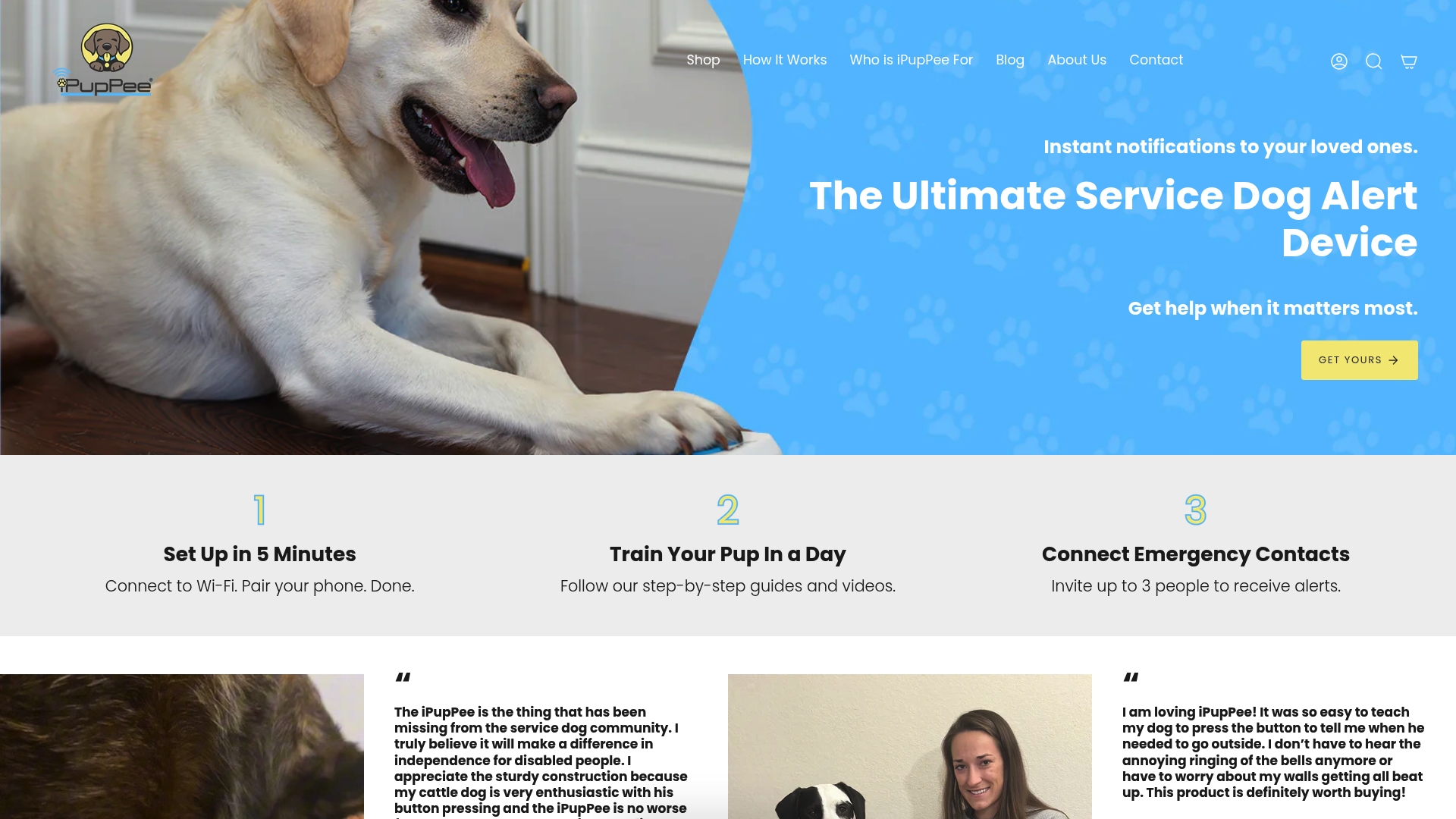
Discover how the revolutionary iPupPee device available at ipuppee.com can bridge communication gaps with your service dog or companion animal. Designed especially for individuals who prioritize safety, independence, and seamless interaction, this easy-to-use alert system helps you take control of your pet’s care and wellbeing. Visit ipuppee.com now to explore detailed training instructions, customer testimonials, and the transformative benefits of incorporating iPupPee into your daily life. Start enhancing your pet ownership experience today for meaningful health, safety, and independence gains.
Frequently Asked Questions
What are the emotional benefits of pet ownership?
Pet ownership can significantly reduce feelings of anxiety and depression, providing emotional support and companionship, which contributes to overall mental well-being.
How can pets improve physical health?
Regular interaction with pets can lower blood pressure, reduce the risk of heart disease, and promote physical activity through activities like walking and playing, enhancing overall cardiovascular health.
What responsibilities come with owning a pet?
Responsible pet ownership includes providing proper nutrition, regular veterinary care, training and socialization, complying with legal requirements, and managing financial obligations for pet care.
How do pets enhance social engagement?
Pets can act as social catalysts, creating opportunities for interaction and connection with others, which can help alleviate feelings of loneliness and improve social skills.
Recommended
- Complete Guide to Independent Living With Pets – iPupPee
- How Dogs Help Seniors: Health, Happiness, and Independence 2025 – iPupPee
- Understanding Dog Independence Benefits for Owners – iPupPee
- 7 Ways Dogs Impact Lives for Safety and Independence – iPupPee
- The Ultimate Guide to Pawious GPS Dog Fence: Freedom and Safety for Your Dog - Luxury Apartments for Rent in Boca Raton | Premium Boca Raton Apartments | Aapartments Boca Raton