

More than 50 percent of American seniors live with a pet, and for many, dogs are trusted companions who provide comfort and a sense of security. As daily routines and environments shift with age, finding new ways to understand beloved canine friends becomes increasingly valuable. Explore how smart dog communication devices are transforming safety and deepening the connection for seniors living independently with their dogs.
Table of Contents
- Dog Communication Devices And How They Work
- Ways Seniors Benefit From Dog Communication
- Training Your Dog With Communication Tools
- Choosing The Right System For Your Needs
- Avoiding Common Mistakes And Safety Issues
Key Takeaways
| Point | Details |
|---|---|
| Innovative Technologies | Dog communication devices improve understanding and safety for seniors and their dogs, offering features that facilitate interaction. |
| Variety of Devices | Technologies include alert buttons, wearable sensors, video communication systems, and vibrotactile devices, each serving unique purposes. |
| Emotional and Physical Benefits | These devices enhance seniors’ emotional well-being and ensure health monitoring, contributing to a better quality of life. |
| Training and Understanding | Effective training methods are essential, focusing on positive reinforcement and recognizing canine body language to avoid miscommunications. |
Dog Communication Devices and How They Work
Seniors seeking enhanced safety and connection with their canine companions now have innovative technological solutions designed specifically for interspecies communication. Dog communication devices are emerging as critical tools that bridge understanding between humans and their four-legged friends, providing critical safety mechanisms and emotional support.
These technologies range from simple button systems to advanced wearable sensors that enable dogs to send alerts and messages. Technologically mediated communication devices function as collaborative platforms where meaning emerges through interaction between bodies, linguistic resources, and technological objects. Some devices use prerecorded talking buttons that dogs can press to communicate basic needs, while others incorporate sophisticated sensor technologies that monitor a dog’s physical state and environment.
Modern dog communication technologies typically fall into several key categories:
- Alert Buttons: Simple press-button devices allowing dogs to signal specific needs
- Wearable Sensors: Devices tracking physical movement, vital signs, and environmental conditions
- Video Communication Systems: Two-way communication platforms enabling remote interaction
- Vibrotactile Messaging: Devices using gentle vibrations to communicate commands or alerts
Research indicates that remote communication technologies are still developing, with current systems often supporting only one-way communication. However, emerging bidirectional technologies show promising potential for more nuanced interactions between seniors and their dogs.
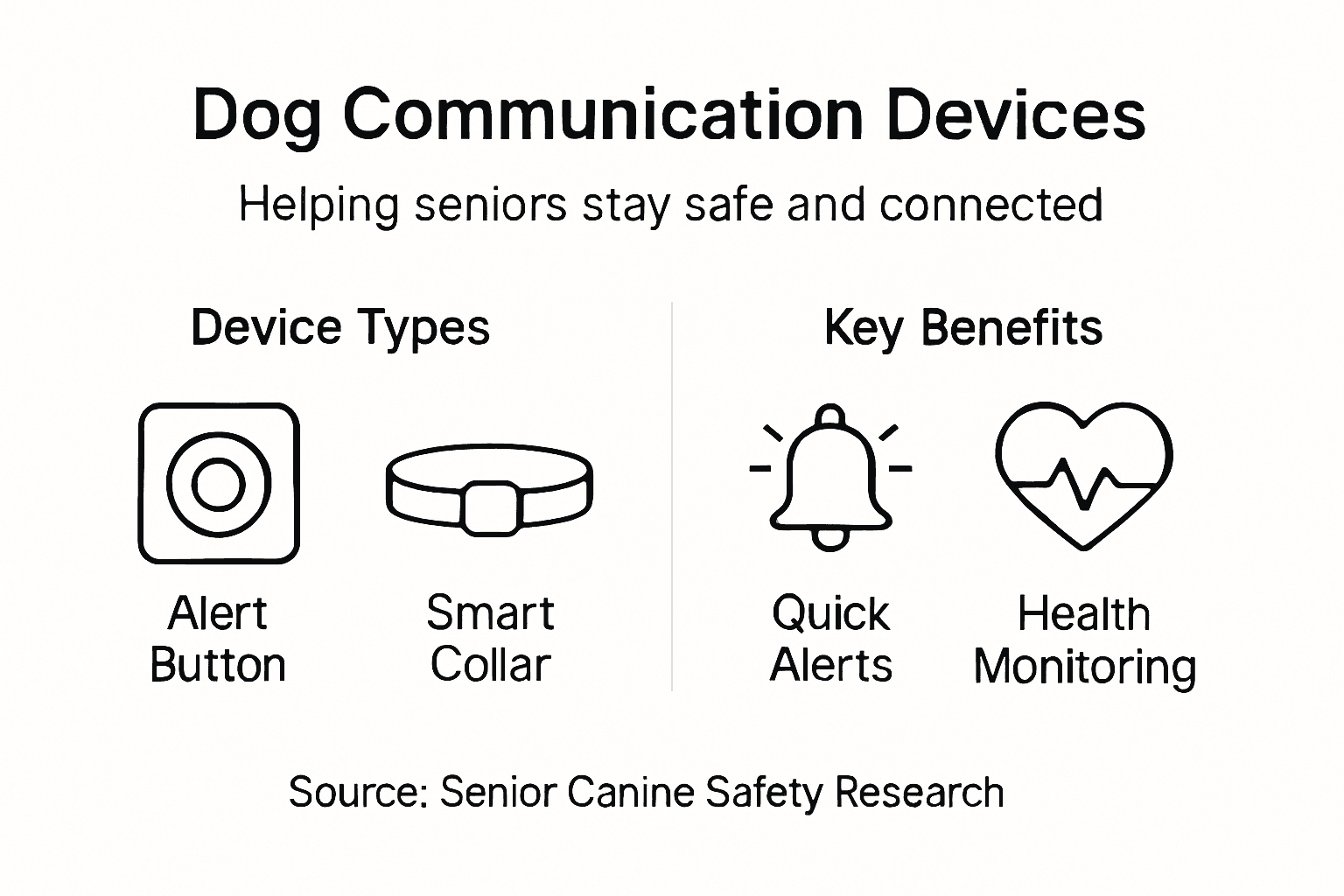
Here’s a comparison of popular dog communication device types and their unique benefits for seniors:
| Device Type | Distinct Benefit | Limitations |
|---|---|---|
| Alert Button | Simple emergency signaling | Limited message variety |
| Wearable Sensor | Tracks health and activity | May require charging |
| Video Communication | Remote visual interaction | Needs internet access |
| Vibrotactile Device | Silent, tactile alerts | Learning curve for dogs |
Pro tip: When selecting a dog communication device, prioritize ease of use, durability, and compatibility with your specific mobility and hearing needs.
Ways Seniors Benefit from Dog Communication
Modern dog communication technologies offer seniors far more than simple companionship, providing critical safety and emotional support systems that enhance overall quality of life. Phenomenological studies demonstrate that the human-dog relationship transcends traditional pet ownership, becoming a deeply meaningful connection that supports seniors’ physical and emotional well-being.
The primary benefits of advanced dog communication technologies include:
- Emotional Support: Reducing feelings of isolation and loneliness
- Health Monitoring: Tracking physical conditions and potential medical emergencies
- Safety Alerts: Enabling dogs to communicate urgent needs or potential dangers
- Social Connectivity: Creating opportunities for increased interaction and engagement
Physical Health Advantages play a significant role in seniors’ lives. Pet ownership improves critical health metrics by lowering blood pressure, reducing cholesterol levels, and increasing opportunities for gentle exercise. Communication devices amplify these benefits by providing seniors with more sophisticated ways to understand and respond to their dogs’ needs, creating a more responsive and supportive relationship.
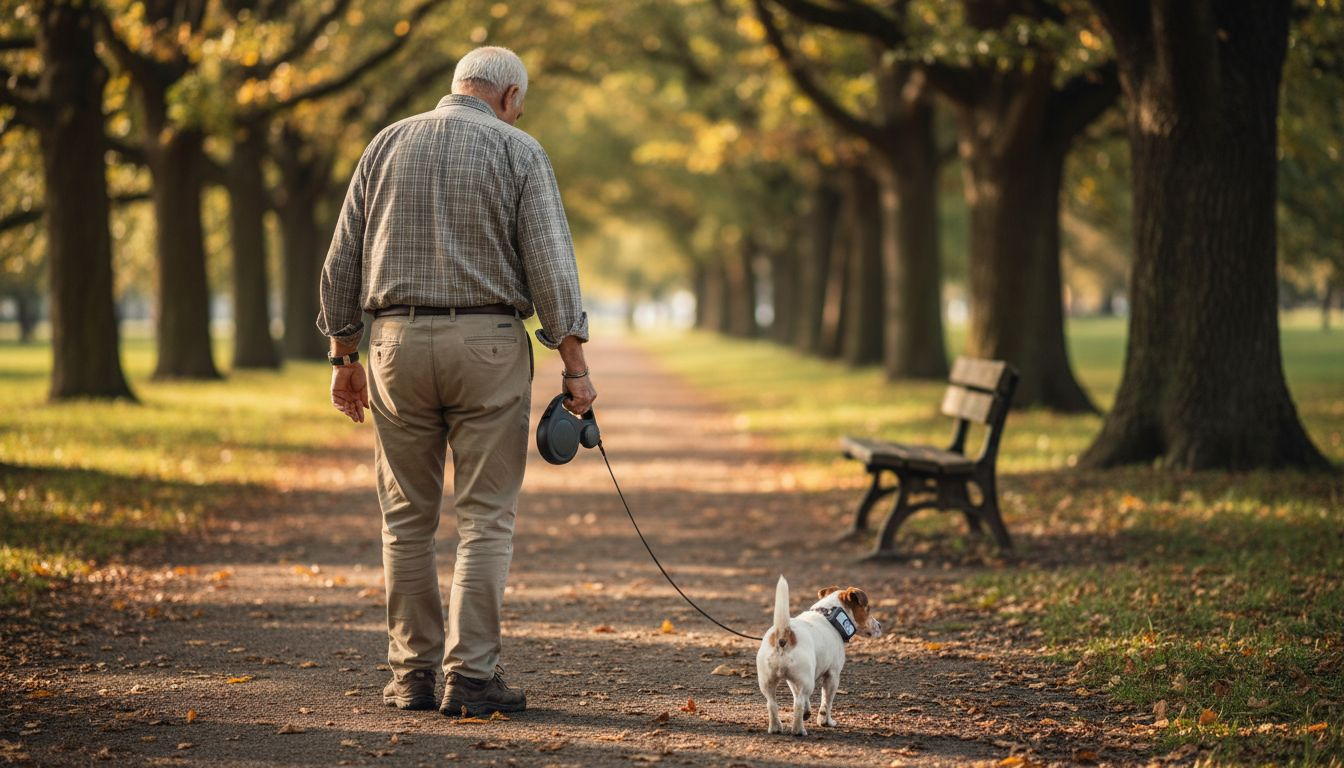
Beyond medical benefits, these technologies foster a sense of independence and confidence for seniors who might otherwise feel limited by age-related challenges. By enabling more nuanced communication, seniors can maintain deeper, more meaningful connections with their canine companions, ultimately supporting their emotional resilience and overall quality of life.
Pro tip: Invest time in learning your specific communication device’s features to maximize its potential for enhancing your safety and connection with your dog.
Training Your Dog With Communication Tools
Training senior dogs with communication tools requires a unique approach that recognizes their changing cognitive abilities and sensory experiences. Lifelong training helps dogs maintain cognitive function by engaging their attention and improving their ability to understand and respond to complex communication cues.
Effective training strategies for seniors using communication tools include:
- Positive Reinforcement: Using gentle rewards and praise
- Short Training Sessions: Maintaining engagement without overwhelming the dog
- Consistent Signals: Developing clear, repeatable communication patterns
- Adaptive Techniques: Modifying approaches based on the dog’s individual capabilities
Patience and Adaptability are crucial when working with senior dogs and communication technologies. Training techniques must accommodate age-related changes by focusing on mental stimulation, maintaining the owner-dog bond, and adjusting expectations to match the dog’s current abilities. Communication tools can help bridge understanding, providing seniors with innovative ways to interact with their aging companions.
Successful training involves understanding each dog’s unique learning style, physical limitations, and cognitive capacity. By selecting appropriate communication tools and employing gentle, consistent training methods, seniors can continue to develop meaningful interactions with their dogs, supporting both physical and emotional well-being.
Pro tip: Start training sessions when your dog is calm and receptive, using short, positive interactions that build confidence and trust.
Choosing the Right System for Your Needs
Selecting the most appropriate dog communication system requires careful consideration of multiple factors specific to your individual needs and your dog’s unique characteristics. Communication technology depends on interaction modalities and must be tailored to match both the user’s requirements and the dog’s inherent communication capabilities.
Key considerations when choosing a communication system include:
- Sensory Compatibility: Matching device features to your dog’s sensory abilities
- Ease of Use: Ensuring the system is simple for both you and your dog to understand
- Physical Limitations: Accounting for potential age-related or mobility challenges
- Safety Features: Prioritizing systems with robust alert and monitoring capabilities
Breed-Specific Communication Needs play a crucial role in system selection. Dog communication signals vary across different breeds based on their physical traits and domestication history. Some dogs respond better to visual cues, while others are more attuned to tactile or auditory signals. Understanding your dog’s natural communication style will help you choose a system that feels intuitive and comfortable.
Beyond technical specifications, the most effective communication tools create a seamless connection between you and your dog. This means selecting a system that not only provides practical safety benefits but also enhances your emotional bond and mutual understanding. Consider systems that offer flexibility, adaptability, and room for personalized training approaches.
Pro tip: Test multiple communication devices with your dog, observing their comfort and responsiveness to find the most natural fit.
Avoiding Common Mistakes and Safety Issues
Seniors using dog communication technologies must develop a nuanced understanding of canine body language to prevent potential misunderstandings and safety risks. Misinterpreting dog body language often leads to unsafe interactions, making it critical to recognize and understand subtle communication signals that dogs use to express their emotional state.
Common mistakes in dog-human communication include:
- Ignoring Stress Signals: Overlooking signs of anxiety or discomfort
- Misreading Body Language: Failing to recognize warning signs of potential aggression
- Overriding Natural Communication: Forcing interactions when the dog shows reluctance
- Inconsistent Training: Using mixed or confusing communication methods
Learning to Recognize Subtle Cues is essential for safe interactions. Educational interventions improve signal recognition by teaching owners to identify key stress indicators such as lip licking, yawning, and avoidance behaviors. These signals often precede more serious communication breakdowns and potential safety incidents, making early recognition crucial for seniors relying on communication devices.
For quick reference, here are dog signals commonly misunderstood and safer interpretation strategies:
| Dog Signal | Common Misreading | Safer Response Suggestion |
|---|---|---|
| Lip licking | Ignored as nervousness | Give space, reduce stimulation |
| Yawning | Seen as boredom | Allow rest, monitor stress |
| Avoidance behaviors | Perceived as stubborn | Observe, adapt communication |
| Raised hackles | Mistaken for aggression | Approach calmly, assess context |
Successful communication requires patience, observation, and a willingness to adapt. Seniors should approach dog interactions with respect for their pet’s individual communication style, taking time to understand and respond to their dog’s unique signals. This approach not only enhances safety but also strengthens the bond between senior owners and their canine companions.
Pro tip: Practice observing your dog’s body language during calm moments, creating a baseline for understanding their normal communication signals.
Enhance Safety and Connection with Innovative Dog Communication Devices
Seniors face unique challenges in maintaining clear and safe communication with their dogs, especially when mobility or hearing limitations arise. The article highlights critical needs such as simple emergency signaling, emotional support, and reliable safety alerts that build confidence and independence. Devices like alert buttons and wearable sensors transform your dog’s ability to communicate important messages, helping you stay connected and secure.
Experience the power of the iPupPee communication device designed specifically for seniors seeking enhanced safety and companionship. With easy-to-use button presses, your dog can signal needs or emergencies without confusion or delay. This innovative solution supports the article’s emphasis on clear, tactile interactions and offers a practical way to bridge communication gaps caused by age-related changes.
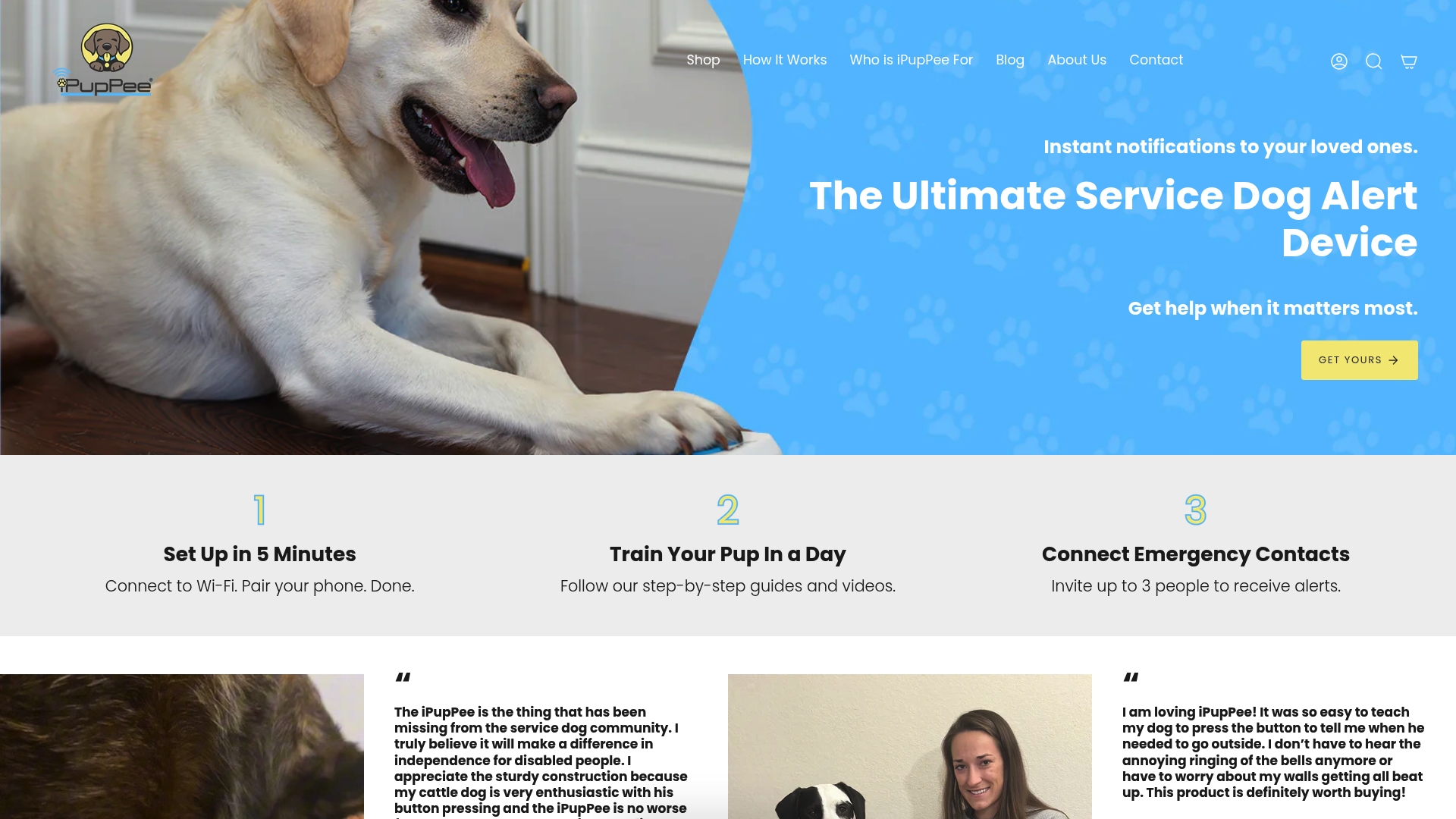
Take control of your safety and deepen your bond today by exploring how the iPupPee can transform daily life with your dog. Visit ipuppee.com now to learn more about user-friendly features, training resources, and testimonials from seniors who have regained confidence and independence. Your dog’s voice matters. Make it heard.
Frequently Asked Questions
What are dog communication devices?
Dog communication devices are innovative technologies designed to enhance communication between dogs and their owners, particularly seniors, by allowing dogs to signal their needs, health, and emotions.
How do dog communication devices benefit seniors?
These devices provide critical safety alerts, enhance emotional support, help monitor health conditions, and promote social connectivity, enabling a deeper bond between seniors and their canine companions.
What types of dog communication devices are available?
There are various types, including alert buttons for signaling needs, wearable sensors for health tracking, video communication systems for remote interaction, and vibrotactile devices for silent alerts.
How can I choose the right dog communication device for my needs?
Consider factors such as sensory compatibility with your dog, ease of use, physical limitations, and safety features of the device. Additionally, assess your dog’s specific communication style to ensure the selected system is intuitive and effective.
Recommended
- Senior Pet Safety: Keeping Aging Companions Secure – iPupPee
- 7 Essential Senior Pet Owner Tips for Safer, Happier Dogs – iPupPee
- Senior Pet Companionship: Enhancing Life for Aging Dogs – iPupPee
- Master Training Dogs for Seniors: A Step-by-Step Guide – iPupPee
- Dla zwierząt Raypath – naturalna pielęgnacja zwierząt | Przestrzeń Od Nowa Sklep
- How to Support Joint Health Naturally for Lasting Mobility