

Did you know that more than 67 percent of households in the US have a pet dog, yet many miss vital signs of aging? As dogs grow older, small changes in their health or environment can mean the difference between comfort and struggle. By learning how to support your senior dog’s unique needs, you can strengthen their independence, ease their pain, and give them more joyful years by your side.
Table of Contents
- 1. Prioritize Regular Vet Visits For Early Detection
- 2. Create A Safe And Accessible Home Environment
- 3. Encourage Gentle Exercise For Mobility Support
- 4. Use Pet Communication Devices For Independence
- 5. Adapt Feeding Routines For Aging Needs
- 6. Monitor Behavior Changes And Respond Quickly
- 7. Explore Community Resources And Support Groups
Quick Summary
| Takeaway | Explanation |
|---|---|
| 1. Schedule Regular Vet Visits | Schedule wellness check-ups every six months for early health issue detection in senior dogs. |
| 2. Create a Safe Home Environment | Adapt your living space with non-slip floors and ramps to enhance safety and comfort for aging dogs. |
| 3. Encourage Gentle Exercise | Implement gentle exercises like passive range-of-motion to maintain joint flexibility and overall mobility. |
| 4. Monitor Behavior Changes | Watch for signs of cognitive dysfunction and respond promptly to any significant behavioral shifts in your senior dog. |
| 5. Connect with Community Resources | Leverage local support groups and online forums for advice and emotional support when caring for a senior dog. |
1. Prioritize Regular Vet Visits for Early Detection
Your senior dog’s health journey requires vigilant monitoring through consistent veterinary check-ups. These wellness visits are far more than routine screenings they represent proactive opportunities to catch potential health issues before they become serious complications.
Recent research highlights the critical importance of these examinations. According to a groundbreaking peer-reviewed study, machine-learning algorithms have demonstrated the significant value of clinical wellness visits in detecting subclinical diseases in aging pets. This scientific insight underscores why regular veterinary check-ups are not just recommended but essential for senior dog care.
The Top Pet Health Tips Every Dog Owner Should Know guide recommends scheduling comprehensive veterinary examinations at least twice annually for senior dogs. During these visits, veterinarians can:
- Conduct comprehensive physical examinations
- Perform blood work to assess organ function
- Screen for age-related conditions
- Update necessary vaccinations
- Monitor weight and nutritional status
As recommended by the American Kennel Club, senior dogs experience rapid health changes that require professional assessment. By establishing a consistent veterinary care routine, you transform potential health risks into manageable, treatable conditions. Your commitment to regular check-ups becomes a powerful tool in extending your furry companion’s quality of life and ensuring their comfort during their golden years.
2. Create a Safe and Accessible Home Environment
As your loyal companion enters their senior years, your home becomes a critical space for supporting their changing mobility and comfort needs. Adapting your living environment can significantly enhance your dog’s quality of life and prevent potential injuries.
The American Kennel Club recommends several strategic modifications to create a senior dog friendly space. Understanding Dog Safety at Home reinforces the importance of thoughtful home adjustments that minimize risks and maximize comfort.
Key modifications for senior dog safety include:
- Install non-slip flooring or add traction rugs
- Use ramps or sturdy pet stairs near furniture or beds
- Place nightlights to help navigation in low light
- Provide orthopedic beds with extra padding
- Raise food and water bowls to reduce neck strain
- Block off potentially dangerous areas with pet gates
These adjustments go beyond simple convenience they represent a compassionate approach to supporting your aging dog’s changing physical capabilities. By creating an environment that anticipates and addresses their evolving needs, you demonstrate deep understanding and respect for your furry companions lifelong journey. Small changes can make tremendous differences in maintaining your senior dogs independence, safety and overall well-being.
3. Encourage Gentle Exercise for Mobility Support
As dogs enter their senior years, maintaining muscle strength and joint flexibility becomes crucial for their overall health and quality of life. Gentle exercise provides a lifeline for aging canines, helping them stay active without causing additional strain or discomfort.
How Dogs Help Seniors: Health, Happiness, and Independence 2025 highlights the importance of tailored physical activity for senior pets. Veterinary experts recommend specific approaches to keep your aging dog moving safely and comfortably.
Key strategies for supporting senior dog mobility include:
- Implement passive range-of-motion exercises
- Use supportive harnesses during walks
- Practice short, controlled walking sessions
- Incorporate swimming or underwater therapy
- Provide gentle massage to support muscle health
Passive range-of-motion exercises involve carefully moving your dogs limbs through their natural motion range. This technique helps maintain joint flexibility and prevents muscle stiffness. Think of it like a gentle physical therapy session where you help your dog stretch and move without requiring them to exert themselves.
Consider using assistive devices like support harnesses that provide additional stability during movement. These tools can help your senior dog maintain independence while reducing the risk of falls or additional joint stress. Always monitor your dogs comfort level and consult with your veterinarian to develop an exercise plan tailored to their specific health needs.
4. Use Pet Communication Devices for Independence
Modern technology offers incredible opportunities to support senior dogs safety and independence through innovative communication devices. These tools bridge the communication gap between you and your aging companion, providing peace of mind and enhanced connectivity.
Top Tips for Pet Communication in 2025 highlights the transformative potential of assistive technologies for senior pets. Understanding the right communication tools can dramatically improve your dogs quality of life and your ability to monitor their well-being.
Key communication devices for senior dogs include:
- Motion sensor cameras
- Alert button systems
- Temperature and activity tracking devices
- Two-way audio pet monitors
- Wearable health monitoring sensors
Pet cameras with two-way audio allow you to check on your dog remotely and even speak to them, providing comfort and reducing anxiety when youre away. Wearable health sensors can track vital signs, activity levels, and potential health changes providing early warning of medical concerns.
These technologies go beyond simple monitoring they represent a compassionate approach to supporting your senior dogs independence. By integrating smart communication devices, you create a safety network that helps your furry friend maintain dignity and quality of life while giving you greater peace of mind.
5. Adapt Feeding Routines for Aging Needs
As dogs transition into their senior years, their nutritional requirements and physical capabilities change dramatically. Understanding how to modify feeding routines becomes crucial for maintaining their health and comfort.
Understanding Dog Care for Special Needs Pets emphasizes the importance of tailored nutrition for aging canines. The American Kennel Club recommends strategic dietary adjustments that support your senior dogs changing metabolism and physical condition.
Key considerations for senior dog feeding include:
- Select lower-calorie diets for weight management
- Choose higher-protein foods to maintain muscle mass
- Use elevated feeding stations to reduce neck strain
- Monitor portion sizes more carefully
- Consider specialized senior dog nutritional formulas
Elevated feeding bowls can be a game changer for dogs experiencing mobility challenges. By raising food and water dishes to a comfortable height, you reduce the physical strain on your dogs neck and back during meals. This simple adjustment can make eating more comfortable for dogs with arthritis or reduced flexibility.
Nutrition is not just about what you feed but how you serve it. Soft foods might become easier for dogs with dental issues, and smaller more frequent meals can help dogs with slower metabolisms. Always consult with your veterinarian to develop a feeding strategy that matches your individual dogs specific health requirements and preferences.
6. Monitor Behavior Changes and Respond Quickly
Your senior dog cannot verbally communicate their changing health needs, making careful observation of behavioral shifts critically important. Understanding and responding quickly to these subtle changes can prevent potential health complications and maintain your dogs quality of life.
The Washington Post highlights that cognitive dysfunction and disorientation frequently occur in aging dogs, requiring attentive and compassionate monitoring from pet owners. Key behavioral changes to watch include:
- Increased nighttime restlessness
- Sudden anxiety or confusion
- Reduced interaction with family
- Changes in sleep patterns
- Unusual vocalization or whimpering
These behavioral shifts might signal underlying health issues such as pain, sensory changes, or cognitive decline. Maintaining a consistent environment becomes crucial for dogs experiencing vision loss or mental confusion. By creating predictable routines and calm surroundings, you help your senior dog feel secure and supported.
Prompt veterinary consultation is essential when you notice significant behavioral changes. Your quick response can help diagnose and address potential medical conditions early, ensuring your loyal companion receives appropriate care and comfort during their golden years.
7. Explore Community Resources and Support Groups
Caring for a senior dog can feel overwhelming, but you are not alone in this journey. Community resources and support groups offer invaluable assistance, emotional support, and practical guidance for pet owners navigating the challenges of senior dog care.
Nonprofit organizations like Old Dog Haven and Old Friends Senior Dog Sanctuary demonstrate the power of community in supporting aging pets. Valuable community resources for senior dog owners include:
- Local veterinary support groups
- Online forums dedicated to senior pet care
- Nonprofit organizations specializing in senior dog welfare
- Canine rehabilitation and therapy networks
- Regional pet support and rescue organizations
These support systems provide more than just information. They offer emotional connections with other pet owners who understand the unique challenges of caring for an aging dog. Some groups provide practical resources like financial assistance for medical care, foster networks for dogs needing specialized attention, and educational workshops on senior dog wellness.
Reaching out to these communities can help you feel more confident and supported. Whether you need advice about managing your dogs health challenges or simply want to share your experiences, these networks can provide compassion, understanding, and practical solutions during this important stage of your dogs life.
Below is a comprehensive table summarizing the key strategies and actions for caring for senior dogs as discussed throughout the article.
| Strategy | Implementation | Expected Results |
|---|---|---|
| Regular Vet Visits | Schedule exams twice annually, conduct tests, update vaccinations, and monitor health indicators. | Early detection and management of health issues, improved quality of life. |
| Safe Home Environment | Add non-slip floors, ramps, raised bowls, and nightlights; use pet gates. | Enhanced mobility, reduced risk of injury, increased comfort. |
| Gentle Exercise | Practice short, controlled walks, use support harnesses, and try swimming or massage. | Maintained muscle strength, improved joint flexibility, reduced discomfort. |
| Pet Communication Devices | Use motion sensor cameras, alert systems, and health monitors. | Increased safety, better monitoring, and peace of mind for owners. |
| Adapted Feeding Routines | Opt for lower-calorie, higher-protein diets; use elevated feeders; monitor portions. | Better weight management, sustained muscle mass, improved feeding comfort. |
| Monitor Behavior Changes | Watch for anxiety, restlessness, and sleep pattern changes; consult vet promptly. | Early intervention in health issues, maintained well-being. |
| Community Resources | Join support groups and access nonprofit resources for senior pet care. | Emotional support, practical advice, additional care options. |
Enhance Safety and Communication for Your Senior Dog Today
Caring for a senior dog means staying ahead of their changing needs and ensuring their comfort and security every day. The challenges of mobility, communication, and health monitoring demand reliable solutions that bring peace of mind and greater independence to both you and your loyal companion. With terms like assistive technologies and communication devices in mind, you can transform how you support your aging pet.
At iPupPee, discover how innovative tools designed for pet communication can make a real difference. Whether you want to monitor your dog’s well-being remotely or enable them to signal for help with a simple button press, our alert devices offer practical safety and independence for senior dogs and their owners.
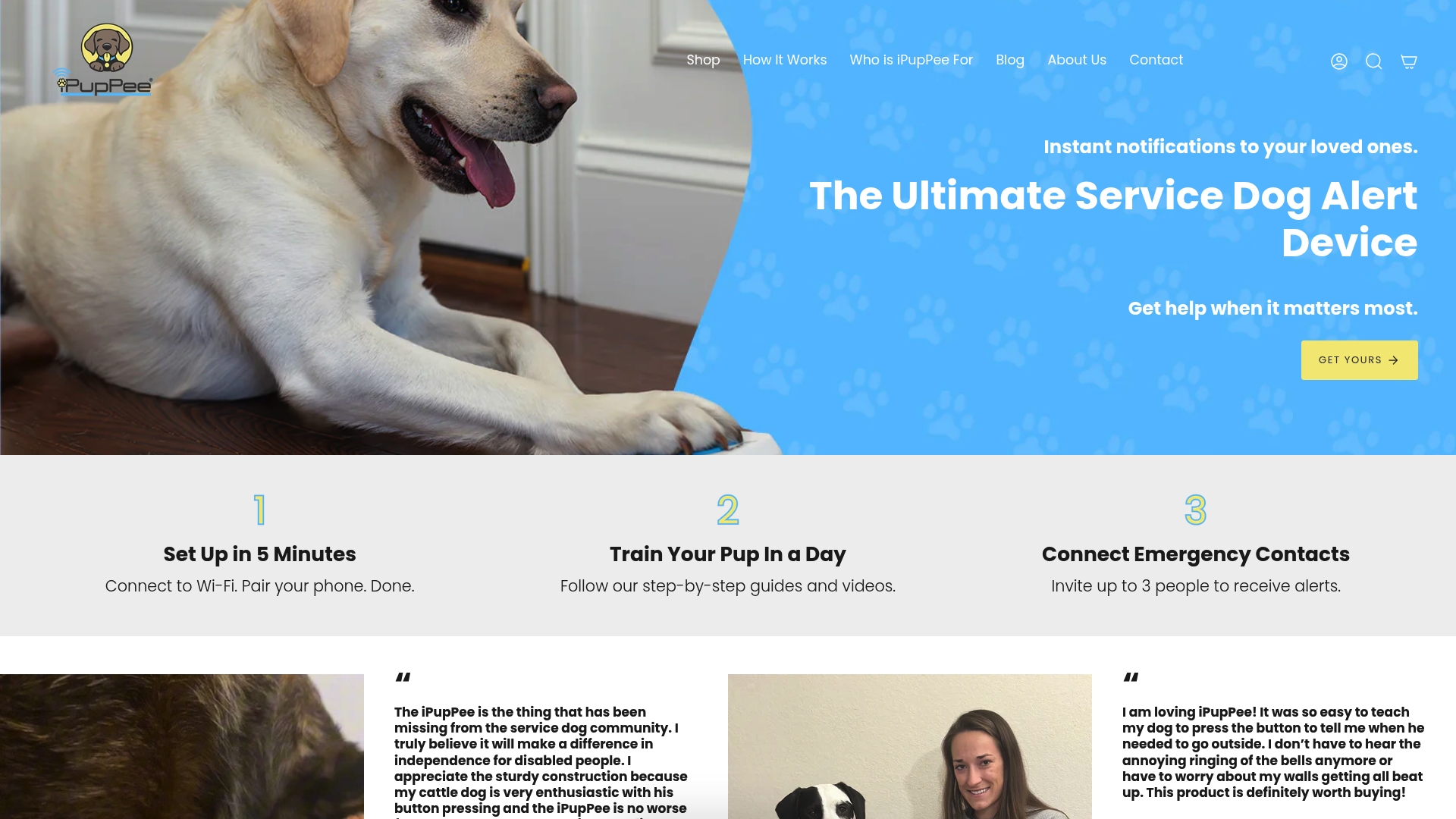
Take the next step toward a safer, happier life for your senior dog. Explore our range of smart pet communication devices that help you respond quickly to behavioral changes and maintain your dog’s independence. Visit iPupPee now to learn how you can integrate these valuable tools into your caregiving routine and enhance your furry friend’s golden years with confidence.
Frequently Asked Questions
How can I ensure early detection of health issues in my senior dog?
Regular veterinary visits are crucial for early detection of health issues in senior dogs. Schedule comprehensive check-ups at least twice a year to monitor their health status and catch potential problems early.
What modifications can I make at home to support my senior dog’s mobility and safety?
Implementing non-slip flooring, ramps, and raised food bowls are effective home modifications for senior dogs. Start by assessing your living space and making these changes to enhance your dog’s comfort and prevent injuries.
What type of exercise is appropriate for senior dogs to maintain their mobility?
Gentle exercises like short controlled walks, range-of-motion activities, and swimming are ideal for maintaining mobility in senior dogs. Aim for at least 10-15 minutes of gentle exercise several times a week to help your dog stay active without overstraining.
How can I adapt my senior dog’s feeding routine to meet their changing nutritional needs?
Modify your senior dog’s feeding routine by introducing lower-calorie, higher-protein diets and elevated feeding stations. Work on adjusting portion sizes and meal frequency to ensure your dog receives the proper nutrition tailored to their age and health condition.
What are the key behavioral changes I should monitor in my senior dog?
Keep an eye out for increased nighttime restlessness, reduced interaction, or sudden confusion, as these may indicate underlying health issues. Regularly note any behavioral shifts and consult your veterinarian if you observe significant changes over a two-week period.
How can community resources and support groups help me in caring for my senior dog?
Community resources and support groups can provide invaluable emotional support and practical advice for managing your senior dog’s specific needs. Engage with local networks to connect with other pet owners and access resources tailored to senior dog care.
Recommended
- Master Training Dogs for Seniors: A Step-by-Step Guide – iPupPee
- Top Safety Tips for Dog Owners: Essential Guidance for 2025 – iPupPee
- How Dogs Help Seniors: Health, Happiness, and Independence 2025 – iPupPee
- How to Improve Dog Safety at Home and Outdoors 2025 – iPupPee
- Veiledning for eldre hunder: Slik gir du optimal omsorg — Dr-Clauder Norge
- Multi-Pet Safety Gate Guide for Complete Home Protection | Baby Safety Gates