

Over 70 percent of American seniors report that a pet brings daily comfort and reduces feelings of isolation. For older adults, having a loyal animal companion goes far beyond simple friendship and transforms into a powerful source of purpose and joy. Whether it is emotional support, improved mental health, or added structure to the day, discovering the unique value of senior pet companionship can open the door to a more connected and fulfilling life.
Table of Contents
- What Senior Pet Companionship Means
- Types Of Companion Pets For Seniors
- Key Benefits For Dogs And Owners
- Daily Care And Communication Strategies
- Safety Challenges And Tech Solutions
Key Takeaways
| Point | Details |
|---|---|
| Emotional Connection | Senior pet companionship offers unconditional love and support, significantly impacting seniors’ mental health by reducing loneliness and depression. |
| Physical and Mental Engagement | Pets encourage regular physical activity and cognitive engagement through structured routines, enhancing overall well-being for seniors. |
| Selection of Companion Pets | Choosing the right companion pet involves considering individual mobility and care needs, ensuring a supportive and fulfilling relationship. |
| Technology for Care | Innovative technologies like automated feeders and GPS tracking enhance safety and independence for seniors while caring for their pets. |
What Senior Pet Companionship Means
Senior pet companionship transcends traditional pet ownership, representing a profound emotional and supportive relationship between older adults and their animal companions. At its core, this connection provides seniors with unconditional love, comfort, and a sense of purpose that significantly enhances their quality of life. Research on caregiver support networks indicates that pets can dramatically reduce symptoms of depression and combat feelings of isolation.
The relationship between seniors and their pets goes far beyond simple companionship. These animal friends become active partners in maintaining physical and mental well-being. Pets encourage regular physical activity through walks, playtime, and daily care routines. They create opportunities for social interaction, helping seniors stay connected with their community and preventing the negative health impacts of prolonged loneliness. Studies from senior health research reveal that pet ownership can reduce stress levels and provide emotional support during challenging life transitions.
Key aspects of senior pet companionship include:
- Emotional connection and unconditional love
- Structured daily routines
- Increased physical activity
- Reduced feelings of isolation
- Improved mental health and cognitive engagement
Through 7 Essential Senior Dog Care Tips, seniors can learn how to maintain a healthy, supportive relationship with their aging pets, ensuring mutual care and companionship. This symbiotic bond represents more than ownership it is a deeply meaningful partnership that enriches the lives of both the senior and the animal.
Types of Companion Pets for Seniors
Companion pets for seniors offer a diverse range of emotional and practical support, with each animal type bringing unique benefits to older adults’ lives. Research on companion animals reveals that pets can significantly enhance mental and physical well-being through varied interactions and care requirements.
Dogs remain the most popular companion pets, with small to medium breeds particularly suited for seniors. Breeds like Cavalier King Charles Spaniels, Maltese, and Poodles provide affection and moderate exercise opportunities without overwhelming physical demands. Recommended dog breeds for seniors can help match individual mobility and energy levels with the right canine companion.
Beyond dogs, seniors have multiple companion animal options:
- Cats: Low-maintenance, calm breeds like Birman and Ragdoll
- Rabbits: Gentle, quiet pets offering tactile interaction
- Birds: Providing mental stimulation through singing and playful behavior
- Guinea Pigs: Small, interactive animals requiring minimal space
Choosing the right companion pet involves considering factors like living space, personal mobility, emotional needs, and potential care requirements. Through thoughtful selection, seniors can find an animal companion that not only provides comfort but also enhances their overall quality of life.
Key Benefits for Dogs and Owners
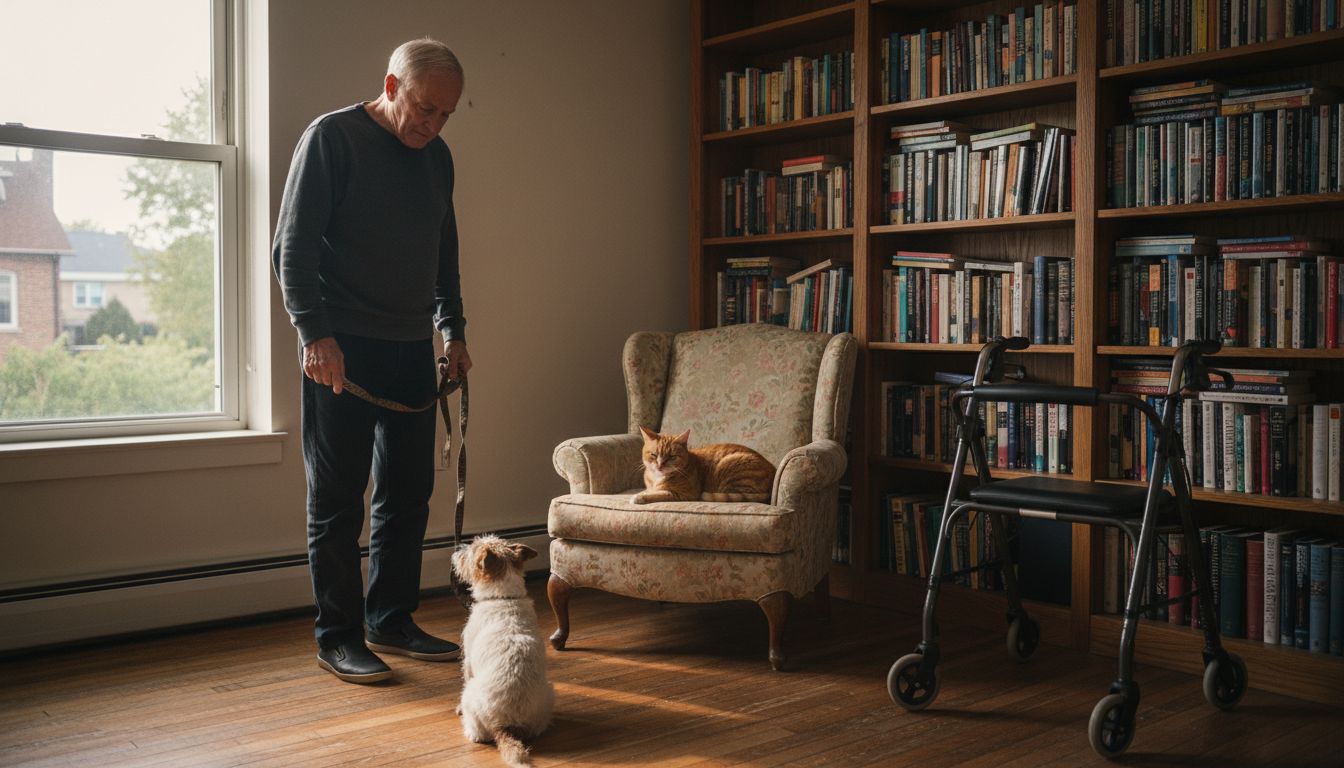
Senior pet companionship creates a powerful symbiotic relationship that delivers profound physical and emotional advantages for both dogs and their older adult companions. Research on pet interactions demonstrates how these relationships can dramatically reduce stress and anxiety while promoting active lifestyles and social engagement.
For seniors, dogs provide critical emotional support that combats loneliness and depression. Understanding the benefits of dog adoption reveals that canine companions offer unconditional love, consistent companionship, and a sense of purpose. The daily routines of feeding, walking, and caring for a dog create structure and motivation, which can be especially beneficial for older adults experiencing isolation or reduced social interactions.
Key mutual benefits include:
- Enhanced cardiovascular health for seniors
- Increased physical activity and mobility
- Reduced stress and anxiety levels
- Emotional connection and unconditional support
- Improved mental stimulation for both dog and owner
The reciprocal nature of senior pet companionship means that older dogs and their human companions mutually benefit from their relationship. Aging dogs receive consistent care, medical attention, and affection, while seniors gain a loyal friend who provides emotional comfort, encourages physical activity, and helps maintain a sense of purpose and connection to the world around them.
Daily Care and Communication Strategies
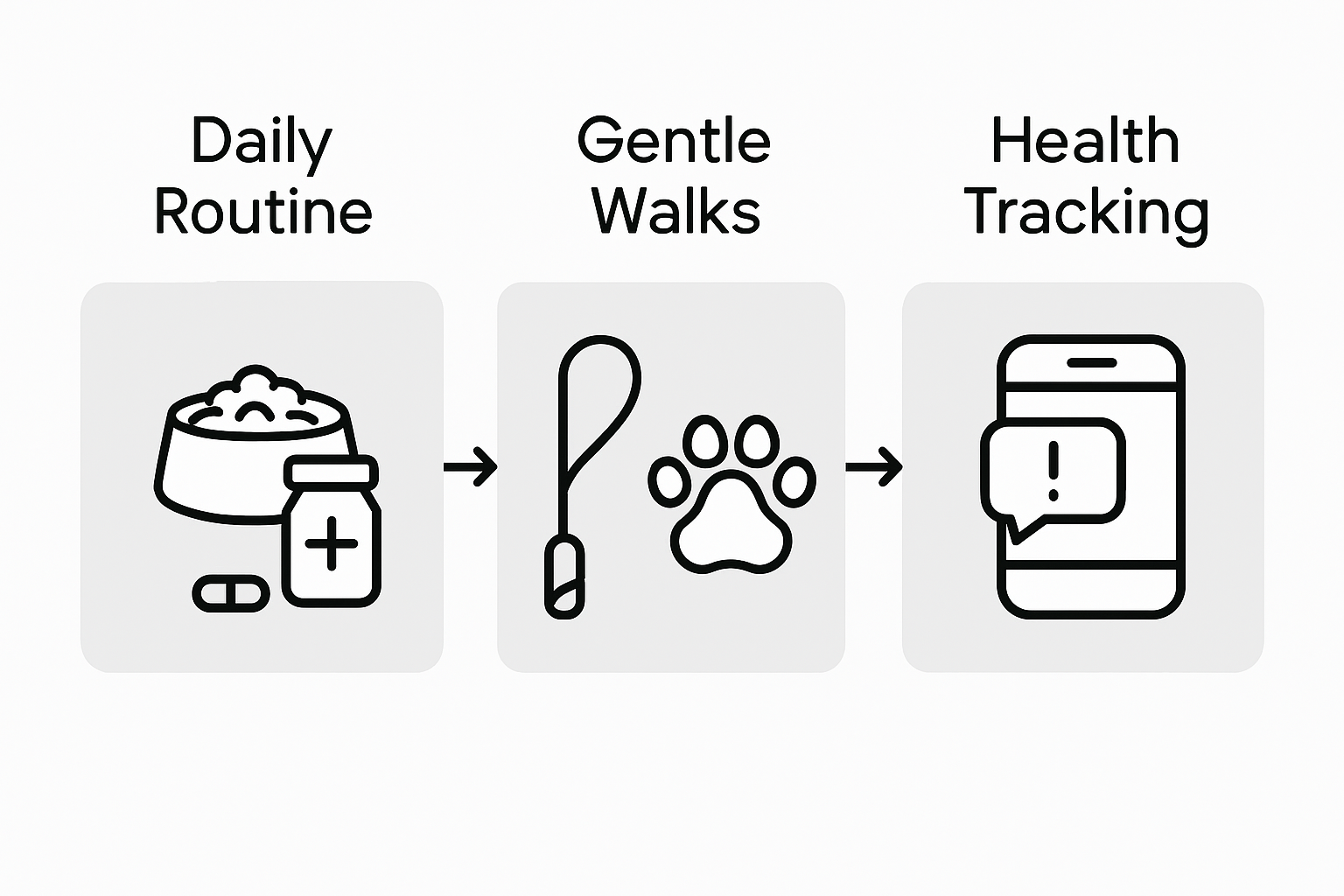
Daily pet care for seniors requires a carefully tailored approach that addresses both the physical and emotional needs of aging dogs. Comprehensive pet care strategies emphasize understanding each dog’s unique health requirements, mobility limitations, and communication signals.
Effective communication begins with recognizing subtle changes in a dog’s behavior and body language. Senior dog owners should develop keen observation skills to detect potential health issues, discomfort, or emotional needs. Dog button communication techniques can provide additional pathways for understanding and responding to a dog’s needs, especially for pets with limited mobility or those experiencing age-related communication challenges.
Key daily care strategies include:
- Modified exercise routines appropriate for the dog’s age and health
- Consistent feeding schedules with age-appropriate nutrition
- Regular veterinary check-ups and preventative care
- Gentle grooming adapted to physical limitations
- Mental stimulation through low-impact activities
Supporting an aging dog requires patience, adaptability, and a deep understanding of their changing needs. Seniors can enhance their companionship by creating a supportive environment that prioritizes comfort, health, and emotional connection, ensuring their loyal companions continue to feel loved and valued throughout their golden years.
Safety Challenges and Tech Solutions
Senior dog owners face unique safety challenges that require innovative technological approaches to ensure both pet and owner well-being. Advanced safety technologies for seniors have emerged to address mobility limitations and potential risks associated with pet care, offering comprehensive solutions that enhance independence and security.
Mobility and physical constraints can make traditional pet care challenging for seniors, particularly when walking dogs or managing complex care routines. Dog alert device training provides critical technological interventions that bridge communication gaps and support safer interactions between seniors and their canine companions.
Technological safety solutions include:
- Automated pet feeders with programmable schedules
- GPS tracking devices for pet location monitoring
- Smart health monitoring systems
- Alert buttons for emergency communication
- Robotic companion pets for limited mobility situations
The intersection of technology and pet care represents a transformative approach to senior companionship. By leveraging innovative devices and communication tools, seniors can maintain meaningful connections with their pets while mitigating potential safety risks, ultimately preserving the emotional and physical benefits of animal companionship throughout their golden years.
Enhance Senior Pet Companionship with Innovative Communication Tools
Older adults and their aging dogs face unique challenges such as mobility limitations, health changes, and the need for clear communication to maintain their deep emotional bond. This article highlights how daily care routines, safety concerns, and effective communication are crucial for preserving this special partnership. If you want to bring greater independence and safety to your senior pet companionship experience, explore how technology can transform the way you connect with your dog.

Discover the powerful benefits of the iPupPee alert device, designed specifically to support pet owners like seniors who need reliable ways to communicate and ensure their dog’s well-being. With easy-to-use buttons and comprehensive training resources, the device empowers both you and your pet to overcome daily challenges safely. Take control of your companionship by visiting iPupPee today and see how simple communication solutions can enrich life for you and your aging dog. Learn more through our helpful dog alert device training guide and explore how the benefits of adopting dogs align with enhancing senior pet care.
Start strengthening your bond and improving safety now with technology made for lifelong companionship.
Frequently Asked Questions
What are the benefits of senior pet companionship for aging dogs?
Senior pet companionship enhances the emotional and physical well-being of both seniors and their aging dogs. Benefits include reduced stress and anxiety, increased physical activity, enhanced cardiovascular health, and improved mental stimulation for both the owner and the pet.
What types of pets are best suited for seniors?
Small to medium dog breeds like Cavalier King Charles Spaniels and Poodles are popular among seniors. Additionally, low-maintenance pets such as cats, rabbits, birds, and guinea pigs can also provide companionship and emotional support for older adults.
How can seniors ensure proper care for their aging dogs?
Seniors can ensure proper care for their aging dogs by developing modified exercise routines, maintaining consistent feeding schedules, providing regular veterinary check-ups, and offering gentle grooming tailored to the dog’s health needs. Mental stimulation through engaging activities is also important.
What technology can aid seniors in caring for their dogs?
Technology can assist seniors in dog care through automated pet feeders, GPS tracking devices for pet monitoring, smart health monitoring systems, alert buttons for emergencies, and even robotic companion pets for those with limited mobility.
Recommended
- How Dogs Help Seniors: Health, Happiness, and Independence 2025 – iPupPee
- 7 Essential Senior Pet Owner Tips for Safer, Happier Dogs – iPupPee
- 7 Essential Senior Dog Care Tips for Health and Happiness – iPupPee
- 7 Best Dog Breeds for Seniors and Safe Companionship – iPupPee
- Understanding Weight Loss for Seniors: A Clear Guide - LeanAndFit
- Virtual Vet for Dogs and Cats - QuigVet