

Many pet owners mistakenly believe their senior dog can thrive with the same care routine they used during younger years. This assumption overlooks the significant physiological and behavioral changes that occur as dogs age. From joint stiffness to shifting nutritional needs, elderly dogs require tailored attention to maintain comfort and quality of life. Understanding these changes and adapting your approach can dramatically improve your dog’s golden years. This guide provides essential insights on health management, diet optimization, exercise adjustments, and safety enhancements specifically designed for senior dogs in 2026.
Table of Contents
- Understanding Your Senior Dog’s Unique Aging Process
- Common Health Challenges In Senior Dogs And How To Manage Them
- Optimizing Diet And Exercise For Senior Dog Well-Being
- Creating A Safe, Comfortable Environment And Improving Communication
- Explore Ipuppee Solutions For Senior Pet Care
- Frequently Asked Questions
Key takeaways
| Point | Details |
|---|---|
| Aging varies by size | Small breeds become seniors around 8 to 10 years, while large breeds reach senior status between 5 to 7 years. |
| Joint health is critical | Arthritis and mobility issues are common in older dogs and require proactive management to maintain comfort. |
| Diet needs shift | Senior dogs benefit from high-protein, easily digestible diets with moderate fat to support metabolic changes. |
| Early detection matters | Twice-yearly vet visits with senior-specific screenings catch diseases early and improve treatment outcomes. |
| Routine reduces stress | Consistent schedules for feeding, exercise, and rest help aging dogs cope with cognitive decline and anxiety. |
Understanding your senior dog’s unique aging process
Dogs don’t age uniformly across breeds and sizes. Larger dogs age faster than smaller dogs, influencing when they are considered seniors. Small breeds typically enter their senior years around 8 to 10 years old, medium breeds around 7 to 9 years, and large or giant breeds as early as 5 to 7 years. This variability stems from metabolic rates and genetic factors that accelerate wear on larger body systems.
Recognizing the difference between senior and geriatric stages helps you adjust care appropriately. “Senior” marks the period when age-related changes begin, your dog may still be active but benefits from modest adjustments, while “geriatric” describes advanced aging with more pronounced health challenges. During the senior phase, you might notice slower movement, cloudier eyes, reduced stamina, or shifts in appetite. These signs indicate your dog’s body is transitioning and needs personalized attention.
Each dog experiences aging differently based on genetics, lifestyle, and overall health history. Some senior dogs remain energetic and playful, while others show early signs of joint stiffness or cognitive changes. Watch for these key indicators as your dog enters the senior stage: decreased energy levels, reluctance to jump or climb stairs, changes in eating habits, increased sleeping, graying around the muzzle, and subtle behavioral shifts like confusion or irritability. Paying attention to these changes allows you to intervene early and maintain your dog’s well-being.
If you’re considering adding a new companion to your household, exploring best dog breeds for seniors safe companionship can help you choose a breed that matches your lifestyle and care capacity.
Senior onset by dog size:
- Small breeds (under 20 lbs): 8 to 10 years
- Medium breeds (21 to 50 lbs): 7 to 9 years
- Large breeds (51 to 90 lbs): 6 to 8 years
- Giant breeds (over 90 lbs): 5 to 7 years
Common health challenges in senior dogs and how to manage them
As dogs age, certain health conditions become more prevalent and require proactive management. Arthritis and joint pain are common due to cartilage wear, affecting mobility and comfort. You may notice your dog limping, hesitating before jumping, or showing stiffness after rest. Weight management, gentle exercise, joint supplements, and anti-inflammatory medications prescribed by your vet can significantly reduce discomfort and preserve mobility.
Kidney disease is another serious concern in senior dogs, particularly large breeds. Early detection of Chronic Kidney Disease is crucial for effective management. Symptoms include increased thirst, frequent urination, weight loss, and decreased appetite. Regular blood work helps identify kidney issues before they become severe, allowing for dietary adjustments and supportive treatments that slow disease progression. Comorbidities such as cardiovascular disease and joint problems often accompany CKD, complicating treatment and requiring comprehensive care plans.
Cancer also becomes more common in older dogs, though some types are less frequent than others. Canine pulmonary adenocarcinoma is uncommon but prognosis varies widely based on clinical factors like tumor size, location, and metastasis. Early detection through routine exams and imaging improves outcomes. Other cancers, including lymphoma and mast cell tumors, are more prevalent and benefit from prompt veterinary intervention.
Pro Tip: Schedule twice-yearly vet visits with senior-specific blood panels to catch problems early. These screenings detect kidney disease, liver issues, diabetes, and hormonal imbalances before symptoms become severe, giving you more treatment options and better outcomes.
Common senior dog health conditions:
- Osteoarthritis: joint inflammation causing pain and stiffness
- Chronic Kidney Disease: progressive loss of kidney function
- Dental disease: tartar buildup leading to infections and tooth loss
- Cognitive dysfunction: memory loss and confusion similar to dementia
- Heart disease: weakened heart function and circulation problems
- Vision and hearing loss: gradual sensory decline
| Condition | Prevalence | Key Symptoms | Impact on Quality of Life |
|---|---|---|---|
| Osteoarthritis | Very common in seniors | Limping, stiffness, reluctance to move | Moderate to high; limits mobility and play |
| Chronic Kidney Disease | Common in large breeds | Increased thirst, urination, weight loss | High; requires dietary changes and monitoring |
| Cancer | Varies by type | Lumps, weight loss, lethargy, bleeding | High; depends on type and stage |
For targeted strategies to ease joint discomfort, explore arthritis relief support for senior dogs. Additional resources on older dog health issues and chronic kidney disease management provide deeper insights into these conditions.
Optimizing diet and exercise for senior dog well-being
As dogs age, their metabolism slows and nutritional requirements shift. Senior dogs need high-quality protein to maintain muscle mass, moderate fat to avoid weight gain, and easily digestible ingredients to support declining digestive efficiency. Switching to a senior-specific formula or fresh food diet can make a noticeable difference in energy levels, coat quality, and overall health.
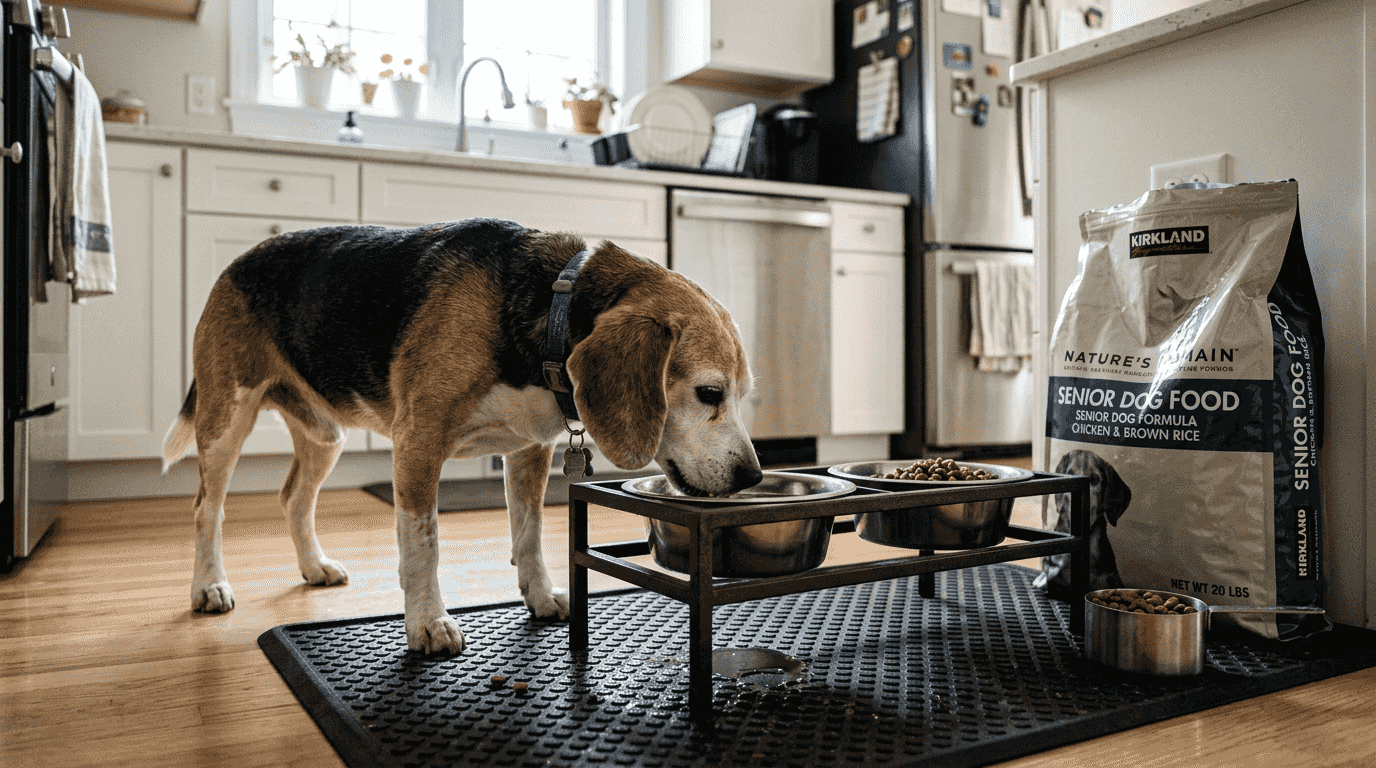
Research shows that senior dogs fed fresh, human-grade food show different serum metabolomics profiles compared to those fed extruded kibble diets. Fresh diets often contain higher moisture content, better nutrient bioavailability, and fewer processed ingredients. While kibble offers convenience and dental benefits, fresh food may improve digestion and metabolic health. Consult your vet to determine the best option for your dog’s specific needs, considering factors like existing health conditions, weight, and activity level.
| Diet Type | Nutrition Profile | Digestibility | Health Outcomes |
|---|---|---|---|
| Fresh human-grade | High protein, natural ingredients, higher moisture | Excellent; easier on aging digestive systems | Improved metabolomics, better coat, stable weight |
| Extruded kibble | Balanced macros, fortified vitamins, lower moisture | Good; some nutrients less bioavailable | Convenient, dental benefits, consistent nutrition |
Weight management is critical for senior dogs. Maintaining a body condition score of 4 or 5 on a 9-point scale optimizes longevity and reduces stress on joints and organs. Overweight dogs face increased risk of arthritis, diabetes, and heart disease. Monitor your dog’s weight regularly and adjust portions or activity levels before problems develop.
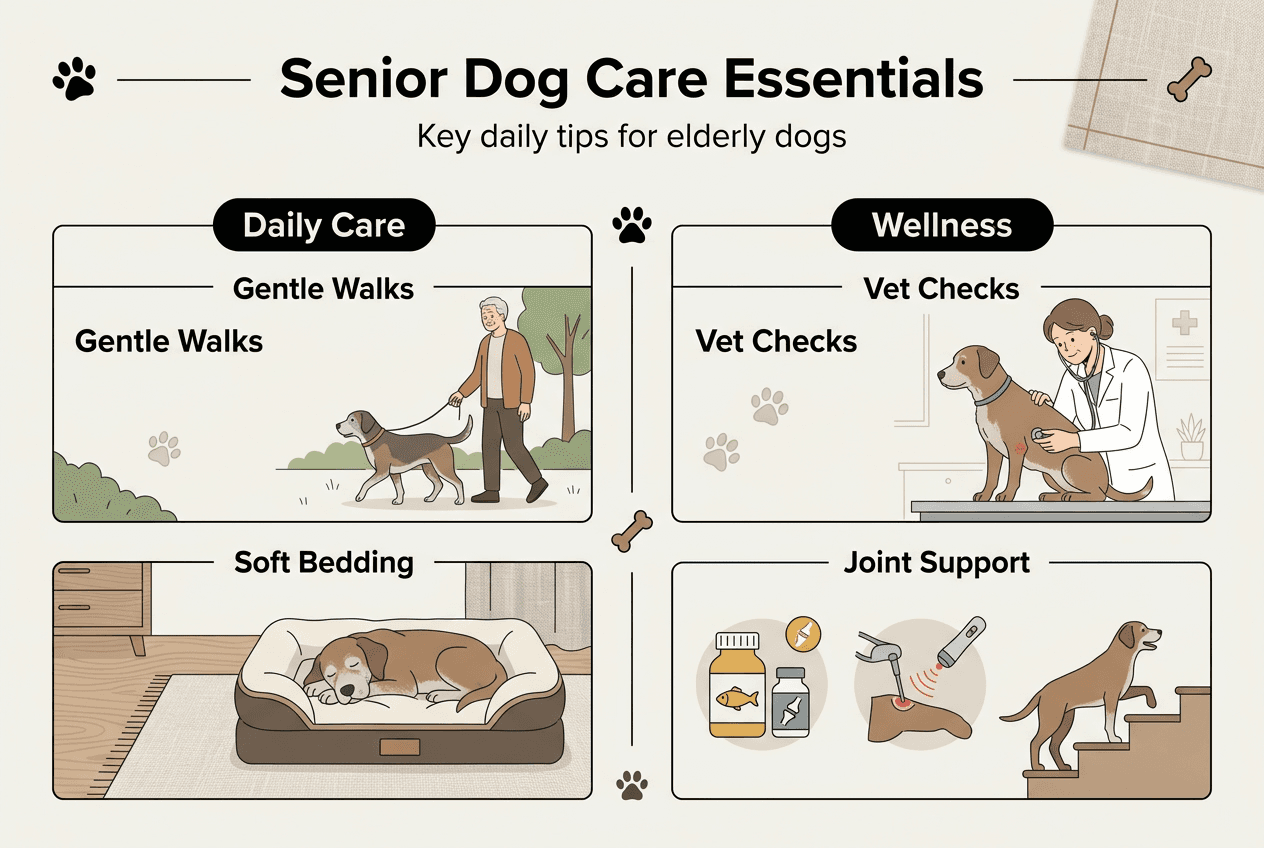
Exercise remains essential but should adapt to your dog’s physical limitations. Regular, low-impact movement supports muscle tone, heart health, and mental well-being in senior dogs. Short, frequent walks are better than long, strenuous hikes. Swimming or gentle play sessions provide cardiovascular benefits without stressing joints. Mental stimulation through puzzle toys and scent games keeps cognitive function sharp.
Pro Tip: Weigh your dog monthly and track trends. A sudden gain or loss can signal health issues or dietary imbalances, allowing you to adjust before problems escalate.
Diet and exercise best practices for senior dogs:
- Feed high-protein, moderate-fat, easily digestible meals
- Consider fresh food diets for metabolic benefits
- Maintain ideal body condition score to reduce joint stress
- Provide short, low-impact walks multiple times daily
- Incorporate mental stimulation through interactive toys
- Adjust portions based on activity level and weight trends
For comprehensive advice on daily routines, visit essential senior dog care tips and daily dog exercise tips. Additional research on senior dog diet metabolomics offers deeper scientific insights.
Creating a safe, comfortable environment and improving communication
Your home environment plays a crucial role in your senior dog’s comfort and safety. As mobility declines and sensory abilities diminish, simple modifications can prevent injuries and reduce stress. Install non-slip rugs on hardwood or tile floors to prevent slipping. Add ramps or steps to help your dog access furniture or vehicles without jumping. Provide orthopedic beds that cushion aging joints and support proper alignment during rest.
Older dogs thrive on routine; predictable schedules reduce stress especially with mild cognitive decline. Feed meals at the same times each day, maintain consistent walk schedules, and establish regular bedtimes. This structure helps dogs with memory issues navigate their day with less confusion and anxiety. If your dog shows signs of cognitive dysfunction, like disorientation or nighttime restlessness, routine becomes even more critical.
Communication with your senior dog requires patience and attentiveness. Watch for subtle cues indicating discomfort, confusion, or needs. Your dog may not vocalize pain but might lick a joint excessively or avoid certain movements. Maintain positive interactions through gentle petting, calm verbal reassurance, and respecting when your dog needs space. Avoid sudden changes that could disorient or frighten an older pet.
Proactive management extends healthspan and lifespan, improving comfort. Regular vet visits, home safety adjustments, and attentive monitoring allow you to catch issues early and respond appropriately. Companionship matters deeply; senior dogs benefit from your presence and gentle interaction, which reduces anxiety and reinforces their sense of security.
Pro Tip: Keep all walking surfaces safe by trimming your dog’s nails regularly and checking paw pads for cracks or injuries. Consider smart pet technology like monitoring devices to track activity levels and alert you to unusual behavior patterns.
Safety and comfort enhancements for the home:
- Non-slip rugs and mats on slippery floors
- Ramps or stairs for accessing furniture and vehicles
- Orthopedic beds with memory foam support
- Consistent feeding, walking, and sleeping schedules
- Night lights for dogs with vision loss
- Baby gates to block stairs or unsafe areas
- Raised food and water bowls to reduce neck strain
For more guidance on creating a secure environment, explore senior pet safety and senior pet owner tips.
Explore iPupPee solutions for senior pet care
Caring for a senior dog requires dedication, knowledge, and the right tools to ensure their safety and comfort. iPupPee offers resources and innovative solutions designed specifically to support elderly dogs and their owners. From expert blog content covering health challenges to safety devices that enhance communication and monitoring, iPupPee helps you provide the best possible care.

Visit the iPupPee home page to explore comprehensive guides, product offerings, and community support tailored for senior pet owners. Whether you need practical advice on managing arthritis, tips for optimizing your dog’s environment, or tools to improve daily safety, iPupPee delivers actionable solutions. Check out senior dog care tips and senior pet safety tips to deepen your understanding and enhance your dog’s quality of life.
Frequently asked questions
What age is considered senior for different dog breeds?
Small breeds typically become seniors around 8 to 10 years old, while large breeds reach senior status between 5 to 7 years. This variation occurs because larger dogs age faster due to metabolic and genetic factors. Medium breeds fall in between, usually around 7 to 9 years.
How can I recognize early signs of arthritis in my senior dog?
Watch for stiffness after rest, reluctance to climb stairs or jump, limping, and reduced activity levels. Your dog may also show hesitation before standing or seem less enthusiastic about walks. Consult your vet early for diagnosis and to explore relief options like supplements, medications, or physical therapy.
What dietary changes support healthy aging in senior dogs?
Increase high-quality protein to maintain muscle mass, moderate fat to prevent weight gain, and choose easily digestible ingredients. Consider fresh, human-grade foods for potential metabolic benefits, but always consult your vet for personalized recommendations based on your dog’s health status and needs.
How often should I take my senior dog to the vet for check-ups?
Twice-yearly visits with senior-specific blood panels are recommended to catch issues like kidney disease, diabetes, and hormonal imbalances early. Regular screenings provide more treatment options and better outcomes. Early intervention significantly improves comfort and extends quality of life for aging dogs.
Recommended
- 7 Essential Senior Dog Care Tips for Health and Happiness – iPupPee
- Senior Dog Care 2026: 50% Need Arthritis Relief & Support – iPupPee
- 7 Essential Senior Pet Owner Tips for Safer, Happier Dogs – iPupPee
- Senior Pet Safety: Keeping Aging Companions Secure – iPupPee
- Off-Grid Travel With Pets: What Actually Works in Vanlife & Camping - Beyond The Urban
- Fall Prevention Seniors Guide: Tips & Safety Tools