

More than 15 million American households include senior dogs or owners with disabilities who face daily challenges in communicating and ensuring pet safety. The gap between traditional care routines and reliable alert systems can put both owners and dogs at risk. Discover practical ways to connect with your pet using technology that helps build safety and supports independence, no matter where you live.
Table of Contents
- Defining Pet Alert Systems For Dog Owners
- Main Types Of Pet Alert Technologies
- Key Features And How Devices Work
- Real-World Applications And User Benefits
- Risks, Safety, And Privacy Considerations
- Choosing The Right Pet Alert Solution
Key Takeaways
| Point | Details |
|---|---|
| Importance of Pet Alert Systems | Pet alert systems enhance safety and communication between dogs and their owners through innovative technologies. |
| Key Features to Consider | Prioritize systems with real-time tracking, health monitoring, and user-friendly interfaces for optimal pet management. |
| Privacy and Security Measures | Understand the privacy risks associated with pet alert devices and implement strategies to protect sensitive data. |
| Selecting the Right Device | Evaluate pet alert systems based on performance, compatibility, and user needs to ensure effective pet safety solutions. |
Defining Pet Alert Systems For Dog Owners
A pet alert system is an innovative communication technology designed to help dogs and their owners maintain safety, independence, and enhanced interaction through smart monitoring and emergency signaling devices. These systems leverage advanced sensors, wireless communication, and user-friendly interfaces to create seamless connections between pets and their handlers, particularly for individuals with disabilities or specialized care needs.
At their core, pet alert systems utilize embedded technologies like GPS tracking, wireless communication protocols, and mobile applications to provide real-time monitoring and emergency notification capabilities. Advanced IoT-based pet tracking systems like PETROUTE demonstrate how modern alert technologies can create comprehensive safety networks through integrated components such as Arduino boards, geofencing capabilities, and mobile app interfaces.
Key features of pet alert systems typically include:
- Real-time location tracking
- Emergency button activation
- Geofencing and boundary monitoring
- Health status monitoring
- Two-way communication interfaces
These systems are particularly valuable for specific user groups, including service dog handlers, elderly pet owners, individuals with mobility challenges, and those managing dogs with medical conditions. By providing immediate communication channels and safety monitoring, pet alert systems transform how owners interact with and protect their canine companions.
Pro Tip: When selecting a pet alert system, prioritize devices with multiple communication channels and user-friendly interfaces to ensure seamless integration into your daily routine.
Main Types Of Pet Alert Technologies
Pet alert technologies have rapidly evolved, offering diverse solutions for dog owners seeking enhanced safety and communication. Comprehensive IoT research reveals multiple innovative categories of pet monitoring and alert systems that address different safety and communication needs for canine companions.
The primary types of pet alert technologies can be categorized into four main technological domains:
- Location and Tracking Technologies
- GPS-enabled smart collars
- Geofencing monitoring systems
- Community-based tracking networks
- Real-time location sharing platforms
- Health and Wellness Monitoring
- Wearable health tracking devices
- Vital sign monitoring sensors
- Activity and movement analysis systems
- Emergency medical alert mechanisms
- Communication and Safety Interfaces
- Two-way communication devices
- Emergency signal buttons
- Remote interaction platforms
- Behavioral monitoring technologies
- Home and Environmental Monitoring
- Smart home integration systems
- Environmental condition trackers
- Remote surveillance devices
- Comfort and security monitoring technologies
Emerging research indicates that multifunctional IoT devices are likely to integrate these technological domains, creating more comprehensive pet alert solutions that provide holistic safety and communication capabilities for dog owners.
Here’s a summary of the main pet alert technology domains and one unique benefit from each:
| Technology Domain | Example Device/Method | Unique Value |
|---|---|---|
| Location & Tracking | GPS smart collars | Fast recovery of lost pets |
| Health & Wellness Monitoring | Wearable health tags | Early illness detection |
| Communication & Safety | Two-way signal device | Immediate owner notification |
| Home & Environment Monitoring | Smart cameras | Safer pets in home settings |
Pro Tip: When evaluating pet alert technologies, prioritize systems that offer multiple integrated features and seamless compatibility with your existing digital ecosystem.
Key Features And How Devices Work
Pet alert devices represent sophisticated communication technologies designed to bridge the gap between pets and their owners through advanced monitoring capabilities. Cutting-edge IoT technologies enable these devices to integrate multiple sensor systems for comprehensive pet tracking and health monitoring, providing unprecedented insights into canine safety and well-being.
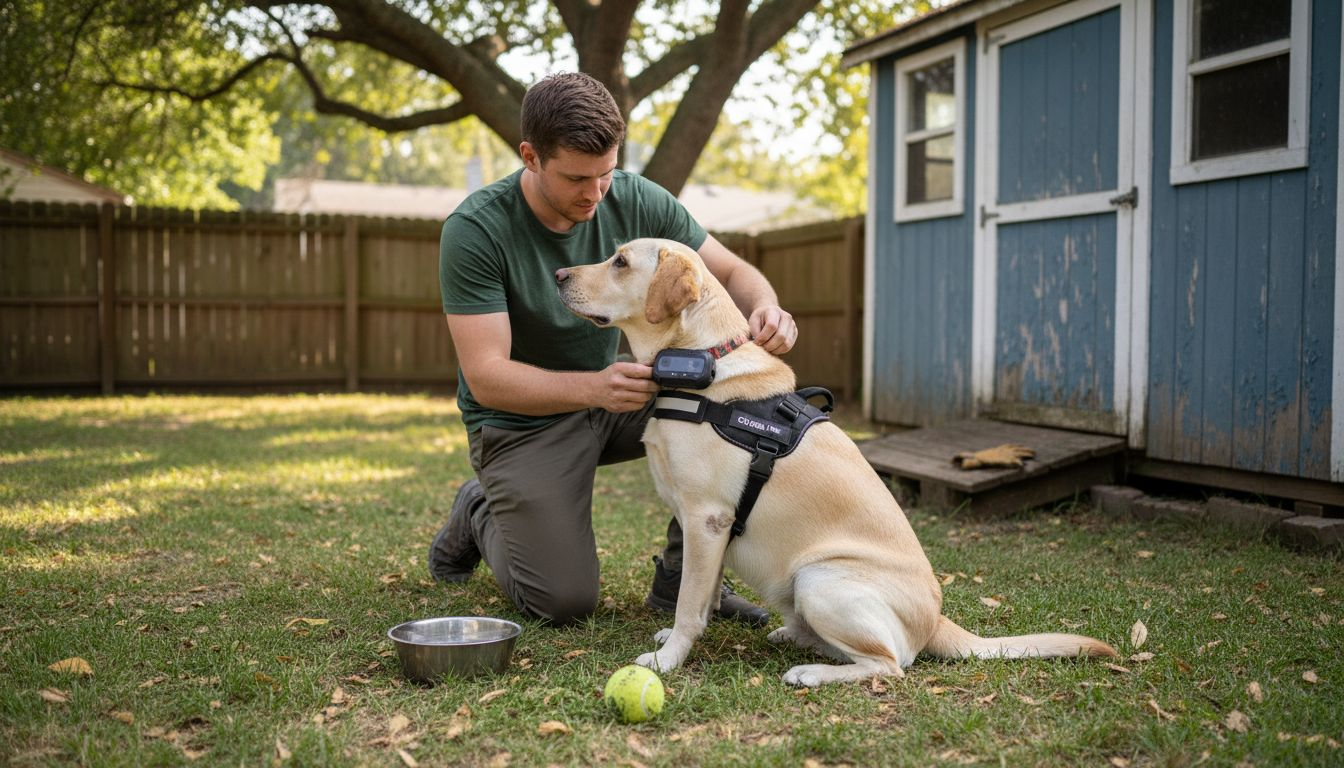
The core functionality of modern pet alert systems revolves around several key technological components:
Sensor Integration
- GPS location tracking
- Biometric health monitors
- Environmental condition sensors
- Movement and activity trackers
Communication Mechanisms
- Wireless data transmission
- Smartphone app interfaces
- Real-time notification systems
- Cloud-based data storage
Operational Principles
- Continuous background monitoring
- Automated alert generation
- Machine learning adaptive algorithms
- Multi-channel communication protocols
Advanced devices like SmartSense Pet demonstrate how sensor fusion and artificial intelligence can create sophisticated tracking systems that operate independently of traditional network infrastructures, enabling precise and reliable pet monitoring across diverse environments.
These technologies leverage sophisticated algorithms to transform raw sensor data into actionable insights, allowing dog owners to maintain constant awareness of their pet’s location, health status, and overall well-being through intuitive digital interfaces.
Pro Tip: Prioritize pet alert devices with multiple sensor types and robust communication capabilities to ensure comprehensive monitoring and quick emergency response.
Real-World Applications And User Benefits
Pet alert technologies have transformed the landscape of animal care, providing unprecedented safety and monitoring capabilities for dog owners across diverse scenarios. Advanced IoT-based systems offer comprehensive solutions for remote health tracking, behavioral surveillance, and emergency interventions, addressing critical challenges in pet management and safety.
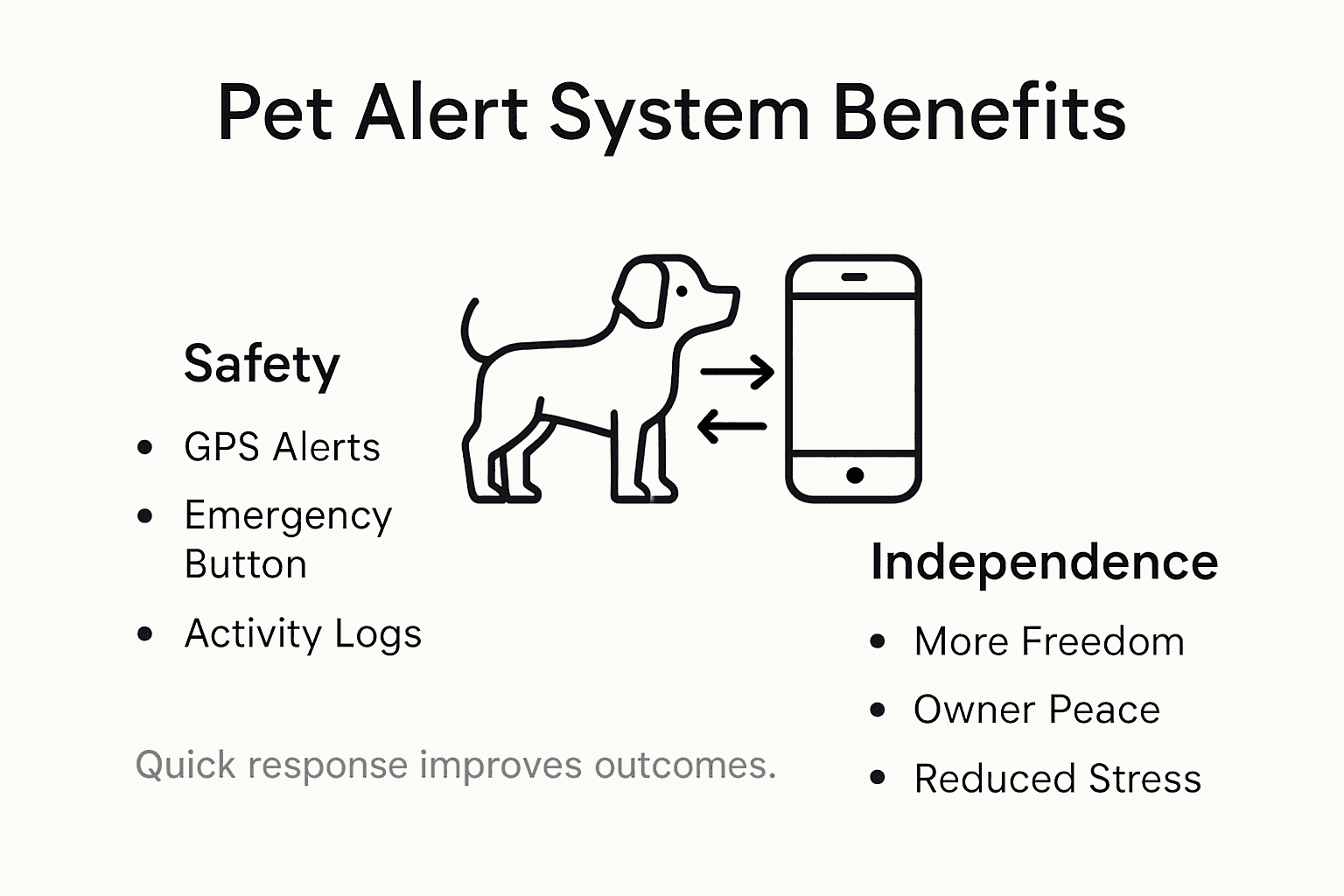
Key real-world applications span multiple critical domains:
Safety and Loss Prevention
- Tracking dogs in urban environments
- Monitoring pets during outdoor activities
- Preventing theft and unauthorized pet movement
- Rapid location recovery for lost animals
Health and Wellness Monitoring
- Early detection of potential medical issues
- Tracking activity levels and fitness metrics
- Monitoring vital signs and physiological indicators
- Providing insights for veterinary consultations
Special Needs Support
- Assistance for service dogs
- Monitoring pets with medical conditions
- Supporting elderly or disabled pet owners
- Enhancing independent living capabilities
GPS-enabled tracking systems like PETROUTE demonstrate how technology can provide real-time location alerts and comprehensive security solutions, particularly for active or outdoor dogs that may be prone to wandering.
These innovative technologies create powerful connections between pets and their owners, transforming traditional approaches to animal care by offering unprecedented levels of insight, safety, and communication.
Pro Tip: Choose pet alert devices that offer multiple tracking modes and customizable alert settings to maximize protection and peace of mind.
Risks, Safety, And Privacy Considerations
Pet alert technologies represent powerful tools for canine safety, but they simultaneously introduce complex privacy and security challenges. Emerging research reveals significant vulnerabilities in pet tech applications, highlighting critical concerns about data protection and user privacy, requiring careful user awareness and proactive security measures.
Key privacy and safety risks include:
Data Security Vulnerabilities
- Unencrypted personal information transmission
- Potential unauthorized location tracking
- Risk of user data breaches
- Insufficient consent mechanisms
Technical Security Challenges
- Weak communication protocol protections
- Inadequate device encryption standards
- Potential third-party data sharing
- Limited user control over information access
Privacy Protection Strategies
- Reviewing device privacy policies
- Using strong authentication methods
- Limiting data sharing permissions
- Regularly updating device software
Comprehensive technology surveys emphasize the critical need for robust security frameworks that protect both pet and owner sensitive information, ensuring user trust and technological reliability.
Responsible technology adoption requires understanding these risks and implementing strategic safeguards to protect personal and pet-related data across digital platforms.
Pro Tip: Always verify a pet alert device’s encryption standards and privacy policy before purchasing, prioritizing products with transparent data protection practices.
Choosing The Right Pet Alert Solution
Pet alert systems represent complex technological investments that require careful consideration of individual needs and specific use cases. Comprehensive security assessments recommend evaluating devices based on multiple critical factors including home integration, monitoring capabilities, and user experience, ensuring owners select solutions that genuinely enhance pet safety and owner peace of mind.
Key selection criteria encompass several essential dimensions:
Technical Performance Factors
- Signal range and reliability
- Battery life and charging efficiency
- Network compatibility
- GPS accuracy
- Sensor responsiveness
Functional Compatibility
- Home security system integration
- Smartphone app interface
- Cross-platform communication
- Customization options
- User accessibility features
Safety and Support Considerations
- Customer service quality
- Warranty coverage
- Firmware update frequency
- Data privacy protections
- Technical support availability
User-Specific Evaluation Metrics
- Specific pet health requirements
- Owner mobility challenges
- Living environment complexity
- Budget constraints
- Technology comfort level
Successful pet alert device selection demands a holistic approach that balances technological sophistication with practical user needs, ensuring seamless integration into daily life and comprehensive pet protection.
Below is a comparison of key factors to consider when selecting a pet alert solution:
| Selection Factor | Importance for Owners | Example Consideration |
|---|---|---|
| Technical Reliability | Prevent missed alerts | Signal strength, uptime |
| User Accessibility | Ease of daily use | App interface simplicity |
| Data Privacy | Protection from breaches | Strong encryption needed |
| Integration Capability | Fits existing smart home | System compatibility |
Pro Tip: Conduct a comprehensive personal needs assessment and request device demonstrations before making a final purchase decision to ensure optimal system compatibility.
Enhance Your Dog’s Safety and Independence with iPupPee
The article highlights the challenges of maintaining effective communication and reliable safety monitoring between dogs and their owners, especially for those with special needs or service animals. Many dog owners face pain points such as needing real-time alert systems, easy-to-use communication devices, and trustworthy emergency response tools that fit seamlessly into daily life. Concepts like two-way communication, emergency signal buttons, and real-time notifications are essential to providing dogs and handlers the independence and security they deserve.
At iPupPee, we understand these hurdles and offer a solution designed around simplicity and reliability. Our innovative alert device empowers dogs to communicate their needs with a simple button press enabling safe, immediate signaling especially for seniors, disabled users, and service dog handlers. This technology transforms how owners stay connected with their pets, addressing key issues like emergency notifications and ease of use without complex setups or intrusive monitoring.
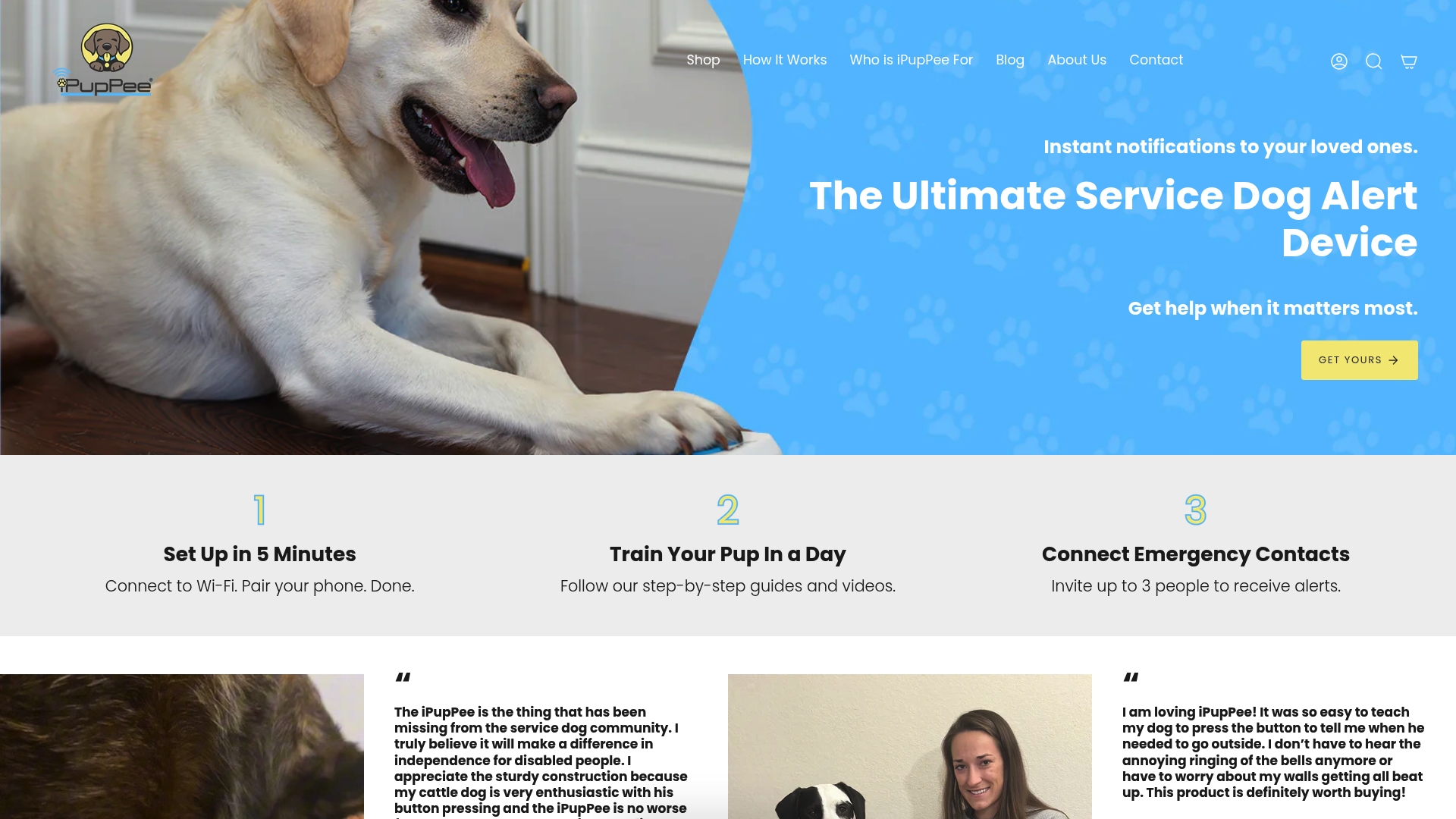
Discover how you can improve your pet’s safety and your peace of mind today by exploring the iPupPee product features and learning from real customer stories. Take action now to equip your dog with a trusted communication device that supports their independence. Visit iPupPee and start creating a safer, more connected life for you and your canine companion.
Frequently Asked Questions
What is a pet alert system?
A pet alert system is a communication technology designed to help dog owners ensure the safety and well-being of their pets through features like GPS tracking, emergency notifications, and health monitoring.
How do pet alert systems work?
Pet alert systems utilize embedded technologies such as GPS, sensors, and mobile applications to monitor pets in real-time, alert owners in emergencies, and provide insights into their health and location.
What are the main features of a pet alert system?
Key features of pet alert systems typically include real-time location tracking, geofencing, emergency button activation, health monitoring, and two-way communication interfaces to enhance interaction between pets and their owners.
What types of technology are used in pet alert systems?
Pet alert technologies encompass various domains including location and tracking technologies (like GPS-enabled collars), health and wellness monitoring devices, communication interfaces, and home monitoring systems that work together to enhance pet safety.
Recommended
- Complete Guide to Independent Living With Pets – iPupPee
- Senior Pet Safety: Keeping Aging Companions Secure – iPupPee
- Complete Guide to Pet Owner Safety Guidelines – iPupPee
- Understanding Canine Alert Systems for Everybody – iPupPee
- 7 Essential Types of Mobility Aids for Active Aging Adults – Real Healthy Haven