

TL;DR:
- Choosing small, calm breeds under 25 pounds reduces fall and injury risks for seniors. Proper walking gear like no-pull harnesses and home modifications such as secure rugs and good lighting further enhance safety. Regular vet visits and legal planning ensure senior dogs stay comfortable and their owners are protected during emergencies.
Dog safety for seniors is defined as the practice of selecting appropriate breeds, using proper equipment, and adapting the home environment to protect both the owner and the pet from injury. Seniors who own dogs report lower blood pressure, reduced loneliness, and stronger daily routines. But those benefits disappear fast when a 70-pound Labrador yanks a leash and sends someone to the emergency room. The strategies in this guide draw on 2026 research and geriatric veterinary care guidelines to give you and your caregivers a clear, practical plan.
1. What are the safest dog breeds and sizes for seniors?
Breed and size selection is the single most consequential decision in pet safety for elderly owners. 83% of falls and fractures among adults 65 and older while walking dogs involve dogs over 50 pounds. That statistic means a large, strong breed is not just inconvenient. It is a documented injury risk.
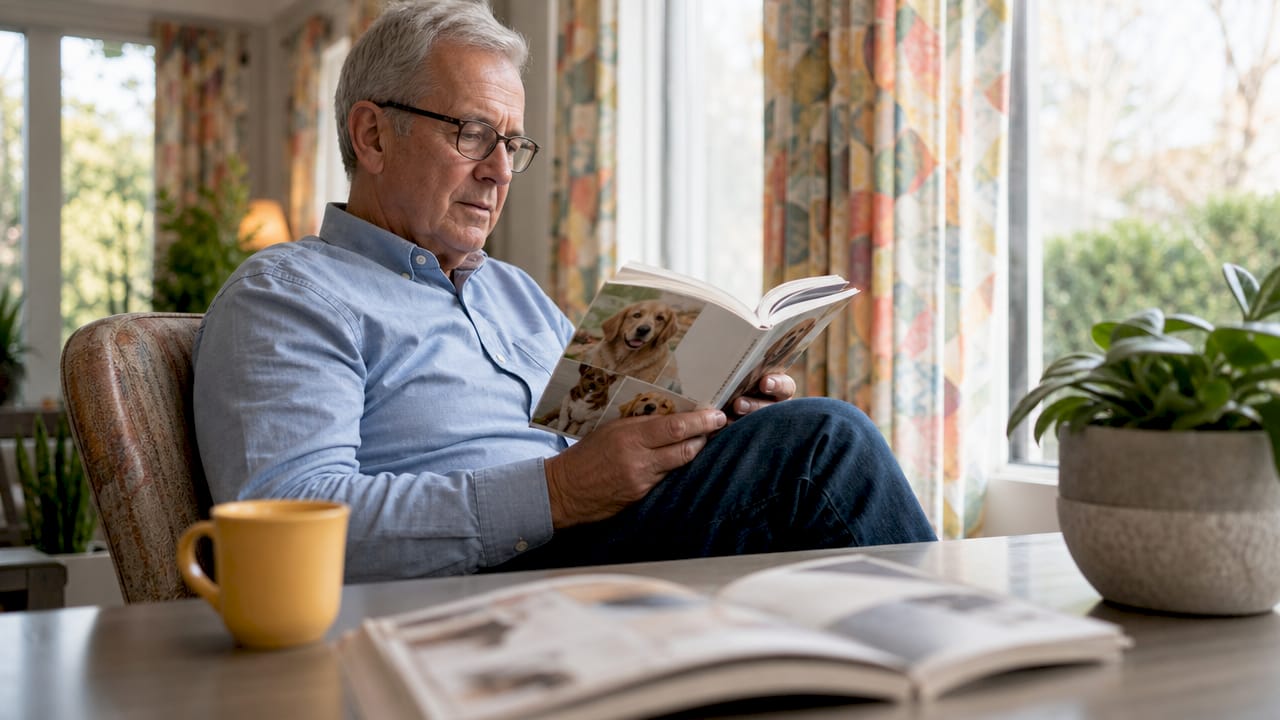
Smaller, calmer companion breeds reduce that risk significantly. Breeds like the Cavalier King Charles Spaniel, Shih Tzu, Bichon Frise, and Maltese weigh under 20 pounds and have low-to-moderate energy levels that match the pace of most senior owners. Adopting a senior dog is another strong option. Older dogs are typically house-trained, calmer, and less likely to bolt or jump.
When choosing how to pick a pet for seniors, consider these factors:
- Energy level: A dog that needs two hours of vigorous exercise daily will outlast most seniors physically.
- Temperament: Breeds with a history of gentle, predictable behavior reduce the chance of sudden lunges.
- Size and weight: Dogs under 25 pounds are far easier to control, lift in an emergency, and manage in tight spaces.
- Trainability: Breeds that respond quickly to basic commands like “sit,” “stay,” and “heel” are safer on walks.
Pro Tip: If you are set on a medium-sized breed, prioritize dog training for seniors before the dog comes home. A well-trained 35-pound dog is safer than an untrained 15-pound one.
2. What walking equipment best prevents falls for senior dog owners?
Walking gear is where dog safety for elderly owners either holds together or breaks down. Improper leash handling, including wrapping the leash around the wrist or hand, causes wrist fractures and dragging injuries. That one habit is responsible for a significant share of dog-related emergency room visits among seniors.
A no-pull harness is the most effective tool for controlling a dog without relying on physical strength. It redirects the dog’s forward momentum to the side, reducing the jerk force that reaches the handler. Standard neck collars concentrate force and give the dog mechanical advantage. A front-clip harness from brands like PetSafe or Ruffwear removes that advantage entirely.
Leash length and type matter just as much as the harness. A 4-to-6-foot non-retractable leash keeps the dog close and predictable. Retractable leashes allow the dog to build speed and distance, which multiplies the impact force when they hit the end of the line.
- Hold the leash in your dominant hand, close to your body, never looped around your wrist.
- Use a traffic handle (a short secondary grip near the dog’s back) for extra control in crowded areas.
- Wear ice cleats in winter. 1 in 4 adults 65 and older experiences a fall each year, and icy surfaces during dog walks multiply that risk.
- Choose stable, closed-toe footwear with non-slip soles for every walk, regardless of season.
Pro Tip: Practice the “stop and stand” technique. When your dog pulls, stop completely and stand still. The dog learns that pulling ends the walk, not accelerates it. This is one of the most effective leash management strategies for seniors.
3. How to dog-proof your home to prevent falls
Home modification is the most overlooked pillar of dog ownership tips for seniors. Clutter migration by pets, such as displaced rugs and scattered toys, significantly increases trip hazards in the homes of seniors. A dog that drags its bed into the hallway at 2 a.m. creates a fall risk that no leash technique can fix.
The table below compares common home hazards with their practical solutions:
| Hazard | Solution |
|---|---|
| Loose rugs and mats | Secure with non-slip rug tape or replace with anti-slip mats |
| Low food and water bowls | Raise to waist height to eliminate bending |
| Poor lighting in hallways | Install motion-sensor lights for safe nighttime navigation |
| Stairs and furniture access | Add ramps for dogs that jump, reducing collision risk |
| Pet toys in walkways | Designate a single toy basket in a corner away from traffic paths |
Raised food bowls and motion-sensor lighting are two of the simplest but most effective changes a senior dog owner can make. Raised bowls eliminate the need to bend at the waist repeatedly each day, which reduces both fall risk and back strain. Motion-sensor lights remove the need to fumble for a switch when the dog wakes you at night.
Creating a designated safe zone for the dog, such as a gated area in the living room, keeps the pet contained during high-risk moments like when you are carrying groceries or moving between rooms in the dark. The Ipuppee senior pet safety guide covers additional home adaptation strategies worth reviewing.
4. What health care practices keep senior dogs safe and comfortable?
Senior dog care requires shifting from passive ownership to proactive health monitoring. A dog that is in pain moves unpredictably, snaps without warning, and may resist handling in ways that cause falls or injuries. Catching health problems early protects both the dog and the owner.
Semi-annual veterinary checkups extend senior dogs’ lifespan by an average of 18 months, according to a 2025 Royal Veterinary College study. That is a significant return on two extra vet visits per year. Most dogs are considered seniors at age 7, though giant breeds age faster and may qualify at 5.
| Health area | What to monitor | Action |
|---|---|---|
| Joint health | Stiffness, reluctance to climb stairs | Ask vet about glucosamine or fish oil supplements |
| Cognitive function | Disorientation, changed sleep patterns | Request a cognitive assessment at checkups |
| Weight | Gradual gain or loss | Switch to a senior-specific diet formula |
| Pain response | Flinching, growling when touched | Discuss pain management options with your vet |
| Dental health | Bad breath, difficulty eating | Schedule annual dental cleanings |
Grooming sessions function as vital health checks for senior dogs. Running your hands over the dog’s body during brushing reveals lumps, tender spots, and coat changes that signal underlying problems. This daily contact also reinforces the bond between owner and dog, which has documented mental health benefits for seniors.
Pro Tip: Ask your vet about mobility aids for senior dogs, including orthopedic beds, ramps, and joint supplements. A dog that moves comfortably is a dog that behaves predictably.
Formal planning matters too. Setting up a custodial agreement for your dog before a health crisis occurs prevents emergency caregiving situations. Name a trusted person who will take the dog if you are hospitalized or unable to provide care. This protects the dog and removes a major source of anxiety for the owner.
5. Practical daily safety tips for senior dog owners
Daily routines are where senior-friendly dog activities and safe pet management intersect. The goal is to reduce physical strain and fall risk without sacrificing the quality of life that dog ownership provides.
Long-handled poop scoopers from brands like Bodhi Dog or Four Paws eliminate the need to bend at the waist during outdoor cleanup. Bending forward shifts your center of gravity and is one of the most common positions associated with falls in seniors. A 36-inch handled scooper costs under $20 and removes that risk entirely.
Automated feeders from brands like PetSafe or WOPET schedule meals precisely, which means you never have to rush to the kitchen when unsteady or tired. Rushed movement is a primary fall trigger. Removing the urgency from feeding time is a small change with a real safety payoff.
For indoor play and mental enrichment, consider these senior-friendly dog activities:
- Puzzle feeders like the Kong Classic or Outward Hound Hide-N-Slide keep dogs mentally engaged without requiring the owner to move constantly.
- Short training sessions of 5 to 10 minutes reinforce obedience and tire the dog mentally without physical exertion from the owner.
- Sniff walks at a slow pace let the dog explore by smell rather than speed, making the outing calmer and more manageable.
- Pet cameras like Furbo or Wyze allow caregivers to monitor the dog remotely, adding peace of mind without requiring physical presence.
- GPS trackers like Tractive or Fi Collar provide location data if the dog escapes, reducing the panic and physical risk of searching on foot.
Keep all pathways in the home clear of pet toys, leashes, and bowls at all times. The Ipuppee tips for safer dog ownership resource covers additional daily routines worth building into your schedule.
Key takeaways
Dog safety for seniors depends on three non-negotiable pillars: the right breed and size, proper walking equipment, and a home environment modified to eliminate fall hazards.
| Point | Details |
|---|---|
| Choose the right breed | Dogs under 25 pounds with calm temperaments reduce fall and injury risk significantly. |
| Use a no-pull harness | Front-clip harnesses from brands like PetSafe redirect force and protect senior handlers from jerking injuries. |
| Modify the home | Motion-sensor lighting, raised bowls, and secured rugs address the leading causes of pet-related falls. |
| Schedule semi-annual vet visits | Twice-yearly checkups extend senior dog lifespan and catch behavioral changes before they become safety risks. |
| Plan ahead formally | A custodial agreement protects both the dog and the owner in the event of a health emergency. |
What I’ve learned from watching seniors get this right and wrong
I have spent years reading about and writing on pet safety, and the pattern I see most often is this: seniors who get hurt with dogs almost never made one big mistake. They made five small ones at the same time. The wrong breed, a retractable leash, a loose rug by the door, and a dog that had not been to the vet in two years. Any one of those is manageable. All four together create a fall waiting to happen.
The piece of advice I find most undervalued is the custodial agreement. Nobody wants to think about it. But I have seen situations where a senior is hospitalized and the dog ends up in a shelter because no plan existed. That outcome is preventable with one conversation and one signed document.
The other thing I want to say directly: dog ownership for seniors is worth the effort. The research on loneliness, cognitive decline, and physical activity among seniors with pets is consistent and compelling. The goal is not to talk anyone out of owning a dog. The goal is to make sure the dog is an asset, not a liability. That requires preparation, not restriction.
Start with the home. Fix the rugs, raise the bowls, add the lights. Those three changes cost under $100 and address the most common hazards. Then work outward to the leash, the harness, and the vet schedule. Build the system before you need it.
— Andrew
How Ipuppee supports safer dog ownership for seniors
Ipuppee builds products and resources specifically for pet owners who need safety and communication at the center of their dog ownership experience.

The Ipuppee blog covers everything from dog-friendly senior living strategies to the latest geriatric pet care guidance, giving seniors and caregivers a single resource for practical, research-backed advice. The iPupPee alert device itself addresses one of the most pressing concerns for seniors living alone: knowing when your dog needs attention without having to be in constant physical proximity. Explore the full product line and educational resources at Ipuppee to find tools that match your specific situation.
FAQ
What dog size is safest for seniors?
Dogs under 25 pounds are the safest choice for most seniors. Research shows 83% of dog-related falls among adults 65 and older involve dogs over 50 pounds.
What leash type is best for senior dog owners?
A 4-to-6-foot non-retractable leash paired with a front-clip no-pull harness is the safest combination. Retractable leashes allow dogs to build speed and force, which increases fall risk significantly.
How often should a senior dog see the vet?
Senior dogs should have checkups every six months. A 2025 Royal Veterinary College study found that twice-yearly vet visits extend senior dog lifespan by an average of 18 months.
What home changes reduce fall risk for senior dog owners?
Securing loose rugs, raising food and water bowls to waist height, and installing motion-sensor lighting are the three highest-impact changes. These address the primary home hazards for seniors with pets.
What is a pet custodial agreement and why does it matter?
A pet custodial agreement is a formal document naming a trusted person to care for your dog if you become unable to do so. Setting one up proactively prevents emergency caregiving crises and protects the dog’s welfare.