

Yes, you can care for a pet independently. Thousands of people with disabilities across the United States do it every day, and the difference between struggling and thriving usually comes down to three things: choosing a pet that fits your actual abilities, adding one or two pieces of adaptive gear, and building a pacing system that protects your energy. The CDC recognizes that pets provide real mental health benefits including reduced stress and a stronger sense of connection, which makes finding a sustainable care routine worth the effort.
Start here:
- Match the pet to your abilities. An adult, low-energy dog or a cat is far more manageable than a high-drive puppy.
- Add one adaptive tool. An elevated feeding bowl or a hands-free leash can cut daily strain dramatically.
- Set a pacing system. A reminder app or automatic feeder takes the cognitive load off your plate.
Pro Tip: Try one change for seven days before adding another. Small, tested adjustments stick better than a full overhaul.
Key Takeaways
People with disabilities can care for pets independently by matching the pet to their abilities, using adaptive gear, and building a paced routine with automation and backup support.
| Point | Details |
|---|---|
| Match pet to your abilities | Choose adult, low-energy animals with known behavior histories to reduce daily demands. |
| Start with two tools | An elevated feeder and a hands-free leash cover the two most physically demanding daily tasks for under $100. |
| Pace chores across days | Break grooming and cleaning into daily micro-tasks to prevent fatigue flares and keep care sustainable. |
| Build a two-tier backup plan | Name a same-day helper and a multi-day caregiver, and keep written care instructions ready for both. |
| Budget for recurring costs | Use delivery subscriptions and generic medications to reduce lifting, shopping trips, and monthly expenses. |
Table of Contents
- What quick changes can you make today to reduce strain?
- How do you choose the right pet for your needs?
- How do you pace pet care chores around fatigue or pain?
- Which adaptive tools and home modifications help the most?
- How does training reduce your physical workload?
- What does a solid safety and emergency plan look like?
- Where can you find backup help and community support?
- How much does adaptive pet care actually cost?
- About the author and Ipuppee resources
- What actually matters for disabled pet owners
- Sources
What quick changes can you make today to reduce strain?
Most of the friction in daily pet care comes from bending, gripping, and lifting. Swap those movements out and the whole routine gets lighter.
- Raised feeding stations bring bowls to a comfortable height and eliminate floor-level bending. Pair them with a reachable storage container so you never have to haul a heavy bag.
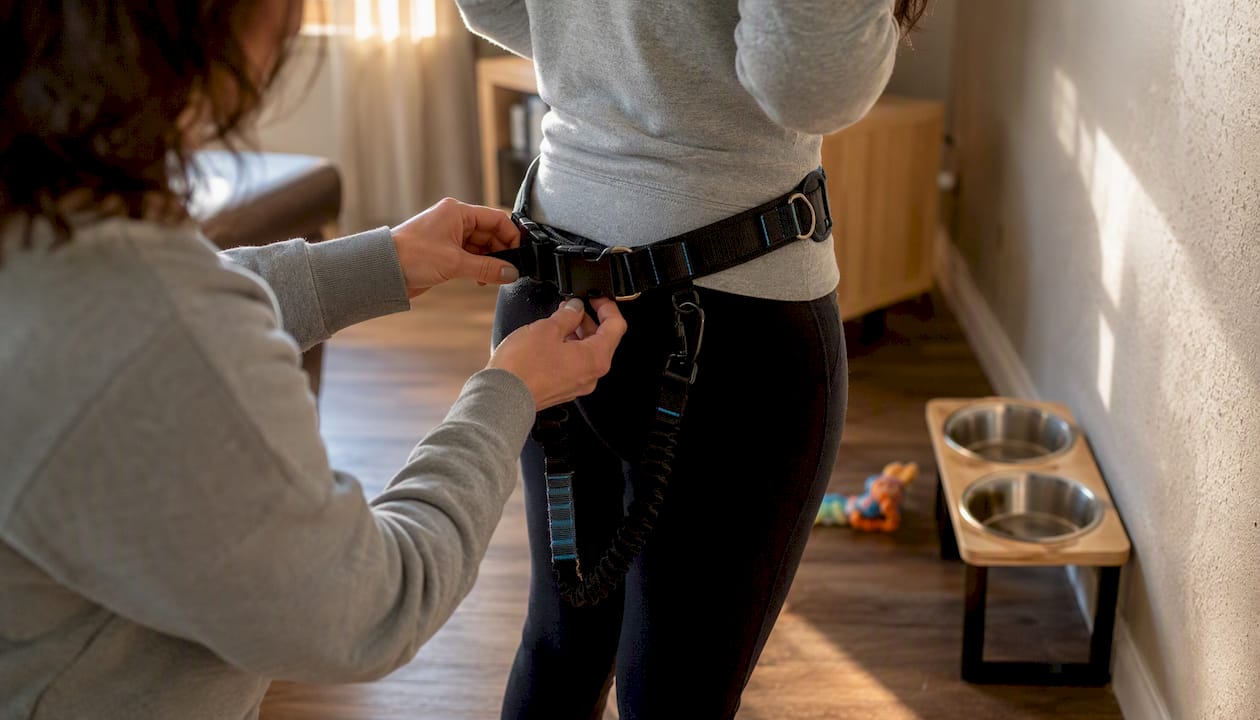
- Hands-free leashes clip to a belt or wheelchair frame, freeing both hands. Wheelchair users have adapted bicycle-style hands-free leashes by clamping them directly to the chair frame, a low-cost solution that works surprisingly well, as documented in firsthand accounts from wheelchair-using dog owners.
- Grooming gloves replace brushes and require almost no grip strength. Long-handled scoopers (30–36 inches) keep waste removal upright.
- Foam grips slide over brush handles, leash clips, or toy handles to reduce the force needed to hold them.
Delivery subscriptions for food and litter cut shopping trips entirely. Portioned storage containers mean you lift a small scoop, not a 30-pound bag.
Pro Tip: Plug an automatic feeder into a smart outlet and run a one-week trial. If it reduces your morning stress, keep it. If not, return it.
How do you choose the right pet for your needs?
The right pet makes care feel manageable. The wrong one creates a daily crisis. Ask these questions before adopting or fostering:
- Can I physically manage this animal’s exercise needs on my worst days?
- Does this pet’s grooming require frequent professional help I can afford?
- Is my home set up to contain this animal safely without constant supervision?
- Do I have backup support if I have a flare-up lasting two or more days?
Lower-effort matches: Adult cats, short-hair dogs with calm temperaments, and small animals like guinea pigs or fish tend to suit owners with limited mobility or energy. Adult animals from shelters often come with known behavior histories, which removes guesswork.
What to ask the shelter: Request vet records, a behavior summary, and information about the animal’s exercise and grooming history. Ask about a trial foster period before committing.
Red flags that signal you’ll need extra help:
- High daily exercise requirements (more than 60 minutes of active walking)
- Frequent grooming needs (double-coated or long-haired breeds)
- Escape tendencies or high prey drive
- Separation anxiety that requires constant presence
- A history of jumping on or knocking over people
How do you pace pet care chores around fatigue or pain?
The non-negotiables happen every day: food, fresh water, medication if prescribed, and a quick safety check. Everything else can be distributed across the week.
- Morning (10–15 minutes): Fill the feeder or bowl, refresh water, give any morning medications, and do a 60-second visual safety check of the space.
- Midday (5 minutes): A brief check-in, a short interaction, and a water refresh if needed. This is also a good slot for a single grooming task, one ear, one paw, not the whole animal.
- Evening (10–15 minutes): Feed again if needed, administer evening medications, and do a quick tidy of the sleeping area.
Grooming, nail trims, and deeper cleaning rotate across days, not sessions. Disabled pet owners consistently report that breaking grooming into daily micro-tasks prevents the symptom flares that come from trying to do everything at once.
Automation fills the gaps. A timed feeder handles meals when you’re in a high-pain period. A reminder app (Google Keep, Apple Reminders, or Alexa routines) covers medication and water schedules. When automation isn’t enough, a scheduled backup caregiver covers the rest.

Which adaptive tools and home modifications help the most?
Universal-design pet products are built to remove accessibility barriers permanently, not just work around them temporarily. They’re worth prioritizing over single-use gadgets.
Core categories:
- Feeding: Elevated stations (adjustable height), automatic feeders with large hoppers, gravity waterers
- Walking: Hands-free belt leashes, wheelchair frame attachments, retractable leashes with large-grip handles
- Grooming: Silicone grooming gloves, long-handled brushes, foam-grip assistive tools for standard brushes
- Waste removal: Long-handled scoopers (30–36 inches), top-entry litter boxes, pull-out tray designs, self-cleaning litter boxes
What to look for when buying: Adjustability, one-hand operation, and battery-versus-plug-in flexibility. Durable universal-design items reduce long-term strain more than cheap single-use alternatives.
Start with one or two high-impact items. An elevated feeder and a hands-free leash together cost under $100 and cover the two most physically demanding daily tasks.
Pro Tip: Before buying, check whether your state’s assistive-technology program covers pet-care tools. Contact your regional AT coordinator through the ATA’s state program directory for a free consultation.
How does training reduce your physical workload?
Four cues cut daily handling time more than any piece of gear: come, sit, stay, and settle. A dog that comes to you on command means you never have to chase, bend, or lift unnecessarily.
- Teach one cue at a time. Five-minute sessions, twice a day, are more effective than long training blocks.
- Use a clicker or a treat pouch clipped to your chair or belt so you’re not fumbling with pockets.
- Add a “lap up” or “up” cue so your dog jumps onto the couch or your lap on command, eliminating the need to lift.
- Use environmental cues: Timed feeders signal mealtime without you moving. A specific mat or bed location teaches your pet where to settle.
Wheelchair users also recommend training pets to avoid chair paths and attaching a small bell to a cat’s collar so you always know where they are. A push-button laser pointer with a lock function gives cats exercise without requiring sustained grip.
Pro Tip: Teach “settle” on a specific mat near your usual seat. Once reliable, it gives you a safe, predictable place to put your pet during high-focus tasks.
What does a solid safety and emergency plan look like?
A two-tier plan covers most situations.
Tier 1: Same-day help (illness, fatigue flare)
- One named neighbor or friend with a key and a copy of your pet’s feeding and medication schedule
- A 48-hour supply of food, water, and medications stored accessibly
Tier 2: Multi-day care (hospitalization, travel)
- A secondary caregiver with full written instructions
- Your vet’s contact, after-hours line, and nearest emergency clinic listed in one document
- Pet ID tags current, microchip registered, and vaccination records in a digital folder
Emergency checklist:
- Up-to-date ID tags and microchip registration
- Printed feeding, medication, and behavior notes for caregivers
- Pre-filled pill pockets or labeled blister packs for medications
- Compact pet first-aid kit within reach
- Telemedicine vet contact saved in your phone
Ask your vet about telemedicine options. Many practices now offer video consultations, which removes the transport barrier for routine concerns. Safety-focused adaptations like collar bells and training pets to avoid wheelchair paths also reduce daily collision risk.
Pro Tip: Do a five-minute “emergency drill” once a year: confirm your backup caregivers are still available and that your written instructions are current.
Where can you find backup help and community support?
You don’t have to manage every day alone. The goal is supervised independence: automation handles the routine, people handle the gaps.
Where to start:
- Volunteer dog-walking programs: Check with local humane societies and senior centers.
- Mutual-aid groups and neighborhood apps: Nextdoor and local Facebook groups often have neighbors willing to help with walks or supply runs.
- Pet-sitting services: Look for sitters experienced with medical or special-needs pets. Ask for references and run a paid trial visit before leaving them alone with your animal.
- National resources: The ASPCA and Humane Society of the United States maintain directories of low-cost pet services.
How to vet a backup caregiver:
- Ask for two references from previous pet-care clients.
- Do a 30-minute paid trial with you present.
- Provide a written care sheet covering feeding times, medications, behavioral notes, and emergency contacts.
- Give them a spare key and confirm they know your vet’s after-hours line.
When deciding between automation and human help: use automation for daily, predictable tasks (feeding, water, reminders) and human backup for anything that requires judgment or physical intervention.
How much does adaptive pet care actually cost?
One-time setup costs are manageable when you prioritize high-impact items first.
Budgeting tips:
- Start with the two highest-impact items (elevated feeder and hands-free leash) before buying anything else.
- Use delivery subscriptions for food and litter to avoid bulk-lifting and impulse purchases.
- Test gear with a return window before committing to expensive items.
- Ask your vet about generic medications and annual wellness plans that cap costs.
The Adaptive Pet Aids guide at Ipuppee covers specific product recommendations and installation tips that can help you spend less on trial-and-error.
About the author and Ipuppee resources
Andrew writes about pet care for disabled owners across multiple Ipuppee guides, including:
- Dog care for disabled owners: tools, tips, and techniques
- Top tips for disabled pet owners: manage, communicate, thrive
- Essential safety solutions for disabled pet owners
- Dog Safety for Disabled Owners: Essential Steps & Devices
- Complete Guide to Independent Living With Pets
Ipuppee’s core product, the iPupPee alert device, lets dogs signal their owners with a simple button press, a practical communication tool for owners who can’t always monitor their pet’s needs in real time. It’s particularly useful for service dog handlers, seniors, and anyone managing care independently.
Pro Tip: Start with the dog disability aids guide for a focused look at communication devices and hands-free tools that support independent care.
What actually matters for disabled pet owners
The conventional advice tells you to “simplify your routine.” That’s not wrong, but it misses the real point. The owners who make it work long-term aren’t the ones with the most gear or the most help. They’re the ones who stopped trying to replicate what non-disabled pet care looks like and built something that fits their actual life.
A grooming session that takes three days instead of one hour is still a grooming session. A dog that learns to jump up on command instead of being lifted is better trained, not just easier to handle. The adaptation isn’t a compromise. It’s often a better system.
The “do one task per day” approach that disabled pet owners describe isn’t a workaround. It’s genuinely less stressful for the animal too. Pets adapt to calm, predictable routines faster than they adapt to rushed, inconsistent ones.
Try one adaptation this week. Just one. See what it changes.
Sources
- Assistive Technology to Help You Care for Your Pet
- Universal Design in Pet Care Products | EZUD
- Wags and Wheels: Dog Care Tips and Products for Wheelchair Users and Disabled Pet Parents - Wheel:Life
- Caring for pets when you are disabled