

Watching your service dog slow down unexpectedly or respond differently to everyday activities can leave any handler concerned and searching for answers. For many handlers supporting individuals with disabilities, spotting subtle canine pain signals is crucial for prompt intervention and sustained partnership. This guide explores how to recognize the hidden ways dogs express pain, helping handlers better support their loyal companions through attentive care and informed communication.
Table of Contents
- What It Means When Dogs Signal Pain
- Reading Dog Body Language For Pain Cues
- Vocal And Behavioral Indicators Of Pain
- Why Handlers Miss Subtle Pain Signs
- Best Response Practices For Service Dog Handlers
Key Takeaways
| Point | Details |
|---|---|
| Pain Communication | Dogs signal pain through behavioral changes, body language, and vocalizations requiring keen observation by handlers. |
| Pain Types | Acute pain necessitates immediate attention, while chronic pain requires ongoing monitoring and management. |
| Detection Challenges | Handlers may miss subtle signs of pain due to dogs’ instinct to mask discomfort and observation biases. |
| Proactive Management | Keeping a health journal and conducting regular assessments help identify pain and inform veterinary consultations. |
What It Means When Dogs Signal Pain
Pain represents a critical communication mechanism for dogs, signaling potential injury or underlying health concerns that service dog handlers must recognize. Understanding how dogs express pain goes beyond simple physical symptoms - it involves complex neurological pain perception processes that require nuanced interpretation.
Dogs communicate pain through multiple channels, including behavioral changes, physical manifestations, and subtle body language shifts. These signals might include sudden reluctance to move, whimpering, excessive licking of specific body areas, changes in sleeping positions, unexplained aggression, or dramatic alterations in typical activity levels. Service dog handlers must develop keen observational skills to detect these often-subtle indicators, which could signify anything from minor discomfort to serious medical conditions requiring immediate veterinary intervention.
Physiologically, pain serves as a protective mechanism that prompts dogs to avoid further harm and signals potential dysfunction within their body. Clinical pain studies emphasize that recognizing both acute and chronic pain states is fundamental to maintaining an animal’s overall welfare and quality of life. For service dogs, who often work through discomfort to support their handlers, understanding their pain signals becomes even more critical to prevent potential long-term health complications.
See how acute and chronic canine pain states differ for service dog handlers:
| Pain State | Duration | Handler Urgency | Typical Response Needed |
|---|---|---|---|
| Acute Pain | Sudden, short | Immediate attention | Prompt vet evaluation |
| Chronic Pain | Persistent, long | Ongoing monitoring | Adapted management, regular care |
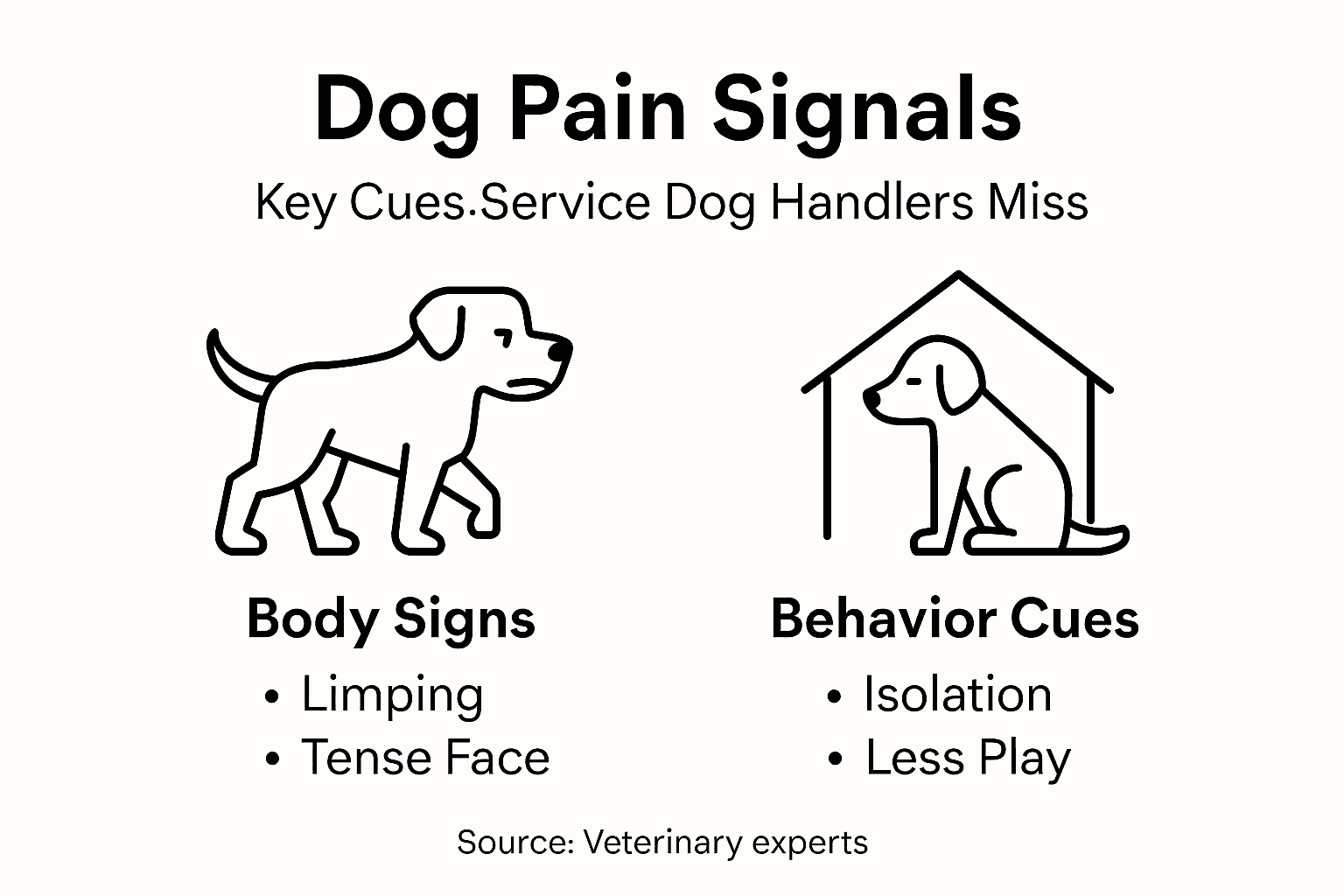
Pro tip: Establish a weekly physical examination routine with your service dog, systematically checking for any new tender spots, unusual reactions, or changes in movement patterns that might indicate developing pain.
Reading Dog Body Language for Pain Cues
Service dog handlers must develop sophisticated skills for decoding subtle pain indicators that might otherwise go unnoticed. Pain communication in dogs extends far beyond obvious signs of distress, requiring nuanced observation of behavioral and physical changes that can signal underlying health issues.
Specific body language cues can reveal a dog’s pain experience with remarkable precision. These indicators include changes in facial muscle tension, head posture, and overall body positioning. Dogs experiencing discomfort might display complex behavioral modifications such as altered gait, reluctance to be touched in certain areas, sudden mood shifts, or unexplained aggression. For service dog handlers, recognizing these subtle signals becomes crucial in maintaining their working dog’s health and preventing potential long-term complications.
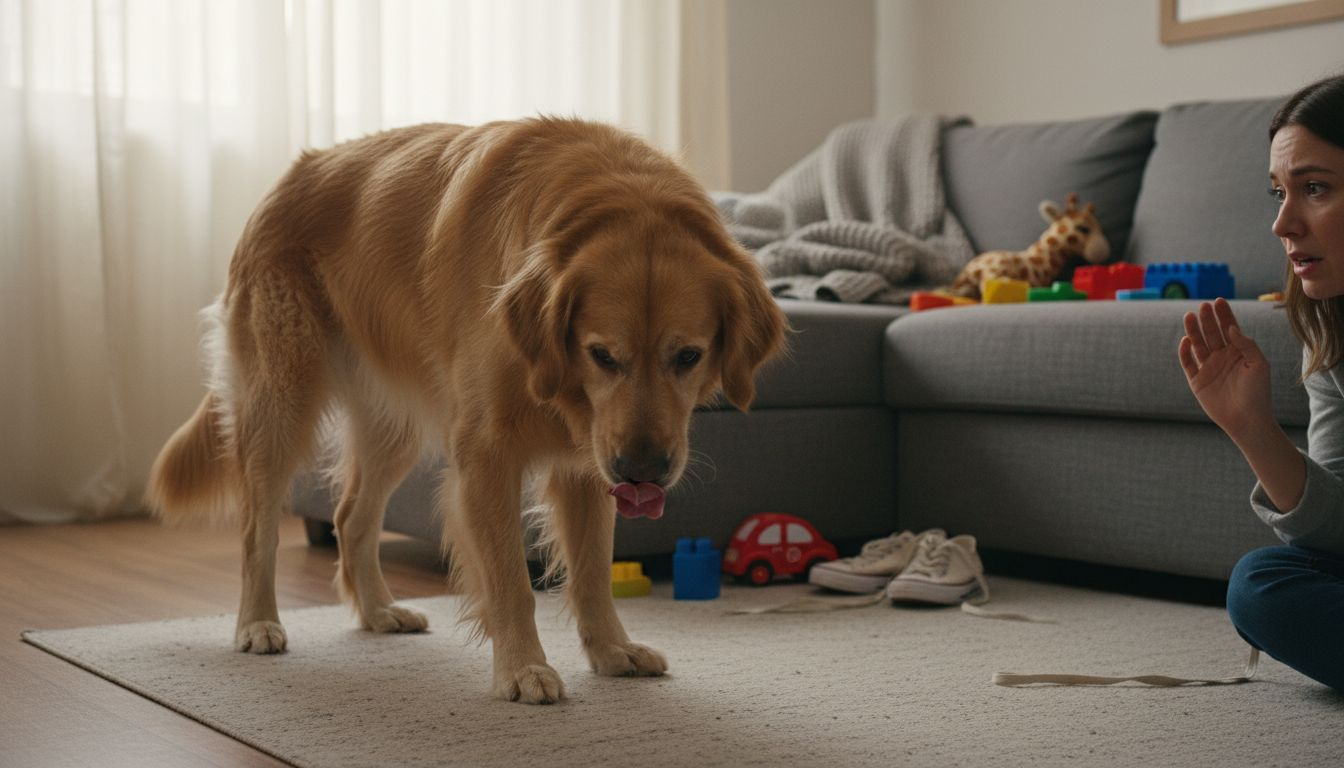
Mastering pain detection requires understanding both physical and psychological components of canine communication. Some key body language signals include pinned-back ears, whale eye (showing the white of the eye), excessive panting, trembling, decreased interaction, and changes in sleeping or resting positions. Handlers should pay special attention to context, noting whether these behaviors represent temporary discomfort or potentially serious medical conditions requiring professional veterinary assessment.
Pro tip: Create a weekly body language journal documenting your service dog’s normal behaviors, enabling you to quickly identify even minor deviations that might indicate emerging pain.
Vocal and Behavioral Indicators of Pain
Dogs communicate pain through a complex symphony of vocalizations and behavioral changes that service dog handlers must learn to interpret precisely. Canine pain communication strategies involve multiple channels of expression, ranging from subtle behavioral shifts to more pronounced vocal indicators that signal underlying discomfort or potential medical issues.
Vocal indicators represent one of the most direct ways dogs communicate pain. These include whimpering, yelping, low growling, and sudden changes in typical vocalization patterns. Behavioral modifications accompanying pain can be even more revealing, such as decreased playfulness, altered eating habits, reduced interaction with humans or other animals, and specific movement avoidance. Service dog handlers must pay close attention to these nuanced signals, recognizing that each dog may express pain differently based on their individual temperament and pain tolerance.
Some critical vocal and behavioral pain indicators service dog handlers should monitor include unexpected aggression, excessive licking or biting of specific body areas, reluctance to be touched, changes in sleeping positions, trembling, and sudden withdrawal from normal activities. Contextual understanding is key - a single symptom might not indicate pain, but a combination of signals could suggest the dog is experiencing significant discomfort that requires professional veterinary assessment.
Pro tip: Record a baseline video of your service dog’s normal movement and behavior patterns monthly, creating a personal reference that can help you quickly identify potential pain signals.
Here is a consolidated overview of pain signals and their detection methods in service dogs:
| Pain Signal Type | Example Indicators | Detection Method | Handler Challenge |
|---|---|---|---|
| Behavioral | Avoidance, aggression, withdrawal | Observational routines | Bias, underestimation |
| Body Language | Whale eye, pinned-back ears | Contextual behavior journaling | Requires nuanced interpretation |
| Vocalization | Whimpering, growling, yelping | Audio/video recording analysis | Individual variation |
| Physical Manifestation | Licking, posture change, trembling | Structured physical exams | Minor signs easily missed |
Why Handlers Miss Subtle Pain Signs
Service dog handlers frequently miss subtle pain signs due to complex psychological and observational barriers that can significantly compromise their dog’s health and well-being. Observation biases significantly impact pain recognition, creating a challenging environment for accurate health assessment.
One primary reason handlers overlook pain stems from dogs’ remarkable ability to mask discomfort. Many dogs have evolved to hide pain as a survival mechanism, presenting a stoic demeanor that can deceive even experienced handlers. Owners often misinterpret behavioral variations as normal mood changes rather than potential pain indicators, leading to delayed medical intervention. This misinterpretation can be particularly dangerous for service dogs, who are trained to work through discomfort and maintain high performance levels.
Professional handlers and owners alike struggle with pain detection due to several key factors. These include limited pain behavior training, insufficient understanding of canine physiology, confirmation bias, and the complex nature of chronic pain manifestation. Dogs may display pain through subtle changes like slight posture modifications, minimal movement restrictions, or almost imperceptible behavioral shifts that require extremely keen observation skills. Without specialized training and consistent monitoring, these nuanced signals can easily go unnoticed, potentially allowing underlying medical conditions to progress unchecked.
Pro tip: Develop a monthly comprehensive physical and behavioral assessment routine that includes systematic documentation of your service dog’s normal movements, responses, and interaction patterns.
Best Response Practices for Service Dog Handlers
Service dog handlers must develop a comprehensive and proactive approach to managing their dog’s potential pain signals, focusing on early detection and responsive intervention. Effective handler response strategies require a systematic and compassionate methodology that prioritizes the dog’s health and well-being.
A critical first step involves maintaining meticulous documentation and observation of the dog’s typical behaviors, movements, and physical responses. This baseline understanding enables handlers to quickly recognize even subtle deviations that might indicate pain or discomfort. Multimodal pain management techniques should include not just medical interventions, but also environmental modifications and carefully adjusted handling techniques that minimize potential stress or additional pain.
Professional handlers must cultivate a holistic approach that integrates veterinary consultation, targeted training, and continuous learning. This includes developing skills to distinguish between normal behavioral variations and potential pain indicators, understanding the nuanced ways dogs communicate discomfort, and maintaining open communication with veterinary professionals. Handlers should be prepared to adjust the dog’s workload, modify training approaches, and implement recommended pain management protocols that support the dog’s ongoing health and operational effectiveness.
Pro tip: Create a digital health journal tracking your service dog’s daily activities, physical responses, and any observed changes, which can provide valuable insights during veterinary consultations.
Enhancing Pain Communication Between Service Dogs and Handlers
Recognizing subtle pain signals in service dogs is crucial but often challenging due to complex behavioral cues and individual variations. This article highlights the difficulties handlers face when their dogs mask discomfort and the importance of keen observation to protect their companion’s well-being. If you want to bridge the communication gap and respond effectively to your service dog’s needs, innovative solutions are available to support this vital connection.

Explore how the iPupPee communication device empowers service dog handlers by enabling a clear, simple way for dogs to alert their humans when something feels wrong. This tool complements your observation skills by providing a direct signal that could indicate pain or distress before it escalates. Take control of your service dog’s health with features designed for safety and independence. Visit https://ipuppee.com today to learn more and start building a stronger communication bond that ensures your dog gets help promptly when it matters most.
Frequently Asked Questions
How can I tell if my service dog is in pain?
Look for changes in behavior, body language, and vocalizations. Signs may include reluctance to move, excessive licking of specific areas, whining, or changes in sleep positions. Observational skills are crucial to detect these subtle indicators.
What are the common vocal indicators that my dog might be in pain?
Vocal indicators include whimpering, yelping, low growling, and changes in typical vocalization patterns. These sounds can signal discomfort and should be monitored closely.
How can I create a routine to monitor my service dog’s pain signals?
Establish a weekly physical examination routine along with a body language journal to document normal behavior, helping you easily identify any deviations that may indicate pain.
Why might I overlook my service dog’s pain signs?
Handlers often miss pain signals due to a dog’s ability to mask discomfort, observational biases, and a lack of understanding of canine physiology. Regular training and documentation of behaviors can help improve detection.