

Choosing the right communication device for your service dog isn’t just about technology. It’s about reclaiming independence and deepening the bond that keeps you safe every single day. For disabled pet owners, the stakes are high when miscommunication could mean delayed assistance or missed emergency alerts. This guide walks you through proven selection criteria, device comparisons, and situational picks designed specifically for your wellbeing and autonomy.
Table of Contents
- Selection Criteria For Dog Communication Devices
- Innovative Communication Devices: The ipuppee
- Comparison Of Leading Communication Devices
- Training And Implementation Guidance
- Wellbeing Impact Of Communication Devices
- Cost And Accessibility Considerations
- Situational Picks: Best Devices For Specific Needs
- Explore ipuppee’s Innovative Dog Communication Technology
- Frequently Asked Questions
Key takeaways
| Point | Details |
|---|---|
| Selection priorities | Ease of use is the top priority for 92% of users; durability is critical for 87%, making these factors essential in device choice. |
| iPupPee performance | iPupPee offers activation under 2 seconds and 40% faster emergency alerting than traditional methods for disabled owners. |
| Training success rate | 85% training success within 4 weeks using consistent practice and positive reinforcement reduces dog stress. |
| Wellbeing improvements | 65% of owners report increased safety and independence; 70% report stronger emotional bonds after adopting communication devices. |
| Cost and value | Premium devices range $150 to $300 while budget models under $100 offer essential features with varying durability and warranty coverage. |
Selection criteria for dog communication devices
When you’re evaluating communication devices for your service dog, understanding what truly matters saves frustration and money. The importance of pet communication for safety becomes clear when you prioritize features that match your disability and lifestyle needs.
Ease of use tops the list because activation challenges compound disability barriers. You need a device your dog can trigger reliably under stress without complex sequences. Single-button designs eliminate confusion during emergencies when seconds count. Your device should respond instantly to your dog’s input, creating a seamless communication loop that builds trust.
Durability matters because service dogs lead active lives. Outdoor adventures, weather exposure, and daily wear demand rugged construction. Look for water resistance ratings like IP67 and impact-resistant materials that survive drops and rough play. A device that breaks after two months wastes your investment and disrupts trained behaviors.
Training support separates frustrating purchases from successful partnerships. The best manufacturers provide step-by-step guides, video tutorials, and responsive customer support. Without proper guidance, you and your dog may struggle to establish consistent communication patterns. Devices with proven training protocols reduce your learning curve and boost confidence.
Battery life impacts daily usability more than most owners expect. Frequent charging adds maintenance burden and creates risk if the device dies during critical moments. Aim for devices offering at least two weeks between charges, though premium models now reach 30 days. Consider rechargeable versus replaceable batteries based on your dexterity and mobility.
Pro Tip: Match device weight to your dog’s size and comfort. Devices under 100 grams work well for most breeds without causing fatigue or distraction during extended wear.
Accessibility features cater to specific disabilities and should guide your final choice. Voice confirmation, tactile feedback, and adjustable alert volumes accommodate hearing or vision impairments. Mounting options for wheelchairs or mobility aids ensure you maintain control regardless of your physical challenges. Your device becomes an extension of your partnership, not an obstacle.
Innovative communication devices: the iPupPee
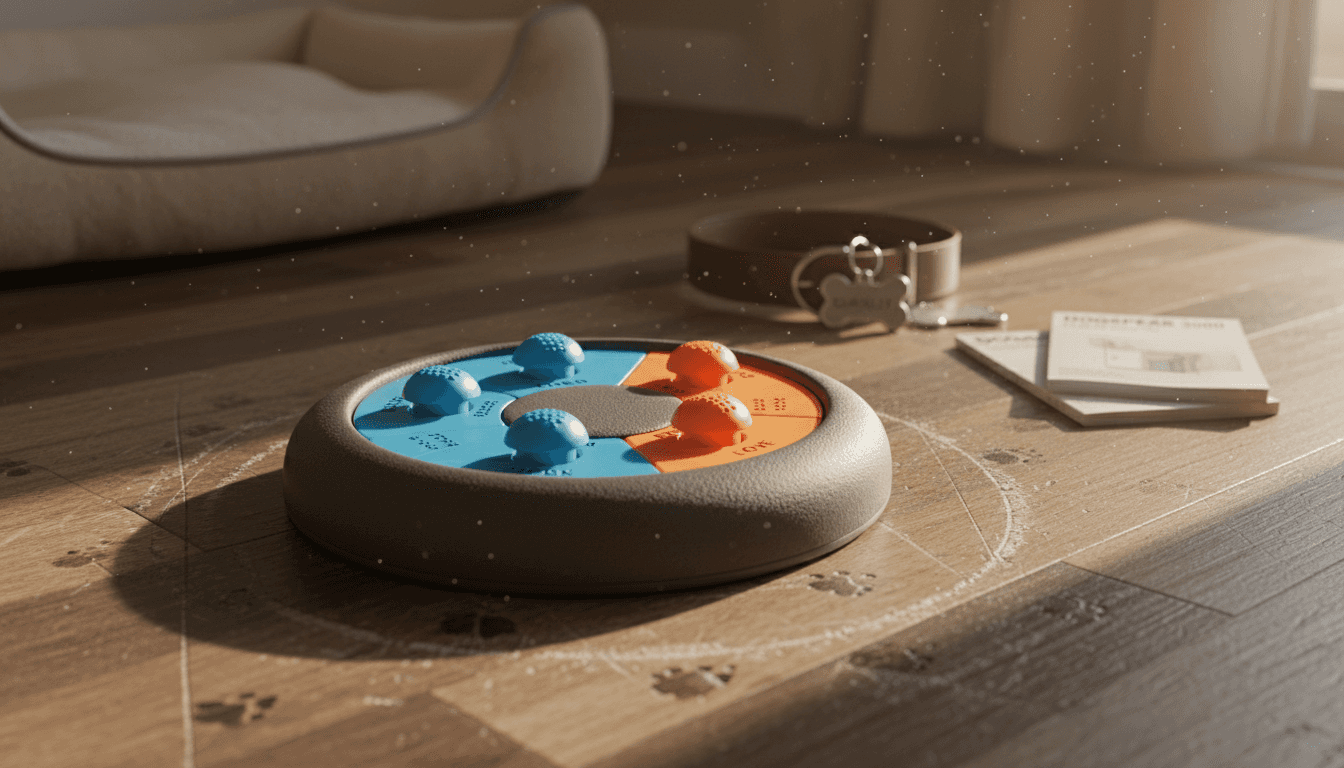
The iPupPee device stands out in the communication technology landscape by addressing core priorities disabled owners face daily. Its single-button interface removes complexity that frustrates both handlers and dogs during high-stress situations. You don’t need fine motor skills to activate or manage the device, making it accessible across disability types.
Weighing under 100 grams, portability becomes a non-issue whether you’re navigating crowded spaces or outdoor environments. The lightweight design prevents fatigue for smaller service dogs while remaining durable enough for larger, more active breeds. Training your dog to use iPupPee typically takes less time than competitor devices due to the intuitive button press mechanism.
Response speed defines emergency effectiveness, and iPupPee delivers measurable advantages. Studies confirm that iPupPee offers activation under 2 seconds and 40% faster emergency alerting compared to traditional call buttons or complex alert systems. Those seconds matter when you need medication, assistance during a fall, or immediate help with a medical episode.
Real users report transformative safety improvements and emotional benefits. One wheelchair user shared, “My independence doubled overnight. Knowing my dog can summon help instantly removed the constant anxiety that shadowed every moment alone.” The emotional bonding strengthens as communication becomes clearer and more reliable, reducing frustration for both partners.
Durability testing shows the device withstands typical service dog activities without performance degradation. Weather-resistant construction handles rain, snow, and humidity that plague electronic devices. The rechargeable battery eliminates the hassle of constant replacements while maintaining consistent alert strength throughout the charge cycle.
Pro Tip: Start iPupPee training in low-distraction environments before progressing to busy public spaces. This builds your dog’s confidence and creates muscle memory for reliable activation under any condition.
Customizable alert tones allow you to assign different sounds for various needs, from bathroom breaks to medical emergencies. This flexibility grows with your partnership as you identify new communication requirements. The device adapts to your evolving needs rather than locking you into preset limitations.
Comparison of leading communication devices
Understanding how top devices stack up helps you make informed decisions based on your specific priorities and budget constraints. The market offers several solid options beyond iPupPee, each with distinct advantages for different user profiles.
| Device | Battery Life | Weight | Water Resistance | Price Range | Key Feature |
|---|---|---|---|---|---|
| iPupPee | 30 days | 85g | IP67 | $199-$249 | Fastest response time |
| PawAlert Pro | 20 days | 120g | IP65 | $179-$219 | Multiple alert tones |
| CanineCom Basic | 15 days | 95g | Not rated | $89-$119 | Budget-friendly |
| ServiceLink Elite | 25 days | 110g | IP68 | $269-$299 | Advanced customization |
Battery performance creates the widest variation among devices. The iPupPee outperforms competitors with 30-day battery life and superior portability, reducing maintenance burden significantly. You spend less time monitoring charge levels and more time focusing on your partnership and daily activities.
Price differences reflect feature depth and build quality rather than basic functionality. Budget models sacrifice durability and advanced alerts but deliver core communication capabilities. Mid-range options balance affordability with reliability, while premium devices offer extensive customization and superior materials.
Water resistance ratings determine outdoor versatility and longevity. IP67-rated devices survive temporary water immersion, protecting against rain and accidental drops in puddles. IP68 ratings add depth and duration tolerance for owners with dogs trained for water-based assistance tasks. Non-rated devices require careful protection during wet conditions.
Weight variations seem minor on paper but compound over hours of wear. Service dogs wearing lighter devices show less distraction and maintain better focus during extended public outings. Consider your dog’s size, strength, and stamina when evaluating weight specifications alongside your own handling preferences.
Alert customization ranges from basic single-tone systems to sophisticated multi-alert platforms. Dog alert device safety information emphasizes matching complexity to your cognitive load and emergency response needs. More options aren’t always better if they create confusion during critical moments.
Training and implementation guidance
Successful device adoption depends more on consistent training than expensive technology. Your commitment to daily practice sessions determines whether the device becomes a reliable communication tool or an unused gadget collecting dust.
The proven timeline follows a structured four-week progression:
- Week one focuses on basic button recognition and positive associations through treats and praise whenever your dog interacts with the device.
- Week two introduces intentional activation with rewards only for deliberate button presses, not accidental contact.
- Week three builds context by practicing during actual need scenarios like bathroom breaks or meal times.
- Week four reinforces reliability under distractions, testing activation in varied environments and stress levels.
Research confirms that 85% training success within 4 weeks happens when you combine consistent practice schedules with positive reinforcement techniques. Punishment or frustration during training creates anxiety that undermines long-term success. Your dog needs to view device activation as rewarding, not stressful.
Service dogs and companion animals require slightly different approaches despite similar timelines. Service dogs often learn faster due to existing task training foundation and higher motivation for handler interaction. Companion dogs need extra emphasis on distinguishing true needs from attention-seeking behavior.
Consistency builds the neural pathways that make activation automatic under pressure. Training your dog with communication devices works best when you practice at the same times daily, use identical verbal cues, and maintain uniform reward schedules. Irregular training confuses dogs and extends the learning curve unnecessarily.
Pro Tip: Record your training sessions on video to identify subtle communication patterns you might miss in the moment. Review footage helps you spot early signs of confusion or breakthrough understanding.
Monitoring progress requires objective measurement beyond subjective feelings. Track successful activations versus total opportunities each day. Calculate accuracy percentages and watch for consistent improvement trends. Plateaus signal the need for technique adjustments or environment changes rather than device problems.
Wellbeing impact of communication devices
The emotional and practical benefits of reliable dog communication extend far beyond simple convenience. These devices fundamentally reshape the disabled owner experience by addressing core anxieties that limit independence and quality of life.
Safety improvements rank as the most immediate benefit users report. The 65% of owners report increased safety and independence statistic reflects reduced emergency response times and fewer missed critical alerts. You gain confidence tackling daily activities that previously felt risky or impossible without constant human assistance nearby.
Dogs show measurable stress reduction when communication pathways become clear and consistent. Anxiety behaviors like pacing, whining, or destructive actions decrease as your dog gains reliable methods to express needs. The partnership becomes less frustrating for both parties when ambiguity disappears from your interactions.
Ownership confidence transforms your approach to independence and social engagement. One user described the shift: “I stopped declining invitations because I worried about emergencies. My dog and I became a truly self-sufficient team, opening doors I’d closed years ago.” This psychological freedom carries health benefits beyond the obvious safety improvements.
Emotional bonding deepens when communication succeeds consistently. The 70% report stronger emotional bonds finding reflects how shared understanding builds trust and affection. You appreciate your dog’s intelligence more fully when their attempts to help you succeed reliably rather than creating mutual frustration.
Caregiver stress reduction benefits your entire support network. Family members worry less when they know you have reliable emergency communication backup. This peace of mind improves relationship quality and reduces the burden caregivers feel about your safety during their absence.
Pro Tip: Document your wellbeing improvements through journaling or mood tracking apps. Concrete evidence of positive changes motivates continued device use and training refinement during challenging adjustment periods.
The benefits of dog communication technology compound over time as you discover new applications beyond initial emergency scenarios. Many owners find their devices enable subtle quality-of-life communications that seemed impossible before adoption.
Cost and accessibility considerations
Navigating the financial landscape of communication devices requires balancing upfront investment against long-term value and your specific budget constraints. Smart purchasing decisions account for total ownership costs beyond the initial price tag.
Premium devices ranging $150 to $300 offer superior durability, longer battery life, and comprehensive warranty coverage. These investments pay off for owners planning extensive daily use or those in challenging environments where device failure carries serious consequences. The extra cost buys peace of mind through proven reliability.
Budget models under $100 provide entry points for cost-conscious buyers or those testing device viability before committing to premium options. You sacrifice some durability and advanced features but gain basic communication capabilities that transform daily life. Consider these as stepping stones rather than permanent solutions.
Warranty coverage typically extends one year but varies significantly by manufacturer and price point. Premium devices often include extended coverage options or replacement guarantees that budget models lack. Read warranty terms carefully, noting what constitutes normal wear versus defect coverage and whether shipping costs fall on you.
Durability affects long-term value more than initial price differences suggest. A $250 device lasting five years with minimal maintenance costs less annually than a $100 device requiring replacement every 18 months. Factor your dog’s activity level and environmental exposure into durability calculations.
Accessibility extends beyond device features to purchasing and support channels. Specialized vendors understand disabled owner needs and offer consultation services, trial periods, and responsive customer support. Understanding dog alert device advantages through expert guidance prevents costly mismatches between device capabilities and your requirements.
Matching device investment to your lifestyle and needs prevents overspending on unused features or underspending on critical capabilities. An outdoor enthusiast needs water resistance worth the premium cost, while someone primarily indoors might prioritize battery life over environmental protection.
Situational picks: best devices for specific needs
Tailoring device selection to your specific disability challenges and lifestyle patterns ensures you get maximum value from your investment. Different scenarios demand different device strengths.
Emergency alerting situations require the fastest possible response times and highest reliability. iPupPee’s sub-two-second activation and proven emergency performance make it the top choice when medical conditions or fall risks create urgent communication needs. The premium price justifies itself through potentially life-saving speed advantages.
Budget-conscious buyers balancing cost against functionality should consider mid-range models offering essential features without premium pricing. CanineCom Basic delivers reliable communication for straightforward needs without complex customization or extreme durability requirements. You get solid performance that fits tighter financial constraints.
Outdoor active owners and their dogs need water-resistant, rugged construction that survives varied weather and terrain. ServiceLink Elite’s IP68 rating handles submersion and impact better than competitors, protecting your investment during hiking, camping, or water-based activities. The durability premium pays dividends through extended device lifespan.
Elderly owners benefit most from simple, single-button interfaces requiring minimal technical knowledge or dexterity. Devices suited for elderly disabled owners prioritize intuitive operation over feature depth, reducing cognitive load and learning curves. iPupPee’s straightforward design excels in this category.
Multi-alert customization serves owners with complex communication needs spanning medical emergencies, daily assistance tasks, and emotional support requests. PawAlert Pro’s diverse tone options let you assign specific meanings to different alerts, creating nuanced communication impossible with single-alert systems. The added complexity suits users comfortable with technology.
Explore iPupPee’s innovative dog communication technology
Your journey toward enhanced independence and safety doesn’t end with research. iPupPee offers the practical solutions this guide recommends, designed specifically for disabled owners seeking reliable dog communication technology that transforms daily life.
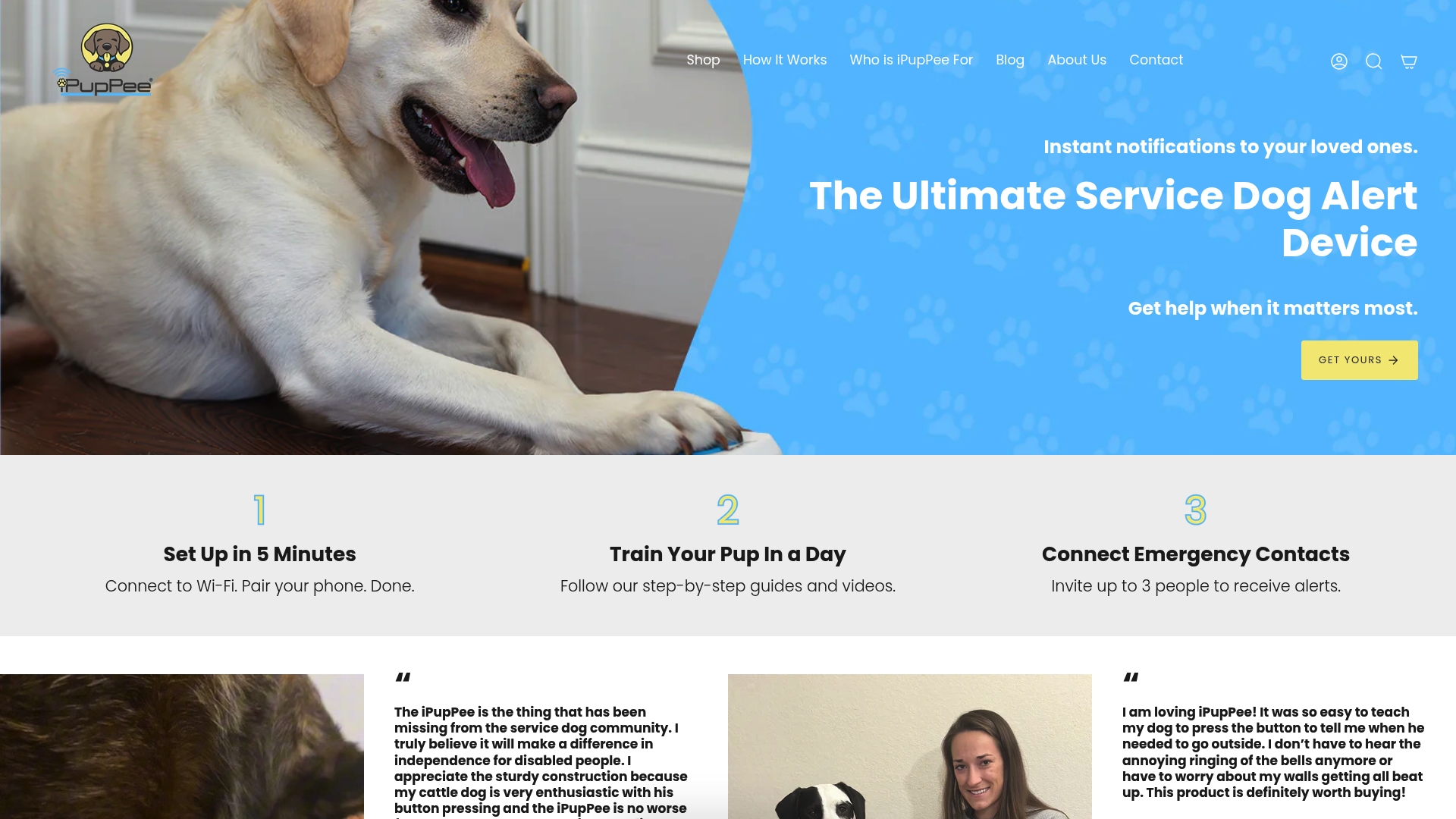
Our devices combine the fastest response times, longest battery life, and most intuitive interfaces available in 2026. You get proven technology backed by dog communication training resources that ensure successful adoption and long-term satisfaction. Every feature reflects real user feedback from disabled owners like you.
Comprehensive training guides walk you and your dog through each implementation stage, from initial introduction to advanced multi-scenario communication. You’re never alone in the process. Our support team understands the unique challenges you face and provides personalized assistance whenever questions arise.
Visit iPupPee today to explore our complete product line, read detailed specifications, and connect with our community of users who’ve already transformed their independence through better communication. Your partnership with your service dog deserves technology that works as hard as you both do.
Frequently asked questions
What are dog communication devices and how do they help disabled owners?
Dog communication devices are electronic tools that enable your dog to signal urgent needs, requests, or alerts through simple button activation. They create a reliable communication bridge that compensates for disability challenges, improving your safety by ensuring your dog can summon help or notify you of critical situations instantly. These devices transform your service dog partnership from guesswork into clear, consistent interaction.
How long does it take to train dogs to use communication devices?
With daily practice sessions, 85% of dogs learn to use devices within 4 weeks following structured training protocols. Consistent positive reinforcement accelerates learning by creating strong associations between button activation and rewarding outcomes. Your commitment to regular practice matters more than your dog’s age or prior training experience in determining success speed.
Are dog communication devices suitable for all disabilities?
Devices vary significantly in ease of use, accessibility features, and interface design to accommodate different disability types. You should assess your specific needs including dexterity requirements, sensory capabilities, and cognitive load tolerance before purchasing. Consultation with device manufacturers or disability specialists helps identify the best match for your unique situation and ensures you invest in technology you can actually use effectively.
What is the typical cost and warranty coverage for these devices?
Premium communication devices usually cost between $150 and $300 with manufacturer warranties covering roughly one year against defects and malfunctions. Basic models offer lower entry prices under $100 but typically provide fewer features, shorter warranties, and less durable construction. Extended warranty options may be available for premium devices, adding protection beyond the standard coverage period for additional cost.