

Over 80 percent of disabled American dog owners report that finding effective communication tools is a major challenge when training service animals. For individuals worldwide who rely on canine partners for daily independence, smooth interaction is vital to safety and confidence. This guide unveils practical training strategies and highlights the newest devices like iPupPee, making it easier to create clear, reliable connections with your dog regardless of your personal abilities.
Table of Contents
- Choosing Assistive Devices For Dog Communication
- Adapting Commands For Different Abilities
- Positive Reinforcement For Reliable Response
- Using Visual Signals And Cues Effectively
- Training For Emergency Situations
- Building Independence With Smart Technology
- Creating Consistent Daily Routines
Quick Summary
| Key Message | Explanation |
|---|---|
| 1. Use Assistive Devices Effectively | Choose communication tools that match your mobility and your dog’s training level for better interactions. |
| 2. Adapt Commands for Individual Abilities | Customize training commands to suit your unique physical and sensory capabilities, enhancing communication with your dog. |
| 3. Implement Positive Reinforcement | Utilize a consistent reward system to encourage desired behaviors and strengthen the bond between you and your dog. |
| 4. Employ Visual Signals for Communication | Develop and practice distinct visual cues for effective non-verbal communication with your dog, tailored to your strengths. |
| 5. Establish a Consistent Daily Routine | Create a structured daily schedule to help your dog understand their roles, improving their support and responsiveness. |
1. Choosing Assistive Devices for Dog Communication
For disabled dog owners, communication with your canine companion is far more than a convenience it is a critical pathway to independence and safety. Modern assistive devices are revolutionizing how disabled handlers interact with their service and companion dogs, transforming traditional training approaches through innovative technology.
Recent global studies have shown remarkable advancements in dog communication technologies that enable dogs to convey complex needs beyond standard voice commands. These devices leverage augmentative communication tools such as button boards, electronic signaling systems, and adaptive training interfaces that help dogs express themselves more precisely.
The most effective assistive devices focus on creating clear, reliable communication channels. This might include visual alert systems, vibration devices, sound buttons programmed with specific commands, or digital interfaces that translate dog signals into human comprehensible formats. For example, some advanced systems allow dogs to press buttons corresponding to specific needs like “outside,” “water,” or “help.”
When selecting communication devices, disabled owners should consider factors like their specific mobility limitations, the dog’s existing training level, and the device’s durability and ease of use. Compatibility with existing assistive technologies and the potential for customization are also crucial considerations.
Training is equally important as the device itself. Successful implementation requires patience, consistent practice, and positive reinforcement techniques that help both the dog and owner understand and utilize the communication tool effectively.
Pro tip: Start with simple, single-purpose communication buttons and gradually expand your dog’s communication vocabulary as they become more comfortable with the technology.
2. Adapting Commands for Different Abilities
Dog training for disabled owners requires a personalized approach that transforms traditional communication methods into accessible strategies tailored to individual capabilities. Not every handler can use standard verbal or physical commands, which means reimagining how dogs and humans interact.
Professional training guides for handlers with disabilities emphasize the critical importance of matching communication techniques to the owner’s specific physical and sensory abilities. This means developing alternative command systems that might include hand signals, vibration cues, visual indicators, or assistive technology interfaces.
Successful adaptation involves understanding your unique communication strengths. For individuals with limited mobility, this could mean developing precise hand gestures that require minimal movement. Those with hearing impairments might rely on visual signals like pointed fingers, specific body positions, or electronic wearable devices that provide tactile feedback.
Key considerations for adapting commands include:
Simplify Commands • Use fewer words or signals • Focus on clear, distinct gestures • Minimize complex multi step instructions
Leverage Technology • Explore electronic communication devices • Use vibration based training tools • Implement visual or digital signaling systems
Positive reinforcement remains crucial during this process. Rewarding your dog for correctly interpreting alternative commands builds confidence and strengthens your communication bond. Patience and consistent practice help both you and your dog develop a nuanced understanding of your unique interaction style.
Pro tip: Practice new communication methods in low distraction environments and gradually increase complexity as both you and your dog become more comfortable with the adapted training approach.
3. Positive Reinforcement for Reliable Response
Positive reinforcement is the cornerstone of effective dog training for disabled handlers and service dogs. This approach creates a powerful motivation system that builds trust and ensures consistent task performance through reward based learning.
Dog training techniques for people with disabilities demonstrate that rewards go far beyond simple treats. They represent a communication pathway that strengthens the bond between handler and dog while teaching reliable response skills.
For disabled owners, positive reinforcement means developing a nuanced reward system that matches their specific abilities and the dog’s unique learning style. This could involve multiple types of rewards:
Physical Rewards • Gentle petting • Soft verbal praise • Quick play sessions
Alternative Rewards • Tactile signals • Electronic praise devices • Visual acknowledgment
The key is consistency and immediate recognition. Your dog needs to understand exactly which behavior earned the reward. This means delivering positive feedback within seconds of the desired action occurring.
Additionally, positive reinforcement helps manage potential frustration points. When training becomes challenging, rewards maintain motivation and prevent both handler and dog from becoming discouraged. By focusing on what goes right instead of punishing mistakes, you create a supportive learning environment.
Pro tip: Create a personalized reward chart that tracks your dog’s progress and matches rewards to specific achievements, helping you both stay motivated and engaged in the training process.
4. Using Visual Signals and Cues Effectively
Visual communication represents a powerful alternative for disabled dog handlers who may have limited verbal command capabilities. Veterinary research demonstrates how non verbal signals can effectively replace traditional voice commands creating a robust communication framework for service and companion dogs.
Understanding visual signaling requires deliberate training and consistent practice. Dogs naturally respond to body language and hand movements, making them excellent candidates for signal based communication. These visual cues can include hand gestures, body positioning, arm movements and even facial expressions.
Core Visual Signal Types • Open palm signals • Pointed finger directions • Body posture commands • Specific hand gestures • Facial expression indicators
Successful visual communication depends on several key principles. Each signal must be:
Principles of Effective Visual Signals • Distinct and unique • Consistently performed • Simple to understand • Easily distinguishable from other commands
Practical implementation means developing a personalized signal language that matches your physical capabilities and your dog’s learning style. Some handlers use one handed signals for increased accessibility while others develop complex multi gesture communication systems.
Training requires patience and repetitive practice. Start with basic commands like sit stop come and stay. Introduce each visual signal slowly and reward your dog immediately when they respond correctly. Gradual progression helps build a comprehensive non verbal communication system.
Pro tip: Create a personal reference chart of your unique hand signals and share it with family members or caregivers to ensure consistent communication with your dog.
5. Training for Emergency Situations
Emergency preparedness represents a critical aspect of service dog training for disabled handlers. Assistive technologies have revolutionized how dogs can support their owners during crisis situations, providing an essential safety net for individuals with mobility or communication challenges.
Training for emergencies goes beyond standard obedience commands. It involves teaching your dog specific alert behaviors that can potentially save your life. These skills might include recognizing medical distress, activating emergency systems, or summoning help when you cannot communicate verbally.
Critical Emergency Training Skills • Medical alert responses • Alarm activation • Help summoning • Positioning for stability • Communication support
Technological innovations have expanded emergency training possibilities. Advanced devices now allow dogs to trigger alarm systems press specialized communication buttons or even use wearable technologies that send immediate location and health status signals.
Successful emergency training requires consistent practice and gradual skill building. Start with basic alert commands and progressively introduce more complex scenarios. Use positive reinforcement to help your dog understand the critical nature of these tasks.
Emergency Response Components • Understand individual health risks • Identify specific alert needs • Select appropriate training methods • Practice consistently • Update skills regularly
Realistic scenario training helps dogs develop quick response mechanisms. This might involve simulating situations like medical episodes mobility challenges or unexpected environmental disruptions. The goal is building confident reliable performance under stress.
Pro tip: Create a personalized emergency response protocol that includes your dog’s specific trained signals and practice it quarterly to maintain skill sharpness.
6. Building Independence with Smart Technology
Smart technology represents a game changing approach for disabled dog owners seeking greater autonomy and communication. Innovative devices now enable dogs to communicate complex needs through interactive technological interfaces, transforming traditional handler dog interactions.
Assistive technologies are expanding beyond simple command recognition. Modern solutions include communication buttons digital signal devices and adaptive interfaces that translate canine behaviors into comprehensible human language. These tools bridge communication gaps that traditional training methods cannot address.
Technological Independence Categories • Remote communication devices • Signal translation systems • Interactive communication buttons • Health monitoring technologies • Adaptive alert mechanisms
Successful technology integration requires understanding your specific needs. Some disabled handlers might benefit from button based communication systems while others may prefer vibration or digital alert technologies. The key is finding solutions that match individual physical capabilities and communication requirements.
Smart Technology Selection Criteria • Ease of use • Compatibility with existing abilities • Durability • Customization options • Cost effectiveness
Technological solutions are not about replacing human interaction but enhancing communication pathways. They provide additional layers of independence allowing disabled dog owners to interact more effectively with their service or companion animals.
Pro tip: Start with one simple smart technology and gradually expand your technological communication toolkit as you become more comfortable with the devices.
7. Creating Consistent Daily Routines
Consistent daily routines are the foundation of successful dog training for disabled handlers. Structured schedules provide dogs with clear expectations and enhance their ability to support their owners effectively, creating a predictable environment that reduces stress and improves communication.
Establishing a reliable routine goes beyond simple scheduling. It involves creating a comprehensive framework that addresses multiple aspects of daily life including feeding times training sessions exercise periods and rest intervals. These structured approaches help service dogs understand their roles and responsibilities more precisely.
Key Routine Components • Consistent wake up times • Scheduled feeding intervals • Regular training sessions • Predictable exercise periods • Designated rest and relaxation times
Technology can play a significant role in maintaining these routines. Digital calendars adaptive reminder systems and specialized apps can help disabled owners track and manage their dogs daily activities. These tools ensure that even with physical limitations a structured routine remains achievable.
Routine Development Strategies • Start with basic time blocks • Use visual scheduling tools • Integrate flexible adaptation mechanisms • Maintain gradual consistency • Allow for individual variations
Successful routine creation requires patience and flexibility. Not every day will follow the exact same pattern but maintaining a general framework helps dogs feel secure and understand their expected behaviors. Positive reinforcement during routine establishment reinforces the dogs confidence and commitment to the schedule.
For disabled handlers the benefits extend beyond simple task management. Consistent routines provide a sense of control predictability and independence that can significantly improve quality of life.
Pro tip: Create a visual routine chart with pictures or symbols to help both you and your dog understand and remember the daily schedule.
Below is a comprehensive table summarizing the main strategies and best practices discussed in the article “Choosing Assistive Devices for Dog Communication” regarding effective dog communication and training for disabled handlers.
| Topic | Key Insights | Best Practices and Tips |
|---|---|---|
| Assistive Communication Devices | Technologies such as button boards, signaling systems, and visual cues help dogs convey specific needs. | Begin with simple devices, introducing new commands gradually to enhance comprehension. |
| Adapted Command Systems | Adjusting traditional commands to match the handler’s abilities through hand gestures, visual signals, or tactile feedback. | Simplify commands and use consistent, clear signals; use technology as appropriate. |
| Positive Reinforcement Techniques | Utilizing rewards such as treats, praise, or tactile feedback creates a motivational and supportive environment for learning. | Deliver immediate feedback and remain consistent; avoid negative reinforcement. |
| Visual Signal Communication | Employing gestures and body language as effective substitutes for verbal commands in communication with dogs. | Develop distinct and easily replicable signals, progressing gradually to complex commands. |
| Emergency Preparedness Training | Teaching dogs specific emergency-aware responses such as medical alerts, system activations, or help-seeking behaviors enhances safety. | Utilize scenario-based training for essential responses, maintaining readiness through regular updates and practice. |
| Smart Technology Utilization | Advanced devices enable new layers of communication, such as pressing buttons that articulate needs or using wearable alerts for health monitoring. | Evaluate device compatibility, focusing on simplicity and customization; start with basic technologies before broadening the array of implemented solutions. |
| Structured Routines | Consistent schedules help service dogs perform tasks accurately and reduce stress by establishing predictable patterns. | Use tools like digital calendars or charts to maintain consistency, allowing flexibility to accommodate changes while reinforcing a structured environment. |
This table encapsulates the article’s recommendations, providing guidance for optimizing dog handling and communication tailored to individual needs and capabilities.
Empower Your Communication with Innovative Dog Training Solutions
Navigating the unique challenges of training a dog as a disabled owner requires tools that enhance communication and independence. This article highlights crucial concepts such as assistive devices, visual signals, and positive reinforcement that can transform how you interact with your dog. At ipuppee.com, we understand these challenges and provide innovative products like the iPupPee alert device designed specifically to simplify communication for disabled handlers and their dogs.
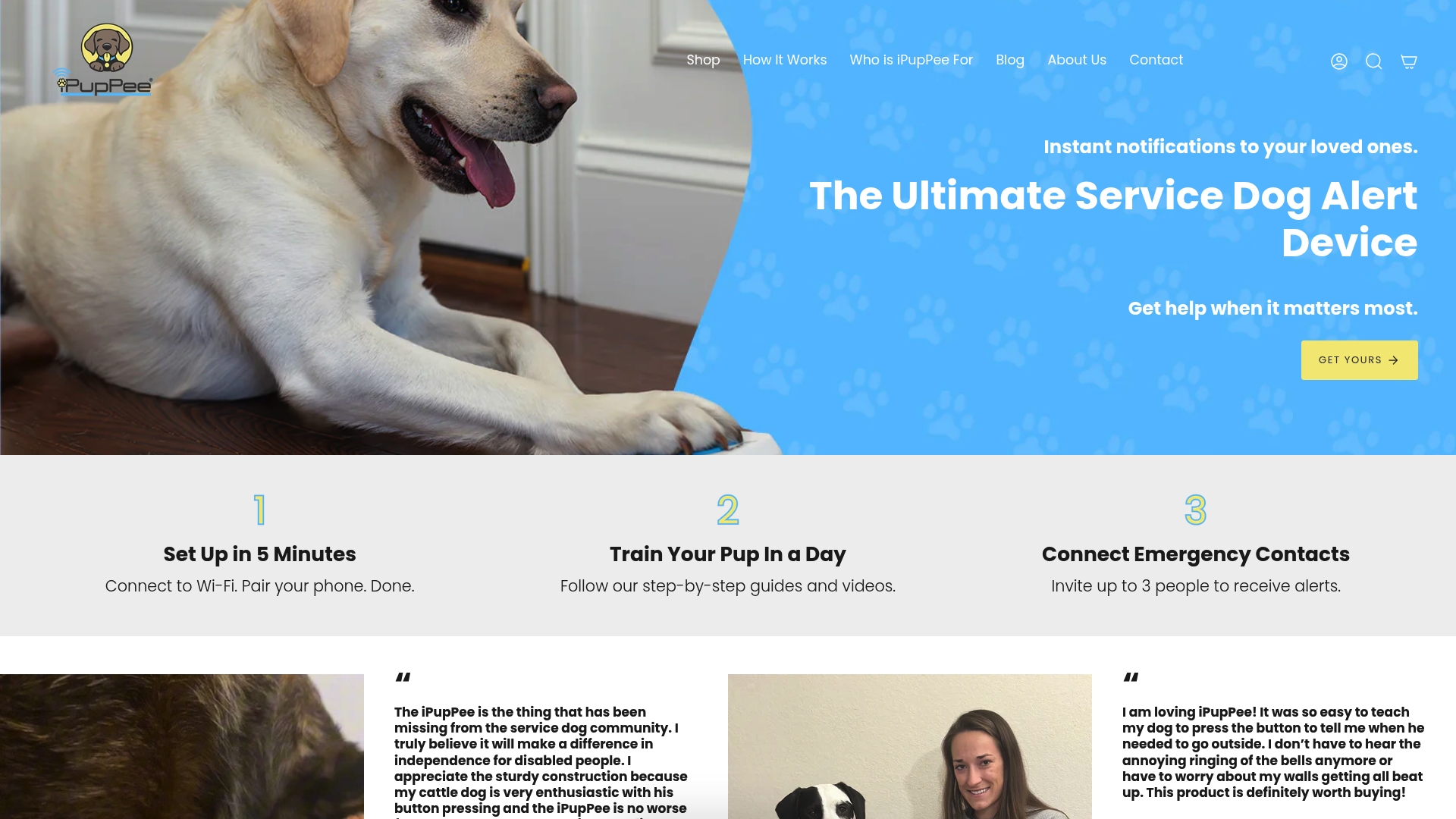
Discover how the iPupPee can bridge communication gaps by allowing your dog to express needs through simple button presses. This technology supports many of the strategies covered in the article, including adaptative communication methods and emergency alerts. Don’t wait to give your dog new ways to support your independence. Explore our product details and training resources now and take the first step toward a safer, more connected life with your service dog. Visit ipuppee.com today and empower your partnership with communication that works.
Frequently Asked Questions
How can I choose the right assistive device for my dog’s communication needs?
To choose the right assistive device, assess your mobility limitations, your dog’s training level, and the device’s ease of use. Start by researching simple communication buttons that your dog can learn to use within a few weeks.
What types of alternative communication commands can I teach my dog if I have limited mobility?
You can teach your dog alternative commands using simplified hand signals or electronic devices that require minimal movement. Focus on developing clear, distinct signals that you can consistently use during training sessions.
What are effective positive reinforcement strategies for training service dogs?
Use a variety of rewards, such as gentle petting or quick play sessions, to reinforce desired behaviors. Integrate these positive reinforcements during training to ensure your dog understands consistently what behavior earns a reward, ideally within seconds of the action.
How can I implement visual signals when training my dog?
Start by developing a set of distinct visual signals, such as open palm gestures or pointed finger directions, that your dog can easily recognize. Practice these signals regularly to help your dog associate them with specific commands and improve their responsiveness.
What emergency training skills should I focus on for my service dog?
Focus on teaching your service dog critical skills such as medical alert responses and help summoning. Use consistent practice and positive reinforcement to ensure your dog can effectively carry out these tasks in emergency situations, gradually progressing to more complex scenarios.
How can smart technology enhance communication with my dog?
Smart technology can enhance communication by providing tools that translate your dog’s needs into understandable commands. Begin by integrating one simple communication device to bridge the gap, and gradually add more technologies as you and your dog become comfortable using them.
Recommended
- Dog Training Problems: Solutions for Every Owner in 2025 – iPupPee
- Mastering Training Disabled Dogs for Better Communication – iPupPee
- Puppy Training for Disabilities: Effective Tips for 2025 – iPupPee
- Service Dog Training Challenges in 2025: What Owners Need to Know – iPupPee
- Transforming Pet Insurance with Automation and Innovation - Digital Insurance Platform | IBSuite Insurance Software | Modern Insurance System