

TL;DR:
- Pet safety technology in 2026 combines GPS tracking, AI wearables, and emergency devices to improve animal protection.
- Foundational practices like heat management, tick checks, and securing environments remain critical for pet safety.
Pet safety innovation is defined as the use of advanced technologies and practices to protect animals, prevent emergencies, and improve communication between pets and their owners. GPS trackers increase lost pet recovery rates from 23% to 93%, a 70-percentage-point jump that shows how much technology has changed the odds for lost animals. Veterinary standards now recognize environmental sensors, AI-driven wearables, and specialized alert devices as legitimate tools in a complete pet care plan. This guide to pet safety innovation covers what works, what to watch out for, and how to build a safety plan that combines technology with solid daily habits.
What are the leading technologies transforming pet safety today?
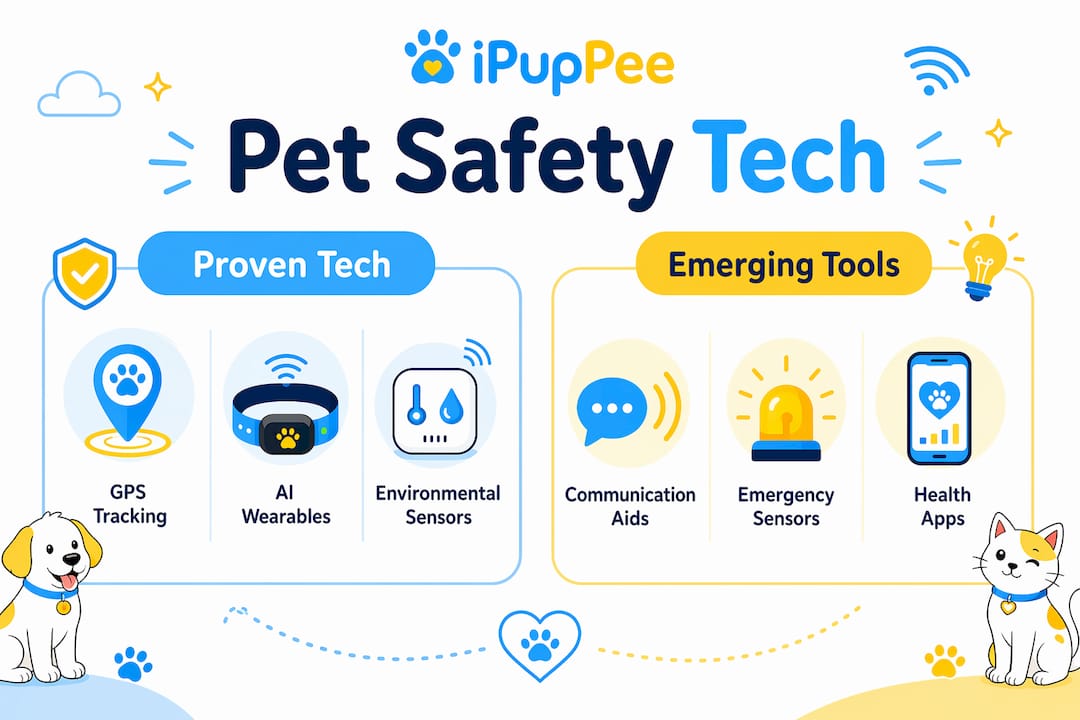
GPS tracking is the most proven technology in pet safety. Recovery rates jump dramatically when owners use real-time GPS collars versus relying on neighborhood searches alone. That gap between 23% and 93% recovery is not a marketing claim. It reflects real-world outcomes across thousands of lost pet cases.
AI-driven wearables represent the next wave of pet safety technology. These devices monitor heart rate, activity levels, sleep patterns, and caloric burn throughout the day. When readings fall outside a pet’s normal range, the app sends an alert to the owner. The practical value is early detection of illness before visible symptoms appear.
Environmental sensors add another layer of home safety. These devices track temperature, air quality, and humidity inside your home. They alert you when conditions become dangerous, such as when a heating system fails in winter or a room overheats in summer. For pets left alone during work hours, this kind of monitoring fills a real gap.
Pet-specific smoke detectors address a problem that standard alarms ignore entirely. Specialized pet smoke detectors emit silent strobe lights to guide firefighters directly to where pets are hiding during a fire. Standard alarms alert humans in the building. These devices alert first responders to the pet’s location when the owner is not home.
Key pet safety technologies at a glance:
- GPS collars: Real-time location tracking with geofence alerts
- AI wearables: Continuous health monitoring with anomaly detection
- Environmental sensors: Home temperature, air quality, and humidity alerts
- Pet smoke detectors: Silent strobe systems that signal pet locations to firefighters
- Communication devices: Button-based alert tools like the Ipuppee iPupPee device that let dogs signal their needs to owners or caregivers
How can pet owners evaluate and choose trustworthy safety tech?
Not every pet tech product delivers what it promises. Evaluating a device before you buy protects both your pet and your budget. Use this checklist when reviewing any pet safety product:
- Test battery life independently. Real-world battery runtimes under heavy GPS use often fall well short of manufacturer claims. Ask for third-party test results or read reviews from owners who use the device daily.
- Look for clinical evidence. AI-enabled wearables require veterinary clinical trials with blinded assessments to separate genuine benefits from placebo effects. If a company cannot point to published studies, treat its health claims with skepticism.
- Read the data privacy policy. Evaluate data privacy policies covering data collection, retention, encryption, and third-party sharing before you connect any device to your home network.
- Check firmware update history. A company that regularly updates its software is one that actively fixes bugs and improves accuracy. No update history is a red flag.
- Confirm the warranty and return policy. Devices that fail within the first 90 days are common. A clear warranty tells you the company stands behind its product.
Pro Tip: Bring the device’s spec sheet to your next vet appointment. Your veterinarian can tell you whether the health metrics it tracks are clinically meaningful for your pet’s breed and age.
Vendor transparency matters as much as the technology itself. In 2026, regulatory scrutiny of AI pet products is increasing, and companies that publish clear privacy practices are better positioned to stay compliant. Choosing a transparent vendor protects you from sudden service shutdowns or data misuse.
What foundational safety practices remain essential alongside new technology?
Technology does not replace the basics. The most common pet emergencies, including heat stroke, toxic plant ingestion, and paw burns, are prevented by consistent daily habits, not apps.
Heat safety is the most urgent warm-weather concern. The interior of a parked vehicle can rise nearly 20 degrees in 10 minutes, reaching up to 120°F even with cracked windows. That temperature causes fatal heat stroke in pets within minutes. Never leave a pet in a parked car, regardless of how short the errand feels.
Pavement heat is equally dangerous and often overlooked. The 10-second hand rule is the standard field test: if you cannot hold your bare hand flat on the pavement for 10 seconds comfortably, the surface is too hot for your pet’s paws. Walk dogs in the early morning or after sunset during summer months.
If you suspect heat stroke, act immediately but carefully. Cool the pet with damp towels and move them to shade, then stop active cooling once the body temperature reaches 103°F. Cooling past that point risks hypothermic shock. Get to a veterinarian as fast as possible after initial first aid.
Additional foundational pet safety practices include:
- Secure windows and balconies to prevent falls, especially in multi-story homes
- Remove toxic plants such as lilies, sago palm, and azaleas from indoor and outdoor spaces
- Check for ticks after every outdoor walk, paying close attention to ears, paws, and the groin area
- Install pet-specific smoke detectors in addition to standard alarms for complete fire safety coverage
- Manage anxiety triggers by identifying loud noise sources and creating a calm retreat space indoors
How is artificial intelligence reshaping pet safety and health monitoring?
AI’s most valuable contribution to pet safety is pattern recognition. A wearable that tracks your dog’s gait over six months can detect subtle changes that signal early arthritis before your pet shows visible pain. That kind of early warning gives you time to act before the condition worsens.
Multi-sensor wearables now combine accelerometers, heart rate monitors, and temperature sensors in a single collar or harness. The AI layer processes all three data streams simultaneously and flags combinations that suggest illness, injury, or distress. No single sensor alone provides that level of context.
AI-powered apps extend safety into nutrition and triage. Several apps now let you photograph food labels or table scraps to check for pet toxins instantly. Others offer telemedicine triage, where you describe symptoms and receive guidance on whether the situation requires an emergency vet visit. These tools reduce unnecessary ER trips and help owners act faster when it counts.
Privacy risks are real and growing. AI devices collect continuous behavioral data about your pet and, indirectly, about your household routines. Data privacy policies must specify what is collected, how long it is stored, and whether it is sold to third parties. Regulatory bodies are beginning to treat pet IoT data with the same scrutiny applied to human health data.
Pro Tip: Before committing to any AI health monitoring device, request a trial period of at least 30 days. Use that window to compare the device’s alerts against your veterinarian’s independent assessments. If the alerts consistently match clinical findings, the device earns its place in your routine.
For owners of service dogs or pets with special communication needs, advanced communication tools that pair AI monitoring with alert devices represent the most complete approach to pet safety currently available.
What are the best tools for emergency preparedness and home safety?
Emergency preparedness for pets requires tools designed specifically for animal rescue, not adaptations of human safety products. The distinction matters most during house fires.
Standard smoke alarms alert the people inside a building. They do nothing to help firefighters locate a pet hiding under a bed or inside a closet. Pet-specific smoke detectors use silent strobe lights to signal pet locations to first responders entering a smoke-filled home. That single feature can determine whether a pet survives a fire when the owner is not present.
Placement of these devices follows the same logic as standard smoke alarms: install them in rooms where pets spend the most time, including bedrooms, living areas, and any room where pets sleep overnight. Pair them with a window cling or door sticker that tells firefighters how many pets are in the home and what species they are.
| Device type | Primary function | Key advantage |
|---|---|---|
| Standard smoke alarm | Alerts humans in the building | Widely available and required by code |
| Pet smoke detector | Guides firefighters to pet locations | Silent strobe works in zero-visibility smoke |
| GPS collar | Real-time location tracking outdoors | 93% recovery rate for lost pets |
| Communication alert device | Lets pets signal needs to owners | Critical for service dogs and owners with disabilities |
For owners who live alone or have mobility limitations, a communication alert device like the Ipuppee iPupPee fills a gap that no smoke detector or GPS tracker addresses. It gives the pet a way to signal distress or a need directly to the owner, which matters most in quiet emergencies that do not trigger any alarm. Learn more about dog alert device benefits and how these tools support independence in 2026.
Key Takeaways
Pet safety in 2026 requires combining proven technologies like GPS tracking and AI wearables with foundational habits like heat management, tick checks, and emergency-specific devices designed for animal rescue.
| Point | Details |
|---|---|
| GPS tracking works | Recovery rates rise from 23% to 93% with real-time GPS collars. |
| Vet your tech carefully | Test battery life independently and demand clinical evidence before trusting health claims. |
| Heat safety saves lives | Never leave a pet in a parked car; stop active cooling at 103°F to prevent hypothermic shock. |
| Pet smoke detectors fill a gap | Silent strobe devices guide firefighters to pets in ways standard alarms cannot. |
| Foundational habits still matter | Tick checks, toxic plant removal, and secured windows prevent the most common pet emergencies. |
What I’ve learned from watching pet tech evolve
The most dangerous mistake pet owners make with new technology is treating it as a replacement for attention. I have seen owners buy GPS collars and stop checking the yard fence. I have seen AI wearables generate so many alerts that owners begin ignoring them. Technology amplifies good habits. It does not substitute for them.
The evidence-based approach is the only one worth taking. If a device cannot show you a published clinical study or independent battery test, treat its claims as marketing until proven otherwise. The veterinary community’s guidance on evaluating pet health tech is getting sharper every year, and aligning with that guidance protects you from wasting money on products that underdeliver.
The tools I find most compelling are the ones that solve a problem no other category addresses. A silent strobe pet smoke detector does something a standard alarm simply cannot. A button-based communication device gives a dog a voice in situations where barking goes unheard. Those are genuine gaps filled by genuine solutions.
The best outlook for pet owners is one where technology and daily care reinforce each other. Check your pet’s paws after a summer walk. Run a tick check after every trail hike. And let the GPS collar, the AI wearable, and the alert device handle the monitoring you cannot do while you sleep or work. That combination is what real pet safety looks like in practice.
— Andrew
Ipuppee and the tools that close the gap
Pet safety technology works best when it addresses the moments standard products miss. Ipuppee builds exactly those kinds of tools, starting with the iPupPee alert device that lets dogs communicate needs directly to their owners through a simple button press.
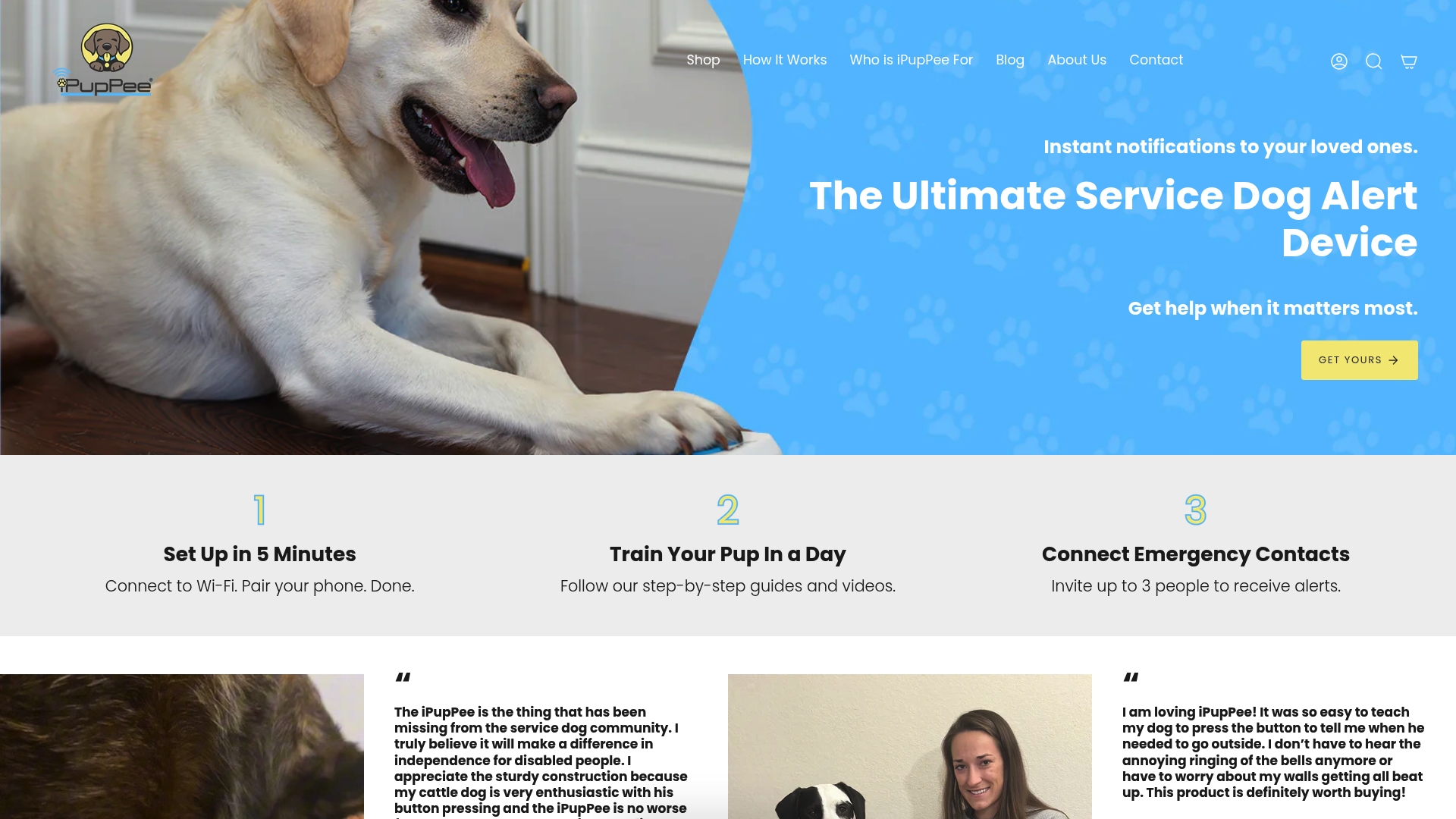
That matters most for seniors, people with disabilities, and service dog handlers who rely on clear, fast communication with their animals. Ipuppee’s blog also covers dog safety technology for owners who want to stay current on what actually works. Whether you are setting up a first safety plan or adding to an existing one, visit Ipuppee to see the full range of products and guides built around pet communication and safety.
FAQ
What is pet safety innovation?
Pet safety innovation is the use of technologies and practices, including GPS tracking, AI wearables, and communication devices, to protect animals and improve owner-pet communication. The field has expanded rapidly in 2026 to include environmental sensors and emergency-specific devices like pet smoke detectors.
How much do GPS trackers improve lost pet recovery?
GPS trackers raise recovery rates from 23% to 93% compared to searches without location technology. That 70-percentage-point difference makes GPS the single most impactful pet safety technology currently available.
What should I do if my pet shows signs of heat stroke?
Move the pet to shade and apply cool, damp towels to the body. Stop active cooling at 103°F to avoid hypothermic shock, then get to a veterinarian immediately.
How do pet smoke detectors differ from standard alarms?
Standard smoke alarms alert people inside the building. Pet-specific detectors use silent strobes to show firefighters exactly where pets are hiding in a smoke-filled room, which standard alarms cannot do.
How do I know if a pet tech product is trustworthy?
Check for independent battery tests, published clinical studies, and a clear data privacy policy before buying. Your veterinarian can also review the device’s health claims and tell you whether the metrics it tracks are clinically relevant for your pet.