

For pet owners relying on service dogs or managing unique challenges, finding ways to keep their companion safe is a daily priority. As dog safety technology evolves, it offers more than just comfort—it delivers advanced tools for monitoring health, supporting communication, and preventing risks. By embracing innovative safety communication devices, handlers worldwide can give their dogs greater freedom and themselves added peace of mind, all while strengthening the crucial bond between human and canine partners.
Table of Contents
- Defining Dog Safety Technology And Its Purpose
- Types Of Dog Safety Devices And Their Distinctions
- Key Features That Enhance Pet And Owner Security
- Training And Adapting Dogs To New Technologies
- Risks, Limitations, And Responsible Use
Key Takeaways
| Point | Details |
|---|---|
| Dog Safety Technology Enhances Independence | These innovations support canine autonomy while assuring owners of their pets’ safety through real-time monitoring and tracking. |
| Diverse Device Categories Available | Options include tracking devices, protective gear, communication tools, and health monitoring equipment, each addressing specific safety needs. |
| Critical Features for Comprehensive Protection | Important safety features encompass real-time tracking, health monitoring, and emergency response systems to enhance pet security. |
| Responsible Use is Essential | Owners should evaluate the risks associated with technologies, ensuring they complement traditional care methods without causing overdependence. |
Defining Dog Safety Technology and Its Purpose
Dog safety technology represents a groundbreaking approach to enhancing canine independence and owner protection. These innovative systems go beyond traditional monitoring methods, integrating advanced communication and tracking capabilities designed specifically to support dogs with unique needs. Dog safety technologies are specialized devices engineered to prevent injury, monitor critical health metrics, and improve interaction between dogs and their human companions.
The fundamental purpose of these technologies centers on creating safer environments and expanding dogs’ potential for independent navigation. Modern safety technologies range from wearable alert systems to advanced tracking devices that provide real-time health and location monitoring. These solutions are particularly crucial for service dogs, elderly pets, and animals with specific medical or mobility challenges. By leveraging sensor technologies, wireless communication, and intelligent design, these systems help dogs maintain greater autonomy while giving owners peace of mind.
Historically, dog safety technologies reflect the evolving relationship between humans and canines. Technological advancements have transformed how domestic dogs interact with their environments, creating more nuanced support systems that recognize dogs as active partners rather than passive recipients of care. These innovations address critical needs such as:
- Health monitoring and early warning systems
- Location tracking and geofencing
- Communication assistance for service and working dogs
- Enhanced navigation support for vision or mobility impaired animals
- Emergency alert mechanisms for owners
Pro Tip: When selecting a dog safety technology, prioritize devices that offer multiple functionalities and seamless integration with your specific lifestyle and your dog’s unique requirements.
Types of Dog Safety Devices and Their Distinctions
Dog safety devices represent a diverse ecosystem of technological solutions designed to address unique canine protection needs. Safety devices for dogs encompass multiple categories ranging from physical containment tools to advanced monitoring systems. These technologies are strategically engineered to provide comprehensive protection, addressing everything from physical restraint to health tracking and emergency communication.
The primary categories of dog safety devices include tracking systems, protective gear, communication tools, and health monitoring equipment. Tracking devices utilize GPS and wireless technologies to provide real-time location monitoring, crucial for owners with service dogs, elderly pets, or animals prone to wandering. Protective gear such as tactical harnesses and specialized vests offer physical protection in challenging environments. Law enforcement dog equipment demonstrates the advanced potential of these technologies, showcasing how safety devices can be customized for specific operational requirements.
Understanding the distinctions between different safety devices is critical for selecting the most appropriate solution. Key device categories include:
-
Tracking Devices
- GPS collar attachments
- Wireless location monitors
- Geofencing systems
-
Protective Gear
- Tactical harnesses
- Reflective safety vests
- Environmental protection equipment
-
Communication Tools
- Alert button systems
- Wireless communication harnesses
- Emergency signal devices
-
Health Monitoring Equipment
- Vital sign trackers
- Temperature monitors
- Activity level sensors
Pro Tip: When selecting a dog safety device, evaluate your specific needs, considering your dog’s lifestyle, health requirements, and potential environmental challenges.
Here is a comparison of common dog safety device categories and their ideal use cases:
| Device Category | Best For | Example Benefit |
|---|---|---|
| Tracking Devices | Dogs prone to escape | Real-time location updates |
| Protective Gear | Working or outdoor dogs | Physical hazard reduction |
| Communication Tools | Service/assistance dogs | Send alerts to owners |
| Health Monitoring Equipment | Senior or at-risk dogs | Early health issue detection |
Key Features That Enhance Pet and Owner Security
Medical-grade safety devices represent a sophisticated approach to protecting both pets and their owners through advanced technological integration. These innovative systems go beyond traditional monitoring, incorporating multiple layers of security designed to provide comprehensive protection and peace of mind. The key features focus on creating a holistic safety ecosystem that addresses physical, health, and environmental risks associated with pet ownership.
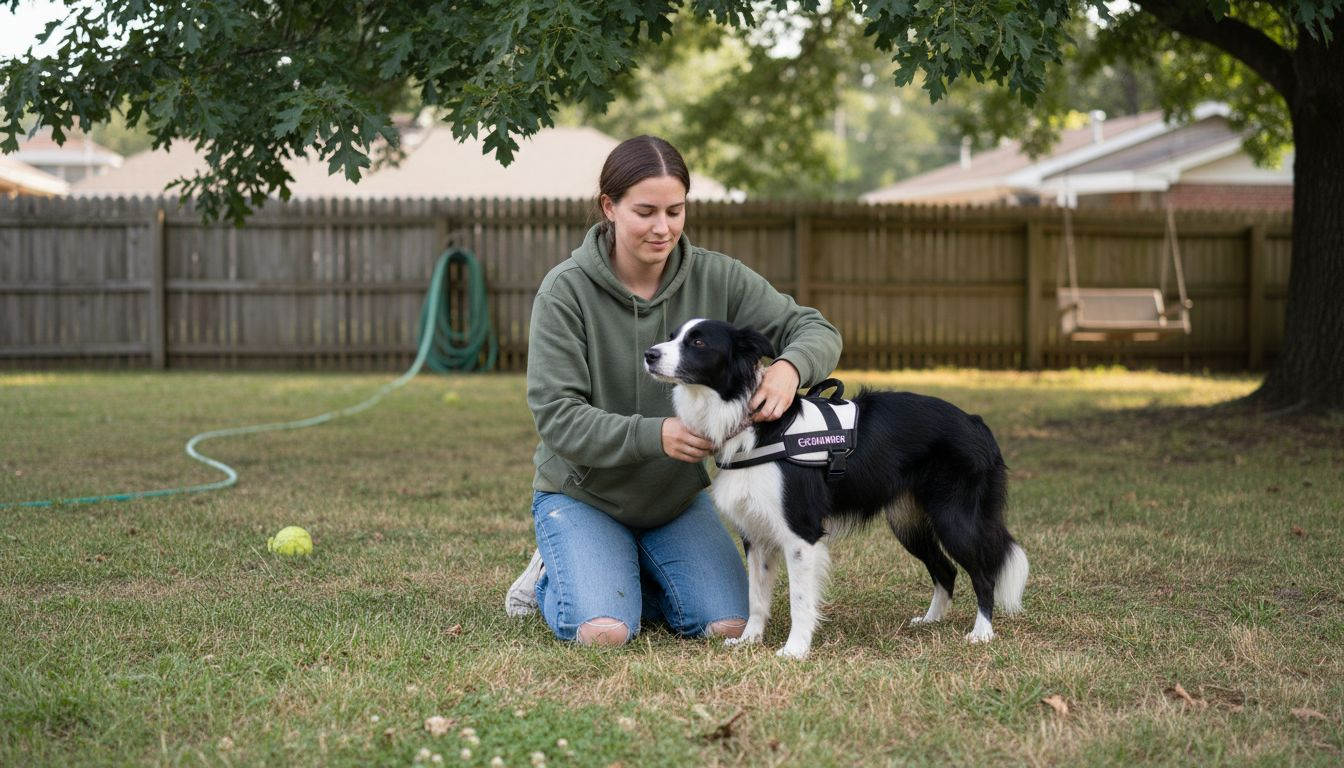
The most critical security features include real-time tracking, emergency alert systems, and adaptive monitoring technologies. Intelligent sensors can now detect subtle changes in a dog’s vital signs, movement patterns, and environmental conditions, enabling proactive intervention before potential health or safety issues escalate. Safety technologies with AI are revolutionizing pet protection by integrating predictive analytics that can anticipate potential risks and automatically trigger appropriate responses.
Comprehensive pet security technologies typically encompass several core features:
-
Location and Movement Tracking
- GPS real-time positioning
- Geofencing alerts
- Movement pattern analysis
-
Health Monitoring
- Vital sign tracking
- Temperature regulation alerts
- Activity level measurement
-
Emergency Response Systems
- Automatic distress signals
- Owner notification mechanisms
- Direct communication channels
-
Environmental Safety Features
- Ambient temperature monitoring
- Hazard detection sensors
- Air quality assessment
Pro Tip: Always verify the compatibility and integration potential of safety devices with your existing technology ecosystem to maximize protection and minimize potential communication gaps.
Training and Adapting Dogs to New Technologies
Canine behavior training represents a sophisticated process of helping dogs understand and interact with advanced safety technologies. The introduction of new devices requires a strategic, patient approach that considers the dog’s unique cognitive capabilities and comfort levels. Successful adaptation involves creating positive associations, gradual exposure, and consistent reinforcement techniques that transform technological interactions from potentially stressful experiences into routine, comfortable engagements.
Understanding the psychological principles behind technology integration is crucial. Positive reinforcement techniques play a pivotal role in helping dogs accept and respond to safety devices. Dogs learn most effectively when technological interactions are paired with rewards, creating a connection between the new device and positive experiences. This approach helps minimize anxiety and builds confidence in navigating increasingly complex technological environments.
Effective training strategies for technology adaptation include:
-
Gradual Exposure Techniques
- Introduce devices slowly
- Allow initial exploration without pressure
- Use calm, reassuring tones
-
Reward-Based Learning
- Treat reinforcement for device interaction
- Praise for calm behavior
- Create positive emotional associations
-
Consistent Practice
- Short, frequent training sessions
- Simulate real-world scenarios
- Progressively increase complexity
-
Stress Reduction Methods
- Monitor dog’s comfort levels
- Provide breaks during training
- Recognize and respect individual limits
Pro Tip: Always customize your technology training approach to match your dog’s unique personality, learning style, and comfort threshold to ensure smooth and stress-free adaptation.
Risks, Limitations, and Responsible Use
Dog safety technologies offer remarkable potential, but responsible technology implementation requires careful consideration of potential risks and ethical concerns. Not all devices are created equal, and owners must critically evaluate the capabilities, limitations, and potential unintended consequences of safety technologies. Understanding the nuanced landscape of technological interventions helps prevent overreliance and ensures that devices genuinely enhance rather than complicate dog care.
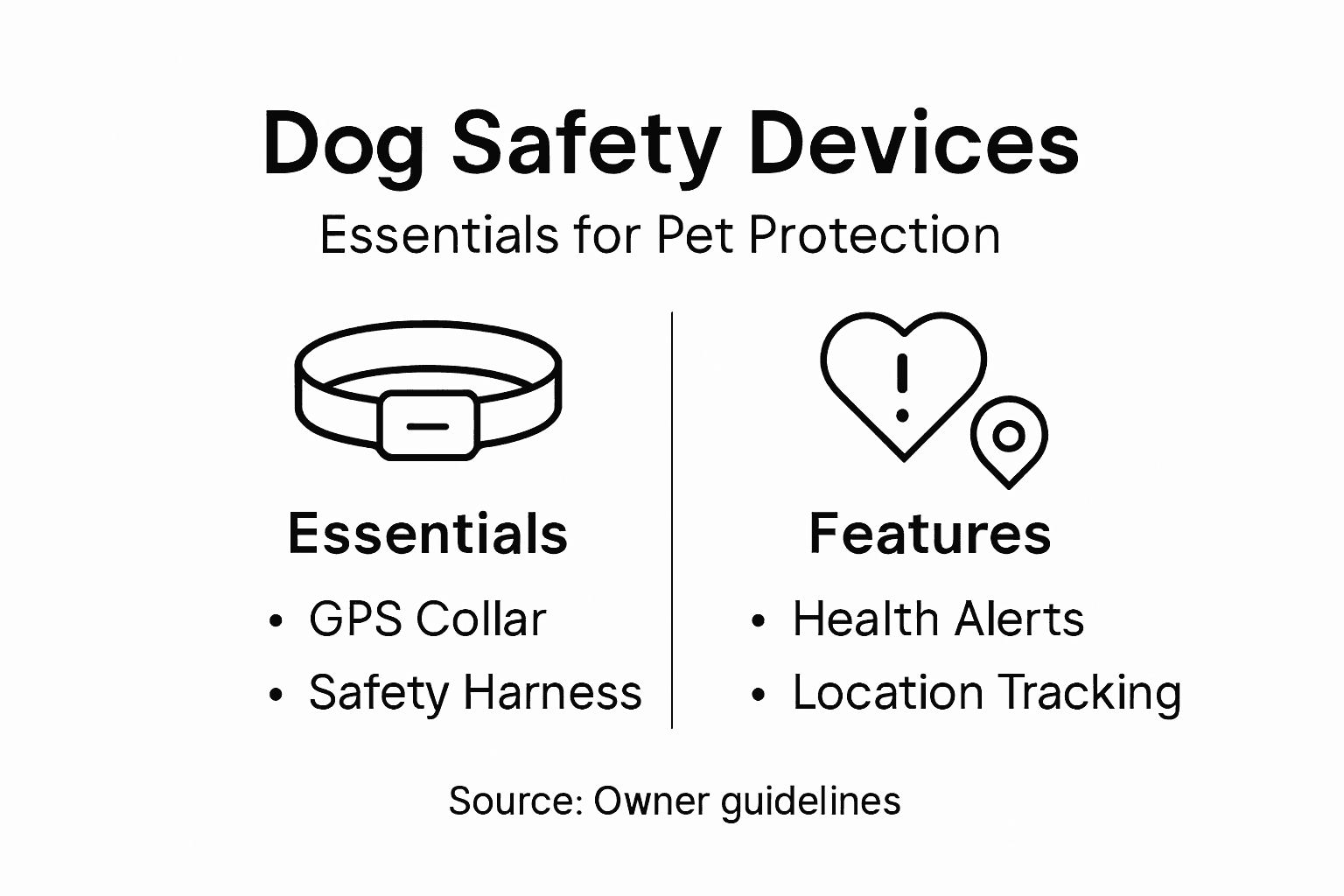
Safety technology risks encompass multiple dimensions beyond simple malfunction. Privacy concerns, potential device errors, battery reliability, and the psychological impact on dogs represent critical areas of potential vulnerability. Advanced technologies must balance technological sophistication with animal welfare, ensuring that devices do not cause unnecessary stress or create false security perceptions for owners.
Key considerations for responsible dog safety technology use include:
-
Privacy Protection
- Limit data collection
- Secure personal information
- Control device tracking permissions
-
Device Reliability
- Regular performance checks
- Backup communication methods
- Understand device limitations
-
Psychological Considerations
- Monitor dog’s comfort level
- Avoid over-dependence
- Respect individual dog temperaments
-
Ethical Usage Guidelines
- Prioritize animal welfare
- Use technology as supplement
- Maintain human interaction
Pro Tip: Always maintain a balanced approach by viewing safety technologies as supportive tools, not complete replacements for attentive, personalized dog care and human interaction.
Consider these potential risks and how responsible use can address them:
| Risk Area | Potential Issue | Mitigation Strategy |
|---|---|---|
| Privacy | Location data exposure | Use secure, encrypted devices |
| Reliability | Device or battery failure | Regular system checks |
| Dog Well-being | Device discomfort | Gradual adaptation, observation |
| Overdependence | Reduced owner vigilance | Use alongside active supervision |
Enhance Your Dog’s Safety and Independence with Proven Technology
The challenges of ensuring your dog’s safety while fostering their independence are clear from the article’s insights into health monitoring, emergency alerts, and effective communication tools. Many dog owners face concerns about real-time location tracking, reliable emergency response, and technology that respects their dog’s comfort and wellbeing. This is where innovative solutions like the iPupPee come in. Designed to empower both dogs and owners, this device offers a simple button-press communication system that elevates safety and interaction, especially for service dogs and individuals requiring dependable alert mechanisms.
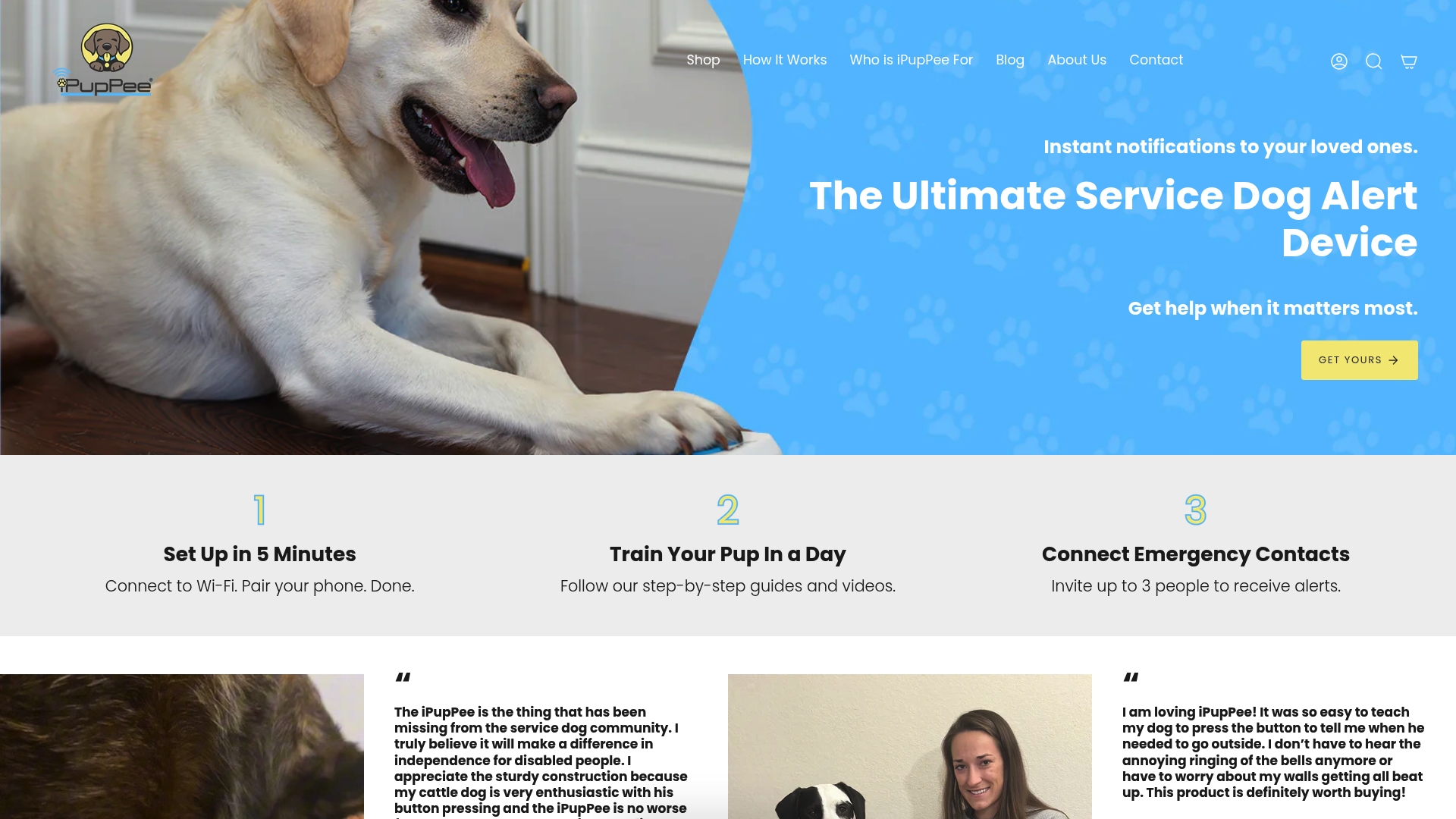
Discover how the iPupPee device transforms the relationship between you and your dog with features that address the exact needs highlighted in the article such as emergency alert systems and communication assistance. Visit iPupPee to explore detailed training instructions, real customer testimonials, and expert resources that help you seamlessly integrate this advanced technology into your daily life. Take the first step to maximize your dog’s independence and your peace of mind by checking out our comprehensive product overview and start empowering your dog today.
Frequently Asked Questions
What is dog safety technology?
Dog safety technology includes advanced devices designed to enhance canine independence and ensure their safety. These technologies range from health monitoring systems to tracking devices that provide real-time location updates, specifically created to support dogs with unique needs.
How can dog safety devices benefit my pet?
Dog safety devices can keep your pet secure by providing location tracking, emergency alerts, and health monitoring. These features help owners maintain peace of mind while ensuring their dogs can navigate their environments safely, especially if they have specific medical or mobility challenges.
What types of dog safety devices are available?
There are several types of dog safety devices, including tracking systems (e.g., GPS collars), protective gear (e.g., harnesses and vests), communication tools (e.g., alert button systems), and health monitoring equipment (e.g., vital sign trackers). Each category serves different needs depending on the dog’s lifestyle and requirements.
How do I train my dog to adapt to new safety technologies?
Training your dog to adapt to safety technologies involves gradual exposure, positive reinforcement, and consistent practice. Introduce devices slowly, create positive associations with rewards, and monitor your dog’s comfort level throughout the training process to ensure they adapt successfully.
Recommended
- Pet Alert System Overview: Enhancing Safety and Independence – iPupPee
- Complete Guide to Independent Living With Pets – iPupPee
- Understanding Dog Independence Benefits for Owners – iPupPee
- Senior Pet Safety: Keeping Aging Companions Secure – iPupPee
- 7 Essential Types of Mobility Aids for Active Aging Adults – Real Healthy Haven