

Pet wellness monitoring is the routine of watching and measuring your pet’s behavior, appearance, and simple vitals at home so you can catch health changes early and act. It works best alongside the preventive visits that AAHA and AVMA recommend, and tools like our iPupPee alert device can add a layer of communication on top of your own checks.
TL;DR:
- Establish a baseline for play, appetite, sleep, and mobility; observe changes daily, and weigh your pet weekly or every two weeks on the same scale.
- Seek emergency care for breathing trouble, pale or blue gums, collapse, seizures, repeated vomiting, a hard, swollen belly, or inability to urinate.
- Wearables can reveal activity, sleep, and breathing trends, but measurement bias limits interpretation; share changes with your veterinarian rather than treating readings as diagnoses.
- Track appetite, water, elimination, weight, and activity in a brief log; report patterns over time, since a single unusual day may mislead.
- Tailor monitoring to age and health: puppies need closer growth and stool tracking, while rescue dogs need time to establish behavior baselines.
Table of Contents
- 1. How do you spot behavior changes every day?
- 2. What should you look for on your pet’s body?
- 3. How do you do a gentle hands-on exam safely?
- 4. How do you check heart rate, breathing, temperature, and hydration?
- 5. What should you track in a daily log?
- 6. How do wearables fit into your monitoring routine?
- 7. When should you call your vet or go to the emergency clinic?
- 8. How does monitoring support training and behavior management?
- 9. What are some innovative alert devices for pet wellness?
- 10. How should you customize monitoring for seniors, puppies, and rescues?
- 11. Why does monitoring matter so much for service dogs?
- 12. How does monitoring improve safety and communication for disabled owners?
- 13. A note from Andrew on keeping it simple
- 14. Add alerts and training with iPupPee
- FAQ
- Sources
1. How do you spot behavior changes every day?
Your pet’s behavior is the earliest signal you get, and it costs nothing to watch. The trick is knowing what normal looks like for your animal, so write down a baseline during a calm period: how much your pet plays, how fast the bowl empties, where and how long they sleep.
Watch for shifts in these areas:
- Activity and play: less interest in the toy, the leash, or the usual game
- Social behavior: hiding, clinginess, or irritability that is new
- Eating enthusiasm: slower meals, pickiness, or sudden ravenousness
- Mobility: stiffness after rest, hesitation on stairs, reluctance to jump
- Sleep and grooming: restlessness at night, or a coat that looks neglected
A simple rhythm keeps this manageable. Glance at your pet during the day, spend a short time on a focused check each evening, and set aside time regularly to observe quietly. Our own write-up on behavioral pet tracking shows how behavior patterns tie back to health.
2. What should you look for on your pet’s body?
A regular visual check can help you notice changes early. Start at the nose and work toward the tail, with good light.
- Coat and skin: hair loss, redness, sores, flaking, or new lumps
- Eyes: discharge, cloudiness, squinting, or one pupil that looks different
- Ears and nose: odor, wax buildup, head shaking, or crusting
- Mouth: bad breath, red gums, loose or broken teeth
Gums are a fast circulation check. Healthy gums are usually pink and moist, and pressing a finger on them should turn the spot pale, with color returning quickly.
Gum color is one of the six core home checks that BluePearl Pet Hospital lists alongside heart rate, respiratory rate, temperature, and hydration. If your pet’s gums look pale, white, blue, or very dark red, seek immediate emergency veterinary care.
For body condition, run your hands along the ribs. You should feel them under a thin layer of padding, and you should see a waistline from above. Pair that with regular weigh-ins so a slow trend is not invisible.
3. How do you do a gentle hands-on exam safely?
A short, calm palpation routine helps you notice heat, swelling, and tenderness. Keep sessions brief and pair them with treats so your pet learns to enjoy the attention. FirstVet suggests starting slowly and rewarding your pet while they get used to being examined.
- Rest a hand on the neck and feel along the sides for swollen glands.
- Run your fingers down each front leg, checking joints and paws.
- Move to the chest and abdomen, pressing softly for firmness or flinching.
- Check the belly line and groin, including the mammary chain.
- Feel each hind leg, then examine any lump you have found.
Call your vet if a spot feels hot, your pet cries out, or a mass is soft and fluid-filled or growing fast.
Pro Tip: Do the same order every time and stop the moment your pet pulls away. A calm voice and a treat after each step beat a long session.
4. How do you check heart rate, breathing, temperature, and hydration?
Vitals sound clinical, but four of them are doable at home with a watch and a little practice. Take them when your pet is relaxed, since excitement skews every number.
- Heart rate: press a hand to the left side of the chest behind the elbow, count the beats for a short period and use the result to estimate the rate. Resting heart rates vary between pets. Ask your veterinarian what is typical for yours.
- Resting respiratory rate: count chest rises while your pet sleeps or lies quietly, and use the count to estimate the rate. A rising resting rate over several days is worth reporting.
- Temperature: a rectal digital thermometer is the accurate method. Use lubricant, go gently, and skip it if your pet is distressed.
- Hydration: lift the skin between the shoulder blades and let go. It should snap back, and gums should feel moist rather than tacky.
A smart collar study found automated resting respiratory rate closely agreed with manual counts in healthy dogs, which supports counting this vital at home. Clinicians still weigh the limits of agreement, so treat your numbers as trends to share with your vet, not as a diagnosis.
5. What should you track in a daily log?
A log turns scattered impressions into patterns. Keep it short enough that you will actually use it, even if that is a notes app or a calendar on the fridge.
- Meals: what was offered, what was eaten, any change in appetite
- Water: noticeably more or less than usual
- Elimination: frequency, color, consistency, straining, accidents
- Vomiting or coughing: time, what it looked like, what happened before it
- Weight: weigh weekly or every two weeks, on the same scale
- Activity: walk length, play interest, how quickly your pet tires
The value is in the slope, not a single day. A pet who eats a little less, plays a little less, and sleeps a little more over time may be showing a pattern worth discussing with your vet. Our guide to dog lifestyle monitoring has practical logging examples.
6. How do wearables fit into your monitoring routine?
Smart collars and Wi-Fi sensors can track activity, sleep quality, and respiratory patterns around the clock. Research indexed on PubMed notes that such devices automate data collection and can reveal downward trends sooner than occasional checks, while also stressing they are subject to limits of agreement and measurement bias. AAHA’s remote monitoring guidance adds that practices should decide whether and how they receive device data.
- Where they help: continuous trend detection, objective activity and sleep records, data when you are away
- Where they fall short: small measurement biases, no clinical interpretation on their own
- How to use them: build a baseline first, then agree with your vet on how to share the numbers
Our post on a 7–14 day baseline for remote monitoring explains why a short learning period matters before you read anything into the data.
7. When should you call your vet or go to the emergency clinic?
Some signs cannot wait for the log. Others deserve a prompt, ordinary appointment.
- Seek immediate emergency veterinary care for trouble breathing, pale or blue gums, collapse, seizures, repeated vomiting, a swollen hard belly, or inability to urinate.
- Contact your veterinarian promptly about appetite loss, new lumps, limping, ear or eye discharge, or steady weight change.
- Before you call: note recent vitals, when symptoms began, any new foods or medications, and recent exposure to other animals or toxins.
When in doubt, call. A short phone conversation costs far less than a missed emergency.
8. How does monitoring support training and behavior management?
Health and behavior are tangled together. A dog who suddenly ignores a command, snaps when touched, or has accidents indoors may be in pain rather than being stubborn. Watching for these shifts gives you a reason to check the body before you blame the mind.
Training also makes monitoring easier. A dog taught to stand calmly for a paw check, accept a thermometer, or lie still for a respiratory count will cooperate through years of home exams and vet visits. Treat rewards, short sessions, and a predictable order turn handling into a routine instead of a struggle.
Consistency pays off in both directions. When your pet reliably performs a known cue, such as sitting at the door or nudging a button, a sudden refusal becomes a meaningful signal. You can log it next to appetite and activity notes, and the pattern often tells a clearer story than any single symptom.
Our dog psychology page and training course are built around this idea: communication practiced daily makes health changes easier to read. Reward calm cooperation, keep sessions under a few minutes, and stop on a good note so your pet looks forward to the next one.
9. What are some innovative alert devices for pet wellness?
Pet monitoring gear now falls into a few practical groups. VCA Animal Hospitals describes monitors that track activity and rest time, sometimes add GPS or intake estimates, and give you objective long-term data on weight, activity, and recovery.
Here is how the categories differ:
- Activity and sleep collars: record movement and rest, useful for spotting slow declines
- Respiratory and heart-rate wearables: automate the resting counts you would otherwise take by hand
- GPS trackers: locate a pet that wanders, though they say little about health
- Camera and treat systems: let you check on your pet while you are away
- Communication alert devices: let the dog trigger a notification when something is wrong
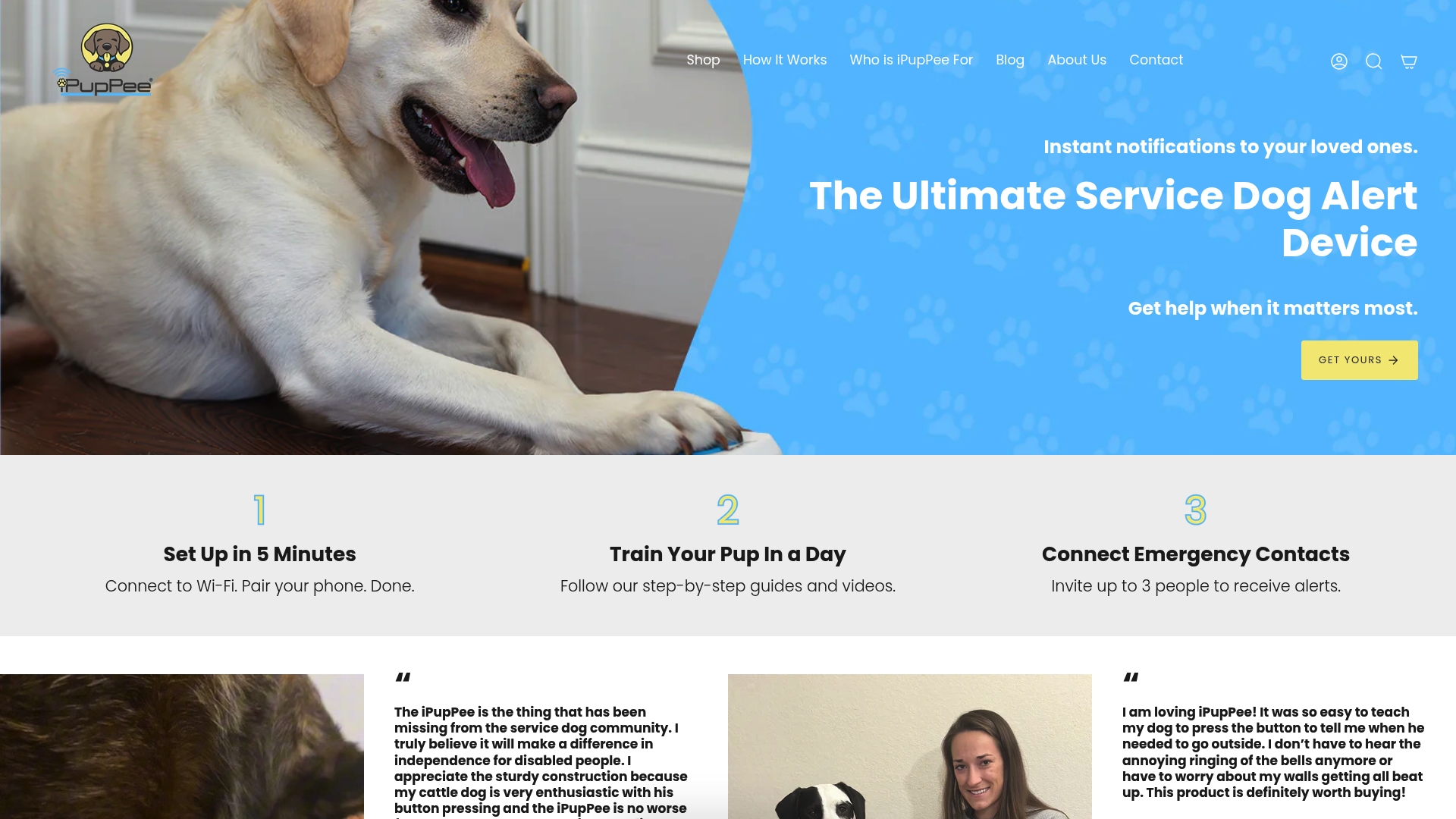
That last group is where our iPupPee fits. It is a Wi-Fi enabled alert device that lets a dog send a direct notification to an owner or emergency contact, with live video and two-way audio. Rather than waiting for a trend line to reveal a problem, the dog can say so in the moment. It is a different tool for a different job, and it works well beside a collar that handles trend data.
Whatever you pick, match the device to the question you are trying to answer. Trends call for a wearable, location calls for GPS, and urgent communication calls for an alert system.
10. How should you customize monitoring for seniors, puppies, and rescues?
One routine does not fit every household, and it should not. Adjust the focus to the dog and to the person caring for them.

Senior owners. Keep the routine light and visible. A brief evening check, a whiteboard log, and an alert device may help make daily care easier. If bending to feel limbs is hard, lean on behavior watching and let your vet handle deeper exams.
New puppy owners. Puppies change fast, so weigh them often and log meals and stools closely. Use the early period to teach calm handling, which may help a puppy become more comfortable with paw and ear checks. AAHA and AVMA guidance calls for more frequent visits for very young pets.
Rescue dogs. Unknown history means unknown baselines. Spend the first weeks recording eating, sleeping, and stress signals, and go slowly with handling, since touch may carry bad memories. Share your notes with your vet at the first visit.
The AVMA makes the same point: wellness programs should be tailored by breed, age, lifestyle, and health status.
11. Why does monitoring matter so much for service dogs?
A service dog is a working partner, and their health directly affects their handler’s safety. A sore shoulder, a dental problem, or creeping fatigue can degrade performance long before the dog stops working altogether. Consistent monitoring finds these issues while they are still easy to fix.
Handlers also benefit from knowing their dog’s normal. A baseline for weight, gait, appetite, and resting breathing can help you notice changes during demanding days, travel, or heat. That matters because service dogs often hide discomfort to keep working.
Routine checks fit naturally into the day. A gum check, regular weigh-ins, and a log of stamina can help you monitor a working dog’s health. Recovery after illness or injury is easier to judge when you have numbers to compare.
Preventive care schedules still anchor everything. The AAHA-AVMA preventive healthcare guidelines recommend at least annual visits and emphasize tracking trends with diagnostics when appropriate. For a working dog, many handlers sensibly choose to see the vet more often than the minimum, and your veterinarian can help set that schedule.
12. How does monitoring improve safety and communication for disabled owners?
For someone who lives alone or has limited mobility, a pet’s health and a person’s safety are connected. A dog who can signal that something is wrong turns a silent emergency into a message someone receives.
Monitoring helps in two ways. First, it keeps the dog healthy enough to do the job, through regular checks and logs that are small enough to maintain. Second, communication tools close the gap when the owner cannot reach the dog or the dog cannot reach help.
Our iPupPee is built for exactly this. The dog presses a button, and notifications go to chosen contacts with live video and two-way audio, so a family member can see what is happening and talk to the dog or the handler. There is no monthly subscription fee, and the training guides show how to teach reliable signaling, which matters more than any feature.
A few practical habits make the system trustworthy. Test the alert on a schedule, keep the device where the dog can reach it, and practice the signal during calm moments so it becomes automatic. Our article on wearable tech for dog health covers how devices and daily routines work together.
Independence and safety are not opposites. A well-trained dog, a simple log, and a reliable alert give you both.

13. A note from Andrew on keeping it simple
The routines that last are the boring ones. I would rather see you do a brief check regularly than attempt a perfect exam and then burn out. Use technology where it saves effort, keep notes that make your next vet conversation sharper, and remember that all of this informs veterinary care instead of replacing it.
— Andrew
14. Add alerts and training with iPupPee
If you want your monitoring routine to include real-time communication, we built our iPupPee Medical Alert Device Training System for Service Dogs for exactly that. It is designed to send Wi-Fi notifications with live video and two-way audio to chosen contacts. Check the product listing for details about compatibility and any recurring fees. It costs $129.99 one time.
Pair it with our Psychology & Training Course at $119 one time, which teaches you how to help your dog signal reliably. Together they give you a device and the skills to use it.
FAQ
What is the difference between a vet exam and a wellness exam?
A wellness exam is a scheduled, preventive visit focused on keeping a healthy pet healthy, while a vet exam for illness addresses a specific problem. Wellness visits can include screenings, vaccines, and parasite prevention. AAHA and AVMA guidance recommends them at least annually, with more frequent visits for young, senior, or chronically ill pets.
How often should I check my pet’s health at home?
Glance at your pet’s behavior daily, take a focused minute or two each evening, and do a hands-on exam weekly. Weigh-ins every week or two reveal trends that daily glances miss. Adjust the cadence with your vet if your pet is young, senior, or managing a condition.
Can a smart collar replace a vet visit?
No. Wearables capture trends and can automate checks like resting respiratory rate, but research says they should be read alongside your observations and professional judgment. Use them to spot changes sooner and to give your vet better information.
What is a normal resting heart rate for my pet?
Resting heart rates vary between pets. Ask your veterinarian what is typical for yours. Individual pets vary with size, fitness, and mood, so your own baseline matters most. Report sustained changes to your vet.
Sources
- Vet
- Pubmed
- The Maven Pet Smart Collar system shows small bias compared to manually counted resting respiratory rates in healthy dogs
- Importance of wellness exams | American Veterinary Medical Association