

TL;DR:
- Dog autonomy devices improve canine independence by enabling dogs to communicate needs and stay safe. These tools are designed around canine senses and behavior, not human preferences, for better adoption and effectiveness. Proper training with positive reinforcement is essential to ensure dogs fully benefit from these devices.
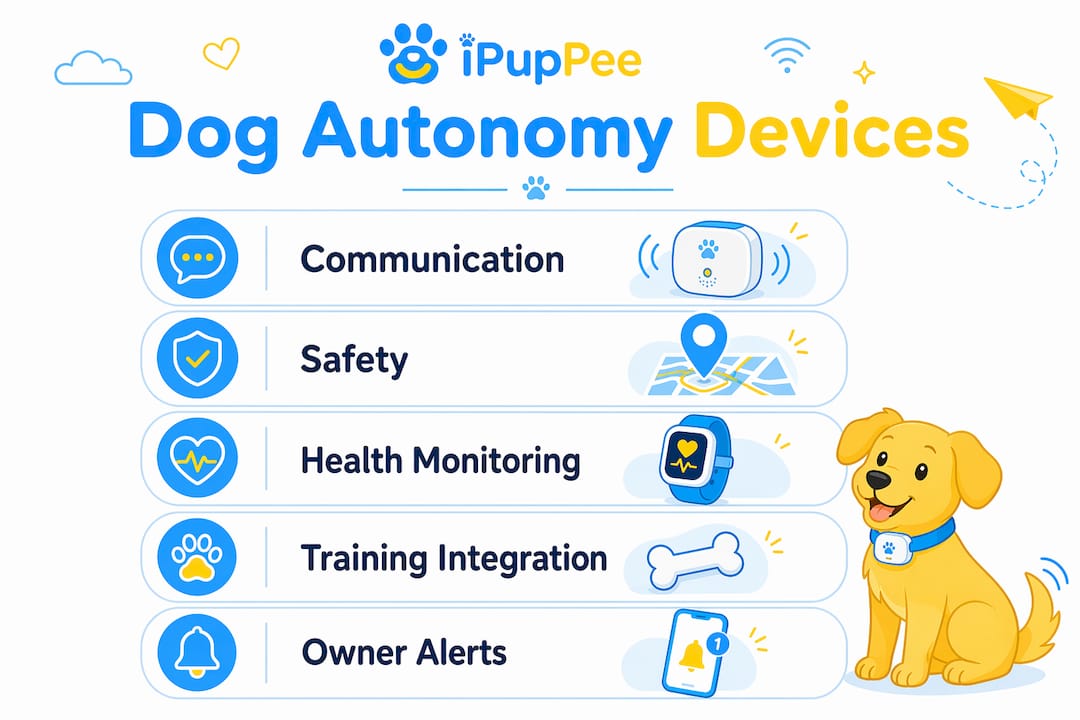
Dog autonomy devices are specialized tools designed to help dogs express needs, signal handlers, and operate with greater independence. Explaining dog autonomy devices means covering everything from wireless communication buttons to GPS-enabled smart collars, each built around canine physiology rather than human convenience. These tools reduce the communication gap between dogs and their handlers, which matters most for service dog teams, owners with disabilities, and trainers working with anxious or rescue dogs. The right device does not just add technology to a dog’s life. It changes the quality of that relationship.

What are dog autonomy devices and how do they work?
Dog autonomy devices are purpose-built tools that give dogs a physical way to communicate, stay safe, or signal a change in their condition. The industry term for this category is “assistive canine technology,” and it covers a wide range of products. Wireless buttons, GPS collars, and health-monitoring wearables all fall under this umbrella. What separates these tools from generic pet gadgets is their design philosophy: every feature starts with how dogs perceive and interact with the world, not how humans do.
Assistive devices tailored ergonomically to canine physiology reduce stress by clarifying specific needs and improving welfare for both dogs and handlers. That finding matters because stress in dogs often stems from unmet communication, not disobedience. When a dog can signal “I need to go outside” or “I am in distress” through a device, the handler responds faster and the dog learns that its signals produce results. That feedback loop builds confidence and reduces anxiety over time.
The category spans three main device types: communication buttons, GPS smart collars, and health-tracking wearables. Each solves a different problem, and many owners use more than one. Understanding how these tools support independence helps you choose the right combination for your dog’s size, temperament, and daily routine.
How do wireless communication buttons enable dogs to express needs?
Wireless buttons are the most direct form of canine autonomy technology. A dog presses the button with a paw or nose, and the signal triggers a connected home appliance, sends an alert to a handler’s phone, or activates a sound. The design is deceptively simple, but the engineering behind it is specific to dogs.
Wireless buttons for dogs feature blue push pads visible to dogs and lightly textured surfaces to prevent slipping during activation. Dogs see blue and yellow more clearly than red or green, so the color choice is functional, not decorative. Buttons operate up to 40 meters from connected appliances, which covers most home environments. The casing withstands repeated impacts, because dogs press hard and press often once they learn the behavior.
The Dogosophy Button is one real-world example of this approach. It was developed with animal charities and trainers to match canine sensory and motor skills rather than adapting a human-facing product. That distinction matters: devices designed around human models are frequently ignored by dogs, even after extensive training. The ergonomic fit determines whether the device gets used at all.
Practical use cases for wireless buttons include:
- Outdoor alerts: A dog presses the button near the door to signal it needs to go outside, reducing accidents and handler guesswork.
- Distress signaling: Service dogs can activate an alert button if their handler falls or becomes unresponsive, a critical safety function for people living alone.
- Appliance control: Dogs in enrichment programs press buttons to trigger feeders, fans, or lights, giving them agency over their environment.
- Training markers: Trainers use buttons as a bridge signal during shaping exercises, reinforcing the dog’s understanding that its actions produce outcomes.
Pro Tip: Start button training with a single button paired to a high-value reward. Add a second button only after the dog presses the first one reliably for at least two weeks. Rushing the sequence is the most common reason dogs lose interest.
What role do GPS smart collars play in dog safety and freedom?
GPS-enabled smart collars are the most widely adopted canine autonomy solution on the market. They combine satellite location tracking, cellular connectivity, and activity monitoring in a single wearable. The result is a device that gives dogs more physical freedom while keeping handlers informed in real time.
GPS collars use live tracking via cellular networks and satellite connectivity, allowing location updates beyond Bluetooth range. That means a dog can roam a large property, a hiking trail, or an off-leash park while the handler monitors its position on a phone app. Subscription fees apply to most cellular-enabled models, which is a real cost consideration for long-term use.
GPS tracking with geofencing alerts lets owners set virtual safe zones and receive notifications the moment a dog crosses a boundary. That feature is particularly valuable for dogs with high prey drive or escape tendencies. A notification triggers a fast response, often before the dog has traveled far enough to be at serious risk.
Battery life varies significantly across the category. GPS collar battery life ranges from 75 hours to 10 weeks depending on the model and how frequently live tracking is active. High-performance units designed for working dogs tend to sit at the lower end of that range because they update location more frequently. Lightweight models used for companion dogs can last up to six weeks per charge. Durability is equally important: some collars carry an IP68 waterproof rating and withstand rain, mud, and swimming, which is the minimum standard for active dogs.
The table below compares the two main GPS collar categories by use case:
| Feature | Lightweight companion collar | High-performance working collar |
|---|---|---|
| Battery life | Up to 6 weeks | 75 hours to 30 days |
| Update frequency | Every few minutes | Real-time or near real-time |
| Waterproofing | Water-resistant | IP68 rated |
| Subscription required | Yes | Yes |
| Best for | Companion dogs, suburban use | Working dogs, large properties |
For more detail on signal devices and geofencing options, the type of connectivity your area supports matters as much as the collar’s specs.
How do you choose and integrate the right autonomy device?
Choosing the right canine independence tool starts with three factors: the dog’s size and physical ability, its behavioral profile, and the handler’s daily routine. A device that works perfectly for a 70-pound Labrador may be physically inaccessible to a 12-pound terrier. A GPS collar built for off-leash hiking is overkill for a dog that never leaves a fenced yard.
Follow this process when evaluating options:
- Assess physical fit first. Collar weight should not exceed 5% of the dog’s body weight. Button activation force must match the dog’s paw or nose strength. A device that requires too much effort gets abandoned quickly.
- Match the device to the dog’s primary need. Communication buttons solve a different problem than GPS collars. Identify the single biggest friction point in your dog’s daily life before buying.
- Introduce the device gradually. Place the button or collar near the dog for several days before expecting use. Dogs that are rushed into device interaction often develop avoidance behaviors that take weeks to reverse.
- Use positive reinforcement exclusively. Every successful interaction with the device should produce a reward. Corrections during device training create negative associations that undermine the whole purpose of the tool.
- Track progress over two to four weeks. If the dog is not engaging with the device consistently by week four, reassess the ergonomic fit and the training approach before assuming the device is wrong.
Pro Tip: For senior dogs or dogs with joint issues, check the guidance on older dog care before selecting a device. Activation force and collar weight become more significant factors as dogs age.
Common challenges include dogs that press buttons randomly for treats rather than to communicate a genuine need. The fix is to pair each button with a specific context, such as placing the “outside” button only near the door, so the dog learns the signal has a location and a meaning.
How do smart devices support long-term dog health?
Health monitoring is the third pillar of canine autonomy technology, and it is the one most owners underestimate. Smart collars and wearables track movement patterns, sleep quality, resting heart rate, and behavioral shifts that would be invisible to the naked eye.
Smart collars detect subtle behavioral changes such as increased scratching, disrupted sleep, and elevated resting heart rate before overt symptoms appear. Early detection gives owners a window to act before a minor issue becomes a serious one. That is the core value of longitudinal data: a single reading means little, but a pattern over weeks tells a clear story.
Health experts recommend using wearable data as a longitudinal health journal rather than a diagnostic tool. The data complements veterinary care; it does not replace it. A spike in resting heart rate is a reason to call your vet, not a diagnosis in itself. That distinction keeps the technology useful without creating false confidence.
Key parameters that current health-tracking wearables monitor include:
- Daily step count and activity level, which flags sudden drops that may indicate pain or illness.
- Sleep duration and quality, since disrupted sleep often precedes behavioral and health changes.
- Resting heart rate trends, which can signal cardiovascular or anxiety-related issues over time.
- Scratching and licking frequency, which correlates with skin conditions, allergies, and stress responses.
For a deeper look at wearable health monitoring for dogs, the data becomes most useful when you establish a baseline during a period when your dog is healthy. Deviations from that baseline are what trigger meaningful action.
Key Takeaways
Dog autonomy devices work best when they are chosen for the dog’s specific physiology, trained with positive reinforcement, and used alongside professional veterinary care rather than as a replacement for it.
| Point | Details |
|---|---|
| Ergonomic design is non-negotiable | Devices built for canine sensory and motor skills get used; human-adapted tools get ignored. |
| Wireless buttons clarify communication | Buttons operating up to 40 meters give dogs a direct way to signal needs and reduce handler guesswork. |
| GPS collars expand safe freedom | Geofencing and live tracking let dogs roam more freely while keeping handlers informed in real time. |
| Health data requires a baseline | Wearable tracking is most useful when compared against the dog’s own healthy-period data. |
| Integration takes four weeks minimum | Consistent positive reinforcement over two to four weeks determines whether a device becomes a genuine tool or a novelty. |
Why I think most owners buy the wrong device first
Most dog owners I have spoken with buy a GPS collar because it is the most visible category, then wonder why their dog’s communication problems remain unsolved. A GPS collar tells you where your dog is. It does not tell you what your dog needs. Those are two completely different problems.
The wireless button category is where I have seen the most meaningful behavior change, particularly for service dog handlers and owners of anxious dogs. When a dog learns that pressing a button produces a reliable response, something shifts in how it carries itself. The dog becomes a participant in the relationship rather than a subject of it. That is not a small thing.
The ethical dimension of this technology deserves more attention than it gets. Devices should adapt to the dog, not the other way around. Forcing a dog to interact with a poorly designed tool through punishment-based training defeats the entire purpose of autonomy. The benefits of smart dog devices only materialize when the device fits the dog’s natural interaction patterns. Trainers and researchers still have significant work to do on standardizing what “canine-appropriate design” actually means across different breeds and sizes.
The technology is genuinely promising. The gap between its potential and how most people use it is still wide. Closing that gap requires better education, not better hardware.
— Andrew
Ipuppee’s tools for dog communication and safety
Ipuppee builds devices specifically for the communication and safety needs that this article covers. The iPupPee alert device gives dogs a simple, reliable way to signal their handlers through a single button press, with features designed for service dog teams, seniors, and owners with disabilities.
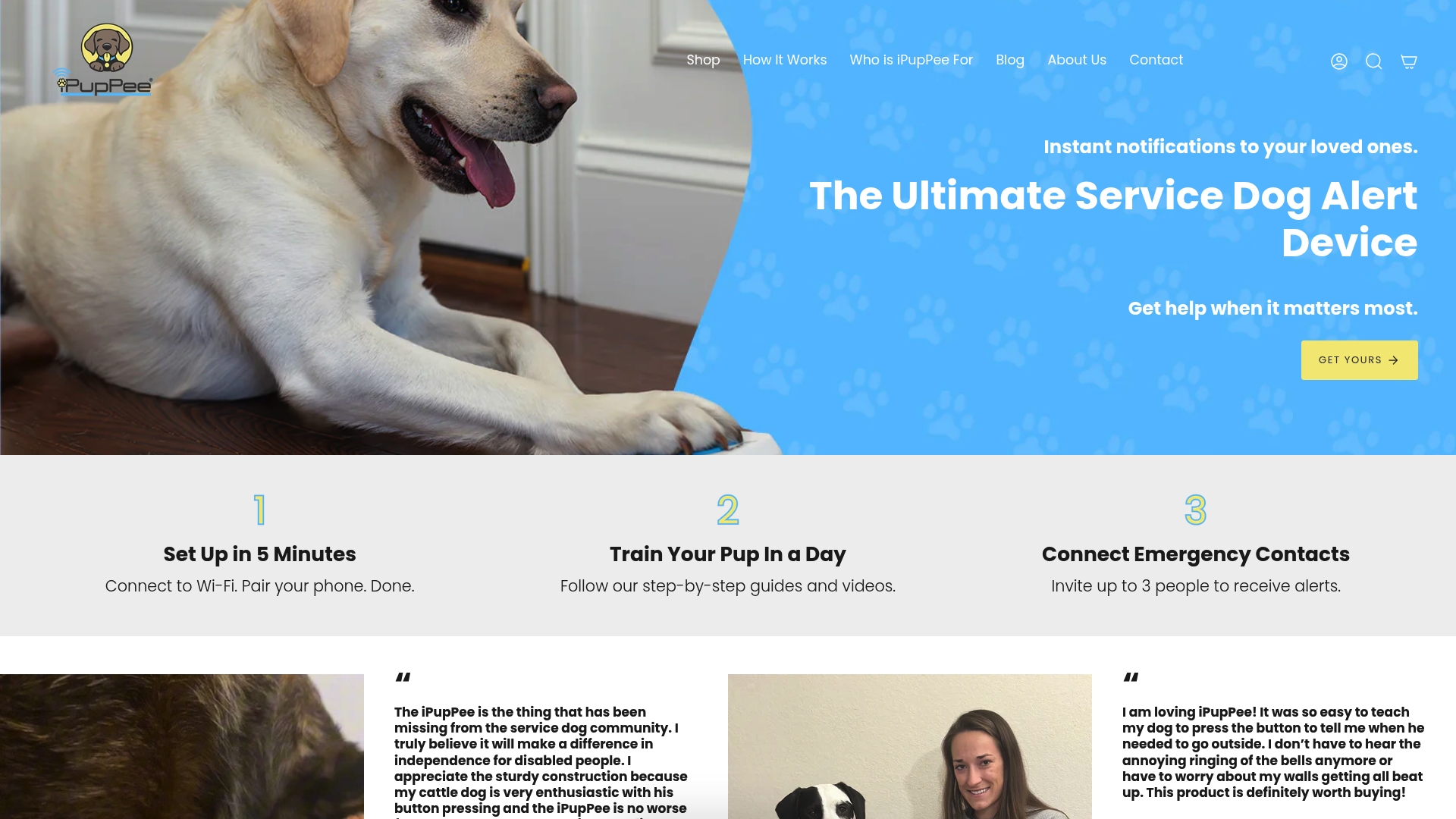
Ipuppee’s product line addresses the real friction points in dog-handler communication: unclear signals, delayed responses, and the stress that builds when a dog cannot make its needs understood. The devices are built for practical daily use, not occasional novelty. If you are ready to give your dog a clearer voice, explore Ipuppee’s alert devices and find the right fit for your dog’s size, behavior, and lifestyle.
FAQ
What are dog autonomy devices?
Dog autonomy devices are purpose-built tools that help dogs communicate needs, stay safe, and act with greater independence. The category includes wireless communication buttons, GPS smart collars, and health-monitoring wearables, all designed around canine physiology.
How do wireless buttons work for dogs?
Wireless buttons are activated by a dog’s paw or nose and send a signal to a connected appliance or handler alert system, operating up to 40 meters from the receiver. They are designed with textures and colors matched to canine sensory capabilities.
Do GPS collars actually improve a dog’s freedom?
Yes. GPS collars with geofencing allow dogs to roam larger areas safely because handlers receive instant alerts if the dog crosses a set boundary. Battery life ranges from 75 hours to 10 weeks depending on the model and tracking frequency.
Can health-tracking wearables replace vet visits?
No. Health experts recommend using wearable data as a longitudinal health journal that complements veterinary diagnosis, not as a standalone diagnostic tool. Patterns in the data are a prompt to consult a vet, not a substitute for professional care.
What is the biggest mistake owners make with these devices?
The most common mistake is rushing the introduction. Dogs that are pushed into device interaction before they are comfortable develop avoidance behaviors. A gradual introduction with consistent positive reinforcement over two to four weeks produces far better long-term results.