

Over 60 percent of dog owners report challenges in teaching their dogs effective communication signals. The process can be confusing without the right strategies and tools, yet a well trained alert system can transform daily life for both you and your dog. This guide explains clear, practical steps for selecting an alert device, training your dog, and ensuring strong communication so your canine companion stays confident and responsive.
Table of Contents
- Step 1: Prepare Your Dog And Choose The Alert Device
- Step 2: Introduce The Dog To The Alert Signal Device
- Step 3: Teach The Dog To Activate The Alert Signal
- Step 4: Reinforce The Desired Alert Signal Behavior
- Step 5: Test And Verify Reliable Alert Signal Responses
Quick Summary
| Key Point | Explanation |
|---|---|
| 1. Choose the Right Alert Device | Select a device that suits your dog’s behavior and training needs to ensure effective communication. |
| 2. Use Positive Reinforcement Training | Employ treats and praise to create positive associations with the alert device, making training enjoyable for your dog. |
| 3. Gradually Teach Activation Steps | Break down the activation of the alert signal into small, manageable steps to promote understanding and confidence in your dog. |
| 4. Test Alert Signal Reliability | Create various controlled scenarios to assess your dog’s ability to activate the alert signal consistently and accurately. |
| 5. Reinforce Desired Behaviors Consistently | Use immediate rewards for successful actions, and gradually increase training complexity and distractions to build reliability. |
Step 1: Prepare Your Dog and Choose the Alert Device
Choosing the right alert device and preparing your dog for communication training requires strategic planning and understanding. According to MDPI, selecting an appropriate alert device that matches your dog’s behavior and your specific needs is fundamental to successful signal communication.
When preparing for alert device training, start by evaluating your specific requirements. ArXiv research emphasizes the importance of matching devices to your dog’s natural signaling behaviors. Consider factors like the device’s size, ease of activation, and compatibility with your dog’s physical capabilities. Some alert devices are designed as wearable sensors that can track and communicate specific behavioral signals, while others are simple button mechanisms that dogs can press.
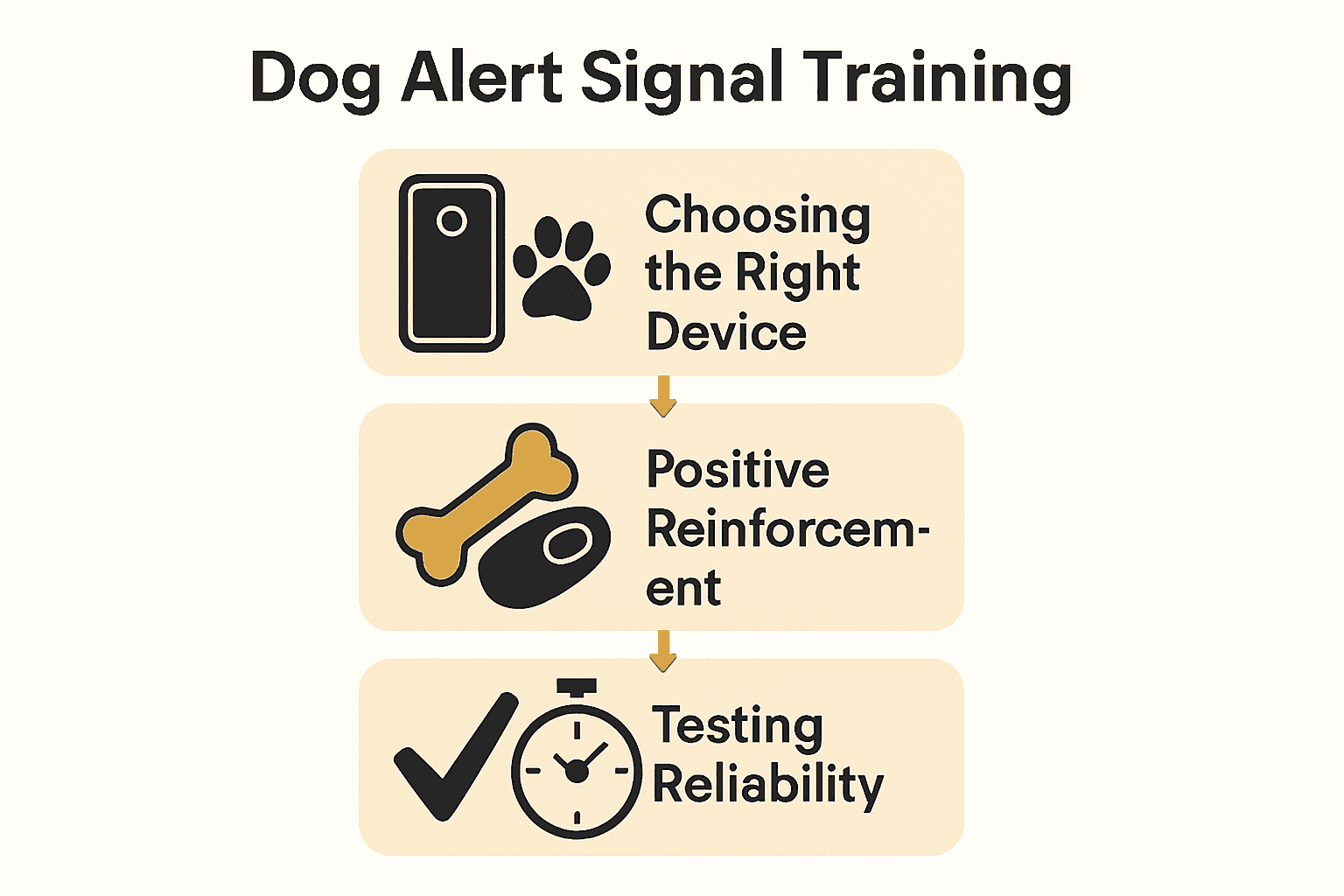
A critical tip for successful training is gradual introduction. Begin by familiarizing your dog with the alert device in a low stress environment. Allow them to investigate the device, associate it with positive experiences like treats or praise, and slowly integrate it into training sessions. Watch your dog’s comfort level and never force interaction with the device. The goal is creating a natural communication tool that feels intuitive and rewarding for your canine companion.
Once you have selected your alert device, the next step involves systematic training to help your dog understand its purpose and functionality. Learn more about device usage in our comprehensive dog alert device guide.
Step 2: Introduce the Dog to the Alert Signal Device
Introducing your dog to an alert signal device requires patience, positive reinforcement, and strategic training techniques. According to ArXiv, leveraging haptic feedback can significantly enhance a dog’s responsiveness to communication devices by creating tactile associations with specific signals.
The foundation of successful device introduction lies in positive reinforcement training. Wikipedia highlights clicker training as an effective method for teaching dogs new behaviors. Begin by creating a positive association with the alert device through treats, praise, and gentle encouragement. Place the device near your dog during calm moments, allowing them to investigate and become comfortable with its presence. When your dog shows curiosity or approaches the device voluntarily, immediately reward them to build a positive connection.
During initial training sessions, use short practice periods that keep your dog engaged and prevent frustration. Demonstrate the device’s functionality by gently guiding your dog to interact with it using treats as motivation. Watch for signs of understanding and comfort progression. If your dog seems hesitant, slow down the training and provide extra reassurance.
Discover more advanced alert device training techniques in our comprehensive guide that can help you refine your communication approach.
Step 3: Teach the Dog to Activate the Alert Signal
Teaching your dog to activate an alert signal requires systematic training and consistent positive reinforcement. According to ArXiv, assistance dogs can be effectively trained to recognize and respond to specific cues by developing targeted activation techniques for alert signals.
Start the training process by breaking down the alert signal activation into small incremental steps. MDPI research emphasizes the importance of consistent training protocols when teaching dogs to use sensor based alert mechanisms. Begin with simple demonstrations where you physically guide your dog to press or touch the alert device. Use high value treats and enthusiastic praise to reward each successful interaction. Gradually reduce physical guidance and encourage independent activation by using verbal cues and hand signals that prompt the dog to engage with the device.
Consistent practice is key to mastering alert signal activation. Create short training sessions that maintain your dogs excitement and prevent mental fatigue. Practice in various environments to help your dog generalize the skill and understand that the alert signal works everywhere. Watch for signs of confidence and independence during these sessions. If your dog seems confused or frustrated slow down the training pace and offer additional support.
Explore our comprehensive guide on advanced alert signal techniques to further refine your communication strategy.
Step 4: Reinforce the Desired Alert Signal Behavior
Reinforcing your dogs alert signal behavior requires consistent positive training techniques and strategic reward systems. Wikipedia highlights clicker training as an exceptional method for strengthening specific behavioral responses through precise positive reinforcement.
Develop a structured approach to reinforcement by creating a clear reward system that immediately acknowledges correct alert signal activation. According to ArXiv research on wearable behavior monitoring, timing is critical when reinforcing desired actions. Each time your dog successfully activates the alert signal reward them instantly with high value treats and enthusiastic verbal praise. This immediate positive feedback helps your dog understand exactly which behavior you want them to repeat. Consider using a consistent marker like a clicker or specific verbal cue that signals the exact moment they performed the desired action.
Gradually increase the complexity of your training by introducing distractions and varying practice environments. Start in quiet spaces with minimal interruptions and progressively move to more challenging scenarios. Watch for signs of consistent understanding and confidence in your dogs alert signal behavior.
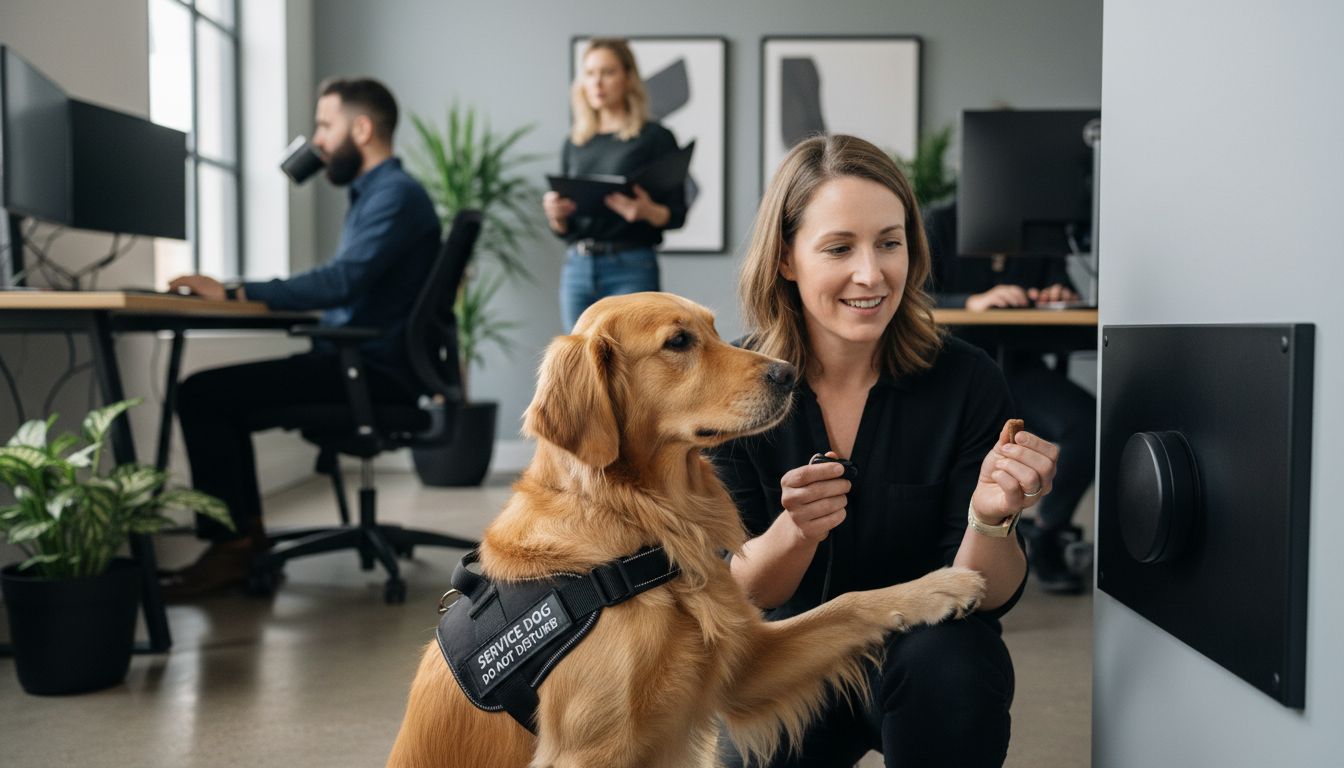 If your dog seems uncertain or struggles modify the training pace and provide additional support and guidance.
Explore our detailed guide on advanced signal training techniques to help refine your communication approach.
Step 5: Test and Verify Reliable Alert Signal Responses
Testing and verifying your dogs alert signal reliability is a critical phase in communication training that requires systematic and patient evaluation. MDPI research emphasizes the importance of consistent assessment to ensure dependable performance in alert signal responses.
Develop a comprehensive testing strategy that challenges your dog in various scenarios and environments. According to ArXiv, systematic testing helps assess the accuracy of assistance dogs alert signals. Begin by creating controlled scenarios with increasing difficulty levels. Start in quiet environments with minimal distractions and gradually introduce more complex situations. Simulate different potential trigger scenarios to confirm your dog can consistently and accurately activate the alert signal. Document each training session noting response times accuracy and any inconsistencies that emerge.
Pay close attention to your dogs performance indicators during testing. Look for consistent response times precise signal activation and appropriate follow through. If your dog shows any hesitation or inconsistent behavior revisit earlier training steps and provide additional reinforcement. Remember that mastering alert signals is a process that requires patience understanding and ongoing practice. Celebrate small victories and maintain a positive supportive training environment.
Discover more insights about dog communication and alert systems to enhance your understanding of effective training techniques.
Enhance Your Dog Alert Signal Training with iPupPee for Clear Communication and Safety
Training your dog to reliably activate an alert signal can be challenging. It requires patience, consistent reinforcement, and the right tools to help your dog understand and confidently use the device. If you have followed the step-by-step guide to teaching your dog alert signal communication, you know how important it is to have an intuitive, easy-to-activate device that fits your dog’s capabilities and training progress. Many dog owners face frustration when devices are complicated or not engaging enough for their furry companions to activate naturally.
At iPupPee, we understand these specific challenges. Our innovative alert device is designed to simplify dog-human communication by making the activation process straightforward and rewarding for your dog. Whether you are training a service dog, a new puppy, or a rescue dog, iPupPee helps strengthen your dog’s alert signaling behavior and improves safety for everyone in your household. The device integrates seamlessly into training programs, enhancing positive reinforcement techniques and making real communication possible.
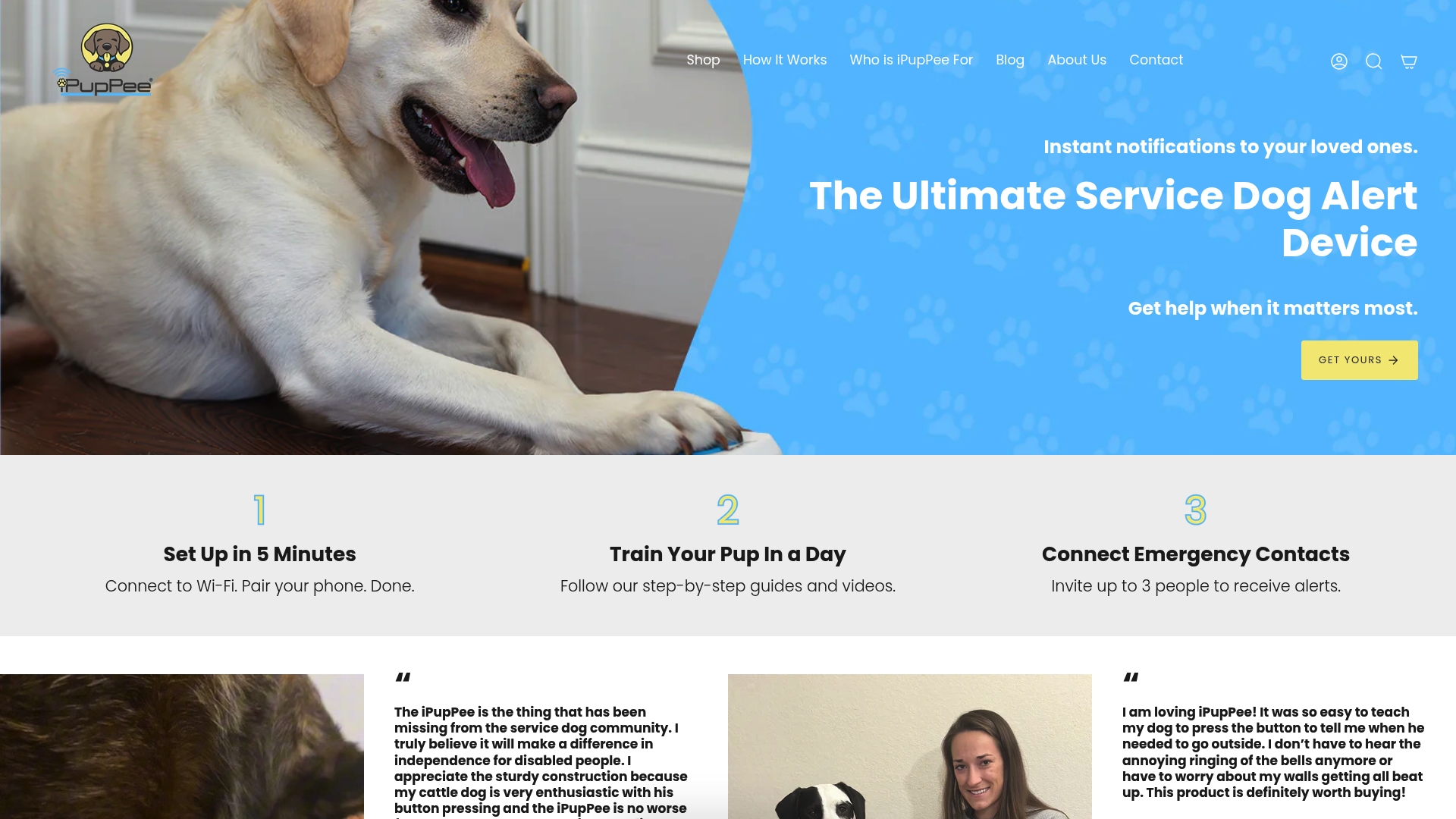
Take the next step in your dog alert signal training journey today. Explore our dog alert device usage guide and discover practical tips that complement your training. Dive deeper into advanced training methods with our dog alert training techniques. Ready to empower your dog and improve safety? Visit iPupPee.com now and find the perfect device that makes your dog’s alert signals clear, consistent, and confident.
Frequently Asked Questions
How do I choose the right alert device for my dog?
Choosing the right alert device involves evaluating your dog’s behavior and specific needs. Look for devices that align with your dog’s natural signaling behaviors, considering size and ease of activation.
What are the initial steps to introduce my dog to the alert signal device?
Start by familiarizing your dog with the alert device in a calm environment. Allow them to explore the device through positive reinforcement, rewarding their curiosity with treats and praise when they engage with it.
How can I effectively teach my dog to activate the alert signal?
Break down the learning process into small steps by physically guiding your dog to use the alert device. Use high-value treats as rewards and gradually allow them to activate the device independently with verbal cues and hand signals.
What methods should I use to reinforce my dog’s alert signal behavior?
Implement a structured reward system that immediately acknowledges successful alert signal activation. Consider using markers like a clicker to provide instant feedback each time your dog performs the desired behavior.
How can I test and verify my dog’s alert signal responses for reliability?
Create a comprehensive testing strategy by simulating various scenarios with different levels of difficulty. Document your dog’s performance and look for consistent activation and response times to ensure they can reliably respond to the alert signals.
Recommended
- Dog Alert Device Training Guide for 2025: Easy Steps & Tips – iPupPee
- Dog Signal Training Guide 2025: Teach Your Dog with Hand Signals – iPupPee
- Dog Alert Signals: Recognize and Respond for Safety in 2025 – iPupPee
- How to Train Dog Signaling: Simple Steps for 2025 – iPupPee
- Hundetræning for begyndere: Lær din hund grundlæggende kommandoer