

Finding the right communication technology for service dogs is a growing concern for thousands of American households where independence and safety are top priorities. Over 60 percent of seniors and people with disabilities report difficulty managing emergency situations without reliable support. Choosing and training the perfect alert device empowers you to strengthen your bond with your dog, elevate safety, and maintain confidence at home or on the go—wherever you live.
Table of Contents
- Step 1: Select The Right Alert Device For Your Dog
- Step 2: Prepare Your Home For Device Installation
- Step 3: Introduce The Communication Device To Your Dog
- Step 4: Train Your Dog To Use The Alert Device
- Step 5: Test And Reinforce Your Dog’s Alerting Skills
Quick Summary
| Key Message | Explanation |
|---|---|
| 1. Choose the right device features | Evaluate health monitoring, GPS tracking, and durability to fit your dog’s needs and lifestyle. |
| 2. Optimize home for device integration | Ensure proper placement of devices for clear communication and minimal interference with safety equipment. |
| 3. Introduce devices with positive reinforcement | Gradually expose your dog to the device, rewarding calm interaction to build comfort and trust. |
| 4. Conduct systematic training sessions | Break down the training process into simple steps, ensuring consistency and positive outcomes for your dog. |
| 5. Test and reinforce alerting skills regularly | Create controlled scenarios to assess and enhance your dog’s understanding and use of the alert device. |
Step 1: Select the right alert device for your dog
Choosing the perfect alert device requires careful consideration of your specific communication needs and your dog’s unique characteristics. When navigating the world of dog alert technologies, you need a strategic approach that matches your lifestyle and your dog’s personality.
Start by evaluating your primary communication objectives. Some devices focus on health monitoring, while others prioritize location tracking or immediate safety alerts. Dog alert device capabilities range from basic button press notifications to advanced geofencing and real-time health insights. Consider factors like battery life, durability, technical compatibility, and additional features that align with your specific requirements.
Your selection process should involve assessing three critical dimensions: your dog’s physical traits, your communication needs, and the device’s technical specifications. Smaller dogs might require lightweight devices, while more active breeds need rugged, water-resistant options. Consider your living situation, mobility challenges, and the specific scenarios where communication is most crucial.
Pro tip: Always test the alert device with your dog in a controlled environment to ensure comfortable and reliable usage before full deployment.
Here is a summary of common alert device features and their practical value:
| Feature | Benefit for Owner | Benefit for Dog |
|---|---|---|
| Real-time GPS Tracking | Instantly locates your dog | Promotes fast reunification |
| Health Monitoring | Early problem detection | Supports ongoing wellbeing |
| Geofencing Alerts | Receives escape notifications | Increases safety outdoors |
| Durable/Waterproof | Device withstands rough use | Comfortable for active dogs |
| Long Battery Life | Fewer recharges needed | Reduces unexpected shutdowns |
Step 2: Prepare your home for device installation
Preparing your home for a dog alert device involves strategic planning and thoughtful integration of safety technologies. Your goal is to create an environment where communication and emergency response can happen seamlessly and quickly.
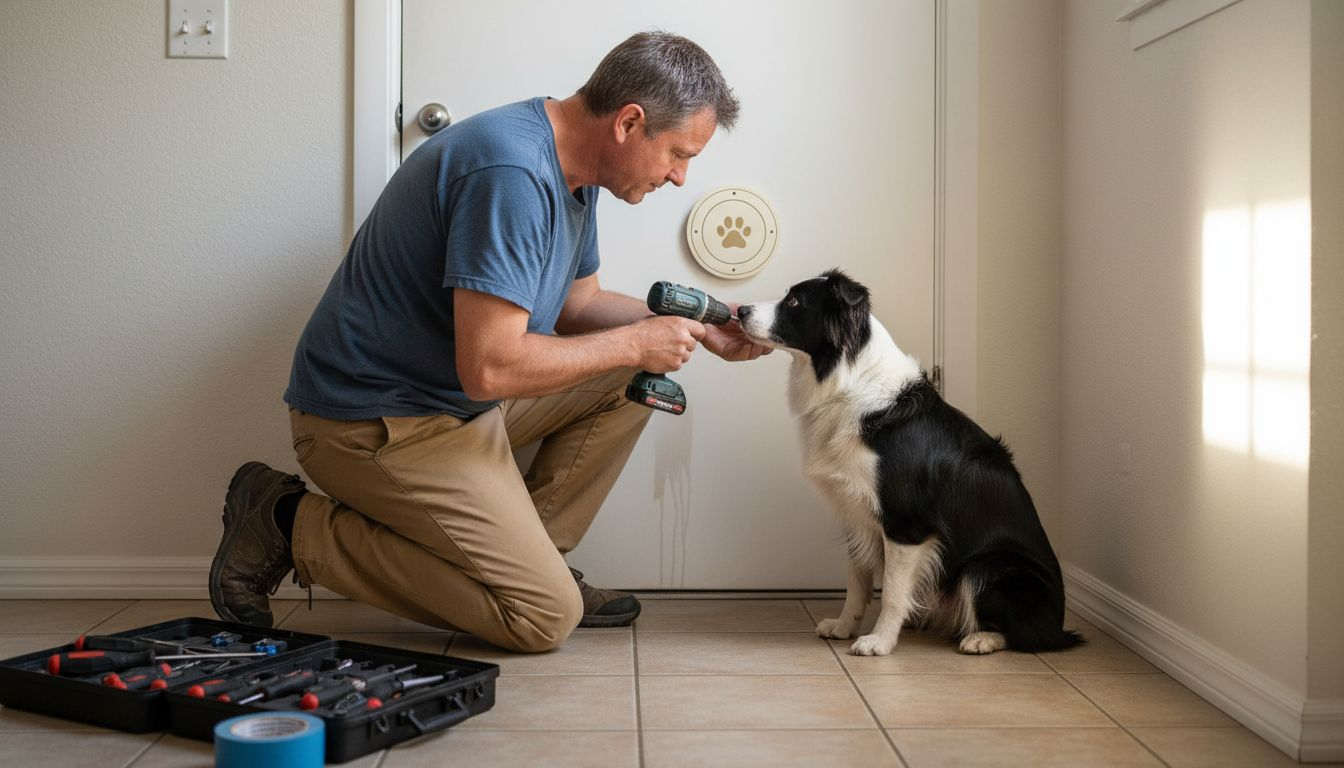
Home emergency alert systems require careful positioning and infrastructure considerations. Map out the key areas where your dog spends most of their time and ensure alert devices have clear signal paths. This might mean installing receiver units near sleeping areas, entry points, and spaces where your dog typically rests. Consider the proximity to existing home safety equipment like smoke detectors and ensure your new alert system can communicate effectively with these existing technologies.
Evaluate your home’s specific layout and potential communication barriers. Thick walls, multiple floors, and electronic interference can impact signal strength. Test device placement beforehand to confirm reliable connectivity. Ensure the alert buttons or smart collars are positioned at a height and location comfortable for your dog and accessible for quick activation during emergencies.
Pro tip: Create a dedicated charging station for your alert devices to maintain consistent power and make daily device management simple and routine.
Step 3: Introduce the communication device to your dog
Successfully introducing a communication device requires patience, positive reinforcement, and a strategic approach that makes your dog feel comfortable and confident with the new technology. Your primary goal is to transform the device from an unfamiliar object into a trusted communication tool.
Start by making the device a positive experience through gradual exposure and reward based training. Communication signals training involves creating associations between the device and pleasant interactions. Begin by letting your dog investigate the device naturally without pressure. Place treats near the device, allow gentle sniffing, and reward any calm interaction. This helps your dog view the communication tool as something nonthreatening and potentially enjoyable.
Move slowly through the introduction process, breaking it down into small manageable steps. Practice short training sessions where you demonstrate button pressing, immediately following with treats and enthusiastic praise. Pay close attention to your dog’s body language and comfort level. Some dogs might take to the device quickly, while others need more time and gentle encouragement. Consistency and positive reinforcement are key to helping your dog understand the new communication method.
Pro tip: Practice device interactions during calm moments when your dog is relaxed and receptive to learning new skills.
Step 4: Train your dog to use the alert device
Training your dog to use an alert device requires a systematic and patient approach that transforms the communication tool into a natural extension of your dog’s interaction method. Your ultimate objective is to help your dog understand how to use the device effectively and confidently.
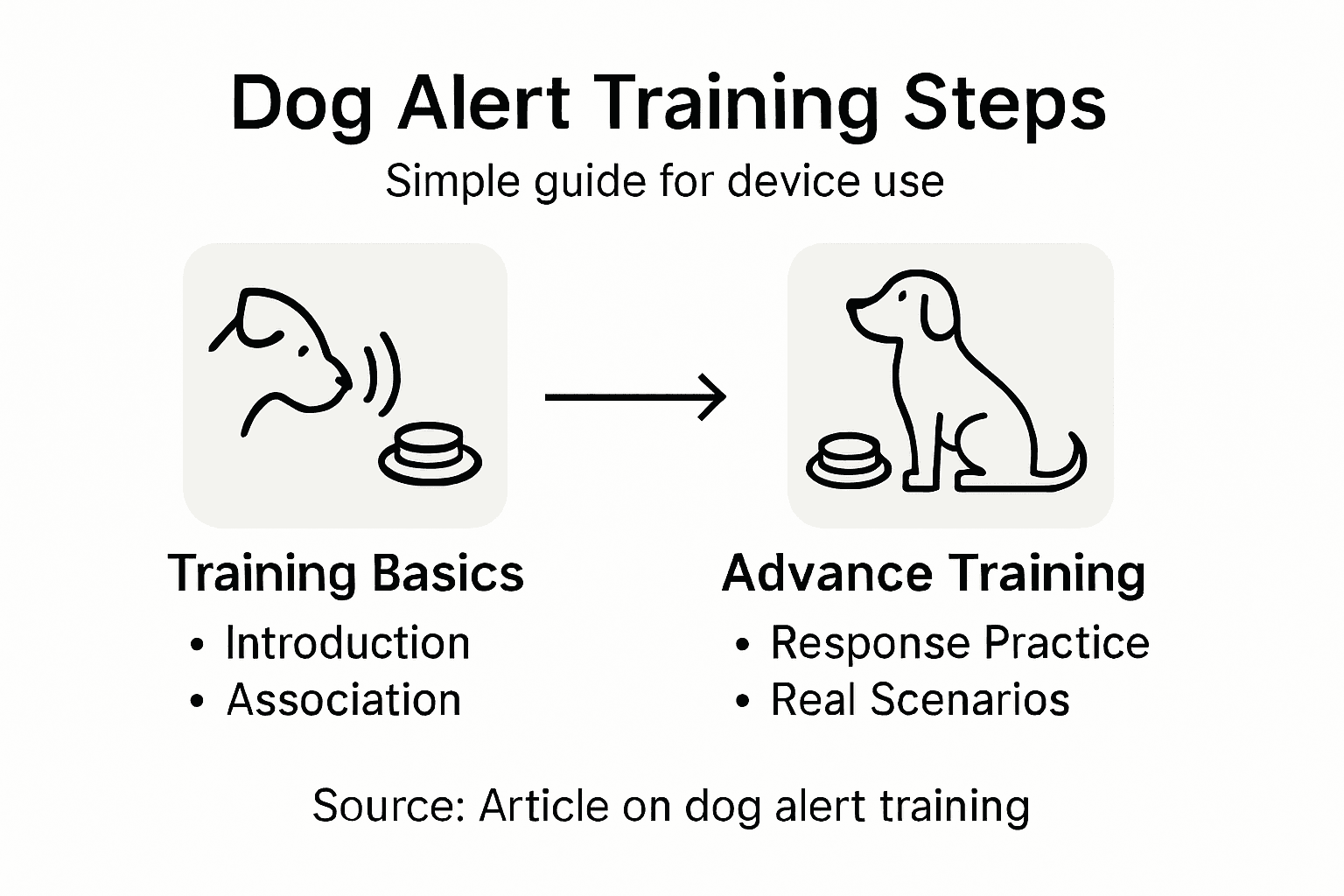
Dog alert response training begins with breaking down the communication process into simple, manageable steps. Start by establishing a clear connection between pressing the button and receiving a reward. Choose a quiet environment with minimal distractions. Demonstrate the button press yourself first, immediately followed by a treat and enthusiastic verbal praise. This helps your dog associate the device action with positive outcomes.
Progress gradually through increasingly complex training scenarios. Begin with basic button press interactions in controlled settings, then slowly introduce more challenging situations. Practice different scenarios such as signaling during mealtime, when needing to go outside, or indicating discomfort. Maintain consistent reward patterns and remain patient. Some dogs learn quickly, while others might require more repetitive training. Watch your dog’s body language closely, adjusting your approach to keep the learning experience positive and stress free.
Pro tip: Keep training sessions short and enjoyable, never exceeding 10 minutes to prevent overwhelming your dog.
The table below highlights key training stages and their goals:
| Training Stage | Main Focus | Ideal Outcome |
|---|---|---|
| Introduction | Build comfort and curiosity | Dog approaches device |
| Basic Association | Link device use to reward | Dog presses for treat |
| Scenario Practice | Simulate real-world needs | Dog signals consistently |
| Reinforcement | Encourage reliable response | Dog alerts without prompts |
Step 5: Test and reinforce your dog’s alerting skills
Reinforcing your dog’s alert device skills is a critical process that transforms basic training into reliable communication. Your goal is to create a consistent and dependable communication system that your dog can use confidently in various situations.
Dog alert training methods involve systematic evaluation and continuous improvement. Begin by creating controlled scenarios that test your dog’s understanding of the alert device. Set up different environments and situations that simulate potential real world communication needs. For instance, simulate scenarios like signaling for assistance, indicating discomfort, or requesting specific actions. Vary the context to ensure your dog understands the device’s purpose across multiple contexts.
Pay close attention to your dog’s response patterns and precision. Not all dogs learn at the same pace, so patience and consistent positive reinforcement are key. Document your dog’s progress, noting improvements and areas needing additional practice. Gradually increase the complexity of alert scenarios, always maintaining a supportive and encouraging training environment. Reward successful communications generously, using high value treats and enthusiastic praise to reinforce the desired behavior.
Pro tip: Record your training sessions on video to track progress and identify subtle improvements in your dog’s communication skills.
Empower Communication and Safety Between You and Your Dog Today
The challenge of teaching your dog to use alert devices for better communication is real and personal. The article highlights key pain points such as selecting the right device, introducing it gently, and reinforcing your dog’s alerting skills. These steps require patience and tools built for comfort, reliability, and easy training. If you want to enhance your dog’s ability to communicate needs clearly from anywhere in your home or on walks then the solution starts with the right technology designed specifically for your dog’s lifestyle.
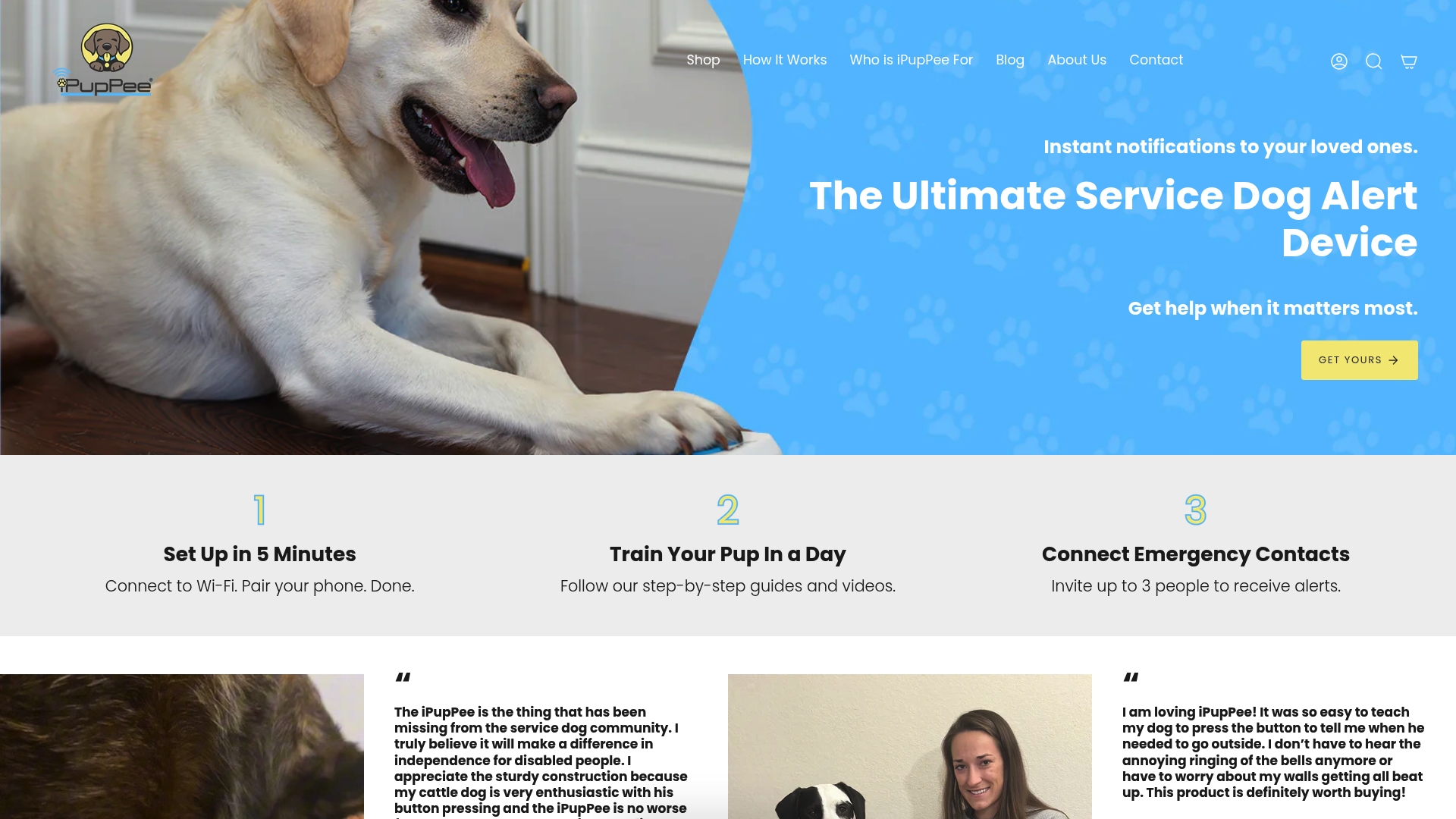
Discover the iPupPee at ipuppee.com, an innovative alert device created to empower dogs and owners who value safety and independence. Our device is lightweight, easy to wear, and features simple button presses that your dog can learn quickly. Benefit from expert training guides and watch your dog confidently signal for help in daily life or emergencies. Don’t wait for the next urgent moment. Visit iPupPee Communication Training and Dog Alert Response Training to get started with proven methods paired perfectly with our product. Take the first step toward peace of mind and stronger bonds now at ipuppee.com.
Frequently Asked Questions
How do dog communication devices help in locating my pet?
Dog communication devices utilize real-time GPS tracking to help dog owners locate their pets instantly. To improve your chances of quickly finding your dog, ensure the device is fully charged and test its tracking feature regularly.
What features should I look for in a dog alert device?
When selecting a dog alert device, consider features like health monitoring, geofencing alerts, and long battery life. Prioritize the features that address your communication needs and your dog’s comfort, ensuring you select a device that suits both of you.
How can I help my dog get comfortable with their alert device?
To make your dog comfortable with their alert device, gradually introduce it through positive reinforcement and reward-based training. Start by allowing your dog to explore the device, rewarding any calm interaction, and then proceed with short training sessions to demonstrate its use.
What steps are involved in training my dog to use an alert device?
Training your dog to use an alert device involves breaking down the process into simple steps, starting with making a clear association between pressing the button and receiving a reward. Create practice scenarios where your dog can signal for help, ensuring you are patient and provide consistent reinforcement throughout the training.
How can I test my dog’s alerting skills effectively?
To test your dog’s alerting skills, create controlled scenarios that simulate real-world situations where they need to communicate. Vary these scenarios to assess their understanding and responsiveness, and offer positive reinforcement to encourage reliable use of the alert device.
Recommended
- Dog Alerts Explained: Communication, Safety, and Use Cases – iPupPee
- Dog Communication Technology: Enhancing Safety and Independence – iPupPee
- Understanding Dog Alert Device Safety for Pet Owners – iPupPee
- Dog Alerts Explained: Safety, Training, and Technology – iPupPee
- 15 Effective Home Remedies for Bad Dog Breath