

TL;DR:
- Animal-assisted therapy improves mental, physical, and emotional health through biological mechanisms like oxytocin release. It benefits conditions such as anxiety, PTSD, depression, and autism while aiding physical rehabilitation and reducing loneliness. The effectiveness depends on proper program design, species selection, and ongoing animal welfare monitoring.
Animal-assisted therapy (AAT) is defined as a structured, goal-directed intervention in which trained animals and qualified handlers work alongside licensed clinicians to improve a patient’s mental, physical, or emotional health. The animal therapy benefits documented in clinical research span anxiety reduction, physical rehabilitation, and emotional support across populations ranging from children with autism spectrum disorder to seniors managing dementia. Studies confirm that AAT reduces anxiety symptoms such as tremors and heart palpitations, with behavioral improvements measurable within a single session. These effects are not placebo. They arise from real biological and social mechanisms that science has now mapped in detail.
What are the mental health benefits of animal therapy?
Animal therapy produces measurable changes in brain chemistry. Interactions with animals trigger oxytocin and dopamine release, which lower cortisol levels and reduce heart rate and blood pressure. That biological chain explains why patients report feeling calmer within minutes of contact with a therapy animal, not hours.
The mental health conditions that respond well to AAT include:
- Anxiety disorders: Randomized controlled trials show post-intervention reductions in physical anxiety symptoms, with smiling behavior rising from a baseline of 0.67 to 5.00 in observed sessions.
- PTSD: Structured dog-assisted sessions reduce hyperarousal and avoidance behaviors, helping veterans and trauma survivors re-engage with therapy.
- Depression: Animals provide non-judgmental social contact, which counters the social withdrawal and anhedonia that make depression so self-reinforcing.
- Autism spectrum disorder: AAT improves communication and functional behaviors in children with ASD, decreasing problem behaviors and increasing social engagement.
The science on how dogs reduce anxiety is particularly strong. Dogs are the most studied therapy animal species, and their social responsiveness to human emotional cues makes them especially effective in clinical settings. That said, the species matters less than the quality of the interaction itself.
Pro Tip: Ask your AAT provider whether sessions use dynamic interaction, such as walking or playing with the animal, rather than static contact alone. Research shows dynamic interaction produces greater neurohormonal changes and stronger anxiety relief.
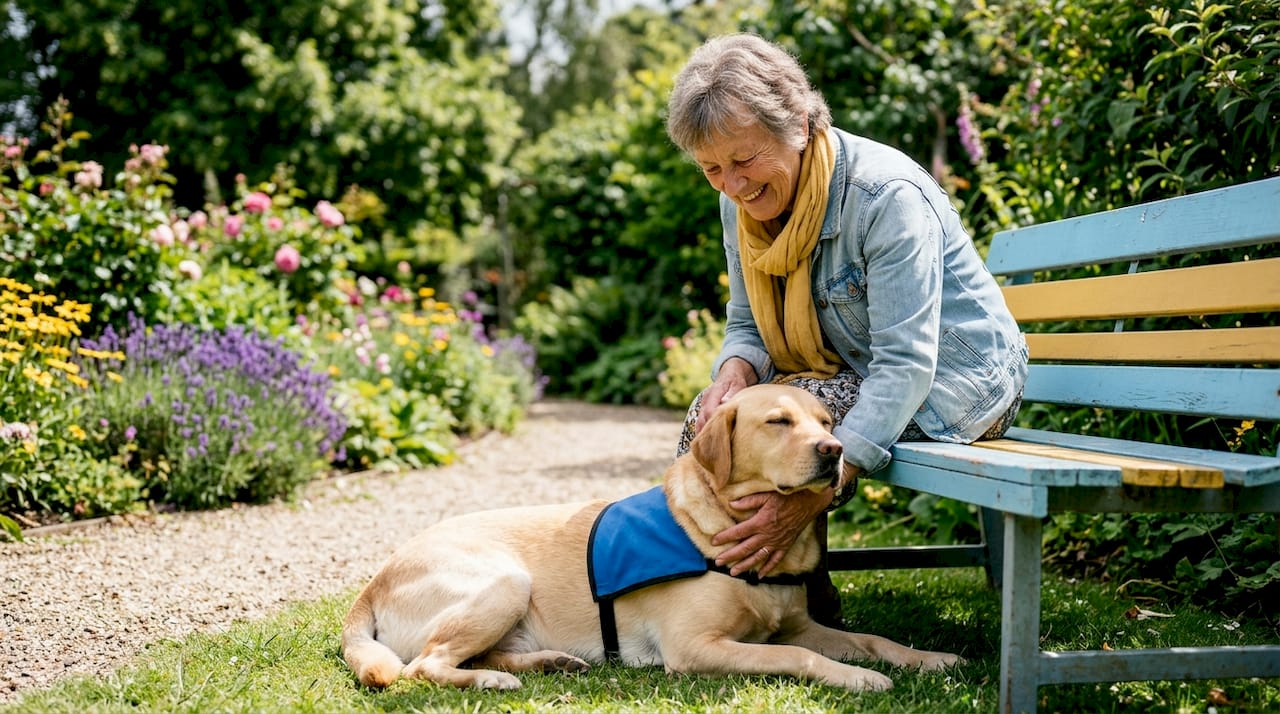
AAT works best as a complementary non-pharmacological approach within a broader mental health care plan. It does not replace medication or psychotherapy. It amplifies their effects by reducing the emotional barriers that prevent patients from engaging fully with treatment.
How does animal therapy support physical rehabilitation?
Physical rehabilitation is one of the least discussed but most clinically significant areas where AAT delivers results. Patients recovering from strokes, traumatic brain injuries, or orthopedic surgeries often resist repetitive exercises because they are painful and monotonous. Animals change that equation entirely.
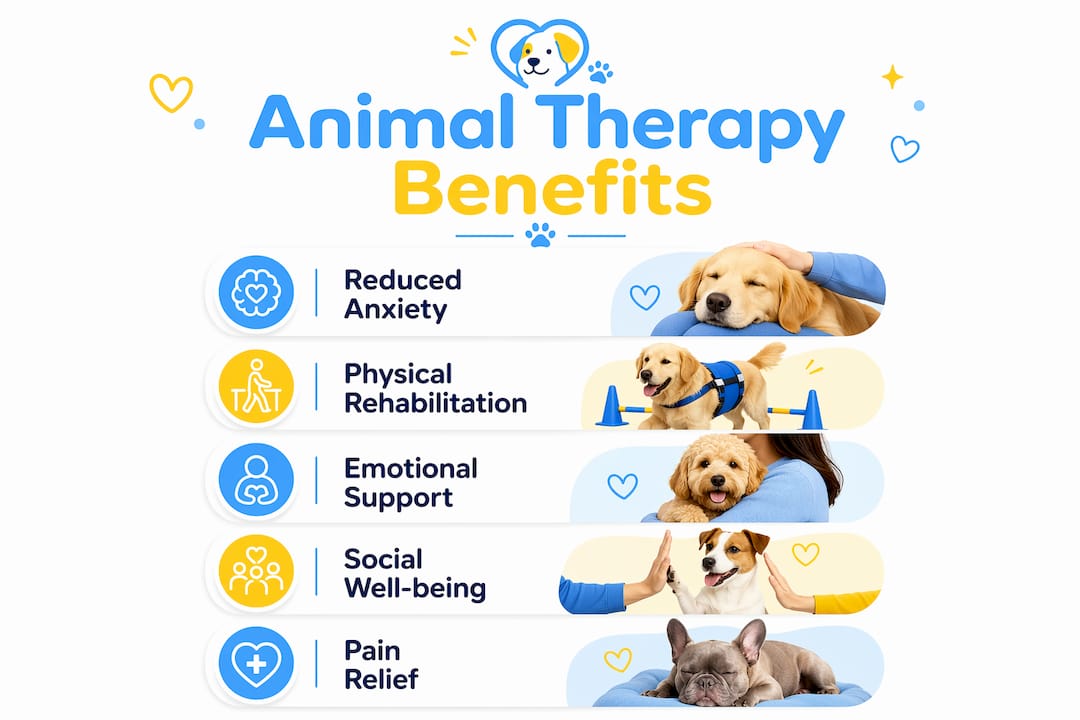
AAT motivates participation in physical therapy through playful, purposeful activities. Grooming a horse requires sustained arm movement and grip strength. Playing fetch with a dog demands standing, reaching, and coordination. These are the same motor skills targeted in occupational therapy, but patients perform them willingly because the goal feels meaningful rather than clinical.
The table below summarizes common therapy animals and their typical rehabilitation applications:
| Therapy animal | Common rehabilitation use | Primary patient benefit |
|---|---|---|
| Dogs | Fetch, leash walking, tactile contact | Motor skill practice, cardiovascular activity |
| Horses (equine therapy) | Grooming, riding, leading | Core strength, balance, coordination |
| Cats | Petting, lap contact | Fine motor control, calming for pain management |
| Rabbits | Handling, feeding | Gentle grip practice, sensory stimulation |
| Birds | Interaction, feeding | Focus, fine motor skills, cognitive engagement |
Physiological data supports these outcomes. Interaction with therapy animals can reduce the perceived intensity of pain, enabling some patients to reduce reliance on pain medication during recovery. That pain relief effect is not trivial. It directly increases the amount of therapeutic exercise a patient can tolerate in a single session.
Pro Tip: If you are evaluating a rehabilitation program that uses AAT, ask whether animal contact is integrated into the exercise itself or simply offered as a reward afterward. Integration produces better motor outcomes because the patient stays engaged throughout the session.
The advantages of therapy animals in physical rehabilitation extend beyond the session itself. Patients who enjoy their therapy are more likely to attend consistently. Attendance is the single biggest predictor of rehabilitation success.
How does animal therapy help with emotional support and social well-being?
Loneliness is a clinical risk factor, not just a feeling. Sustained social isolation raises the risk of cognitive decline, depression, and cardiovascular disease. Animals address loneliness in a way that human interaction sometimes cannot, because they offer unconditional presence without social pressure or judgment.
The emotional support benefits of pet therapy are especially well documented in two populations: seniors with dementia and individuals with ADHD.
- Dementia care: Caring for therapy animals adds structure, responsibility, and social engagement to daily life. Feeding, grooming, and interacting with an animal reactivates speech, memory, and focus in patients who have become withdrawn. The routine itself is therapeutic.
- ADHD management: Animals provide a non-verbal focus point that helps patients with ADHD regulate attention without the cognitive load of human social interaction. Sessions are shorter and more structured, which matches the attentional capacity of this population.
- Senior companionship: For older adults living alone, a therapy animal visit provides physical touch, a reason to move, and a social connection that reduces the cortisol spikes associated with chronic loneliness. Research on senior health and pets confirms that regular animal contact improves both mood and perceived quality of life.
- Grief and trauma: Animals provide a safe emotional outlet for people who struggle to verbalize pain. The non-verbal nature of the bond lowers the threshold for emotional expression, which is often the first step toward processing difficult experiences.
The dog training emotional benefits literature adds another layer. When patients actively participate in training or caring for an animal, they develop a sense of competence and purpose. Those feelings are powerful antidepressants in their own right.
Animal welfare is a non-negotiable part of ethical emotional support programs. An animal that is stressed or fatigued cannot provide genuine therapeutic benefit. Programs that prioritize animal well-being alongside patient outcomes produce better results for both.
What should you know before starting animal-assisted therapy?
Choosing an AAT program requires more than finding a facility with friendly animals. The quality of the intervention depends on species selection, animal welfare monitoring, professional oversight, and safety protocols.
Different animal species offer unique sensory input and motivational value. A patient with sensory sensitivities may respond better to a calm rabbit than an energetic dog. A patient working on gross motor skills may benefit more from equine therapy than cat-assisted sessions. Matching the animal to the therapeutic goal is a clinical decision, not a preference question.
Key factors to evaluate before enrolling in any AAT program:
- Professional credentials: The handler should hold recognized certification in AAT, and the supervising clinician should be a licensed therapist, occupational therapist, or physician.
- Animal welfare monitoring: Therapy animals showing signs of stress, such as ears back, yawning, or avoiding contact, must be removed from sessions immediately. A program that ignores these signals is not safe for the animal or the patient.
- Safety screening: Therapy animals must be veterinarian-cleared and trained for clinical environments to minimize zoonotic disease risk and prevent physical injury.
- Structured protocols: Programs without defined session goals, duration limits, and outcome tracking are unlikely to produce consistent results.
- Client education: Practitioners should educate patients on animal behavior cues before the first session. Understanding when an animal is uncomfortable prevents overstimulation and accidental negative interactions.
Pro Tip: Before your first session, ask the program coordinator three questions: How do you monitor the therapy animal’s stress levels? What credentials does the handler hold? How do you track patient outcomes over time? A quality program will answer all three without hesitation.
Long-term psychological changes require ongoing structured programs. Immediate calming effects appear within minutes, but lasting improvements in anxiety, depression, or cognitive function develop over weeks and months of consistent engagement. Set realistic expectations before you begin.
Key takeaways
Animal-assisted therapy produces real, measurable benefits for mental health, physical rehabilitation, and emotional well-being through biological mechanisms including oxytocin release, cortisol reduction, and increased social engagement.
| Point | Details |
|---|---|
| Biological basis of AAT | Animal interaction lowers cortisol and raises oxytocin, producing measurable calm within minutes. |
| Mental health reach | AAT addresses anxiety, PTSD, depression, and autism spectrum disorder as a complement to clinical treatment. |
| Physical rehabilitation value | Playful animal activities increase exercise adherence and motor skill practice in ways clinical drills cannot. |
| Emotional and social gains | Regular animal contact reduces loneliness, reactivates memory in dementia patients, and builds a sense of purpose. |
| Program quality matters | Species selection, animal welfare monitoring, and professional oversight determine whether AAT actually works. |
Why I think most people underestimate what animal therapy actually does
People hear “animal therapy” and picture a golden retriever visiting a hospital ward. That image is real, but it misses the depth of what structured AAT accomplishes. I have watched patients who refused to engage with any form of physical therapy spend 40 minutes enthusiastically grooming a horse because it felt like helping rather than exercising. That shift in perception is not a trick. It is a clinical outcome.
The part that surprises most people is the pain relief effect. Animals reduce the perceived intensity of pain, which means patients can do more therapeutic work in a single session. That is not a soft benefit. It is a measurable clinical advantage that changes recovery timelines.
My honest concern with the field is the gap between good programs and bad ones. A well-run AAT program monitors animal welfare, tracks patient outcomes, and integrates animal contact into structured therapeutic goals. A poorly run one puts a dog in a room and calls it therapy. The difference in outcomes is enormous. If you are considering AAT for yourself or someone you care for, ask hard questions about credentials and protocols before you commit.
AAT is not a miracle. It is a well-evidenced complementary tool that works best when it sits inside a broader treatment plan. Expect gradual progress, not overnight transformation. The patients who benefit most are the ones who engage consistently over months, not the ones who try it twice and move on.
— Andrew
Animal therapy resources and tools at Ipuppee
Ipuppee has built a library of practical resources for pet owners, service dog handlers, and anyone exploring the connection between animals and human well-being.
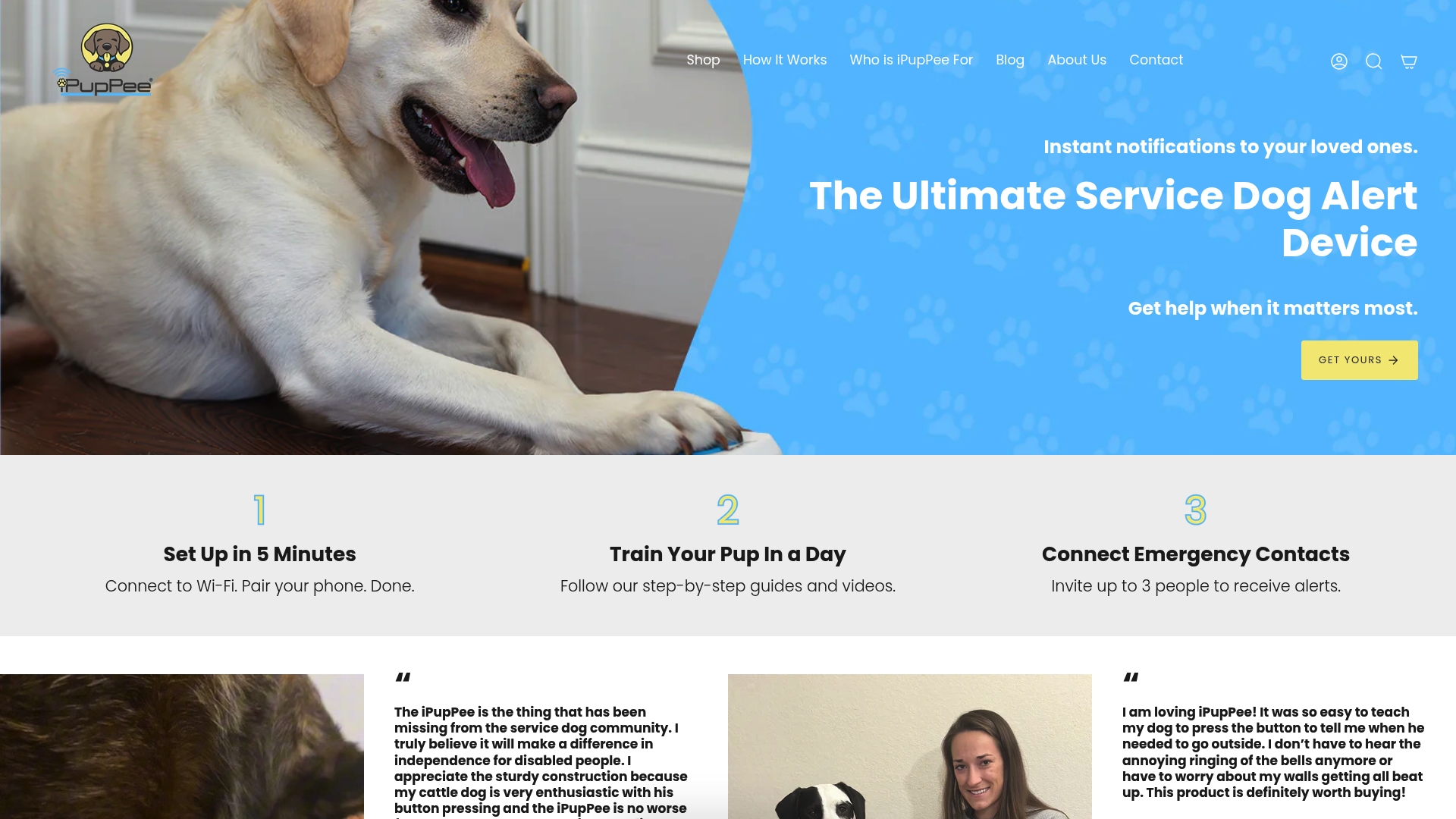
Whether you are researching the benefits of pet therapy for a family member or looking for tools that support communication between dogs and their owners, Ipuppee covers the full picture. The site also features the iPupPee alert device, designed to help dogs communicate needs to their owners through a simple button press. For seniors, disabled individuals, and anyone living alone with a service dog, that kind of reliable communication is part of what makes animal-assisted living genuinely safe and sustainable. Visit Ipuppee to explore the full range of resources and products.
FAQ
What is animal-assisted therapy?
Animal-assisted therapy (AAT) is a structured, goal-directed intervention in which trained animals and certified handlers work alongside licensed clinicians to improve mental, physical, or emotional health outcomes.
How quickly do animal therapy benefits appear?
Physiological effects like reduced heart rate and lower cortisol appear within minutes of animal contact. Lasting psychological improvements, such as reduced anxiety or improved mood, develop over weeks of consistent, structured sessions.
What mental health conditions does AAT treat?
AAT supports treatment of anxiety disorders, PTSD, depression, and autism spectrum disorder. It functions as a complementary intervention alongside medication and psychotherapy, not as a standalone treatment.
Are there risks associated with animal-assisted therapy?
Yes. Risks include zoonotic disease transmission and physical injury from animal contact. Qualified programs require therapy animals to be veterinarian-cleared, professionally trained, and monitored for stress during every session.
Which animals are used in therapy programs?
Dogs are the most widely studied therapy animals, but horses, cats, rabbits, and birds are also used. The best species for a given patient depends on their therapeutic goals, sensory preferences, and the specific skills being targeted.