

TL;DR:
- The 3-3-3 rule guides rescue dog care, outlining three days of decompression, three weeks of routine, and three months of settling. Proper management of feeding, health checks, and recognizing stress signals helps build trust and support emotional adjustment. Patience, positive reinforcement, and a calm environment are essential for a rescue dog’s successful integration.
Dog rescue care tips are the structured steps you take to help a newly adopted dog adjust safely and confidently to their new home. With an estimated 2 million dogs adopted annually in the U.S., the gap between a smooth transition and a stressful one almost always comes down to preparation. The 3-3-3 rule, a framework used by experienced adopters and trainers, gives you a clear timeline for what to expect and how to respond. Follow it alongside the feeding, health, and training strategies below, and you give your rescue dog the best possible start.
1. What is the 3-3-3 rule for rescue dog care?
The 3-3-3 rule is the most reliable framework for understanding how rescue dogs adjust after adoption. It breaks the transition into three phases: 3 days of decompression, 3 weeks of routine building, and 3 months of full emotional settling.
Days 1–3: Decompression
Your dog is overwhelmed. The shelter environment is loud and stressful, and your home is completely unfamiliar. During these first three days:
- Limit visitors and loud activity
- Let the dog explore at their own pace
- Avoid forcing physical contact or affection
- Keep interactions calm and low-key
Weeks 1–3: Routine building
The dog starts to recognize patterns. Meals, walks, and bedtime happen at consistent times. Basic training can begin. Trust starts to form through repetition and predictability.
Months 1–3: Full settling
The dog’s true personality emerges. Anxiety decreases. Bonding deepens. Some behavior issues that appeared early may resolve on their own as the dog feels secure.
Pro Tip: Most adopters expect a fully settled dog within days. The 3-3-3 rule resets that expectation and prevents early returns to shelters driven by misread behavior.
2. How to manage nutrition and feeding during the first days
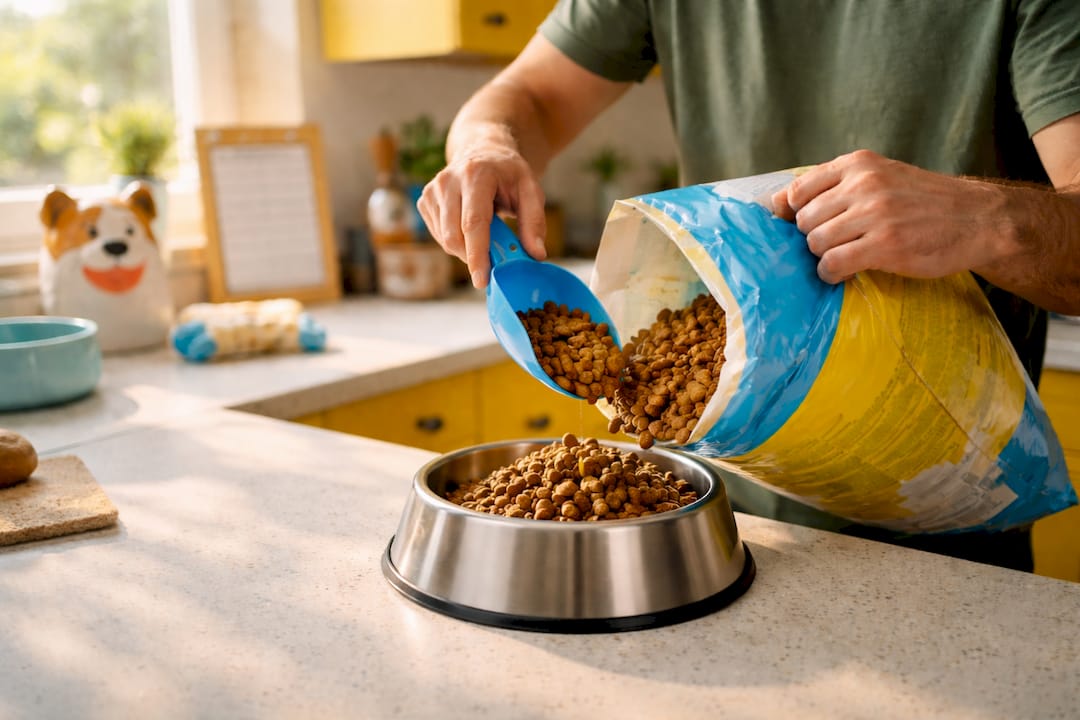
Stress causes real digestive sensitivity in rescue dogs. The right feeding approach in the first 24–48 hours prevents vomiting, diarrhea, and added anxiety.
- Day one: Feed half-portions in 2–3 small meals rather than one large serving
- First 7–10 days: Do not switch food brands or types; sudden diet changes worsen digestive stress
- Treats: Keep them under 10% of daily calories to maintain healthy weight and avoid overfeeding
- Water: Provide fresh water at all times; dehydration compounds stress symptoms
A consistent feeding schedule also signals safety. When a dog learns that food arrives at the same time every day, it reduces background anxiety. Pair feeding times with calm, quiet moments rather than busy household activity.
Pro Tip: If your rescue refuses food entirely during the first day or two, that is normal stress behavior. Offer the food, wait 15 minutes, then remove the bowl. Never force feeding.
3. Key health care tasks to complete in the first week
A baseline veterinary exam is the single most important health step you can take when caring for rescue pets. Schedule it within 7 days of bringing your dog home.
- Book a vet exam within 7 days. Shelters do their best, but a private vet gives you a full health baseline. Discuss any behavioral observations you have already made.
- Review vaccination and medical history. Ask the shelter for all records. Your vet will identify any gaps and schedule boosters if needed.
- Discuss heartworm, flea, and tick prevention. Your vet will recommend a prevention plan based on your region and the dog’s history.
- Set a bathroom break schedule. Adult dogs need bathroom breaks every 4–6 hours during the adjustment period. Puppies need them more frequently.
- Monitor stress-related health signs. Watch for loose stools, reduced appetite, excessive panting, and hiding. These are normal in the first week but should improve by day 5–7.
If any symptom persists beyond the first week, contact your vet. Early intervention prevents minor issues from becoming serious problems.
4. Recognizing stress signals before they escalate
Rescue dogs show stress through body language long before they growl or snap. Subtle signals include lip licking, yawning, turning away, and avoiding eye contact. These are communication attempts, not random behaviors.
Reading these signals correctly changes everything. A dog that turns away when you reach for them is not being stubborn. They are asking for space. Allowing dogs to communicate discomfort safely builds trust faster than pushing through their hesitation.
One often-overlooked signal: refusing treats. A dog that normally takes food but refuses treats is telling you the environment feels too threatening to eat. That is a clear sign to reduce stimulation immediately. Remove guests, lower noise levels, and give the dog more space.
Pro Tip: Keep a simple log of stress signals during the first two weeks. Patterns help you identify specific triggers, which makes training and environment adjustments far more targeted.
5. Training rescue dogs with positive reinforcement
Positive reinforcement is the only training method that works reliably with rescue dogs. Punishment of anxiety-driven behaviors erodes trust and worsens fear responses. The dog is not misbehaving out of defiance. They are reacting to stress they do not yet know how to manage.
Effective training in the first weeks looks like this:
- Reward calm behavior with treats, praise, or gentle petting, whichever the dog prefers
- Ignore destructive behavior driven by anxiety rather than correcting it harshly
- Use short sessions of 5–10 minutes to avoid mental fatigue
- Start with simple commands like “sit” and “stay” before moving to complex tasks
Training based on positive reinforcement and ignoring anxiety-driven destructive behavior promotes healing. That is not a soft approach. It is the most effective one, backed by behavioral science and consistently recommended by professional trainers.
For a deeper breakdown of training methods by stage, the rescue dog training guide at Ipuppee walks through trust-building techniques step by step.
Pro Tip: Sniff walks and puzzle toys count as enrichment, not just exercise. A 20-minute sniff walk tires a dog mentally more than a 45-minute run. Use both.
6. Creating a calm environment that supports gradual adjustment
Environment design is as important as training when you are adopting rescue dogs. A chaotic home slows adjustment. A structured, predictable space speeds it up.
Start with a dedicated safe space. A crate works well when introduced correctly. Place the crate near your sleeping area so the dog feels proximity without full access to the house. If the dog cries at night, wait 3–5 minutes before offering calm reassurance. Avoid excited greetings that reinforce anxious energy.
Keeping initial weeks low-pressure prevents sensory overload, which is one of the most common reasons newly adopted dogs regress after a promising first few days. Limit guests, avoid dog parks, and skip large social events until the dog shows consistent comfort at home.
Structure your daily routine around these pillars:
- Consistent meal times at the same hours each day
- Predictable walk schedules with decompression walks of 15–30 minutes focused on potty needs first
- Quiet rest periods in the middle of the day, especially for older or anxious dogs
- Choice and agency in small moments, letting the dog approach you rather than always initiating contact
Consistent timing of meals, potty breaks, and walks helps rescue dogs settle faster by giving them a predictable world they can begin to trust.
Key takeaways
Caring for a rescue dog requires patience, structure, and a clear understanding of the 3-3-3 adjustment framework to prevent common mistakes and build lasting trust.
| Point | Details |
|---|---|
| Follow the 3-3-3 rule | Expect 3 days of decompression, 3 weeks of routine, and 3 months for full emotional settling. |
| Feed small and consistent | Use half-portions on day one and avoid diet changes for at least 7–10 days. |
| Vet visit within 7 days | Schedule a baseline exam to address vaccinations, prevention, and health monitoring. |
| Read stress signals early | Lip licking, yawning, and treat refusal are stress signals that require a calmer environment. |
| Use positive reinforcement only | Punishing anxiety behaviors worsens fear; reward calm behavior and ignore anxiety-driven reactions. |
What I have learned from watching rescue dogs settle in
The thing that surprises most new adopters is how long the real dog takes to show up. You bring home a quiet, compliant animal and assume that is who they are. Then week four arrives and suddenly there is a dog on your couch who has opinions about everything. That is not a problem. That is the dog finally feeling safe enough to be themselves.
The biggest mistake I see is rushing socialization. People want their rescue to love other dogs, love strangers, love the dog park. They push it too fast and then wonder why the dog snapped at a neighbor’s kid or shut down at the pet store. The dog was not ready. The owner did not read the signals.
Body language is the skill that changes everything. Once you learn what a stress yawn looks like versus a tired yawn, you start catching problems before they escalate. That knowledge protects your dog and protects the people around them. If you are struggling to read your dog’s signals, a certified professional trainer is worth every dollar. Do not wait until there is a serious incident to ask for help.
The reward for patience is real. A rescue dog that has been given time, structure, and consistent kindness becomes one of the most loyal animals you will ever share your life with.
— Andrew
Ipuppee resources for rescue dog owners
Bringing a rescue dog home is just the beginning of an ongoing relationship that benefits from good information and the right tools.
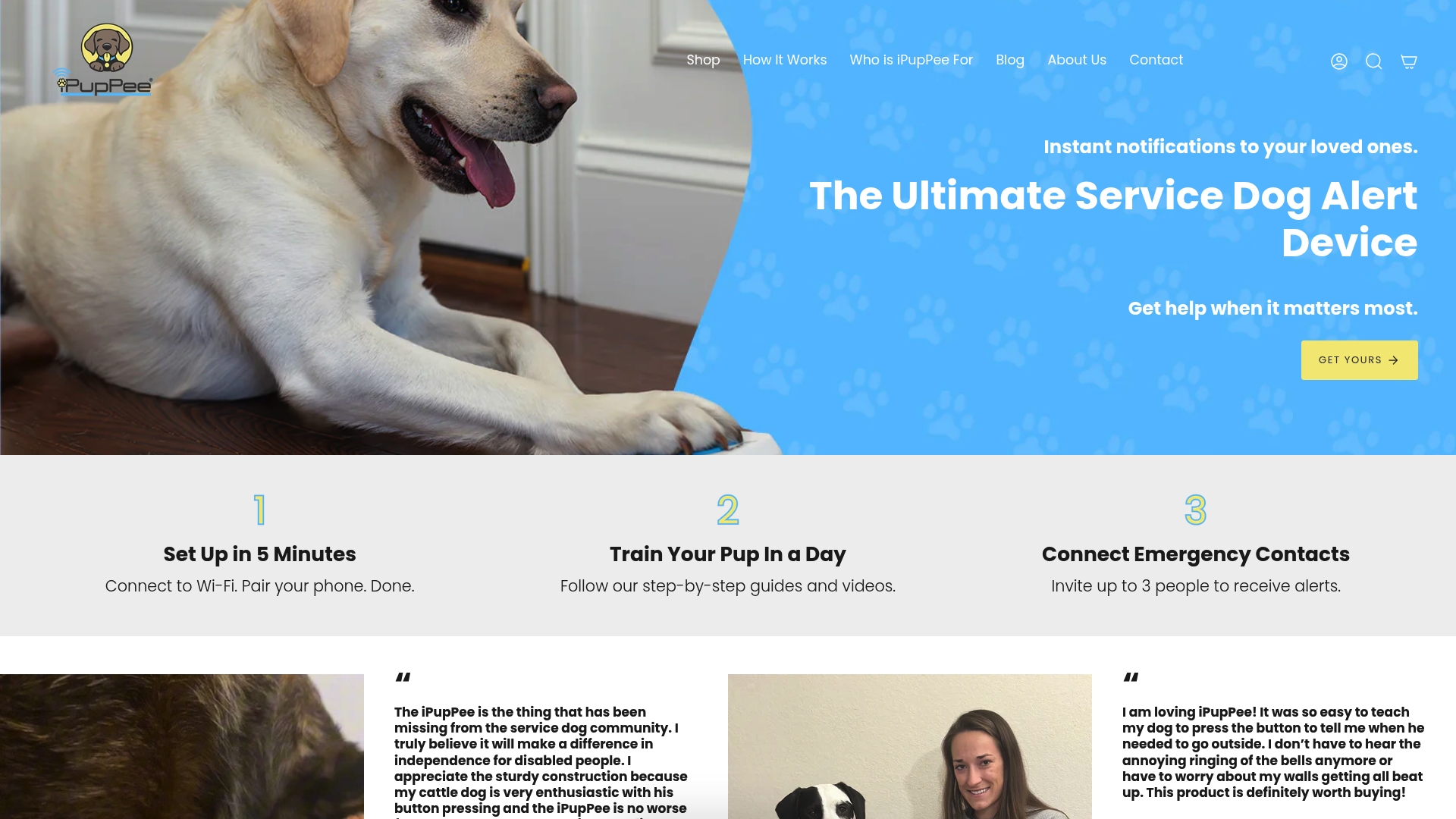
Ipuppee publishes expert-backed guides covering everything from handling rescue dogs in the early weeks to building long-term communication between dogs and their owners. The Ipuppee blog also covers how the iPupPee alert device supports rescue dog owners, seniors, and people with disabilities who need a reliable way for their dog to signal needs without verbal commands. Visit ipuppee.com to explore the full resource library and product information.
FAQ
What is the 3-3-3 rule for rescue dogs?
The 3-3-3 rule describes three adjustment phases: 3 days of decompression, 3 weeks of routine building, and 3 months for full emotional settling. It helps adopters set realistic expectations and avoid misreading normal stress behavior as permanent personality traits.
How soon should I take my rescue dog to the vet?
Schedule a baseline veterinary exam within 7 days of adoption. The exam covers vaccinations, preventive care for heartworm and parasites, and a general health check to establish a starting point for ongoing care.
Why is my rescue dog refusing treats?
Treat refusal is a reliable stress signal indicating the environment feels too threatening for the dog to eat. Reduce stimulation by removing guests, lowering noise, and giving the dog more space until they feel comfortable enough to accept food.
Can I start training my rescue dog right away?
Basic positive reinforcement training can begin in the first week, but keep sessions short at 5–10 minutes. Avoid complex commands or group classes until the dog shows consistent comfort at home, typically after the first 3 weeks.
How do I stop my rescue dog from being anxious at night?
Place the crate near your sleeping area so the dog feels proximity without full access to the house. If crying starts, wait 3–5 minutes before offering calm reassurance, and avoid excited greetings that reinforce anxious energy.