

TL;DR:
- Proper dog grooming maintains hygiene and coat health through regular, routine care. Using the correct tools tailored to coat type and following a consistent schedule prevents discomfort and health issues. Building trust through gentle handling and desensitization makes grooming safe, stress-free, and beneficial for your dog.
Dog grooming tips are practical methods for maintaining your dog’s hygiene, coat health, and appearance safely at home. Regular grooming is preventive health care, not just a cosmetic routine. Owners who groom consistently are often the first to spot lumps, skin irritation, or early signs of infection. The right tools, a reliable schedule, and stress-reducing techniques make the difference between a dog that tolerates grooming and one that welcomes it.
1. What are the best tools for dog grooming at home?
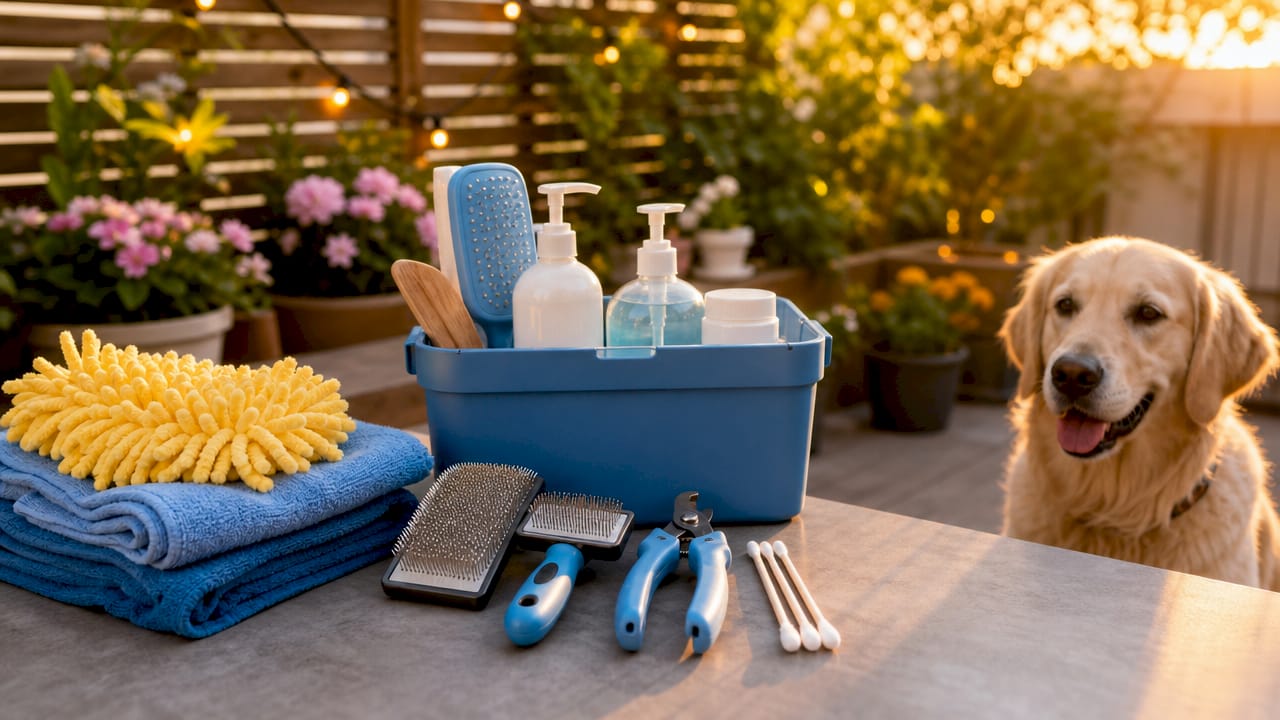
Choosing the right tools is the single most critical factor for coat health. Incorrect brush choice causes coat damage, skin pain, and infection. Match every tool to your dog’s coat type before you buy anything.
Core grooming tools by coat type:
- Short coats (Beagles, Boxers): rubber curry brush or bristle brush to remove loose hair
- Medium coats (Golden Retrievers, Border Collies): slicker brush plus a metal comb to work through layers
- Long coats (Shih Tzus, Maltese): pin brush, wide-tooth metal comb, and an undercoat rake
- Double coats (Huskies, German Shepherds): undercoat rake and a de-shedding tool for seasonal blowouts
- Curly or wavy coats (Poodles, Doodles): slicker brush and a metal comb to prevent matting
Beyond brushes, a complete grooming tool kit includes nail clippers, styptic powder, pet-specific shampoo, ear cleaning solution, and cotton balls. Never use human shampoo on dogs. Human shampoo disrupts the skin’s pH balance and causes dryness and irritation.
Pro Tip: Ask your vet or a professional groomer to identify your dog’s exact coat category before purchasing tools. One wrong brush can undo weeks of good grooming.
2. How often should you groom your dog?
Grooming frequency depends on coat type, activity level, and the specific task. Brushing daily to weekly, bathing every 4–8 weeks, trimming nails every 3–4 weeks, and cleaning ears weekly covers most dogs. Deviating significantly from these intervals creates real health risks.
| Grooming task | Recommended frequency | Key caution |
|---|---|---|
| Brushing | Daily (long coats) to weekly (short coats) | Skipping causes mats and tangles |
| Bathing | Every 4–8 weeks | More frequent bathing strips natural oils |
| Nail trimming | Every 3–4 weeks | Overgrown nails alter gait and cause pain |
| Ear cleaning | Weekly or as needed | Avoid inserting anything into the ear canal |
| Teeth brushing | 3–4 times per week | Use dog-specific toothpaste only |
Excessive bathing strips natural oils and leads to dermatitis. That means a dog bathed every week will likely develop dry, itchy skin within weeks. Stick to the 4–8 week window unless your vet advises otherwise.
3. How to reduce your dog’s stress during grooming
Stress-free grooming starts long before you pick up a brush. Desensitization to tools and sounds is the most effective way to reduce grooming resistance. Let your dog sniff the brush, hear the clippers running, and investigate the bathtub before any actual grooming begins.
Behavioral strategies that work:
- Start with short sessions of 1–3 minutes and build up gradually to 10–20 minutes as your dog gains confidence
- Use treats and calm praise immediately after your dog tolerates a tool or touch
- Practice consent-based handling: wait for your dog to lean in or stay still before proceeding
- Stop the session if your dog shows hard staring, lip licking, yawning, or attempts to move away
- Keep grooming sessions predictable by using the same location and sequence each time
Trigger stacking is a real risk. A dog who already had a stressful day at the vet or park has a much lower tolerance for grooming. Schedule grooming on calm, low-activity days whenever possible.
Pro Tip: For water-fearful dogs, administer a vet-approved calming aid 30–45 minutes before the bath and place a lick mat with peanut butter on the tub wall as a distraction. This keeps attention forward and reduces cortisol spikes.
4. Step-by-step guide to brushing, bathing, nail trimming, and ear cleaning
Brushing
Always brush before bathing. Water tightens mats, making them nearly impossible to remove without cutting. For long or curly coats, a pre-bath brush-out takes 10–20 minutes but prevents painful post-bath matting. Work in sections from the skin outward. Never yank through a tangle. Use a detangling spray and work the mat apart with your fingers first.
Bathing
Use lukewarm water throughout. Hot water burns sensitive skin, and cold water spikes anxiety. Wet the coat fully, apply dog-specific shampoo from neck to tail, and massage it into the skin. Rinse completely. Shampoo residue left in the coat causes itching and dryness. Dry with a towel or low-heat dryer, keeping the dryer moving to avoid heat concentration.
Nail trimming
Cut only the tip of the nail where it curves downward. In white nails, the pink quick is visible. In black nails, trim in small increments and stop when you see a dark circle in the center of the cut surface. Keep styptic powder nearby at all times. If you cut the quick, apply styptic powder with light pressure for 30 seconds.
Ear cleaning
Apply ear cleaning solution to a cotton ball and wipe the visible inner ear flap. Never insert a cotton swab or your finger into the ear canal. Doing so pushes debris deeper and risks injury. Check for redness, odor, or dark discharge. Any of those signs means a vet visit, not more cleaning.
Expert warning: Mats that get wet tighten against the skin and can cause severe pain, bruising, and even skin death in extreme cases. Always brush before you bathe, especially for Poodles, Doodles, and any long-coated breed.
5. Common mistakes dog owners make when grooming at home
Most at-home grooming problems come from a handful of repeatable errors. Knowing them in advance saves your dog discomfort and saves you a vet bill.
- Using the wrong brush: A slicker brush on a short-coated dog scratches the skin. An undercoat rake on a single-coat breed pulls healthy hair. Always match the tool to the coat.
- Bathing too often: Washing more than once every four weeks strips the skin’s natural oil barrier. This leads to flaking, redness, and chronic itching.
- Rushing the session: A dog pushed through grooming faster than it can process the experience associates grooming with stress. That association compounds over time and makes future sessions harder.
- Cutting nails too short: Cutting into the quick causes immediate pain and bleeding. It also makes dogs hand-shy and resistant to future nail trims.
- Improper ear cleaning: Inserting anything into the ear canal introduces bacteria and risks rupturing the eardrum. Wipe only what you can see.
- Ignoring stress signals: Yawning, lip licking, whale eye (showing the whites of the eyes), and freezing are all stress signals. Continuing past these signs damages trust and increases the risk of a bite. If a grooming mishap does result in a bite, knowing what to do after a dog bite is worth reviewing in advance.
The essential grooming tools and practices that prevent these mistakes are well-documented. Owners who invest time in learning proper technique before grooming avoid the most common pitfalls entirely.
Key takeaways
Consistent, technique-driven grooming protects your dog’s coat, skin, and overall health far more effectively than occasional intensive sessions.
| Point | Details |
|---|---|
| Match tools to coat type | Wrong brushes cause skin damage and infection; identify coat category first. |
| Follow a grooming schedule | Brush weekly, bathe every 4–8 weeks, trim nails every 3–4 weeks. |
| Desensitize before grooming | Let dogs sniff tools and hear sounds before use to reduce anxiety. |
| Always brush before bathing | Water tightens mats; pre-bath brushing prevents painful post-bath tangles. |
| Read your dog’s stress signals | Stop sessions at the first sign of stress to protect trust and safety. |
Why grooming is really about the relationship
I’ve watched owners spend hundreds of dollars on professional grooming appointments because their dog “won’t let them” brush at home. Almost every time, the root cause is the same. Someone rushed the process early on, the dog had a bad experience, and now grooming means conflict.
The conventional advice is to just be patient and use treats. That’s true, but it misses the deeper point. Grooming is one of the few times you have your dog’s full, undivided attention. How you handle that time either builds trust or erodes it. A dog that learns grooming is safe and predictable becomes easier to handle at the vet, at the groomer, and in any situation that requires physical cooperation.
The tools matter less than most people think. I’ve seen owners with a $5 brush do a better job than someone with a $200 grooming kit, simply because they took the time to read their dog’s body language and stop before things went sideways. The grooming essentials for dogs are worth learning, but the mindset comes first.
Start with two minutes. Brush one section. Give a treat. End on a good note. Do that every day for two weeks and you will have a dog that walks toward the brush instead of away from it. That shift is worth more than any grooming product on the market.
— Andrew
Grooming resources worth bookmarking on Ipuppee
Dog owners who want to go deeper on at-home care will find the Ipuppee blog a practical starting point. The site covers daily dog health maintenance alongside grooming-specific guides written for everyday owners, not professional groomers.

Ipuppee also publishes pet health tips that connect grooming routines to broader wellness habits, from coat care to behavioral health. Whether you are just starting out or refining an existing routine, the resources at Ipuppee give you a reliable reference point for keeping your dog healthy between vet visits.
FAQ
How often should I bathe my dog at home?
Bathe your dog every 4–8 weeks. Bathing more frequently strips natural skin oils and causes dryness and irritation.
What brush should I use for my dog’s coat?
Match the brush to the coat type. Slicker brushes work for medium and long coats, rubber curry brushes suit short coats, and undercoat rakes handle double-coated breeds.
How do I stop my dog from hating grooming?
Start with short 1–3 minute sessions and reward calm behavior immediately. Desensitize your dog to tools gradually by letting it sniff and investigate before use.
What do I do if I cut my dog’s nail too short?
Apply styptic powder to the nail with light pressure for 30 seconds to stop bleeding. Keep your dog calm and avoid walking on hard surfaces until the bleeding stops.
Is grooming at home safe for beginners?
Yes, with the right tools and technique. Learn your dog’s coat type, follow a consistent schedule, and stop any session if your dog shows stress signals.