

TL;DR:
- Effective pet emergency communication involves documented plans, digital alert systems, and behavioral awareness. Properly practicing evacuation and keeping current records help pets respond quickly during crises. Combining clear documentation, calm behavior, and reliable tools ensures better pet safety and faster reunification after disasters.
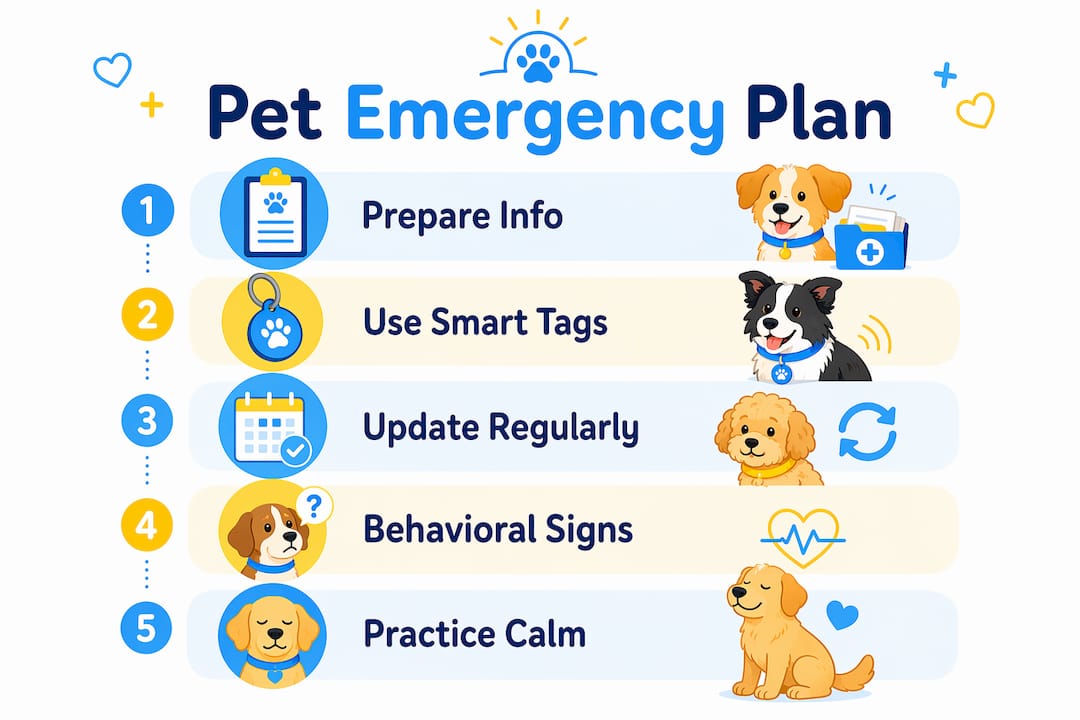
Emergency communication for pets is the process of preparing and implementing clear, effective strategies to convey critical information and protect your pet during a crisis. Pet owners who plan ahead save critical minutes when disasters strike. This guide covers emergency communication for pets explained through three lenses: documentation, digital alert technology, and behavioral understanding. Resources from organizations like the MSPCA and PetNPrep, along with tools from Ipuppee, give pet owners a concrete framework to act on before an emergency happens.
What should a pet emergency communication plan include?
A pet emergency communication plan is a written record of everything a caregiver or first responder needs to care for your pet when you cannot. Without it, even a trusted neighbor has no way to know your dog’s medication schedule, your vet’s phone number, or whether your cat has a microchip.
The foundation of any plan is a pet emergency information card. A complete card includes your pet’s name, breed, age, medical conditions, current medications, microchip number, and a recent photo. The card is designed for speed, so it fits on one page or one screen. Keep a printed copy in your wallet, a digital copy in your phone’s photos, and a laminated version on your refrigerator.
Beyond the card, a full emergency pet care plan covers feeding schedules, behavioral quirks, vet contacts, and caregiver instructions. Written authorization allows a designated caregiver to approve veterinary treatment when you are unavailable. That legal detail matters more than most pet owners realize. A caregiver without written permission can be turned away at an emergency vet clinic.
Key items to include in your emergency pet care plan:
- Full name, breed, age, sex, and weight of each pet
- Current medications with dosage and frequency
- Known allergies or medical conditions
- Microchip number and registration service
- Primary vet and emergency vet contact details
- Feeding schedule and dietary restrictions
- Behavioral notes (fear triggers, aggression history, comfort items)
- Signed caregiver authorization for veterinary decisions
- Recent color photo of each pet
Pro Tip: Store your pet’s emergency card in a shared cloud folder like Google Drive or iCloud so any family member can access it instantly from any device.
Review and update the plan every six months. Medications change, vets move, and pets age. An outdated plan creates the same problem as no plan at all. Ipuppee’s emergency response plan guide walks pet owners through building this documentation step by step.
How can digital pet emergency alert systems improve reunification?
A pet emergency alert system is any technology that broadcasts your pet’s identity and location to help reunite you faster after a disaster. Physical ID tags are a starting point, but they carry static information that cannot be updated after your pet escapes.

Smart QR tags represent a significant upgrade. Digital alert systems like smart QR tags can reduce reunion times, providing location data within about 20 minutes of a scan. Some apps notify up to 5 family members simultaneously and broadcast location up to 60 km. That range matters in large-scale evacuations where you and your pet may be separated across multiple zones.
| Feature | Static physical tag | Smart QR tag |
|---|---|---|
| Information updates | Requires replacement | Real-time, no replacement needed |
| Family notifications | None | Up to 5 members simultaneously |
| Location broadcasting | None | Up to 60 km radius |
| Reunion speed | Depends on finder calling | Within ~20 minutes of scan |
The table above shows why digital systems outperform traditional tags in a crisis. Static tags rely entirely on a finder making a phone call. Smart QR systems trigger an automatic alert the moment someone scans the tag.
Pro Tip: Register your pet’s QR tag with your full emergency contact list, not just your primary phone number. If you are evacuating, your cell service may be unreliable.
Ipuppee’s overview of pet alert systems explains how these tools fit into a broader safety plan. Pairing a digital tag with a written care plan gives first responders and finders everything they need to act immediately.
What behavioral signals do pets send during a crisis?
Pets cannot speak, but they communicate distress clearly through body language, vocalizations, energy levels, and behavioral shifts. Animals signal emotions through these channels constantly. Recognizing those signals during an emergency is a skill that takes practice before the crisis arrives.
Common stress signals in dogs and cats include:
- Panting or rapid breathing without physical exertion
- Ears pinned flat or rotated backward
- Tail tucked tightly under the body
- Excessive vocalization (whining, howling, yowling)
- Hiding, freezing, or refusing to move
- Dilated pupils and wide, scanning eyes
- Destructive behavior or attempts to escape
Your own emotional state directly shapes your pet’s response. Anxious owners can disrupt a pet’s sense of security during a crisis. Calm, grounded energy increases a pet’s sense of safety. This is not a soft concept. It is a documented behavioral pattern that affects how quickly your pet responds to your commands and whether they follow you during an evacuation.
Regulate your own breathing first. Slow, deliberate movements signal safety to your pet. Avoid high-pitched, rapid speech, which reads as alarm. Speak in a low, even tone and use familiar command words your pet already knows. Ipuppee’s guide on dog emergency signals breaks down the specific behavioral cues that indicate your dog needs immediate attention.
How do you apply pet communication strategies during disasters?
Practical disaster preparedness turns your communication plan from a document into a working system. The first mistake most pet owners make is building one combined kit for both shelter-in-place and evacuation scenarios. Separate kits optimize for either extended home stay or rapid evacuation. A single combined kit fails at both.
Follow these steps to build a functional pet emergency communication system:
- Build two separate kits. Your shelter-in-place kit holds two weeks of food, water, medications, and comfort items. Your evacuation kit holds 72 hours of supplies in a grab-and-go bag.
- Pre-designate two pet-friendly destinations. Emergency plans should include at least two out-of-area pet-friendly locations, confirmed annually, located 30–90 miles from your home.
- Confirm accommodation policies in writing. Pet-friendly accommodations vary by species, size, and number of animals. Get written confirmation of their policies before an emergency, not during one.
- Assign an out-of-area contact. Local phone lines often overload during disasters. An out-of-area contact can relay messages between family members and coordinate pet care from a distance.
- Post rescue alert stickers. Stickers on doors and windows tell first responders how many pets are inside, where to find carriers, and where supplies are stored. These alerts speed rescue when you cannot be home.
- Train your pet for emergency commands. Recall, crate training, and leash compliance are the three skills that matter most during an evacuation. A dog that will not enter a crate on command becomes a serious problem in a shelter or vehicle.
- Review everything annually. Update vet contacts, medication lists, accommodation confirmations, and caregiver authorizations every year.
Ipuppee’s dog emergency preparedness guide covers each of these steps with species-specific detail. Pairing that guide with proper training for emergencies closes the gap between having a plan and being able to execute it under pressure.
Maintaining your pet’s overall health also supports emergency readiness. A well-nourished dog with a stable diet responds better to stress. Resources like nutritional planning for dogs from Blake & Benson address the health foundation that makes emergency resilience possible.
Key Takeaways
Effective emergency communication for pets requires documented plans, digital alert tools, behavioral awareness, and practiced evacuation procedures working together as a single system.
| Point | Details |
|---|---|
| Build a complete information card | Include microchip number, medications, vet contacts, and a recent photo on one page. |
| Use digital alert systems | Smart QR tags can provide location data within 20 minutes and notify multiple contacts at once. |
| Read your pet’s stress signals | Pinned ears, tucked tails, and rapid panting indicate distress that requires a calm owner response. |
| Separate your emergency kits | Shelter-in-place and evacuation kits serve different needs and should never be combined. |
| Confirm pet-friendly locations in writing | Verify species, size, and number policies at emergency accommodations before a disaster occurs. |
Why most pet owners are not as prepared as they think
Most pet owners I talk to believe they are prepared because they have a vet’s phone number saved in their contacts. That is not a plan. That is a starting point.
The gap I see most often is the legal one. Pet owners assume a trusted friend can walk into an emergency vet and authorize treatment. They cannot, without written authorization. A pet can sit in a waiting room untreated while the owner is unreachable, simply because no one thought to sign a one-page document in advance.
The second gap is emotional. Pet owners practice fire drills for their families but never practice calm, deliberate evacuation with their dogs. The first time your dog sees you panicked and moving fast with bags and carriers, they read that as a threat. That is the moment they bolt, hide, or freeze. Practicing calm departures with your pet, even as a monthly routine, builds the muscle memory that keeps both of you functional under pressure.
The technology gap is closing fast. Smart QR tags and family alert apps have made reunification dramatically faster. But technology fails without the behavioral foundation underneath it. A dog that will not come when called cannot be located by a QR tag if they are hiding in a collapsed structure.
The pet owners who get this right combine three things: clear documentation, practiced behavior, and the right tools. None of those three alone is enough.
— Andrew
How Ipuppee supports your pet’s emergency communication plan
Ipuppee brings together the resources, guides, and communication tools that pet owners need to build a real emergency plan, not just a checklist.
The Ipuppee blog covers everything from building a pet safety emergency plan to understanding the behavioral signals your dog sends when they need help. Whether you are starting from scratch or filling gaps in an existing plan, Ipuppee’s guides are written for real pet owners, not emergency management professionals. Visit ipuppee.com to access templates, training advice, and product resources that make pet emergency preparedness practical and straightforward.
FAQ
What is emergency communication for pets?
Emergency communication for pets is the system of plans, documents, tools, and behavioral strategies that allow pet owners, caregivers, and first responders to protect and reunite pets during a crisis. It includes written care plans, digital alert tags, and the ability to read and respond to a pet’s stress signals.
What goes on a pet emergency information card?
A pet emergency information card includes the pet’s name, breed, age, medical conditions, current medications, microchip number, and a recent photo. It fits on one page or one screen for fast access during a crisis.
How do smart QR pet tags work in an emergency?
Smart QR tags display your pet’s profile and trigger automatic alerts to designated contacts when scanned. Some systems provide location data within about 20 minutes and notify up to 5 family members simultaneously.
Why do pets behave differently during emergencies?
Pets respond directly to their owner’s emotional state and to environmental stressors like noise, crowds, and unfamiliar smells. Anxious owners increase a pet’s distress, while calm, deliberate behavior signals safety and encourages the pet to follow commands.
How often should I update my pet’s emergency plan?
Review and update your pet’s emergency plan every six months, or immediately after any change in medications, vet contacts, or household composition. Outdated plans create the same risk as having no plan at all.