

TL;DR:
- Pet health technology uses devices and digital platforms to continuously monitor and improve a pet’s physical condition. It provides early detection, chronic disease management, and improves vet communication, supplementing traditional veterinary care. Effective use requires establishing a baseline, reviewing trend data weekly, and choosing devices suited to the pet’s age and health profile.
Pet health technology is defined as the use of devices and digital platforms to monitor, analyze, and improve a pet’s physical condition in real time. The category spans wearable collars, AI-powered monitors, and smart home sensors that collect objective data around the clock. Knowing why choose pet health tech matters because the difference between catching a problem early and facing an emergency can be weeks of continuous data. Ipuppee builds tools in this space specifically to help pet owners act on that data before a crisis develops.
What are the main benefits of pet health technology?
Pet health technology delivers measurable advantages that traditional observation simply cannot match. Owners who rely on watching their pets miss slow-onset changes because the human eye adapts to gradual shifts. Devices do not adapt. They record every deviation from a pet’s personal norm.
The most compelling benefit is early detection. AI-driven monitoring reduces treatment costs by over 40% for chronic kidney disease by enabling intervention before the condition escalates. That figure reflects a real shift in how veterinary economics work: catching disease early is dramatically cheaper than treating late-stage illness.
Chronic disease management is the second major gain. Continuous data gives owners and vets a running picture of a pet’s condition rather than a single snapshot taken during a clinic visit. A dog with heart disease, for example, benefits from daily resting heart rate checks that reveal trends over weeks, not just a reading taken during an appointment.
The benefits of pet health technology also extend to the quality of conversations owners have with their vets. Objective numbers replace vague descriptions like “he seems a little off.” That shift produces faster, more accurate clinical decisions.
Key benefits at a glance:
- Early illness detection before symptoms become visible
- Cost reduction through prevention rather than emergency treatment
- Chronic condition management with continuous, uninterrupted data
- Improved vet communication using objective, exportable reports
- Longer, healthier lives for pets through proactive care
Pro Tip: Set a weekly reminder to review your device’s trend graphs, not just the daily alerts. Patterns across seven days reveal far more than any single data point.
How does pet health tech work alongside traditional veterinary care?
Pet health technology supplements veterinary care. It does not replace clinical examinations, blood panels, or diagnostic imaging. A wearable collar cannot diagnose a tumor. What it can do is flag a behavioral or physiological change that prompts an owner to book an appointment sooner.
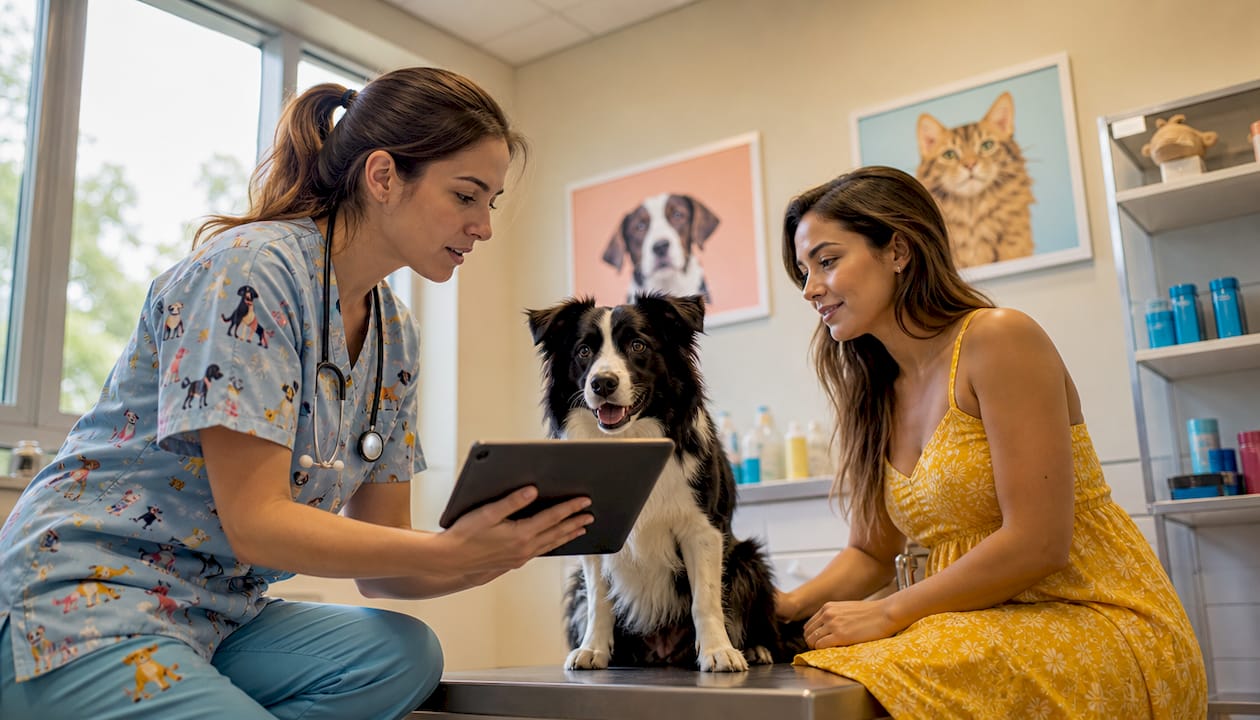
Technology enhances owner-vet partnerships rather than replacing clinical judgment. Vets who receive organized trend data from a device can make faster, more confident decisions than those working from a verbal summary alone. The data removes the guesswork that comes from relying on owner memory.
Pet biometric data is free from human subjectivity, making it ideal for AI analysis and highly accurate, individualized insights. A pet cannot exaggerate or downplay symptoms. That objectivity is a genuine clinical asset.
Preparing for a vet visit with device data involves a few practical steps:
- Export a week-by-week trend report from your device’s app before each appointment
- Note any alerts that fired during the period and what the pet was doing at the time
- Highlight any metrics that drifted outside the established baseline
- Ask your vet which additional metrics they would find most useful going forward
Pro Tip: Ask your veterinarian which specific metrics they want to see before your next visit. Tailoring your report to their clinical priorities makes the appointment far more productive.
Exporting week-by-week trend reports improves clinical discussions more than verbal summaries. Vets can scan a graph in seconds and spot a trend that would take minutes to extract from a conversation.
What types of pet health devices are available?
The market for pet health devices has expanded well beyond basic GPS trackers. Owners now choose from several distinct categories, each suited to different risk profiles and lifestyles.
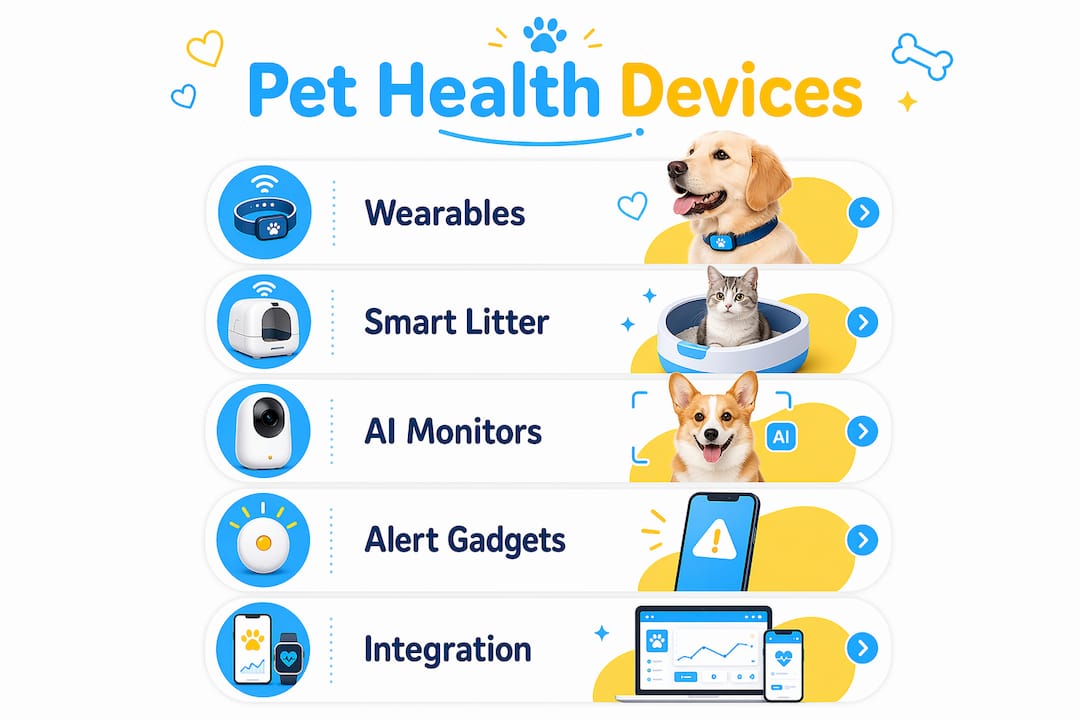
Wearable activity and biometric trackers attach to a collar and record steps, sleep duration, resting heart rate, and sometimes respiratory rate. They suit active dogs and cats whose owners want a daily health snapshot. Higher-end devices measuring heart rate variability and respiratory rate detect physiological changes before clinical signs appear, making them especially valuable for senior or at-risk pets.
Smart litter boxes track elimination frequency and weight for cats. Changes in litter box use are among the earliest signs of kidney disease, diabetes, and urinary tract infections. These devices require no interaction from the pet and generate data passively.
AI health monitors use cameras or pressure-sensitive mats to analyze gait, posture, and movement patterns. AI-powered monitoring detects subtle physical changes missed by humans, such as a 1.5-second delay in standing over three weeks that indicates early joint inflammation. That level of sensitivity is impossible to achieve through casual observation.
Communication and alert devices serve a different but equally important function. Ipuppee’s iPupPee device lets a dog signal a need to a human through a simple button press. For owners with disabilities, seniors living alone, or service dog handlers, that communication layer adds a safety dimension that pure health monitoring does not cover. Learn more about wearable health tracking and how it fits into a broader care plan.
| Device category | Primary data tracked | Best suited for |
|---|---|---|
| Wearable biometric tracker | Heart rate, activity, sleep, respiratory rate | Active dogs and cats, senior pets |
| Smart litter box | Elimination frequency, weight | Cats with kidney or urinary risk |
| AI gait and posture monitor | Movement patterns, standing speed | Pets with joint or mobility concerns |
| Communication alert device | Owner-pet signaling | Service dogs, seniors, disabled owners |
Choosing the right device depends on your pet’s age, any existing conditions, and how much time you can spend reviewing data. A senior dog with a heart condition benefits most from a biometric wearable. A young, healthy cat benefits most from a smart litter box that catches early kidney changes before they become serious.
Pro Tip: Before buying any device, check whether it integrates with your vet’s practice management software. Compatibility saves time and makes your data immediately useful at appointments.
What practical steps should pet owners take to integrate health tech?
Effective use of pet health technology requires a structured approach. Buying a device and ignoring the data defeats the purpose entirely. The goal is to build a reliable picture of your pet’s normal state so that deviations become meaningful signals.
Successful use of pet tech depends on establishing a normal baseline over weeks. A single alert is rarely diagnostic. Patterns across two to four weeks tell a real story. Owners who act on every individual alert burn out quickly and lose confidence in the device.
Follow these steps to integrate pet health tech effectively:
- Set up the device and let it run for two to four weeks before drawing any conclusions. This establishes your pet’s personal baseline for activity, sleep, and heart rate.
- Configure alerts at a threshold above normal variation. If your dog’s resting heart rate normally ranges from 60 to 80 beats per minute, set an alert at 90, not 81.
- Review trend graphs weekly, not daily. Daily noise obscures meaningful shifts. Weekly reviews reveal genuine trends.
- Export a report before every vet appointment. Bring printed or digital graphs showing the past four weeks of data.
- Adjust alert thresholds after each vet visit. Your vet may identify a new normal after a diagnosis or medication change.
Preparing clear, organized reports of trend data improves veterinary workflow and optimizes clinical use of the data. Vets who receive structured information act on it faster.
Pro Tip: Create a simple folder on your phone labeled with your pet’s name and the current month. Save each weekly export there. You will have a complete health archive ready for any appointment or emergency.
Understanding how pet AI tools work alongside your daily routine makes the difference between data you use and data you ignore.
Key Takeaways
Pet health technology works best when owners treat it as a continuous data partnership with their veterinarian, not as a standalone diagnostic tool.
| Point | Details |
|---|---|
| Early detection saves money | AI monitoring cuts chronic disease treatment costs by over 40% through earlier intervention. |
| Baselines matter more than alerts | Establish two to four weeks of data before acting on any single device alert. |
| Objective data improves vet visits | Exported trend reports produce faster, more accurate clinical decisions than verbal summaries. |
| Device choice depends on risk profile | Match device type to your pet’s age, existing conditions, and your lifestyle. |
| Tech supplements, not replaces, vets | No device replaces a clinical exam; it enhances the owner-vet partnership with continuous data. |
What I’ve learned after years of watching pet tech evolve
The honest truth about pet health technology is that most owners buy a device and use it intensely for two weeks, then let it sit in a drawer. The problem is not the technology. The problem is expectation management.
Owners expect a device to tell them something is wrong. What a device actually does is tell them what normal looks like, so that “wrong” becomes visible. That mental shift takes time to make, and most product marketing skips over it entirely. Smart monitoring can give a 60-day advance warning before congestive heart failure decompensation. That is extraordinary. But it only works if the owner has been collecting data long enough to have a baseline to compare against.
The other challenge I see is data overload. Devices that track 12 metrics simultaneously overwhelm owners who are not sure which numbers matter. My advice is to start with one or two metrics your vet has specifically flagged as relevant to your pet’s risk profile. Master those before adding more. A vet who specializes in veterinary health technology can help you identify which data points carry the most clinical weight for your specific animal.
The future of this space is genuinely exciting. AI models trained on millions of pet biometric records will eventually flag conditions that even experienced vets miss during a standard exam. But that future depends on owners actually using their devices consistently. The technology is ready. The behavior change is the harder part.
— Andrew
Ipuppee and smarter pet health management
Ipuppee builds tools that sit at the intersection of pet safety and health communication. The iPupPee alert device gives dogs a way to signal their owners directly, a function that matters enormously for service dog handlers, seniors, and anyone living alone with a pet who depends on them.
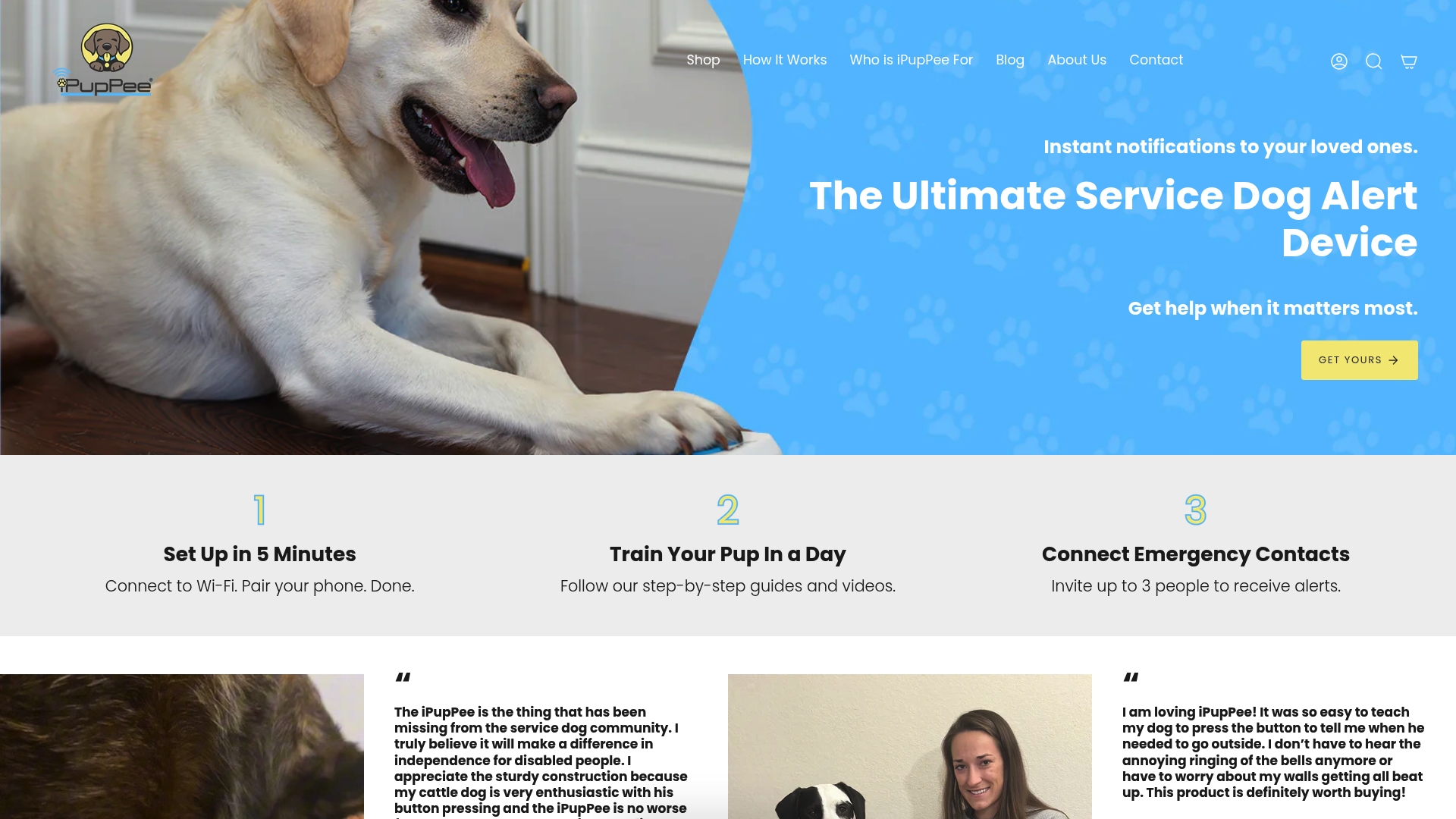
That communication layer complements the health monitoring devices covered throughout this article. Knowing your dog’s resting heart rate is valuable. Knowing your dog can alert you when something feels wrong adds a layer of real-time safety that data alone cannot provide. Ipuppee’s service dog technology solutions are built for owners who take their pet’s health and independence seriously. If you want to understand the full picture of pet tech for dog safety, Ipuppee’s resource library is a practical starting point.
FAQ
What is pet health tech?
Pet health technology is the use of devices and digital platforms to monitor a pet’s physical condition continuously. It includes wearables, AI monitors, smart litter boxes, and communication alert devices.
Why invest in pet health tools for a healthy pet?
Even healthy pets benefit because devices establish a baseline that makes early illness visible. Slow-onset conditions like obesity and mobility decline are frequently missed without continuous, objective monitoring.
Can pet health tech replace a veterinarian?
Pet health technology cannot replace a veterinarian. It supplements clinical care by providing continuous data that improves the accuracy and speed of veterinary decisions during appointments.
How long does it take to see results from a pet health device?
A reliable baseline takes two to four weeks to establish. Meaningful trend analysis and useful alerts depend on that baseline being in place before any conclusions are drawn.
What device is best for a senior dog?
Higher-end wearables that measure heart rate variability and respiratory rate are best for senior dogs. These metrics detect physiological changes before visible clinical signs appear, giving owners and vets time to act.