

TL;DR:
- Regular dog exercise improves physical health, prevents obesity, and fosters a stronger human-bond. It also boosts mental wellbeing, reduces destructive behaviors, and enhances training focus. Tailoring routines to each life stage ensures safe and effective activity for dogs of all ages.
Dog exercise refers to the regular physical and mental activities that maintain and improve a dog’s overall health, behavior, and wellbeing. The dog exercise benefits extend far beyond burning energy. Regular activity prevents obesity, strengthens joints, reduces anxiety, and builds a stronger bond between you and your dog. Obesity affects around 25% of the broader canine population, making consistent exercise one of the most important health decisions you make for your pet. This guide covers every major benefit, from cardiovascular health to cognitive sharpness, with practical advice for every life stage.
1. What are the top physical health benefits of dog exercise?
Regular exercise is the single most effective tool for preventing obesity in dogs. Approximately 51% of dogs in the UK are overweight or obese, and excess weight cuts lifespan by an average of two years. That statistic means a dog who could live to 14 might only reach 12 because of preventable weight gain.
Physical activity directly reduces the risk of diabetes, heart disease, respiratory problems, and orthopedic injuries. Regular exercise improves joint and muscle strength, supports healthy weight management, and strengthens the cardiovascular system. Dogs who move consistently tend to recover faster from illness and maintain better metabolic health as they age.
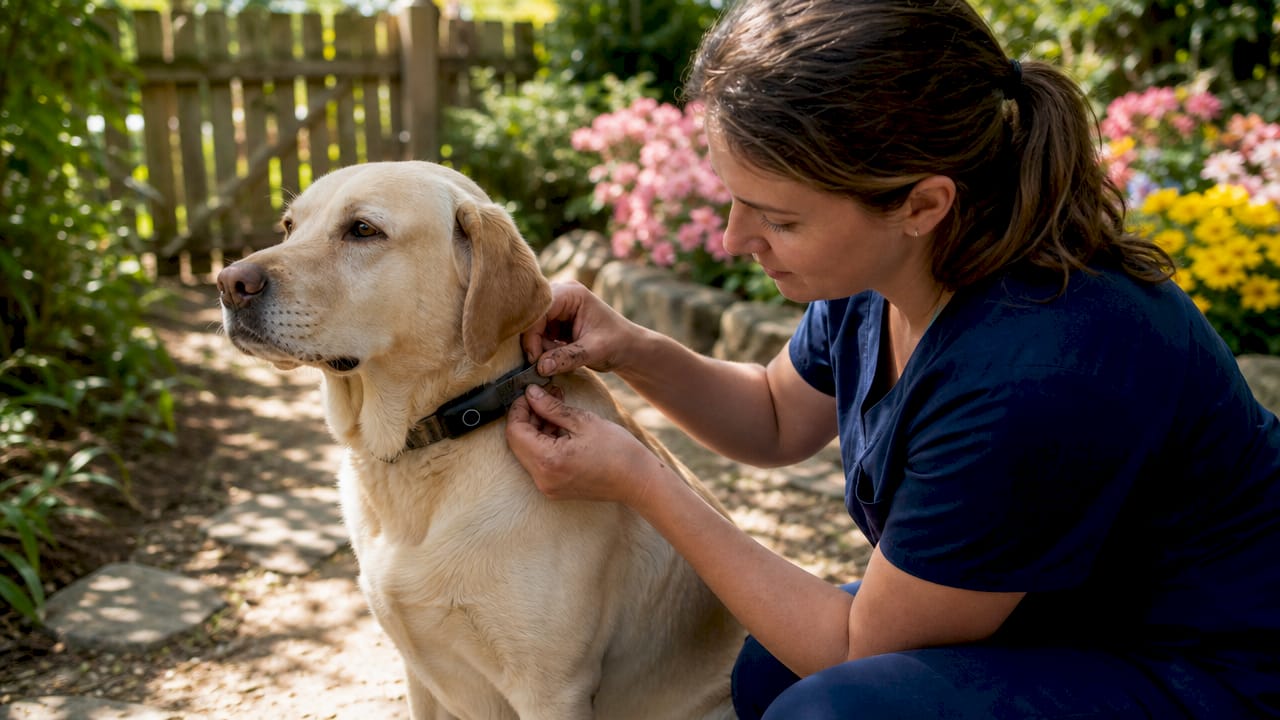
The table below shows how consistent activity changes health outcomes compared to a sedentary lifestyle:
| Health Marker | Exercised Dog | Sedentary Dog |
|---|---|---|
| Body weight | Healthy range | Overweight or obese |
| Joint condition | Strong, flexible | Stiff, prone to injury |
| Heart health | Strong cardiovascular function | Higher disease risk |
| Lifespan | Full potential | Reduced by up to 2 years |
| Diabetes risk | Low | Elevated |
- Stronger muscles protect joints from wear and tear
- Healthy weight reduces pressure on the spine and hips
- Consistent movement improves circulation and organ function
- Active dogs show better immune response over time
Pro Tip: Start with 15-minute walks and add five minutes each week. Gradual increases build fitness without straining joints or causing injury.
2. How does exercise benefit a dog’s mental health and behavior?
Exercise triggers endorphin release in dogs, which improves mood and reduces anxiety. Exercise helps dogs process stress and increases natural happiness chemicals, improving sleep quality and behavioral stability. A dog that gets consistent activity is calmer, more focused, and far easier to train.
Destructive behaviors like chewing furniture, excessive barking, and digging almost always trace back to unspent energy and frustration. Regular activity gives dogs an outlet for that energy before it turns into a problem. Owners who build consistent exercise routines report fewer behavioral complaints within the first two weeks.
“15 minutes of focused scent work can tire a dog as much as a 45-minute walk, highlighting the importance of mental stimulation alongside physical exercise.” Source: LiliDog
Mental benefits of regular exercise include:
- Reduced separation anxiety and restlessness
- Lower reactivity to strangers and other dogs
- Improved focus during training sessions
- Better sleep patterns and calmer evenings
- Decreased compulsive behaviors like tail chasing or pacing
Pro Tip: Rotate between physical walks and mental stimulation activities like puzzle feeders and scent games. Variety keeps your dog engaged and prevents boredom-driven mischief.
3. What exercise routines work best for different life stages?
A puppy, an adult dog, and a senior dog each need a different approach to physical activity. Applying the same routine across all ages leads to either injury or under-stimulation. Tailoring the plan to your dog’s life stage is the foundation of responsible dog health and exercise.
Puppies need short, frequent play sessions rather than long structured walks. Their growth plates are still developing, and repetitive high-impact exercise can cause lasting joint damage. Five minutes of activity per month of age, up to twice daily, is a widely used guideline among veterinary professionals.
Adult dogs typically need 30 minutes to two hours of exercise per day, depending on breed and energy level. High-drive breeds like Border Collies and Siberian Huskies need significantly more activity than lower-energy breeds like Basset Hounds or Bulldogs. Matching the routine to the breed prevents both under-exercise and burnout.
Senior dogs benefit most from gentle, consistent movement. Senior dogs are recommended to have 20–40 minutes of gentle daily exercise to support cognitive function and joint mobility. Breaking that time into two or three short sessions reduces strain on aging joints. For more tailored guidance, the 2026 practical guide for senior dogs covers safety considerations in detail.
Safety tips for all life stages:
- Avoid exercise during peak heat hours (10 AM to 4 PM in summer)
- Check pavement temperature before walking. Hot asphalt burns paw pads
- Watch for excessive panting, stumbling, or reluctance to continue
- Always bring fresh water on walks longer than 20 minutes
- Over-exercising in hot or humid climates poses a real risk of heat-related illness
4. What are the best exercise formats and dog fitness activities?
Walking remains the most accessible and effective exercise format for most dogs. It combines physical movement with sensory stimulation, since every walk is a new set of smells, sounds, and sights. The benefits of walking dogs go beyond fitness. Regular walks reinforce your role as a calm, consistent leader.
Swimming offers a joint-friendly alternative that works the entire body without impact. It is especially valuable for dogs with arthritis, hip dysplasia, or post-surgical recovery needs. Many veterinary rehabilitation centers use hydrotherapy as a primary treatment for orthopedic conditions.
The table below compares common exercise formats across three key dimensions:
| Exercise Format | Physical Intensity | Mental Engagement | Joint Impact |
|---|---|---|---|
| Walking | Moderate | Moderate | Low |
| Swimming | High | Low | Very Low |
| Fetch/Play | High | Moderate | Moderate |
| Scent work | Low | Very High | Very Low |
| Agility training | Very High | High | Moderate |
| Tug of war | Moderate | Moderate | Low |
Top dog fitness activities to rotate into your routine:
- Structured leash walks with varied routes
- Off-leash play in a safely fenced area
- Nose work and scent tracking games
- Obedience training sessions (mental and physical)
- Fetch with natural terrain changes like hills or grass
- Swimming or shallow water wading for low-impact days
5. How to build a consistent, balanced exercise plan
Steady, progressive conditioning is the safest and most effective approach to dog fitness. Consistency beats occasional high-intensity sessions every time. A dog who walks 30 minutes daily builds far better cardiovascular health than one who runs hard on weekends and rests all week.
Sporadic high-intensity exercise, sometimes called “weekend warrior” activity, raises injury risk significantly. Tendons and ligaments need time to adapt to load. Gradual increases of no more than 10% in duration or intensity per week give the body time to strengthen without breaking down.
Combining physical and mental activities gives you full coverage of your dog’s needs without doubling your time commitment. Fifteen minutes of scent work before a walk means your dog arrives at the park already partially tired mentally. That makes the physical portion more effective and the post-walk calm much deeper.
Signs your dog is getting the right amount of exercise:
- Settles calmly after activity without excessive panting
- Sleeps well through the night
- Shows enthusiasm at the start of exercise but is not frantic
- Maintains a healthy weight with good muscle tone
- Engages positively during training and play
Signs of overexertion to watch for:
- Lagging behind on walks or refusing to continue
- Excessive panting that does not resolve within 10 minutes
- Limping or favoring a limb after activity
- Lethargy lasting more than a few hours post-exercise
Pro Tip: Treat 15 minutes of scent work as equivalent to a 45-minute walk when planning your dog’s daily exercise routine. On low-energy days, swap the walk for a focused nose work session indoors.
Key Takeaways
Regular, balanced exercise combining physical activity and mental stimulation is the most effective way to extend your dog’s lifespan, prevent chronic disease, and reduce behavioral problems.
| Point | Details |
|---|---|
| Obesity is the top preventable risk | Up to 51% of dogs are overweight, cutting lifespan by two years on average. |
| Mental exercise equals physical effort | 15 minutes of scent work tires a dog as much as a 45-minute walk. |
| Life stage determines the right routine | Senior dogs need 20–40 minutes of gentle daily activity; puppies need short, frequent play. |
| Consistency beats intensity | Daily moderate exercise prevents injury and builds lasting fitness better than weekend bursts. |
| Heat and climate require planning | Exercise in hot or humid conditions without precautions raises the risk of heat-related illness. |
Why mental exercise changed how I think about dog care
Most dog owners focus almost entirely on physical exercise. They count steps, track walk distances, and measure time outdoors. What they miss is that a dog’s brain needs just as much work as its body.
I spent years thinking a tired dog was a well-exercised dog. The shift came when I started adding scent work and training games to the routine. The difference in behavior was immediate and dramatic. Dogs that had been restless and reactive became noticeably calmer within days. Not because they were physically exhausted, but because their minds were finally getting the challenge they needed.
Every dog has a unique personality and energy profile. A Border Collie and a Cavalier King Charles Spaniel both need exercise, but the type, duration, and intensity look completely different. Treating them the same is like giving a marathon runner and a casual walker the same training program. The plan has to fit the individual.
The other thing most guides skip is the relationship dimension. Exercise is not just maintenance. Every walk, every training session, and every game of fetch is a moment of communication between you and your dog. A well-exercised dog is easier to read, more responsive, and more connected. That bond is the real long-term benefit that no health chart can fully capture.
— Andrew
Ipuppee resources for your dog’s health and wellbeing
Understanding the importance of pet exercise is the first step. Putting it into practice consistently is where most owners need real support.

Ipuppee offers a growing library of guides, tips, and tools designed for dog owners who want to do right by their pets. From advice on building exercise routines to resources on mental stimulation and senior dog care, the content is built around real-world dog ownership. Whether you have a high-energy puppy or a slower-moving older dog, you will find practical guidance tailored to where your dog is right now. Visit Ipuppee to explore the full range of dog health and wellbeing resources available.
FAQ
How much exercise does a dog need each day?
Most adult dogs need 30 minutes to two hours of exercise daily, depending on breed and energy level. High-drive breeds require significantly more activity than lower-energy breeds.
What counts as mental exercise for dogs?
Scent work, puzzle feeders, obedience training, and nose games all count as mental exercise. 15 minutes of focused scent work can tire a dog as effectively as a 45-minute walk.
Can too much exercise harm my dog?
Yes. Over-exercising, especially in hot or humid conditions, raises the risk of heat-related illness and joint injury. Watch for excessive panting, limping, or refusal to continue as warning signs.
What are the best exercises for senior dogs?
Senior dogs benefit from 20–40 minutes of gentle daily exercise, broken into short sessions. Swimming and slow leash walks are ideal because they support muscle mass and joint mobility without high impact.
Does exercise really reduce destructive behavior in dogs?
Regular exercise reduces destructive behaviors by giving dogs a healthy outlet for energy and stress. A well-exercised dog tends to be calmer, more focused, and easier to train than one with unspent energy.