

Making sure your dog stays safe, healthy, and happy can feel overwhelming, especially if you’re dealing with limited mobility, unpredictable weather, or a dog with special needs. You want the best for your companion, but generic advice rarely matches your dog’s unique situation. The good news is there are simple adjustments and proven routines that work for every dog and owner—no matter your lifestyle or physical ability.
This guide reveals practical steps you can use right away to improve your dog’s fitness, mental health, and daily safety. From essential walk routines to clever indoor activities, you’ll discover new ways to strengthen your bond and keep your dog engaged. Get ready for actionable, expert-backed tips that make every day safer and more fulfilling for both you and your canine companion.
Table of Contents
- 1. Start With Short, Consistent Walks Each Day
- 2. Use Gentle Play For Mental And Physical Stimulation
- 3. Incorporate Safe Indoor Activities For All Weathers
- 4. Try Low-Impact Exercises For Joint Health
- 5. Practice Communication Skills During Exercise
- 6. Monitor Energy And Adjust Routines For Each Dog
Quick Summary
| Takeaway | Explanation |
|---|---|
| 1. Consistent daily walks reduce anxiety | Establishing a regular walking schedule comforts your dog, helping them anticipate exercise and stay calmer during the day. |
| 2. Engage in gentle play for mental health | Interactive activities strengthen bonds and prevent destructive behaviors by stimulating your dog’s mind and instincts without heavy physical exertion. |
| 3. Indoor activities maintain fitness in bad weather | Creative indoor games provide vital physical and mental stimulation when outdoor conditions are unsafe or unsuitable for exercise. |
| 4. Low-impact exercises support joint health | Activities like swimming and trick training protect aging joints while keeping dogs fit, especially important for seniors and service dogs. |
| 5. Tailor exercise routines to individual needs | Monitoring your dog’s energy levels allows you to adjust exercise types and routines, preventing overexertion and managing health effectively. |
1. Start with Short, Consistent Walks Each Day
Short, consistent walks form the foundation of your dog’s physical fitness, mental health, and safety routine. When you establish a predictable walking schedule, your dog learns to anticipate these moments and stays calmer throughout the day.
Your dog’s age, breed, and current fitness level determine the ideal walk length. A senior dog or young puppy needs shorter outings than an active adolescent dog. Daily walks help dogs maintain muscle tone while building their confidence and reducing anxiety-related behaviors.
Consistency matters more than distance. Your dog’s body and mind thrive on routine. Walking at the same time each day helps regulate emotions, creating a calmer, more predictable companion.
Start with these practical steps:
- Begin with 15-20 minute walks for puppies or small breeds
- Extend to 30-45 minutes as your dog builds fitness
- Choose a regular time each morning or evening
- Stick to the same route initially to build comfort
- Gradually increase pace and distance as your dog adapts
Consistency in walk times serves as a comforting routine that supports your dog’s emotional regulation and behavioral confidence.
If you’re working with a service dog or elderly companion, shorter walks prevent exhaustion while maintaining the bonding experience. Each outing becomes an opportunity to strengthen communication and trust between you and your dog.
For longer walks, pack water and check the ground temperature. Hot pavement can damage paw pads, and dehydration affects your dog’s focus and safety during the walk. Young puppies should avoid public places until fully vaccinated, so consider quieter neighborhoods or secure yards initially.
Pro tip: Walk your dog at the same time daily to establish a predictable routine that reduces anxiety, improves emotional regulation, and makes your dog a safer, more reliable companion.
2. Use Gentle Play for Mental and Physical Stimulation
Gentle play isn’t just about fun—it’s one of the most powerful tools for keeping your dog’s mind sharp and body healthy. When you engage your dog in interactive play, you’re activating their natural instincts while building a stronger bond.
Your dog’s brain needs challenges just as much as their body needs movement. Mental stimulation prevents boredom and destructive behaviors that often develop when dogs feel understimulated. Cognitive training games like hide-and-seek, eye contact training, and scent work enhance focus and intelligence while releasing oxytocin, the bonding hormone that strengthens your relationship.
Gentle play engages your dog’s natural instincts for sniffing, chasing, and chewing. These activities provide physical exercise without the intensity of long outdoor runs, making them perfect for seniors, service dogs recovering from activity, or dogs with physical limitations.
Here are proven ways to stimulate your dog mentally and physically:
- Create food puzzles using household items like muffin tins or toilet paper rolls
- Set up snuffle mats where your dog searches for treats in fabric
- Play the “hot and cold” game by rewarding when they get closer to a hidden treat
- Build indoor agility courses using pillows and furniture
- Rotate toys weekly to maintain novelty and interest
- Practice eye contact training during quiet moments together
Gentle play that engages your dog’s natural instincts provides the physical, emotional, and mental satisfaction they need while strengthening your bond.
For service dogs and disabled owners, interactive play offers a safe way to provide stimulation without requiring long walks or strenuous outdoor activity. Even 10-15 minutes of focused play can tire your dog mentally, leaving them calmer and more focused throughout the day.
Supervised play ensures safety while allowing your dog to engage fully. Watch their body language and stop play before they become overstimulated or frustrated.
Pro tip: Rotate play activities every 3-4 days to prevent boredom and maintain your dog’s mental engagement and enthusiasm for interactive games.
3. Incorporate Safe Indoor Activities for All Weathers
Rain, snow, extreme heat, or cold shouldn’t stop your dog’s exercise routine. Indoor activities keep your dog physically active and mentally sharp regardless of weather conditions. This is especially important for service dogs, seniors, and disabled owners who may struggle with outdoor limitations.
Your home offers unlimited opportunities for safe, engaging activities that use your dog’s natural instincts. Indoor games with dogs like hide-and-seek, scent treasure hunts, and obedience training provide vital mental and physical exercise when outdoor options aren’t available.
Indoor enrichment prevents boredom while maintaining your dog’s fitness level. Boredom leads to destructive behaviors, anxiety, and decreased focus on commands. Creative play inside your home keeps your dog engaged and content.
Here are practical indoor activities you can start today:
- Hide treats or toys around rooms for scavenger hunts
- Create puzzle games using household items like muffin tins
- Practice obedience training with short sessions throughout the day
- Play fetch down hallways or in larger rooms
- Set up indoor obstacle courses using pillows and furniture
- Hide your scent on fabric for tracking games
- Rotate toys weekly to maintain novelty and interest
Safe indoor activities maintain your dog’s fitness and mental engagement while protecting them from harsh weather, injuries, and safety risks.
Repurposing common household items makes indoor enrichment cost-free and creative. Toilet paper rolls, old socks, and cardboard boxes become puzzle toys and scent games. Your dog doesn’t know the difference between expensive toys and DIY options—they respond to the challenge and fun.
For disabled owners and seniors, indoor play means your dog stays active without requiring you to brave difficult weather or outdoor conditions. Short, focused indoor sessions (10-20 minutes) tire your dog mentally while keeping you safe indoors.
Pro tip: Dedicate specific times during harsh weather to indoor play sessions, rotating between different activities to keep your dog mentally engaged and prevent boredom-related behaviors.
4. Try Low-Impact Exercises for Joint Health
Not all exercise is created equal, especially for dogs with aging joints, arthritis, or previous injuries. Low-impact activities protect your dog’s joints while keeping them fit and engaged. This approach is crucial for senior dogs and service dogs who need to maintain function without risking injury.
Your dog’s joints take tremendous stress during high-impact activities like running and jumping. Low-impact exercises build muscle and cardiovascular fitness while minimizing joint strain. Low-impact dog sports such as scent work, trick training, and rally offer physical and mental exercise without the pounding stress on joints.
These gentle activities strengthen supporting muscles around joints, which actually improves long-term joint health. A stronger support system means less pain and better mobility as your dog ages.
Consider these low-impact exercise options:
- Scent work and nose games that engage natural abilities
- Trick training that builds body awareness and coordination
- Rally obedience for controlled, purposeful movement
- Slow-paced walking on soft surfaces like grass
- Swimming or water-based exercise for resistance without impact
- Gentle tug games that don’t require running
- Puzzle games that stimulate mentally without physical stress
Low-impact exercises build muscle strength and cardiovascular fitness while protecting joints from the stress that leads to arthritis and injury.
Hydrotherapy for dogs deserves special attention for joint health. Swimming and underwater treadmills provide resistance-based exercise that builds muscle and endurance while eliminating joint impact. Water supports your dog’s weight, allowing full movement without strain. This is particularly valuable for dogs recovering from injury or managing arthritis.
For disabled owners and seniors with service dogs, low-impact exercises offer the perfect balance. Your dog stays healthy and focused without requiring intense physical demands from you. Short sessions of scent work or trick training provide adequate stimulation while keeping both of you safe.
Pro tip: Start with 5-10 minute sessions of low-impact activities and gradually increase duration as your dog builds muscle strength and conditioning.
5. Practice Communication Skills During Exercise
Exercise time is your greatest opportunity to strengthen communication with your dog. When you practice commands and signals during walks and play, your dog learns to focus on you while staying safe. This is especially vital for service dogs and handlers who depend on reliable communication.
Clear communication builds trust and keeps your dog responsive in any situation. Verbal commands, hand signals, and body language work together to create understanding. During exercise, your dog is alert and engaged, making it the perfect time to reinforce these communication channels.
Effective dog training steps build communication between you and your dog through consistent practice. When your dog responds reliably to commands during exercise, you gain confidence in their safety during any situation.
Practice these communication techniques during exercise:
- Use a consistent verbal command like “heel” or “stay” during walks
- Pair verbal commands with hand signals for visual clarity
- Watch your dog’s body language to understand their emotional state
- Reward immediately with treats or praise when they respond correctly
- Keep training sessions short and positive to maintain enthusiasm
- Practice in different environments to build reliable responses
- Use a calm, confident tone that your dog can trust
Clear communication during exercise strengthens your bond and ensures your dog responds reliably when safety depends on it.
Positive reinforcement training reinforces desired behaviors through meaningful rewards offered immediately after your dog responds correctly. Timing matters tremendously. Your dog must connect the reward directly to their action, so offer treats or play within seconds of compliance.
For service dogs and disabled handlers, reliable communication during exercise means independence and safety. Your dog learns to check in with you, respond to directional commands, and maintain focus even with distractions. This foundation prevents dangerous situations before they happen.
Understanding your dog’s body language signals their comfort level and emotional state. Relaxed ears, soft eyes, and loose posture indicate confidence. Pulled back ears, tucked tail, or stiff body language signals stress or discomfort, telling you to adjust the exercise pace or environment.
Pro tip: Practice one command during each exercise session rather than trying to train multiple skills at once, allowing your dog to master consistency before adding new challenges.
6. Monitor Energy and Adjust Routines for Each Dog
No two dogs are identical, and neither should their exercise routines be. Your dog’s individual energy level, age, breed, and health status determine what exercise truly serves them best. Monitoring your dog’s response to activity allows you to fine-tune routines for maximum safety and wellbeing.
One-size-fits-all exercise plans often fail because they ignore individual differences. A young, athletic breed needs different activity than a senior dog or a service dog with specific training demands. Tailoring exercise to your dog’s unique needs prevents overexertion, injury, and behavioral problems.
Pet routines improve safety and bonding when they match your dog’s life stage and energy levels. Consistent, customized schedules support behavioral stability and confidence while allowing flexibility for changes. This balance prevents anxiety and ensures your dog thrives mentally and physically.
Watch for these energy level indicators:
- Restlessness or excessive barking signals under-stimulation
- Panting excessively or lagging behind signals overexertion
- Difficulty settling down after exercise means intensity is too high
- Loss of interest in play or walks suggests fatigue or health issues
- Elevated anxiety or destructive behaviors indicate insufficient mental stimulation
- Muscle soreness or limping requires immediate rest and veterinary evaluation
Monitoring your dog’s individual energy levels and adjusting routines accordingly prevents injury, manages behavioral issues, and maximizes wellbeing.
Age significantly impacts exercise needs. Puppies require short bursts of activity separated by rest periods. Adult dogs thrive with regular, breed-appropriate exercise routines. Senior dogs benefit from gentler, shorter sessions that support mobility without strain.
Service dogs and disabled owners face unique considerations. Your dog must maintain fitness for their working role while respecting your physical limitations. This requires careful monitoring and creative solutions like low-impact exercises combined with mental stimulation.
Track your observations over several weeks. Note which activities energize your dog, how long recovery takes, and any signs of discomfort. This data helps you adjust intensity, duration, and frequency for optimal results.
Pro tip: Keep a simple exercise log noting activity type, duration, your dog’s energy level before and after, and any behavioral changes to identify patterns and optimize routines.
| Main Topic | Key Insights | Benefits |
|---|---|---|
| Consistent Daily Walks | Establish a predictable schedule. Tailor walk duration to your dog's age, breed, and fitness level. | Builds muscle tone, reduces anxiety, and supports emotional regulation. |
| Gentle Interactive Play | Engage your dog in scent work, puzzles, and other games stimulating their natural instincts and mental abilities. | Prevents boredom, encourages bonding, and provides low-intensity physical exercise. |
| Indoor Activities | Implement activities like scavenger hunts, indoor fetch, and training to accommodate weather limitations. | Keeps dogs mentally engaged and physically active in safe indoor environments. |
| Low-Impact Exercises | Focus on joint-friendly activities like slow walking, swimming, or nose games to protect joint health. | Improves mobility, strengthens muscles, and prevents injuries. |
| Communication During Exercise | Utilize hand signals and commands to reinforce focus and trust. | Strengthens bond, ensures dog responsiveness, and promotes safety. |
| Monitor and Adjust Routine | Tailor activities based on your dog's energy level, breed, and age. | Prevents overexertion and optimizes wellbeing. |
Enhance Your Dog’s Safety with Proven Communication Tools
Daily exercise builds your dog’s safety and confidence but clear communication is the true key to a secure, calm partnership. This article highlights essential tips like consistent routines and practicing commands, which perfectly align with the challenges many dog owners face when working with service dogs or dogs requiring focused safety measures. If you want to take your dog’s safety and response to the next level
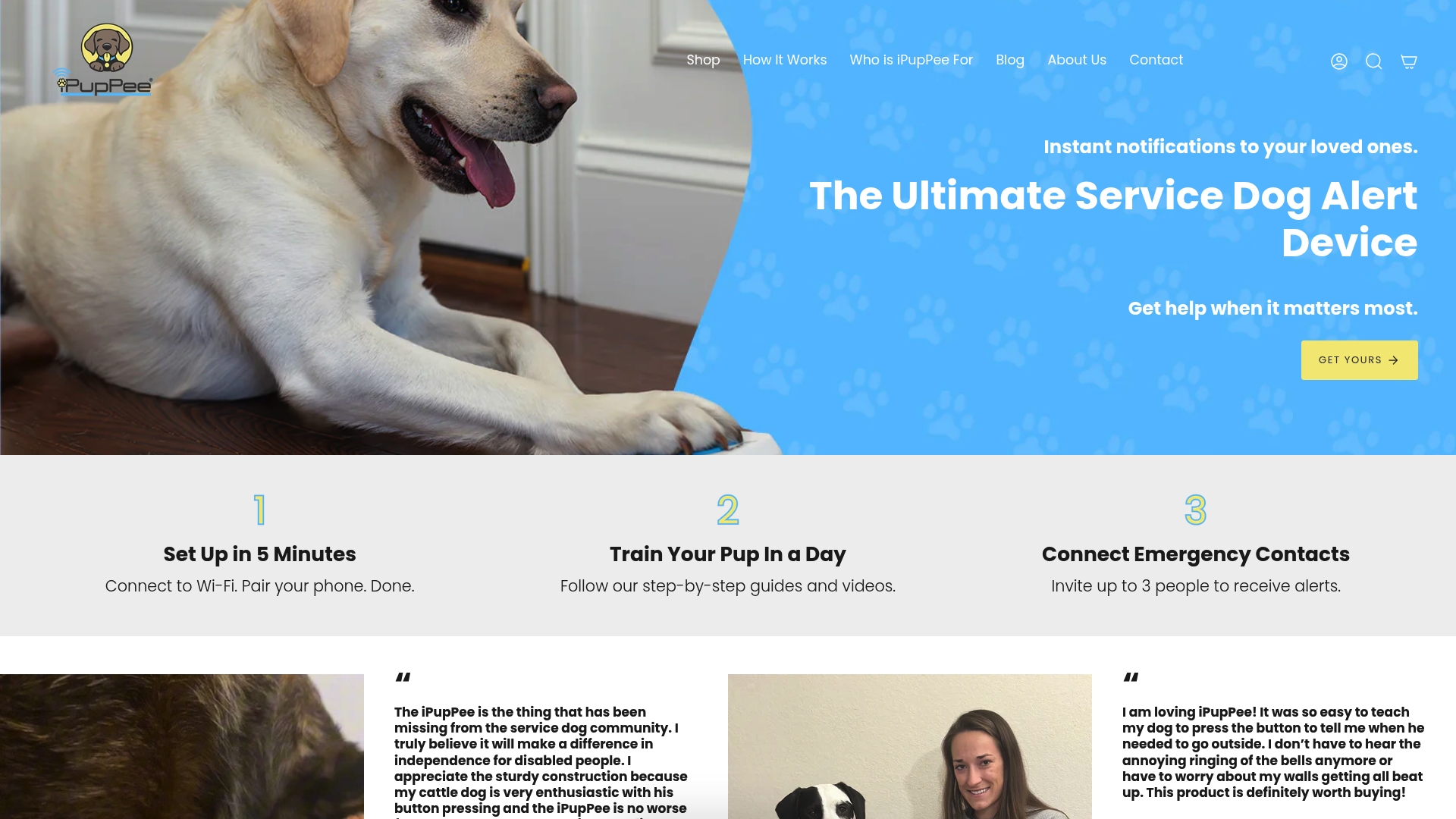
explore innovative solutions like the iPupPee device at ipuppee.com. This unique alert system empowers dogs to easily communicate needs with a simple button press, integrating seamlessly into daily exercise and training sessions. Supporting handlers—especially disabled owners and seniors—by strengthening safety, independence, and trust, the iPupPee device is designed to complement the essential training concepts discussed in the article. Take control of your dog’s wellbeing and start building clearer communication today by visiting ipuppee.com and discover how improved interaction leads to happier, safer walks and playtime.
Frequently Asked Questions
How long should I walk my dog each day for better safety?
Aim for daily walks between 15 to 45 minutes, depending on your dog’s age and fitness level. Start with shorter durations and gradually increase as your dog adjusts to avoid overexertion.
What are some gentle play activities I can do with my dog?
Engage in gentle play activities like hide-and-seek, puzzle games, or interactive scent work. Dedicate at least 10-15 minutes daily to keep your dog mentally stimulated without strenuous exercise.
How can I keep my dog exercised indoors during bad weather?
Utilize indoor activities like scavenger hunts or obstacle courses to maintain your dog’s physical fitness regardless of weather conditions. Set specific indoor play times during harsh weather to establish a routine and prevent boredom.
What low-impact exercises are safe for my senior dog?
Focus on low-impact exercises such as slow walking on soft surfaces, swimming, and trick training to protect your senior dog’s joints. Start with 5-10 minute sessions and gradually increase the duration as they build strength.
How can I improve communication with my dog during exercise?
Practice commands like “heel” or “stay” consistently during walks or playtime to enhance communication with your dog. Use treats or praise immediately after they respond correctly to reinforce understanding.
What signs should I monitor to adjust my dog’s exercise routine?
Watch for signs like excessive barking, difficulty settling down, or signs of fatigue to determine if your dog’s exercise routine needs adjustments. Keep a simple log of activities and your dog’s behavior to identify patterns and make effective changes.
Recommended
- 8 Essential Dog Safety Training Tips Every Owner Should Know – iPupPee
- 7 Essential Dog Owner Safety Tips for Every Situation – iPupPee
- 7 Essential Pet Safety Tips for Smarter Dog Owners – iPupPee
- Master Dog Safety During Walks: Essential Guide for Owners – iPupPee
- 7 Top Camping Safety Tips for Every Outdoor Enthusiast – Hazli Collection
- 7 Essential Tips for Walking Safaris in Africa