

TL;DR:
- Regular outdoor time benefits pets by improving physical health and reducing destructive behaviors through mental and physical stimulation. It also fosters emotional bonds and confidence, leading to calmer and better-adjusted animals in various environments. Balancing outdoor activities with safety precautions maximizes positive outcomes for both dogs and their owners.
Outdoor time for pets is defined as structured or unstructured activity outside the home that delivers measurable physical, behavioral, and emotional benefits. Dogs that get 30 minutes of daily outdoor play show better weight management, slower cognitive decline, and fewer destructive behaviors than dogs kept primarily indoors. The American Kennel Club and veterinary professionals consistently link regular outdoor engagement to longer, healthier lives. Whether you have a high-energy Border Collie or a low-key Basset Hound, the benefits of outdoor time for pets go well beyond a simple bathroom break.
How does outdoor time benefit your pet’s physical health?
Regular outdoor exercise is the single most effective tool for preventing obesity, joint disease, and cardiovascular decline in dogs. The math is straightforward: a dog that moves burns calories, builds muscle, and keeps its heart and lungs working at capacity. Dogs that stay sedentary face the same risks as sedentary humans, including diabetes, arthritis, and early cognitive decline.
The recommended baseline for health benefits is 30 minutes of outdoor activity per day. That threshold supports weight control, joint lubrication, and mental sharpness in aging dogs. For high-energy breeds like Australian Shepherds or Vizslas, 30 minutes is a floor, not a ceiling.
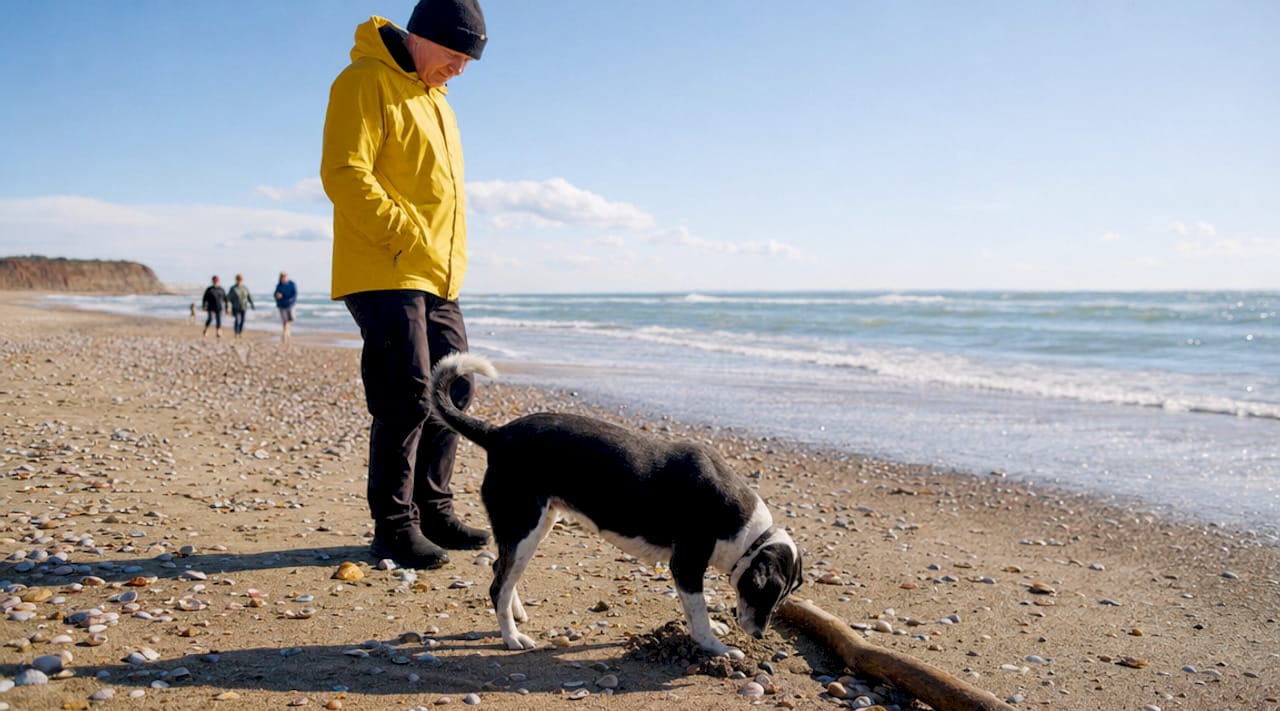
One of the most underrated exercise benefits for pets is sniffing. 15 minutes of sniffing can equal 30 minutes of physical exertion in terms of how tired a dog becomes afterward. This happens because processing thousands of scent signals activates the brain intensely, burning cognitive energy at a rate that rivals running. A slow sniff walk through a park is not a lazy walk. It is a workout.
| Outdoor activity | Primary physical benefit | Recommended frequency |
|---|---|---|
| Brisk walking or jogging | Cardiovascular health, weight control | Daily, 20-30 minutes |
| Sniff-focused walks | Mental fatigue, stress reduction | 3-5 times per week |
| Fetch and chase games | Muscle development, agility | 3-4 times per week |
| Swimming | Joint-friendly full-body exercise | Weekly or as available |
| Obstacle courses | Balance, coordination, confidence | 2-3 times per week |
Pro Tip: Rotate between high-intensity fetch sessions and slow sniff walks throughout the week. The combination of physical and cognitive exercise produces a calmer, more satisfied dog than either type alone.
Why does outdoor time prevent behavioral problems in pets?
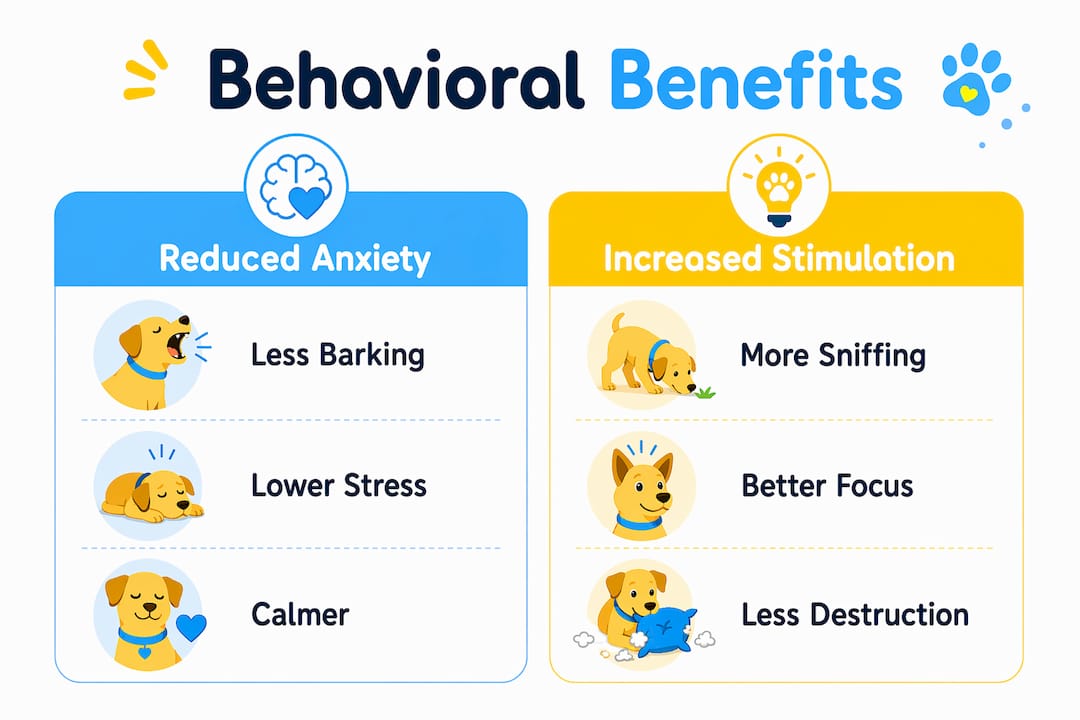
Destructive chewing, excessive barking, and compulsive digging are not personality flaws. They are symptoms of under-stimulation. Dogs are built to explore, track, and problem-solve. When those drives have no outlet, they redirect toward furniture, walls, and your favorite shoes.
Consistent outdoor activity reduces anxiety and hyperactive behaviors by satisfying the natural instincts that drive those behaviors in the first place. A dog that has spent 30 minutes investigating a trail, chasing a ball, and interacting with new smells simply has less pent-up energy to redirect destructively. The American Kennel Club frames this as fulfilling a dog’s “job,” which every breed has in some form.
Outdoor exploration also builds confidence. Dogs that regularly encounter new terrain, sounds, and social situations develop a higher tolerance for novelty. That translates directly to calmer behavior at home, in the car, and at the vet. Improving pet behavior outside is not a separate goal from improving behavior indoors. They are the same goal.
Here are the top behavioral benefits tied to regular outdoor engagement:
- Reduced destructive chewing from lower boredom and excess energy
- Less excessive barking as anxiety and frustration decrease
- Lower separation anxiety in dogs that receive consistent daily stimulation
- Reduced hyperactivity indoors after physically and mentally tiring outdoor sessions
- Greater confidence from exposure to varied environments and social situations
- Improved focus during training sessions following outdoor exercise
Pro Tip: If your dog barks or paces in the evening, add a 15-minute sniff walk after dinner. The mental load of outdoor scent processing often produces calm within 20 minutes of returning home.
What are the emotional and relational benefits of outdoor time?
The emotional benefits of outdoor time extend to both ends of the leash. Bonded green exercise, defined as humans and dogs actively engaging together in natural environments, reduces stress and strengthens the human-animal bond in measurable ways. This is not anecdotal. The shared experience of movement and exploration triggers oxytocin release in both species, the same bonding hormone activated by eye contact and physical touch.
Outdoor settings also provide the best conditions for socialization for pets outdoors. Controlled park visits, group hikes, and structured playdates expose dogs to other animals, people, and environments in a context where they feel physically comfortable and mentally engaged. Dogs socialized consistently outdoors show fewer fear responses and greater adaptability throughout their lives.
The emotional benefits stack up quickly for owners too. Studies on human-dog outdoor activity consistently show lower cortisol levels and improved mood in owners who exercise with their dogs compared to those who exercise alone. The pet is not just along for the ride. The pet is part of what makes the experience restorative.
Key emotional benefits for pets and owners include:
- Reduced cortisol and stress hormones in both dogs and their owners
- Stronger attachment and trust built through shared positive experiences
- Greater emotional resilience in dogs exposed to varied outdoor environments
- Improved mood and reduced symptoms of depression in owners who walk dogs daily
- Increased playfulness and social confidence in dogs with regular outdoor socialization
How to balance outdoor and indoor time safely
More outdoor time is not always better. Overstimulation causes fatigue and behavioral problems just as reliably as under-stimulation does. A dog pushed past its threshold becomes reactive, restless, and difficult to settle. The goal is calibrated engagement, not maximum exposure.
The right amount of outdoor time depends on the individual dog. A senior Labrador and a two-year-old Malinois have completely different needs. Outdoor time should reflect energy level, age, and temperament rather than a fixed schedule applied to every dog. Puppies under six months need short, frequent sessions rather than long outings. Senior dogs benefit from daily movement but need gentler terrain and shorter durations.
Safety precautions matter as much as duration. Hot pavement and debris pose real risks to paw pads, and high temperatures can cause heat exhaustion within minutes. Always check the pavement temperature with your hand before walking. If it is too hot for your palm after five seconds, it is too hot for your dog’s paws. Shade, fresh water, and supervision are non-negotiable during warm-weather outings.
| Factor | Outdoor time | Indoor time |
|---|---|---|
| Physical exercise | High benefit, builds muscle and cardiovascular health | Limited unless structured play is added |
| Mental stimulation | High through scent, terrain, and social exposure | Moderate through puzzle toys and training |
| Behavioral risk | Low when balanced; overstimulation risk if excessive | High if dog is under-stimulated for long periods |
| Safety considerations | Terrain, temperature, hydration, supervision required | Hazard-proofing, toxic plants, and cords to manage |
| Bonding opportunity | Strong through shared activity and exploration | Moderate through play and calm companionship |
For guidance on keeping outdoor sessions safe, the Ipuppee blog covers outdoor safety essentials including terrain checks and temperature management in detail.
Pro Tip: After any high-stimulation outdoor session, give your dog 20 to 30 minutes of quiet downtime before feeding or engaging in training. This rest window prevents overexcitation from compounding into evening restlessness.
What are the best outdoor games and activities for pets?
Structured outdoor games produce better behavioral outcomes than passive yard time. A dog left alone in a backyard often paces, barks at fences, or digs out of boredom. A dog engaged in a game with its owner builds focus, burns energy productively, and strengthens the bond simultaneously.
The best outdoor games for pets combine physical movement with mental problem-solving. Hide-and-seek using treats or toys activates a dog’s nose and prey drive at the same time. DIY obstacle courses built from garden hoses, low jumps, and cones challenge coordination and build confidence. Fetch variations, like rolling the ball along the ground instead of throwing it high, change the muscle groups engaged and keep the game fresh.
For group outings, parallel play prevents resource guarding by keeping dogs engaged with their own toys rather than competing for the same object. Throwing separate toys in different directions during a playdate reduces tension and keeps the energy positive. This approach works especially well at dog parks where unfamiliar dogs are present.
Here is a practical list of outdoor enrichment ideas you can use this week:
- Sniff walks on new routes to maximize scent exposure and mental fatigue
- Hide-and-seek with treats buried in grass or hidden under objects
- Fetch variations including rolling, bouncing, and directional changes
- DIY obstacle courses using household items and garden equipment
- Water play with a sprinkler or shallow pool during warm months
- Tug of war on grass with a rope toy for physical engagement
- Tracking games where you drag a treat along a path for the dog to follow
- Controlled group playdates using parallel play to manage social dynamics
- Trail hikes on varied terrain to challenge balance and build confidence
- Training sessions outdoors to practice commands in a distraction-rich environment
For more structured ideas, Ipuppee’s guide to dog-friendly outdoor activities covers safe, stimulating options tailored to different breeds and energy levels.
Key takeaways
Regular, structured outdoor time is the most direct investment you can make in your dog’s physical health, behavioral stability, and emotional well-being.
| Point | Details |
|---|---|
| Daily outdoor baseline | 30 minutes of outdoor activity per day supports weight, cognition, and behavior. |
| Sniffing counts as exercise | 15 minutes of sniff-focused activity produces fatigue equal to 30 minutes of physical exertion. |
| Behavior and stimulation are linked | Destructive behaviors like chewing and barking decrease when outdoor needs are consistently met. |
| Balance prevents overstimulation | Outdoor time must be matched to the dog’s age, energy, and temperament to avoid exhaustion. |
| Shared outdoor activity bonds owners and pets | Bonded green exercise reduces stress hormones in both dogs and their owners. |
What I’ve learned from years of watching dogs outdoors
Most owners underestimate how much their dog’s indoor behavior is a direct report card on their outdoor routine. I have watched dogs that seemed “difficult” transform within two weeks of consistent, structured outdoor sessions. Not longer sessions. Structured ones. The difference between a 45-minute yard wander and a 30-minute walk with sniff breaks, a short game of hide-and-seek, and a calm return home is enormous.
The mistake I see most often is treating outdoor time as a checkbox. Owners let the dog out, wait, and bring it back in. That satisfies the bathroom need. It does not satisfy the behavioral, cognitive, or emotional needs that drive 90% of the problems owners complain about.
The second mistake is inconsistency. Dogs thrive on routine. A dog that gets two hours of outdoor play on Saturday and 10 minutes on weekdays is not a well-exercised dog. It is a dog on a boom-and-bust cycle that produces exactly the kind of erratic indoor behavior owners find frustrating.
My honest advice: start with 30 minutes of intentional outdoor time every day for two weeks. Not passive time. Intentional time with at least one game, one sniff walk, and one moment of just sitting outside together. Track your dog’s indoor behavior during that period. The results will make the habit permanent.
— Andrew
Take your dog’s outdoor routine further with Ipuppee

The research is clear: structured outdoor time transforms your dog’s health, behavior, and your relationship with them. Ipuppee’s blog is built specifically for dog owners who want to go beyond the basics. From daily exercise safety tips to detailed guides on outdoor enrichment, the Ipuppee resource library covers the practical side of keeping your dog active, safe, and genuinely happy. If you are building or refining your dog’s outdoor routine, the Ipuppee blog is the right place to start. Visit ipuppee.com to explore the full collection of guides, safety resources, and product solutions designed for real dog owners.
FAQ
How much outdoor time do dogs need each day?
Dogs need at least 30 minutes of outdoor activity daily to maintain physical health and prevent behavioral problems. High-energy breeds typically require more, while senior or low-energy dogs may do well with shorter, more frequent sessions.
Can outdoor time really improve my dog’s behavior indoors?
Yes. Outdoor exploration reduces anxiety and hyperactivity by satisfying the natural instincts that drive destructive behaviors. Dogs that receive consistent outdoor stimulation show measurably lower rates of chewing, barking, and pacing indoors.
Is sniffing on a walk as beneficial as running?
Sniffing is one of the most effective forms of mental exercise for dogs. Research shows that 15 minutes of scent-focused activity produces fatigue comparable to 30 minutes of physical exertion, making slow sniff walks a powerful tool for calming high-energy dogs.
What outdoor activities are safest for older dogs?
Gentle walks on flat terrain, short sniff sessions, and low-impact water play are the safest outdoor activities for senior dogs. Always check pavement temperature and limit duration based on the dog’s energy level and any existing joint conditions.
How does outdoor time benefit the owner, not just the pet?
Bonded green exercise reduces stress hormones in both dogs and their owners. Owners who exercise outdoors with their dogs consistently report lower cortisol levels and improved mood compared to those who exercise alone.